
Reviewed · YOGA & MEDITATION RETREATS
500 hours Advanced Yoga Teacher Training at Nepal Yoga Home (Every 1st of month)
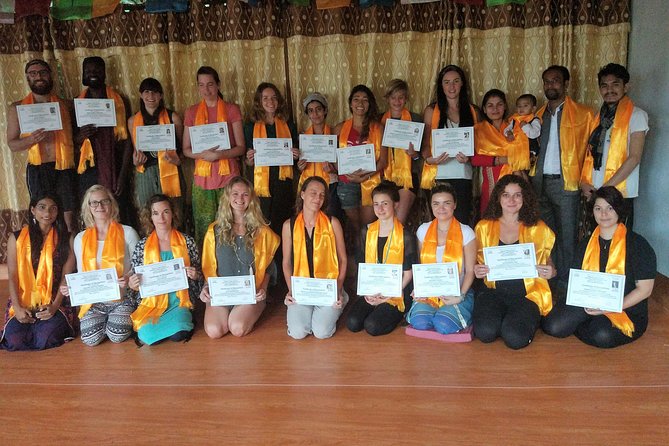
Kathmandu yoga, but in a peaceful private home setting. This 29-day, 500-hour Advanced Yoga Teacher Training runs from the 1st of every month, with Yoga Alliance certified instructors and a Hatha, Ashtanga, and Iyengar mix that keeps your body and teaching skills busy. I especially liked the organic, Ayurvedic meals (easy to stay grounded day after day), and the chance to learn beyond mat basics through healing work like singing bowls and Reiki. One possible drawback is that this is not a sightseeing-first trip, tours and trekking are extra, so you need to be happy with a full schedule focused on training.
What makes this training feel practical is the daily rhythm. You start at 7:15 am, and the rest of the day is built around classes, study, and recovery, not nonstop travel. The small group size (up to 25) also helps. Still, your pace will depend on the teachers’ emphasis and your own preparation, so if you’re newer to yoga instruction or you want lots of downtime, you might find the “staying in the flow” approach a bit intense.
In This Review
- Key things to know before you go
- Advanced yoga training in a private home, not a big retreat factory
- The yoga blend: Hatha, Ashtanga, and Iyengar in one training month
- A typical day around 7:15 am, with meals that actually support your practice
- Singing bowls, Reiki healing, and other yogic therapies
- Kathmandu time: practice first, trekking and sightseeing second
- Price and value: what you’re paying for over 29 days
- Small group size, real staff warmth, and the names that show up
- Your fitness level and what “advanced” can feel like day to day
- Who should book this training, and who might want a different fit
- Practical tips so you get more from your 29 days
- Should you book Nepal Yoga Home’s 500-hour Advanced YTTC?
- FAQ
- When does the 500-hour training start?
- What time does the program start each day?
- Where is the meeting point?
- How long is the course?
- What is included in the price?
- What is not included?
- Is the training Yoga Alliance certified?
- How many people are in the group?
- What kind of yoga is taught?
- What is the cancellation policy?
Key things to know before you go
- Yoga Alliance certified, 500-hour advanced training with a teaching-focused curriculum
- A mix of Hatha, Ashtanga, and Iyengar so you learn multiple teaching angles
- Ayurvedic organic meals included (breakfast, lunch, dinner) to support the practice
- Healing sessions included like singing bowls and Reiki healing
- Small group size, maximum 25 travelers, in a private home atmosphere
- 7:15 am start with training centered in Kathmandu, while trekking costs extra
Advanced yoga training in a private home, not a big retreat factory
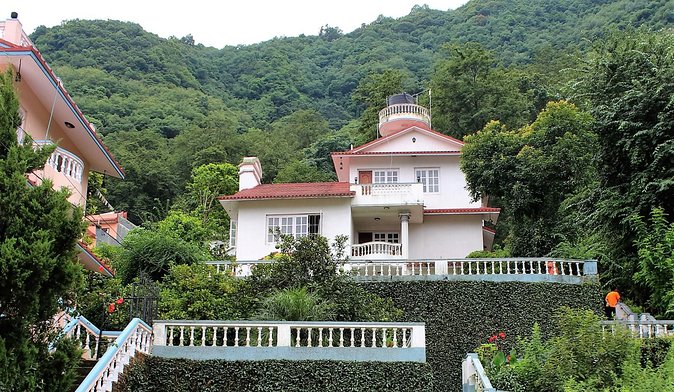
Nepal Yoga Home is in a private home in Kathmandu, and that matters more than you might think. Big retreats can feel like a schedule you pass through. Here, you’re living inside the program. That usually means you get continuity, familiarity, and less of the “tour group energy” that distracts from practice.
The setting also fits the training style. You’re not just doing workouts. You’re learning to teach. And teaching works best when you can observe how the space itself supports attention: quiet corners for reflection, time between classes to process, and an environment that feels safe enough for questions. In the reviews, people repeatedly describe the place as home-like, and I’d take that seriously. If you’re the type who learns better in a warm, structured community, you’ll likely thrive here.
One more practical note: the meeting point is Nepal Yoga Home, Tarkeshwor-5, Kathmandu 44600. The start time is 7:15 am, and you end back at the same meeting point. That makes life simple, especially if you’re not trying to juggle daily transportation.
More Yoga & Meditation in Kathmandu:
- 200 Hours Yoga Teacher Training at Nepal Yoga Home (starts on 1st of everymonth)
★ 5.0 · 125 reviews - 3 night 4 Day Yoga & Ayurveda Retreat to Detox the Body & Mind, Nepal
★ 5.0 · 37 reviews - 21 days Himalayan yoga retreat in Nepal in Kathmandu
★ 5.0 · 28 reviews
The yoga blend: Hatha, Ashtanga, and Iyengar in one training month
This course is described as a traditional and modern mix of Hatha, Ashtanga, and Iyengar. For you, that means you are not limited to one physical style or one teaching philosophy. You’ll be exposed to different ideas about alignment, breath, sequencing, and how to explain poses clearly.
Here’s what that usually translates to in real teaching practice:
- Hatha gives you fundamentals and a way to slow down enough to teach detail.
- Ashtanga often brings discipline, structure, and strength through repetition, which helps you learn how to cue a moving practice.
- Iyengar typically emphasizes alignment and precision, which is gold when you’re learning how to adjust bodies and teach safe variation.
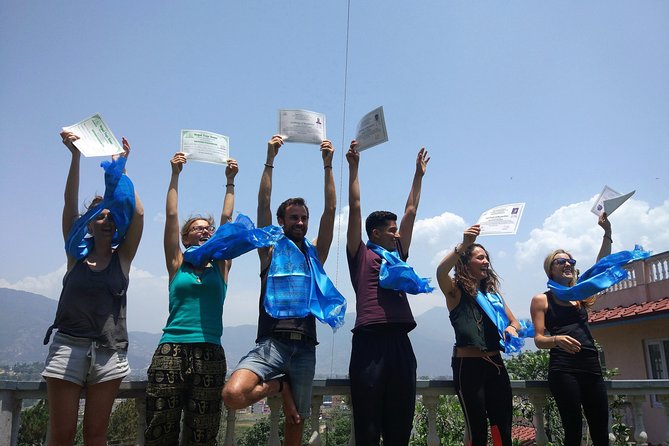
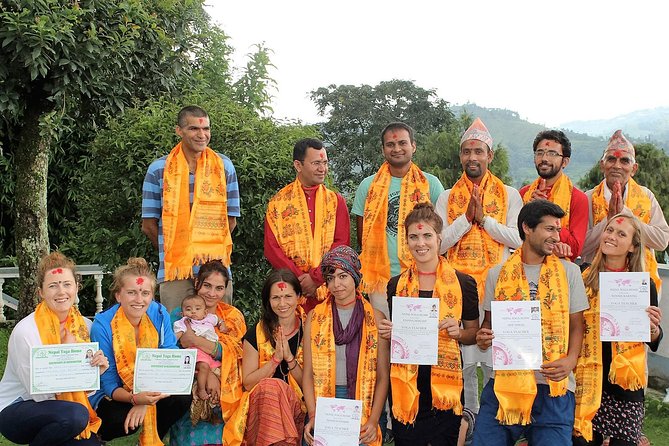
You’re also coming for a 500-hour advanced teacher training, so the goal is not just “feel good on the mat.” You’re building teachable knowledge. The training is Yoga Alliance certified, and that gives structure and a recognizable teaching framework. Even if your style is different at home, training in a blend can make your instruction more flexible.
A typical day around 7:15 am, with meals that actually support your practice
The program starts at 7:15 am. That’s early, yes, but it’s the kind of early that makes the day feel intentional. Morning starts often help your practice stay consistent, and it tends to make you less frantic about timing.
Then come the meals. You get three meals per day: breakfast, lunch, and dinner, and they’re described as organic, Ayurvedic meals. That inclusion is not a small perk. When food is handled for you, you can stay focused on your training instead of hunting for the next meal, trying to eat right for your body, and worrying about what’s in the food.
Ayurvedic meals can also make the spiritual side feel practical. If the cooking is consistent with the training tone, it can help you feel calmer, more settled, and less jet-lagged. In Kathmandu, that kind of routine matters, because the city can be mentally noisy. A consistent meal routine becomes an anchor.
Also, this isn’t just “you get snacks.” The meals are included and part of the program structure. If you’ve ever been in a course where food is optional, you know how fast it drains the energy from practice.
Singing bowls, Reiki healing, and other yogic therapies
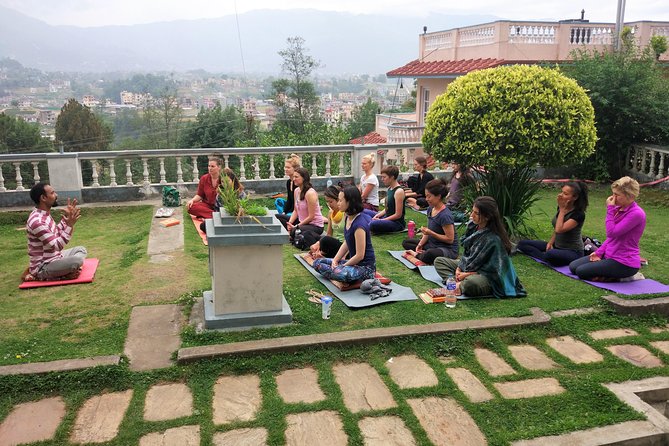
One of the strongest highlights is the inclusion of yogic therapies like singing bowls and Reiki healing. Even if you already like meditation, these therapies are not just decorative. They teach you how to talk about healing experiences in a respectful, grounded way.
Why this matters for you as a teacher:
- You learn that yoga is not only movement.
- You practice how to support students’ emotional and nervous system states.
- You see how traditions outside the standard asana world can fit into a yoga teaching approach.
The training home also positions these therapies as part of the learning culture, not a one-time demo. That gives you a better chance to understand what’s real, what’s symbolic, and what’s appropriate to share.
If you’re the kind of practitioner who likes meditation, sound work, breath, and subtle practice, you’ll probably feel at home here. If you want strictly physical training only, you might find the healing components change your pacing.
Another way to spend the time in Nepal:
- Everest Base Camp Trek – 14 Days
★ 5.0 · 1,499 reviews - Everest Base Camp Trek
★ 5.0 · 842 reviews - Private Kathmandu Sightseeing Tour | UNESCO World Heritage sites
★ 5.0 · 756 reviews - Kathmandu: 7 UNESCO Sites with Lunch
★ 4.8 · 744 reviews
Kathmandu time: practice first, trekking and sightseeing second
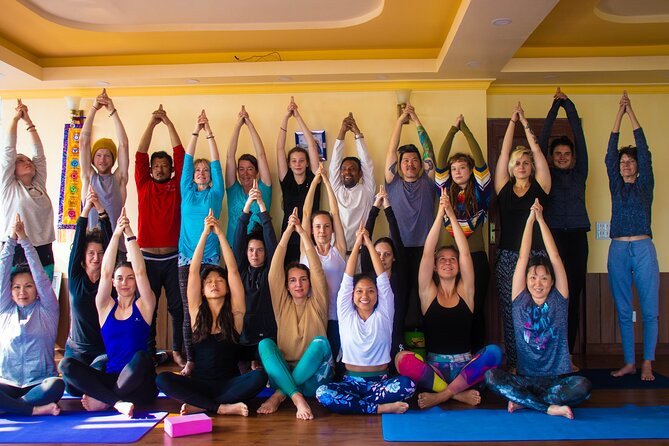
You are based in Kathmandu, and your free time is yours to manage. The catch is straightforward: tours and trekking are extra. So you’re not buying a full add-on package of adventures. You’re buying time in a training environment, with opportunities for exploration only if you fund them yourself.
That’s a good model if you like the idea of studying, then stepping out when you want. It’s a poor fit if your main goal is sightseeing with a yoga class as a side quest.
Also, since you start at 7:15 am, you’ll feel the week’s momentum. If you plan a big day trip, you’ll want to keep it realistic so you don’t ruin your sleep and recovery. In a teacher training, that usually means you treat big outings as occasional, not daily.
Price and value: what you’re paying for over 29 days
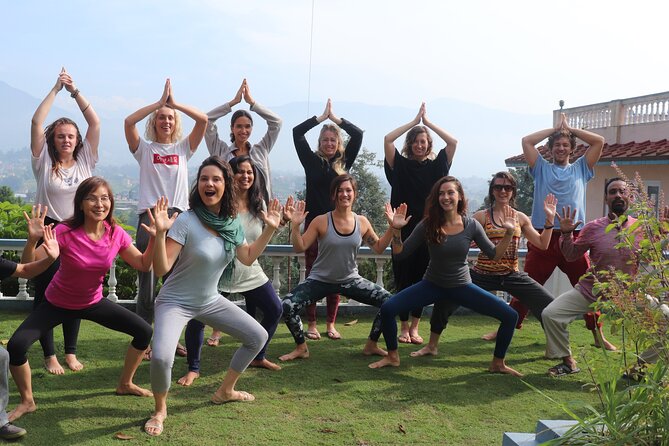
The price is $2,506.42 per person for an approximate 29-day training, and the value is in what’s included.
Included:
- Breakfast, lunch, dinner
- All fees and taxes
- Admission to Nepal Yoga Home
From the overview, accommodation is also included. There’s a mobile ticket, and the program is run through Nepal Yoga Home.
Not included:
- Flights (international and domestic)
- Laundry
- Food of your personal interest
- Tours, sightseeing, and trekking
So what are you really buying? You’re paying for a month of structured advanced teacher training, Yoga Alliance certified instruction, and a lifestyle support system (meals and accommodation) that keeps you steady. That matters because teacher training is expensive mostly because it’s time-intensive. If meals and fees were not included, you’d be doing constant budgeting and planning mid-course, which is the exact opposite of what you want when you’re building teaching stamina.
A realistic budgeting approach:
- Plan a separate travel budget for flights.
- Set aside a small daily amount for personal snacks or extras you want outside the included meals.
- If you want day trips or trekking, treat those as add-on costs, not guaranteed parts of the package.
Small group size, real staff warmth, and the names that show up
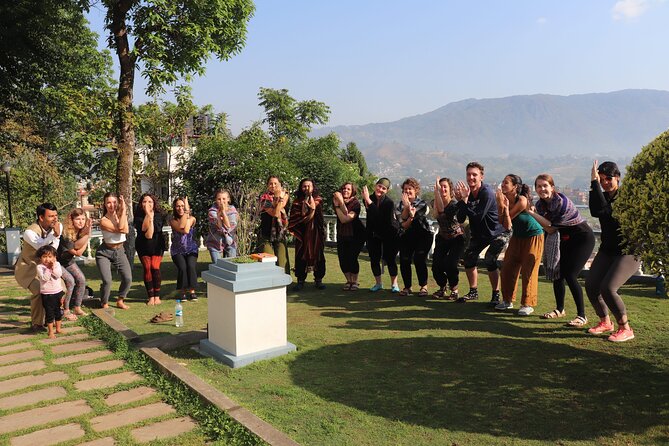
The group maximum is 25 travelers. In training settings, that number makes a difference. Smaller groups usually mean more time with teachers, more chances to be seen, and less waiting around during practice corrections. It also helps when you’re learning how to cue other students, because you need repetition and feedback.
The reviews also highlight hospitality and staff warmth. Names that come up include Shanti, along with teachers who bring different expertise and teaching approaches. Prakash is specifically mentioned as an excellent teacher by one reviewer. If you’re looking for a training environment where support feels personal, these details point to the right kind of place.
Even if you don’t meet a famous instructor or get a perfect teaching fit, the staff culture can still shape your experience. In teacher training, that emotional safety is not fluff. It affects your willingness to ask questions and take risks in learning to teach.
Your fitness level and what “advanced” can feel like day to day
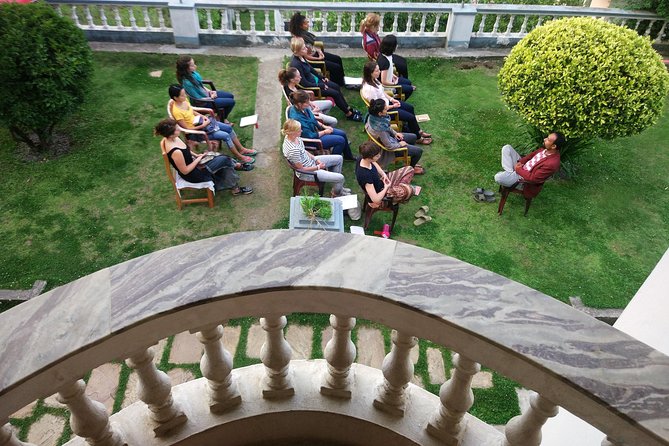
The only fitness note provided is that you should have a moderate physical fitness level. That’s a helpful boundary. Advanced training doesn’t mean you must be an athlete, but it does mean you should be ready for consistent practice and instruction that challenges your body and attention.
Since the style mix includes Hatha, Ashtanga, and Iyengar influences, expect a blend of:
- strength and stamina moments,
- alignment-focused work,
- and sequencing that can move at a steady pace.
If you have injuries or limitations, you’ll want to discuss your situation through the program’s normal channels once you’re confirmed. The key point for you is to plan with realism: bring a willingness to adapt, not a plan to “push through” everything.
Who should book this training, and who might want a different fit
This training is likely a strong match if you:
- want 500-hour advanced teacher training with Yoga Alliance certified instruction,
- like learning multiple styles, not just one,
- care about Ayurvedic, organic meals and a calmer daily rhythm,
- want teaching skills plus therapies like singing bowls and Reiki healing,
- prefer a small group environment in Kathmandu rather than a big production.
You might think twice if you:
- want a trip with heavy sightseeing as the main goal,
- dislike structured, early starts (7:15 am),
- are looking for a purely physical asana retreat with no healing components,
- don’t feel comfortable with a month-long commitment to study and practice.
Practical tips so you get more from your 29 days
These are the kinds of moves that help you stay on track in a teacher training like this:
- Pack for Kathmandu seasons and layers, because mornings can feel cooler when you start at 7:15 am.
- Bring a notebook or journal for teaching notes. Even if your phone is your default, writing helps you remember how teachers explain things.
- Plan your free time like a practice. If you take a day trip, keep the next morning in mind so you can recover properly.
- If you’re curious about Reiki and singing bowls, ask questions. Not everyone learns them at the same pace, and respectful questions help you build clarity.
Should you book Nepal Yoga Home’s 500-hour Advanced YTTC?
I’d book this if you want a structured month in Kathmandu where yoga teaching is the center of gravity, and where you get more than mat practice. The combination of Yoga Alliance certified instruction, a style mix (Hatha, Ashtanga, Iyengar), and included Ayurvedic meals plus healing therapies is a strong package for people who want depth and real day-to-day support.
I’d skip it if your main travel motivation is trekking and sightseeing, because those are extra and the schedule is training-first. Also, if you need a low-effort, fully flexible program, teacher training is inherently more structured than a typical vacation.
If you’re ready for a month that changes how you teach, and you like the idea of learning therapies like Reiki and sound practices, this is the kind of training that can become a turning point.
FAQ
When does the 500-hour training start?
The training runs from the first of every month in Kathmandu, Nepal, and it lasts about 29 days.
What time does the program start each day?
The start time is listed as 7:15 am.
Where is the meeting point?
The meeting point is Nepal Yoga Home, Tarkeshwor-5, Kathmandu 44600, Nepal.
How long is the course?
It is approximately 29 days.
What is included in the price?
Breakfast, lunch, and dinner are included, along with all fees and taxes, and admission to Nepal Yoga Home.
What is not included?
Flights (international and domestic), laundry, tours, sightseeing, trekking, and food of your personal interest are not included.
Is the training Yoga Alliance certified?
Yes, the instructors are certified by Yoga Alliance.
How many people are in the group?
The maximum group size is 25 travelers.
What kind of yoga is taught?
The style is a traditional and modern mix of Hatha, Ashtanga, and Iyengar.
What is the cancellation policy?
You can cancel up to 24 hours in advance for a full refund. If you cancel less than 24 hours before the start time, you do not receive a refund. The experience also depends on good weather, and it may be rescheduled or refunded if canceled due to poor weather or minimum traveler requirements.
Latest additions near Kathmandu
- White Water River Rafting – 1 Day★ 4.3 · 3 reviews
- Traditional Momo Making Class★ 5.0 · 10 reviews
- Kathmandu to Pokhara Premium sofa bus ticket★ 4.0 · 17 reviews
- Ghorepani Poon Hill Trek★ 5.0 · 16 reviews
- Amazing 1 Day Trekking Experience in Kathmandu Nepal★ 5.0 · 24 reviews
- Ghorepani Poonhill Trek★ 5.0 · 5 reviews
- Walking tour of real Kathmandu through back streets.★ 5.0 · 3 reviews
- Wildlife Adventure in Chitwan Nepal★ 4.0 · 4 reviews
Yoga & Meditation Retreats, compared.

200 Hours Yoga Teacher Training at Nepal Yoga Home (starts on 1st of everymonth)
Read our review →
3 night 4 Day Yoga & Ayurveda Retreat to Detox the Body & Mind, Nepal
Read our review →
10 Days Ayurveda & Yoga Retreat in Kathmandu, Nepal
Read our review →

21 Day Ayurveda & Yoga Retreat in the Himalayan country, Nepal
Read our review →
14 Day Ayurveda + Yoga Detox Retreat in Nepal
Read our review →
29 Day Ayurveda & Yoga Retreat in Kathmandu, Nepal
Read our review →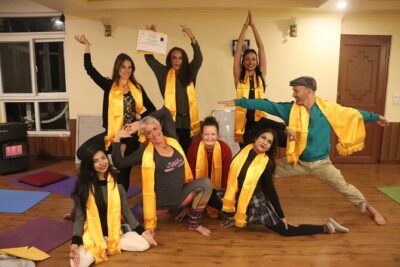
29-Day Rejuvenating and Life Changing Yoga class in Nepal
Read our review →Browse the lists this tour appears in