
Reviewed · MARDI HIMAL TREKS
3 Night 4 Days Mardi Himal
Short trek, big Himalayan payoff. Mardi Himal is a fast, forest-heavy trek east of Annapurna Base Camp, with mountain views that show up again and again, plus a sunrise viewpoint stop before breakfast. I really like how the trail feels wild, but still runs on a solid plan.
The main thing I love is the way organization and guiding work together on a 3-night trek: private transport from Pokhara to Kande, set walking stages, and meal stops timed for real hiking days. If your guide is Prakash, you’ll understand why people keep praising him for staying close and pacing the climb, even when elevation gain feels like a lot.
The only real drawback to plan around is season and weather, especially during monsoon months. If skies turn cloudy, you lose some of the sharp mountain views, and rain can make the trail slower and slick.
In This Review
- Key highlights you’ll care about
- Why Mardi Himal Works So Well in Four Days
- Pokhara to Kande, then Australian Camp to Forest Camp (Day 1)
- Low Camp, Badal Danda, and the Push to High Camp (Day 2)
- Sunrise at the Viewpoint, Then Back Down to Low Camp (Day 3)
- Siding to Lumre, then Back to Pokhara (Day 4)
- The Value of Private Trek Planning (and Why It Matters)
- Weather, Monsoon Reality, and Crowd Levels
- Fitness and Packing Tips for This Trek’s Pace
- Price and Value: Is $375 Worth It?
- Who Should Book Mardi Himal, and Who Should Skip It
- Should You Book Mardi Himal 3 Nights in 4 Days?
- FAQ
- How long is the Mardi Himal trek?
- How much does the trek cost?
- Where does the trek start in Pokhara?
- Where does the trek end?
- Is this a private tour?
- What physical fitness level do I need?
- How do you get from Pokhara to the trailhead?
- Is there a sunrise viewpoint during the trek?
- Where are meals planned during the trek?
- What if the weather is poor?
- What is the cancellation window?
Key highlights you’ll care about
- Forest-and-wilderness focus with a short, achievable trek length
- Sunrise viewpoint as a dedicated early-morning moment
- Private group experience plus transport from Pokhara to Kande and back
- Careful pacing that can match different walking levels
- Quieter trails in monsoon season, which can mean less crowd pressure
Why Mardi Himal Works So Well in Four Days
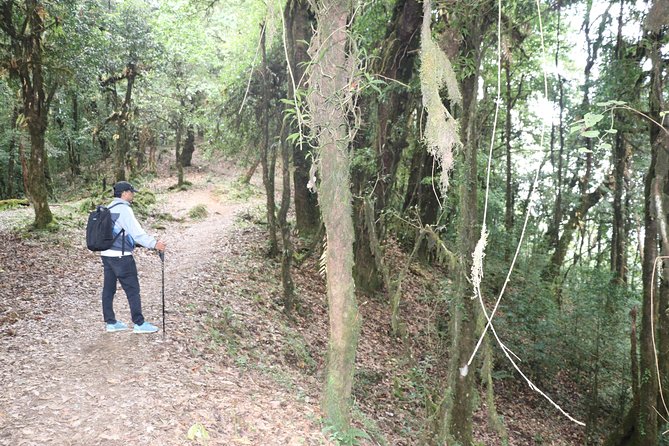
Mardi Himal sits in a sweet spot for hikers who want Himalayan scenery without committing to a longer expedition. It is east of the Annapurna Base Camp route, so you get that classic Annapurna region feel, but with a different vibe on the trail. This trek leans hard into forest and wilderness zone trekking, so you spend a lot of time walking through trees and nature rather than just hopping from viewpoint to viewpoint all day.
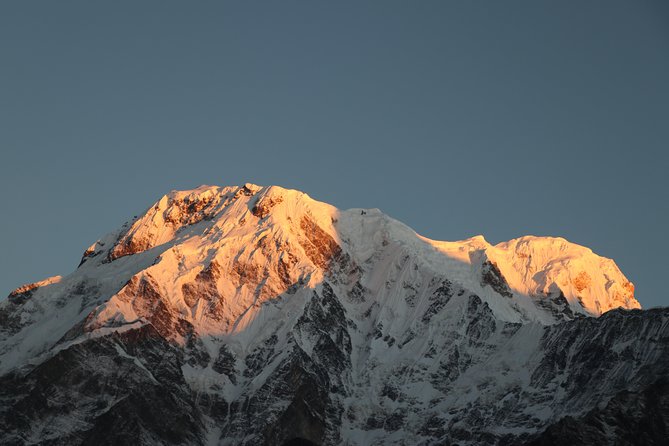
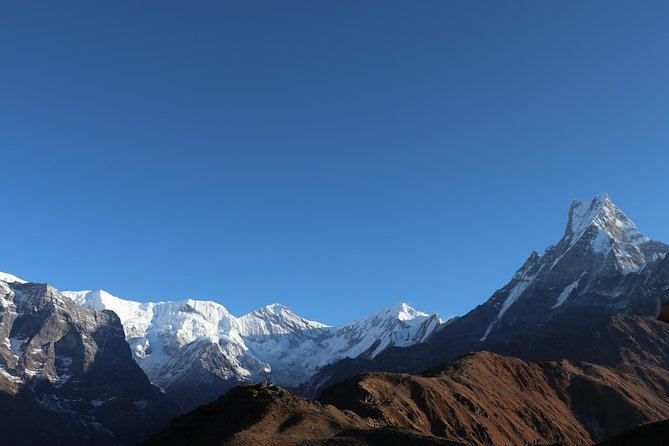
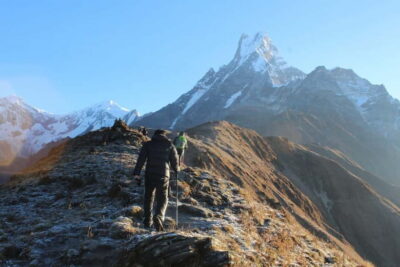
The views are the payoff. Even though the trail spends serious time in the green, you still get mountain views right in front of you at multiple points. That matters, because it keeps your motivation up when you are mid-climb and the air feels busy but your legs feel busy too. Add in a sunrise stop at a viewpoint on day three, and you get one of those rare moments where early effort actually changes what you see.
Also, the whole rhythm is built for a short trip. You are not doing nonstop grind for 8 or 9 days. The plan spreads your walking into manageable pieces and then gives you camp time to rest, eat, and reset.
More Mardi Himal treks:
- Pokhara: 4-Day Mardi Himal Trek
★ 4.9 · 59 reviews - Private Mardi Himal Trek
★ 5.0 · 42 reviews - From Pokhara: 4-Day Mardi Himal Base Camp Trek
★ 4.9 · 31 reviews
Pokhara to Kande, then Australian Camp to Forest Camp (Day 1)
Day one starts with a private transfer out of Pokhara. You depart after 7:30, drive about one hour to Kande, and then begin trekking. This is a smart way to start, because it gets you onto the trail while the day is still fresh.
From Kande, you trek toward Australian Camp, then on through Pothana and Pritam Deurali, finishing at Forest Camp. Expect about 6 to 7 hours of walking for this day. That sounds like a lot on paper, but it is broken into natural chunks as you move through different trail sections and stop for planned meals.
Here’s why this first day feels good, even if it is the longest walking day in the itinerary:
- You begin with forest trekking right away, so you are not hit with harsh, exposed terrain immediately.
- You transition through several named stops, which makes the day feel like steps rather than one endless climb.
- Lunch at Pritam Deurali gives you a real break at a planned point, not a random guess when you are already tired.
Finishing at Forest Camp is also the right kind of anticlimax. You get to stop when your energy is still decent, then focus on dinner and sleep rather than fighting the clock.
Practical note: for a trek like this, day one is where you decide your pacing. If you go too hard early, your legs will complain later. The upside is that a good guide can help you settle into the right rhythm from the start. (And based on past experience with guides like Prakash, that support is a big part of what makes the trek feel organized.)
Low Camp, Badal Danda, and the Push to High Camp (Day 2)
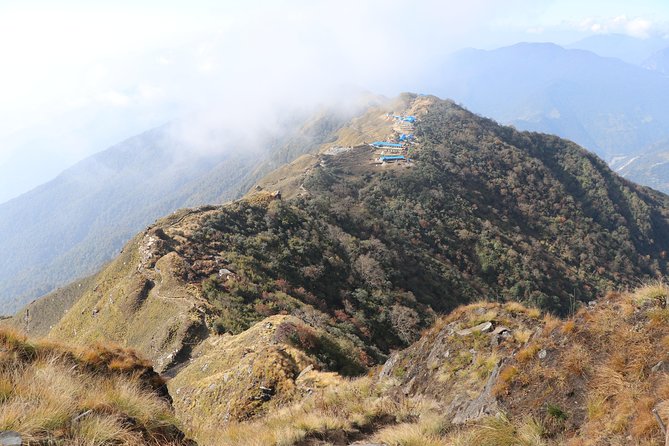
After breakfast, day two starts lighter in tone but still asks for effort. You walk to Low Camp and then through Badal Danda, where lunch is included in the plan. After that, you continue onward to High Camp.
This is the day that builds toward the sunrise experience on day three. You are steadily working your way upward, and Badal Danda is one of those trail segments where you start to feel the altitude shift even if you are not tracking numbers. The key is that you are not doing one giant leap. It is staged.
What makes this day valuable for you:
- Lunch at Badal Danda keeps your energy stable. When lunch is built into the route, you do not spiral into snack panic.
- The move from Low Camp toward High Camp is where you start getting more “this is real Himalayan trekking” moments.
- Getting to High Camp sets you up for an early start without scrambling to reach the best view in a rush.
Drawback to consider: if the weather is bad, day two can feel like a long climb with fewer visual rewards. That does not mean the trek is wasted, but it does mean your motivation needs to come from the process, not just the scenery. In monsoon season, this can happen more often.
Sunrise at the Viewpoint, Then Back Down to Low Camp (Day 3)
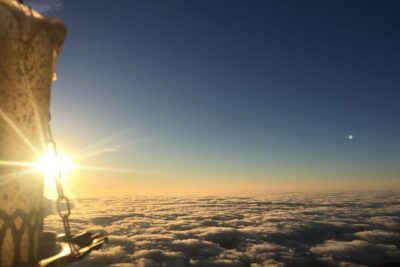
Day three is the “wake up early, thank yourself later” day. You go to a sunrise viewpoint for about 1.5 hours, then return to High Camp for breakfast. After that, you walk down to Low Camp for lunch, rest, and your third night.
This is one of the best parts of the trek because the sunrise is not treated like an optional side quest. It is scheduled, timed, and built into the plan. You are not guessing when to leave camp or negotiating with daylight.
Why I think you will enjoy this day:
- Sunrise changes the mood instantly. The mountains are not just scenery anymore, they become a backdrop that lights up the whole day.
- Walking back down after sunrise lets your body cool off without ending the trek right away.
- Low Camp gives you a calmer place to rest before the final descent.
If you want to increase your chances of clear sunrise views, keep your expectations grounded. Monsoon weather can reduce visibility, and clouds can be frustrating. The upside is that even when the view is not crystal perfect, the effort still feels worth it because the trek remains active and scenic through the forest zones and camp transitions.
Another way to spend the time in Nepal:
- ZipFlyer Nepal – The World’s Steepest Zip-line
★ 5.0 · 608 reviews - Bungee Pokhara by HighGround Adventures
★ 5.0 · 366 reviews - From Pokhara: Sarangkot Sunrise Himalayas Tour
★ 4.7 · 218 reviews - ATV Adventure Tour in Pokhara, Nepal
★ 5.0 · 194 reviews
Siding to Lumre, then Back to Pokhara (Day 4)
Day four is a satisfying finish. You walk down to Siding and Lumre, then take private transportation back to Pokhara, about one hour.
This day is shorter on effort, which is what you want after three nights on the trail. The best feeling here is simple: you get to keep your momentum without burning out. You end where most people want to end, back near Pokhara’s comfort.
It also means the trek works well if you are using Pokhara as your base. You can plan a relaxing afternoon in Lakeside after you come back, instead of needing another full day just to recover.
The Value of Private Trek Planning (and Why It Matters)
This is a private tour/activity, meaning it is just your group. That changes the feel immediately. Instead of getting stuck waiting for stragglers, or speeding up for faster walkers, the trek can be paced to match your group.
The other value is how the plan is built around real walking and real stopping points. Day one includes lunch at Pritam Deurali and dinner at Forest Camp. Day two has lunch at Badal Danda. Day three has lunch at Low Camp. Those meal anchors matter because they keep you from guessing, and they keep you from burning energy without fuel.
Finally, the guiding quality is a standout theme in what people praise. A guide like Prakash gets mentioned for good reason: he helps the trek stay organized and he supports walkers who need steady pacing. For your trip, that means less stress and fewer moments where you wonder if you are doing the “right” effort level.
If you care about a smooth trek, where the plan is clear and your guide keeps you on track, this is the kind of trip that delivers.
Weather, Monsoon Reality, and Crowd Levels
Mardi Himal is weather sensitive. The experience depends on good conditions, and the trek provider notes that it may be canceled if weather is poor. That is not just fine print. It affects visibility and trail comfort.
Monsoon season is not the ideal time for a clear mountain viewing experience. Rain can bring cloud cover, and it can also make the trail slick. Still, there is a trade you may appreciate: fewer people on the trail. One of the nice surprises with monsoon timing is that the trek can feel much quieter than the more famous short routes, where foot traffic can be constant.
So how should you think about this?
- If your priority is crisp mountain views, aim for clearer weather.
- If your priority is a quieter hike and you can handle damp trail conditions, monsoon can make the trek feel more personal.
Either way, you will still be trekking through forest and wilderness terrain, not just chasing views from crowded steps. That style of trail has its own reward.
Fitness and Packing Tips for This Trek’s Pace
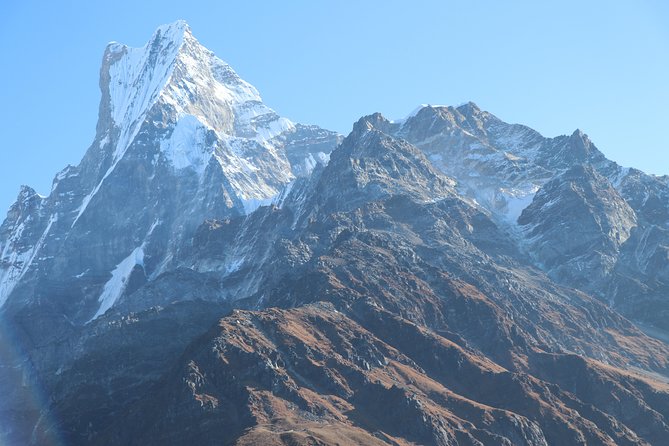
The trek is best for people with moderate physical fitness. The plan includes a 6 to 7 hour walk on day one, plus additional hiking on days two and three. There is elevation gain, and it is spread over days, so you do not face a single brutal wall. But it will still test your legs.
How to prepare smartly:
- Focus on consistency over hero workouts before the trek. If you can do regular hikes on uneven ground, you will adapt faster.
- Plan your effort on day one. If you feel good at lunch in Pritam Deurali, you will usually feel better for the push onward.
- Expect your energy to dip on day two when you go toward High Camp. That is normal. A guide who walks with you at a steady pace helps a lot.
Packing is not spelled out in the tour details, so I will keep this practical rather than speculative. Bring layers you can manage in changing mountain weather, rain protection if you are going in monsoon conditions, and hiking shoes or boots that can handle wet trail. Also, keep your most-used items accessible, because you will be walking for hours and you do not want to fumble every time you need something.
Price and Value: Is $375 Worth It?
At $375 per person for a 3-night, 4-day trek, the value hinges on what is included and how well it is run. In this case, the itinerary clearly plans transportation, guides, and meals at key stopping points (lunch at Pritam Deurali, dinner at Forest Camp, lunch at Badal Danda, and lunch at Low Camp). You also get private transportation from Pokhara to Kande at the start and back after the trek.
What you are paying for, in plain terms:
- A guided, scheduled trek that does not leave you guessing
- Private transport to reduce start and end hassles
- A pacing plan that fits the trek format, not just the fastest walkers
If you were to DIY this trek, you would spend money on permits, route planning, and then lose the time savings and stress reduction that a good guide provides. For many people, that stress reduction is worth real money.
The best way to judge value is this: if you want a trek that feels organized, with guided support and planned meal breaks, this price can make sense. If you want maximum flexibility to wander off schedule, a structured guided trek might feel limiting.
Who Should Book Mardi Himal, and Who Should Skip It
This trek fits you best if:
- You want a short Himalayan trek that still delivers real forest hiking and strong scenery
- You prefer a structured plan with stops and meal timings
- You want a private group experience rather than squeezing into a big crowd
You should think twice if:
- You are expecting guaranteed clear sunrise mountain views regardless of season, because weather can change everything
- You dislike early mornings. Day three is an early start for sunrise, with about 1.5 hours at the viewpoint round trip
If you are traveling from Pokhara, the start and end at Lakeside-6 is also convenient, and the meeting point is described as near public transportation. That matters if you do not want complicated logistics before or after your trek.
Should You Book Mardi Himal 3 Nights in 4 Days?
Yes, if you want the Annapurna region feel in a manageable timeframe, and you care about a well-run trek with forest scenery plus mountain views and a sunrise moment. The private format and the way guides like Prakash are described as patient and steady add real comfort, especially if you are not a hardcore endurance hiker.
If you are going during monsoon months, book with realistic expectations. You may trade maximum clarity for a quieter, less crowded trail and a more nature-forward trek.
If you want a short trek where the effort is obvious and the rewards are more than just one good photo moment, this is a strong choice.
FAQ
How long is the Mardi Himal trek?
It runs for 4 days (about 3 nights).
How much does the trek cost?
The price is $375.00 per person.
Where does the trek start in Pokhara?
The meeting point is Swissa Adventure Travel & Treks, Lakeside-6, पोखरा 33700, Nepal.
Where does the trek end?
The activity ends back at the same meeting point.
Is this a private tour?
Yes, it is a private tour/activity, so only your group participates.
What physical fitness level do I need?
The trek is suited for people with moderate physical fitness.
How do you get from Pokhara to the trailhead?
You use private transportation to Kande, about a 1 hour drive, then start trekking.
Is there a sunrise viewpoint during the trek?
Yes. On day 3, you go early in the morning for a sunrise viewpoint for about 1.5 hours, then return to High Camp for breakfast.
Where are meals planned during the trek?
Lunch is planned at Pritam Deurali on day 1, lunch at Badal Danda on day 2, and lunch again at Low Camp on day 3. Dinner is at Forest Camp on day 1.
What if the weather is poor?
This experience requires good weather. If it is canceled due to poor weather, you will be offered a different date or a full refund.
What is the cancellation window?
Free cancellation is available if you cancel up to 24 hours in advance for a full refund. If you cancel less than 24 hours before the start time, you will not receive a refund.
Latest additions near Pokhara
- Pokhara: Pokhara Highlights Tour by Bus★ 3.6 · 10 reviews
- Discover Pokhara in Style: Private Vehicle Service with Driver★ 5.0 · 5 reviews
- Pokhara in 5 Hours: Lake, Museum, Cave, Falls & Pagoda Hill★ 4.5 · 16 reviews
- The World Peace Pagoda in Pokhara★ 4.5 · 7 reviews
- 7-Day Trek to Annapurna Base Camp from Pokhara★ 5.0 · 12 reviews
- 4 Day Mardi Himal Base Camp Trek from Pokhara★ 5.0 · 18 reviews
- Unique Easy Hiking to Foxing Hill from Pokhara★ 5.0 · 4 reviews
- World Peace Stupa Day Hike From Pokhara★ 5.0 · 4 reviews
Mardi Himal Treks, compared.
Mardi Himal Trek – 8 Days | Hidden Gem of the Annapurnas
Read our review →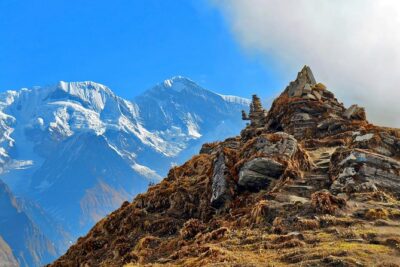
Browse the lists this tour appears in