
Reviewed · TEMPLE & STUPA TOURS
The Boudhanath Yoga Experience in Nepal
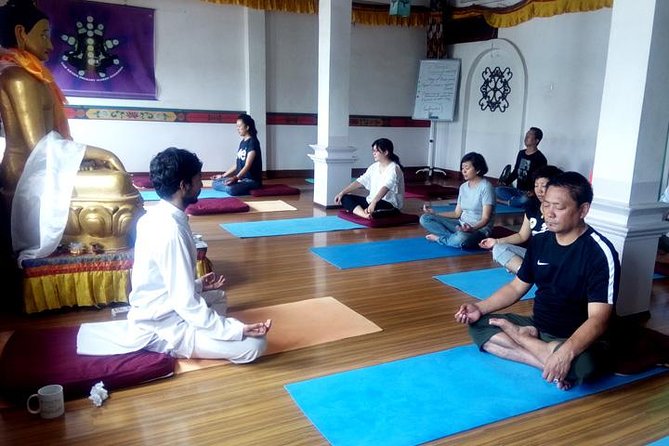
Yoga near the biggest stupa in town. This hands-on workshop mixes Boudhanath-style spiritual practice with practical instruction, so you learn postures and meditation steps in a calming space. I especially like the round-trip hotel transfers, which save you from figuring out timing and streets, and I also like how the class is taught move by move, with room for questions. One heads-up: food and drinks are not included, so you will want to plan a snack or hydration before and after.
You are looking at a half-day plan, starting at 9:00am, with about 4 hours total including transfers. The yoga block runs about 2.30 hours, and the group caps at 14 people, which keeps it personal enough to get guidance.
If you want yoga that feels connected to place, not just a workout, this is a strong match. You practice things like asanas, mudras, and pranayama, plus mind techniques like dharana and dhyana, right near Boudhanath Stupa in Boudha, Kathmandu.
In This Review
- Key points to know before you go
- Why Boudhanath Stupa makes this yoga feel different
- The 9:00am schedule and how the transfers work
- What you actually learn in the yoga class
- Asanas: postures with purpose
- Mudras: hand gestures for energy
- Pranayama: breathing that relaxes and purifies
- Dharana and Dhyana: training the mind
- The Eight-Fold Path, plus Seven Disciplines
- Practicing near the stupa, in a busy Kathmandu area
- The Boudhanath Stupa visit: what you’re seeing and why it matters
- Price and value: is $110 fair for 4 hours with transfers?
- Who this experience is best for
- Practical tips to make the day smoother
- Should you book this yoga workshop near Boudhanath?
- FAQ
- What time does the yoga experience start?
- How long is the yoga class and the full experience?
- Is hotel pickup and drop-off included?
- What’s included in the tour price?
- Are food and drinks included?
- How big is the group?
- Do I need to wear specific clothing?
- What is the cancellation policy?
Key points to know before you go
- Hotel pickup and drop-off by private vehicle, so you go door-to-door
- Small group size (max 14), which makes asking questions easier
- 2.30-hour guided yoga session with asanas, mudras, pranayama, dharana, and dhyana
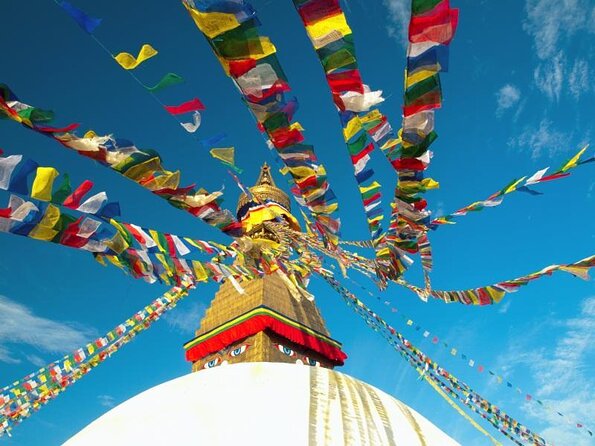
- Boudhanath Stupa included (you pay the entry fee as part of the experience)
- Loose clothing recommended, because you will move and breathe with intention
Why Boudhanath Stupa makes this yoga feel different
Boudhanath is one of those places in Kathmandu where the spiritual energy is obvious even if you do not follow every teaching. The stupa is the centerpiece, and it is tied to a thriving exiled Tibetan community. That matters for this experience because the yoga here is not presented as just stretches and breathing. It is framed as a holistic discipline rooted in Buddhist thinking.
The workshop also happens in the same general zone as the stupa, so the setting supports what you are learning. Instead of doing yoga in a generic studio, you are practicing near one of the world’s most famous Buddhist monuments. That link between physical practice and spiritual atmosphere is the whole point.
If you like your travel experiences to have a real sense of place, this delivers. You also get a chance to see the stupa itself from the outside as part of the day, rather than treating it as an optional extra you might skip.
More Temple & Stupa Tours in Kathmandu:
- Kathmandu Spiritual Sites: Bodhnath & Pashupatinath Tour
★ 5.0 · 185 reviews - Kathmandu: Chandragiri Cable Car and Monkey Temple Tour
★ 4.8 · 139 reviews - Monkey Temple – Swayambhunath Tour – Private/Small Group
★ 5.0 · 50 reviews
The 9:00am schedule and how the transfers work
This starts at 9:00am, and the total time is about 4 hours. The day is designed around not wasting your energy on logistics, which is a big deal in Kathmandu. You get round-trip transfers from your hotel by private vehicle. That means you spend your morning practicing and looking around, not negotiating routes.
Here is the practical flow to expect: you are picked up, then you head to Boudha for time around Boudhanath Stupa and the yoga space. The main 2.30-hour yoga class happens in that same area, which keeps the day focused. Afterward, you return to your hotel.
Two things I consider especially valuable about the transfers:
- You can arrive on time without stress, which helps when you are learning breathing techniques that require calm focus.
- You avoid getting stuck in city traffic at the wrong moment, which could throw off the pacing of a workshop-style class.
What you actually learn in the yoga class
This is a hands-on workshop that teaches yoga as a full system, not a single routine. The class breaks down several components, and you get instruction on how they connect.
Asanas: postures with purpose
Asanas are the proper posturing of the body. In practice, this means you will do guided movement designed to support stability and comfort. Expect the instructor to cue form and help you find a position that works. Loose clothing is recommended because you will want freedom to move without fighting your clothes.
More Yoga & Meditation in Kathmandu:
- 500 hours Advanced Yoga Teacher Training at Nepal Yoga Home (Every 1st of month)
★ 5.0 · 185 reviews - 200 Hours Yoga Teacher Training at Nepal Yoga Home (starts on 1st of everymonth)
★ 5.0 · 125 reviews - 3 night 4 Day Yoga & Ayurveda Retreat to Detox the Body & Mind, Nepal
★ 5.0 · 37 reviews - 21 days Himalayan yoga retreat in Nepal in Kathmandu
★ 5.0 · 28 reviews
Mudras: hand gestures for energy
Mudras are taught as proper hand gestures that increase the flow of energy. This can feel a bit unusual if you are used to yoga classes that focus only on movement and breath. Here, the instructor integrates the mudras into the session, so you are not just hearing about them. You are trying them.
Pranayama: breathing that relaxes and purifies
Pranayama is framed as breathing techniques that relax you and purify your body and energy. This is one of the reasons the workshop suits people who want something more than physical exercise. The breathing focus helps you slow down, and it gives your mind a task that is bigger than counting poses.
Dharana and Dhyana: training the mind
Dharana is presented as technique for controlling the mind for positive energy. Dhyana is divine meditation meant to liberate the mind. Even if meditation is not your main reason for traveling, the way these are described tells you the session aims for mental skill, not just relaxation.
One of the most praised aspects of this experience is how supportive the instruction feels in the moment. The class is explained move by move, and the atmosphere stays peaceful, even though the wider area is busy. If you get distracted easily, this step-by-step guidance style is the kind of structure that helps you stay with the practice.
The Eight-Fold Path, plus Seven Disciplines
The workshop also connects yoga practice to the Eight-Fold Path taught by Lord Buddha, and it discusses cultivating the Seven Disciplines. That framing gives the session a bigger context, the idea that yoga is a holistic approach to life. You are not only learning how to hold a pose. You are learning how practice aims to affect your mind and your daily energy.
Practicing near the stupa, in a busy Kathmandu area
Boudhanath is busy. Street activity is part of the reality. But the yoga experience is designed so the busyness does not take over your attention.
The class is described as peaceful, and that is not a small detail. When you are learning breathing and meditation techniques, distractions can mess with your focus. Here, you get an environment where the teaching stays clear and your attention stays on your own practice.
A practical tip if you are sensitive to noise: treat the sounds as background data. Keep returning to the breath and the instructor’s cues. The goal is not to silence the world. The goal is to keep your attention steady while you practice.
Also, ask questions if you have them. The tone of the teaching is welcoming, and you will have a chance to clarify how the moves and breathing are meant to work. That kind of interaction matters more than most people expect, because small corrections can change how comfortable and effective a posture feels.
The Boudhanath Stupa visit: what you’re seeing and why it matters
You do get to visit Boudhanath Stupa during the experience, and the entry fee is included. You also get that extra benefit of seeing the stupa from the yoga area, since the center is right across from it.
So you are not rushing through a photo stop. You are spending time with the stupa in a way that connects to what you are learning in class. The stupa is the world’s largest Buddhist stupa, and it is a major spiritual landmark. Even if you do not know every term, you can still feel why people treat it as a pilgrimage site.
What you should do while you are there:
- Take a few slow minutes to look before you start trying to interpret everything.
- Notice how the stupa functions as a focal point for the exiled Tibetan community nearby.
- Let your eyes rest, then come back to the practice mindset you are building in class.
Because the day ties this sighting to your yoga practice, it tends to land better than a quick check-the-box visit.
Price and value: is $110 fair for 4 hours with transfers?
At $110 per person, this is not the cheapest activity in Kathmandu. But the value is stronger than it first looks, because the price includes several things that add up quickly if you did them separately.
Here is what is bundled:
- Hotel pickup and drop-off by private vehicle
- Transport as part of the experience
- A highly qualified, trained yoga instructor
- The 2.30-hour yoga class
- Entry fee at Boudhanath Stupa
For me, the real value driver is the combination of instruction plus logistics plus admission. In many cities, you might pay for a class and still have to figure out how to reach the site, then pay admission separately. Here, that friction is handled for you.
Also, small-group format helps value. With a maximum of 14 people, the instructor has a better chance of helping individual needs, especially during breathing and meditation guidance.
One caution on value: food and drinks are not included. That means your total day spend might rise a bit depending on whether you need breakfast beforehand or a post-practice snack.
Who this experience is best for
This workshop is a good fit if you want yoga connected to a spiritual landmark, and you care about guided instruction. The teaching style aims to help you follow along, and the session includes both body work and mind training.
It is also a solid choice for people who like structure. The class covers a clear set of techniques: asanas, mudras, pranayama, dharana, and dhyana, with a Buddhist framework. If you have ever felt lost in a yoga class because you did not know what to focus on, this kind of approach can feel much more grounded.
Who might reconsider:
- If you want a full day of sightseeing and meals included, this is closer to a half-day rhythm.
- If you strongly prefer a workout-only yoga class with no meditation element, the description here includes meditation skills as a central part of the teaching.
Practical tips to make the day smoother
A few small things can make this experience feel effortless instead of rushed.
- Wear loose-fitting clothing. You will move and also hold positions where comfort matters.
- Start the day hydrated. Since food and drinks are not included, it is smart to plan a drink and maybe a light snack before you get picked up.
- Keep expectations realistic. This is about learning techniques and practicing, not just sightseeing.
- Use the quiet focus time. If your mind wanders, come back to breath and instructor cues. That is exactly what dharana and dhyana are trying to train.
Finally, book earlier rather than later. This experience is often reserved well ahead, with an average booking window of 113 days. If you are visiting during peak travel season, early booking gives you better chances of getting your spot.
Should you book this yoga workshop near Boudhanath?
I think you should book it if you want a meaningful half-day that blends guided yoga with a visit to one of Kathmandu’s most important religious sites. The combination of hotel pickup, a trained instructor, stupa entry included, and a full 2.30-hour teaching block is the kind of value that makes a short trip feel richer.
I would skip it if you need meals included, want only physical yoga with no meditation or mind training, or you simply do not want a religious site in your itinerary.
If you are curious about how yoga traditions connect body, breath, and attention, this is a practical way to try it in the right setting.
FAQ
What time does the yoga experience start?
The experience starts at 9:00am.
How long is the yoga class and the full experience?
The yoga class is about 2.30 hours, and the total experience time is approximately 4 hours including transfers.
Is hotel pickup and drop-off included?
Yes. The experience includes hotel pickup and drop-off, with transport by private vehicle.
What’s included in the tour price?
Included are hotel pickup and drop-off, private transport, a trained yoga instructor, the 2.30-hour yoga class, and entry fee at Boudhanath Stupa.
Are food and drinks included?
No. Food and drinks are not included.
How big is the group?
The experience has a maximum of 14 travelers.
Do I need to wear specific clothing?
Loose-fitting clothing is advised so you can move comfortably during practice.
What is the cancellation policy?
You can cancel for free up to 24 hours in advance of the experience start time for a full refund. Cancellation changes made less than 24 hours before the start time are not refundable.
Latest additions near Kathmandu
- White Water River Rafting – 1 Day★ 4.3 · 3 reviews
- Traditional Momo Making Class★ 5.0 · 10 reviews
- Kathmandu to Pokhara Premium sofa bus ticket★ 4.0 · 17 reviews
- Ghorepani Poon Hill Trek★ 5.0 · 16 reviews
- Amazing 1 Day Trekking Experience in Kathmandu Nepal★ 5.0 · 24 reviews
- Ghorepani Poonhill Trek★ 5.0 · 5 reviews
- Walking tour of real Kathmandu through back streets.★ 5.0 · 3 reviews
- Wildlife Adventure in Chitwan Nepal★ 4.0 · 4 reviews
Temple & Stupa Tours, compared.
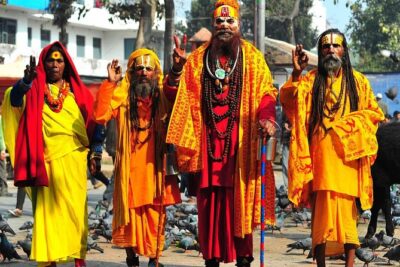
Kathmandu Spiritual Sites: Bodhnath & Pashupatinath Tour
Read our review →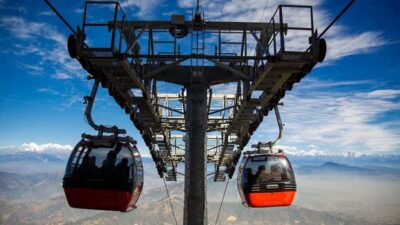
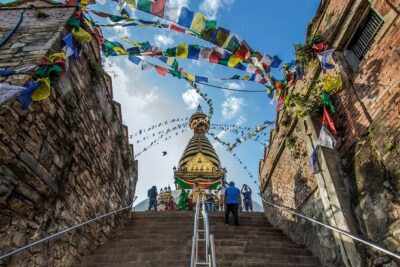
Monkey Temple – Swayambhunath Tour – Private/Small Group
Read our review →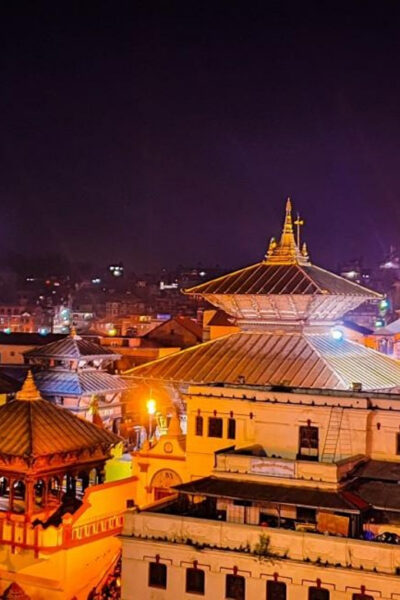
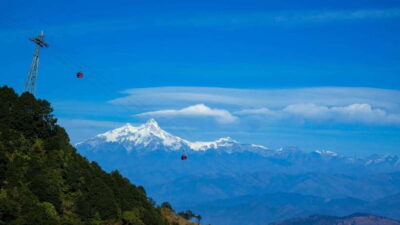
Chandragiri Cable Car & Monkey Temple Tour- Private/Group
Read our review →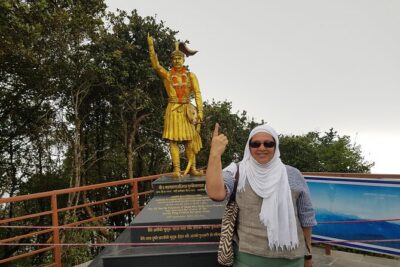
Private Chandragiri Cable Car and The Monkey Temple Tour
Read our review →
Pashupatinath Temple, Hindu Crematorium and Aarati in-depth Tour
Read our review →Browse the lists this tour appears in