
Reviewed · UNESCO HERITAGE TOURS
Nagarkot Sunrise With 7 UNESCO World Heritage Private Tour
Waking up for sunrise feels like work, then it pays off. You start at Nagarkot for Himalayan light, then spend the rest of the day on seven UNESCO World Heritage sites in Kathmandu Valley. I also love how the private setup keeps the pace flexible, and how the guide answers real questions. One thing to plan for: UNESCO entrance fees (about 6000 Nepali Rupee) and food are not included.
This route is a fast education in Nepal’s faith and everyday life. From monkey-filled hilltop viewpoints to huge Tibetan Buddhist stupa walls, you’ll see how people pray, gather, and honor tradition in very different ways. Santosh, one guide name you may encounter, is praised for passionate explanations about religions, rituals, and the rhythms of daily life.
Because it’s a 12-hour day with early hours, you’ll want to protect your energy. Wear comfortable shoes, and keep your layers ready for changing temperatures up on the ridge before sunrise.
In This Review
- Key things I’d watch for on this Nagarkot and 7 UNESCO tour
- Nagarkot sunrise at 2175m, and what makes it worth the early start
- Changunarayan and the Kathmandu Valley’s oldest temple vibe
- Bhaktapur Durbar Square and Patan Durbar Square: Newari craft and Malla-era temples
- Boudhanath Stupa and Swayambhunath Monkey Temple, two Buddhist viewpoints
- Kathmandu Durbar Square: Malla-era palaces, courtyards, and festivals
- Pashupatinath Temple on the Bagmati River, and how the ceremonies hit
- How the 12-hour flow works from Kathmandu, and what a private AC ride changes
- Price and value: what $172 gets you, plus the real extra costs
- Who this Nagarkot plus 7 UNESCO tour suits best
- Should you book it? My quick decision guide
- FAQ
- Where is the pickup location?
- How long is the tour?
- Is this tour private?
- Is the guide available in English?
- What is included in the price?
- Are UNESCO entrance fees included?
- Is food included?
- What do I get for the sunrise part?
- What is the cancellation policy?
Key things I’d watch for on this Nagarkot and 7 UNESCO tour
- Nagarkot 2175m sunrise: clear days can show big views of the Himalayas, sometimes even Everest
- Seven UNESCO stops, one tight route: Kathmandu Valley sites in a logical sequence, not random hopping
- Spiritual intensity at Pashupatinath: you’ll witness ceremonies tied to Hindu traditions at the Bagmati River
- Two major Buddhist anchors: Boudhanath Stupa and Swayambhunath Stupa give you a clear compare and contrast
- Durbar Squares that feel lived-in: Bhaktapur and Patan show architecture and temples tied to older Newari and Malla craftsmanship
- A private, English-speaking guide: better Q and A, plus a smoother rhythm than big groups
Nagarkot sunrise at 2175m, and what makes it worth the early start
Nagarkot is the classic hill station near Kathmandu for a reason. The big draw is the sunrise view from about 2175m, when the Himalayan range starts glowing and the day opens up over the valley. If the sky cooperates, you can even catch views toward Everest, which is the kind of detail that makes people pause and point, even after they’ve been traveling all day.
On this tour, the sunrise block is built in on purpose, not just a quick peek. You get around two hours in the Nagarkot area, so you can watch the light change, not just collect one postcard shot. That extra time matters because the quality of the view usually shifts fast, especially as clouds move in or out.
The practical reality: sunrise success depends on weather. You can do everything right and still get fog. Still, the way this tour is structured gives you enough time on-site to benefit when conditions are good.
And the best part for most people is the feeling of stepping out of the city rhythm. Kathmandu is busy, loud, and chaotic in a way that can overwhelm you. Nagarkot flips the tone. Early morning stillness helps you focus on what you came for: the Himalayas first, then culture after.
More UNESCO Heritage Tours in Kathmandu:
- Private Kathmandu Sightseeing Tour | UNESCO World Heritage sites
★ 5.0 · 756 reviews - Kathmandu: 7 UNESCO Sites with Lunch
★ 4.8 · 744 reviews - Kathmandu: Full Day 7 UNESCO Tour with Lunch – Private/Group
★ 5.0 · 415 reviews
Changunarayan and the Kathmandu Valley’s oldest temple vibe
Right after the sunrise, the day shifts into heritage mode. Changunarayan Temple is one of those stops that helps you understand the timeline of the Kathmandu Valley without needing a museum.
This temple is dedicated to Lord Vishnu and is described as the oldest Hindu temple in the valley, dating back to the 4th century. That age alone makes it feel different from the other places you’ll see today. When something is that old, you tend to notice the details more: the carvings, the way the structure sits on a hilltop, and the sense that generations have kept returning.
This stop also works as a reset after early morning. You’re still outside and walking, but it’s shorter and focused, about 30 minutes of sightseeing time. That makes it easier on you if you’re prone to museum fatigue.
If you like religion explained in plain language, this is a good moment to ask questions. The guide’s job is not just to point, but to explain why a temple like this matters to Hindu belief and local identity.
Bhaktapur Durbar Square and Patan Durbar Square: Newari craft and Malla-era temples
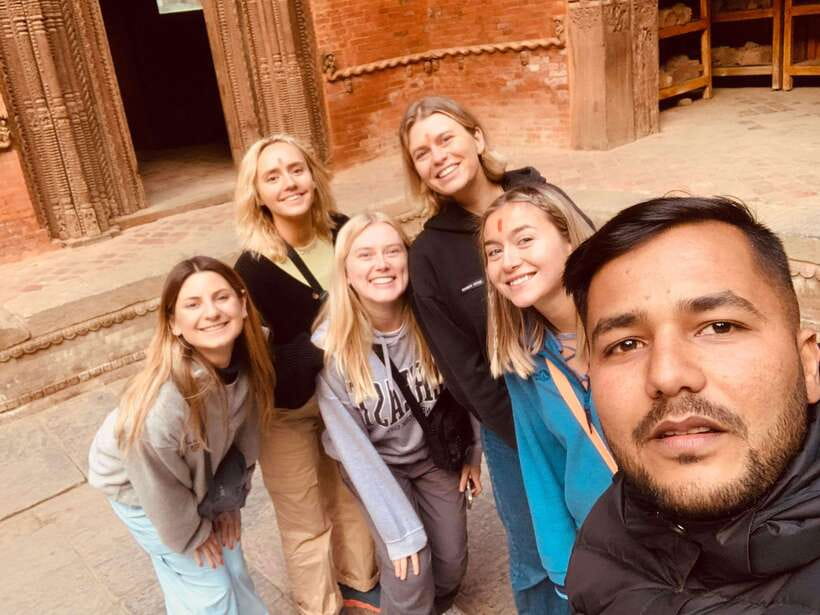
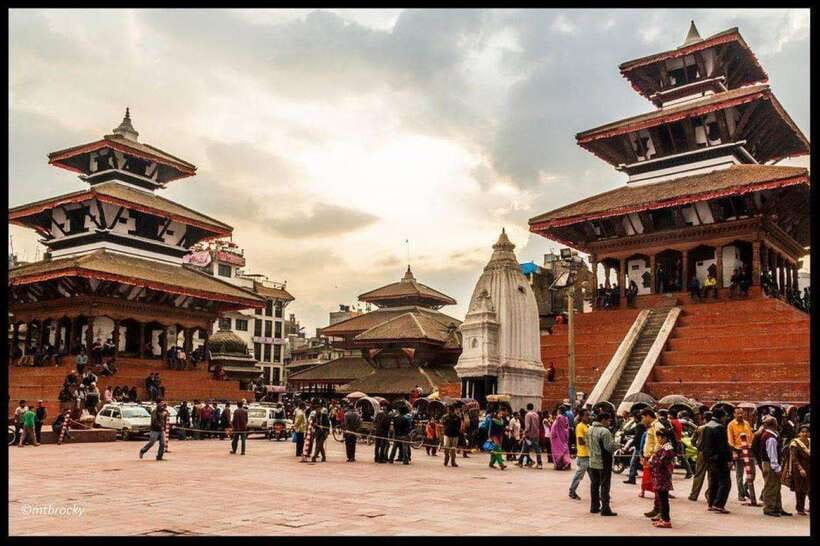
Next comes the pair of Durbar Squares, and this is where the tour gets its hands-on architecture learning. These aren’t just scenic ruins. They’re described as living museum areas of traditional art, architecture, and culture, and you can see that in how they’re still woven into local life.
Bhaktapur Durbar Square is known for signature landmarks, including the 55-Window Palace, Vatsala Temple, and Nyatapola Temple. The way these elements are listed matters because it hints at what you’ll likely care about on-site. You’ll want to spot the palace windows style, then look toward the temples for how the religious space is built into the square.
Patan Durbar Square, in Lalitpur, is a different mood. It’s famous for Newari architecture and palaces, plus many temples such as the revered Krishna Mandir. If Bhaktapur emphasizes palace and temple towers, Patan tends to feel more like a workshop of stone and craft. The tour gives you about one hour at Patan, which is enough to see the main anchors without dragging you through every alley.
Why this matters for you: Durbar Squares are one of the best ways to understand what “UNESCO heritage” means on the ground. It’s not just isolated monuments. It’s the way architecture and devotion live side by side in public spaces.
Also, the short time at each square is a blessing. A long day can make you lose detail. Here, the durations are tight enough to keep your attention.
A small caution: since you’ll move from Nagarkot to hill temples to two city squares in one day, you’ll want to pace yourself. Hydrate, and don’t try to sprint through every corner. The payoff is in the stops, not the speed.
Boudhanath Stupa and Swayambhunath Monkey Temple, two Buddhist viewpoints
This tour treats Buddhism seriously, not as a side dish. You get two major anchors, and they feel different in a useful way.
Boudhanath Stupa is described as one of the largest stupas in Nepal, with a massive mandala. It’s also a focal point of Tibetan Buddhism, surrounded by monasteries and vibrant Tibetan culture. For your brain, this is a clear chance to compare scale and atmosphere. Instead of just seeing one stupa and calling it a day, you’ll see how large-scale Buddhist architecture creates a center for daily life.
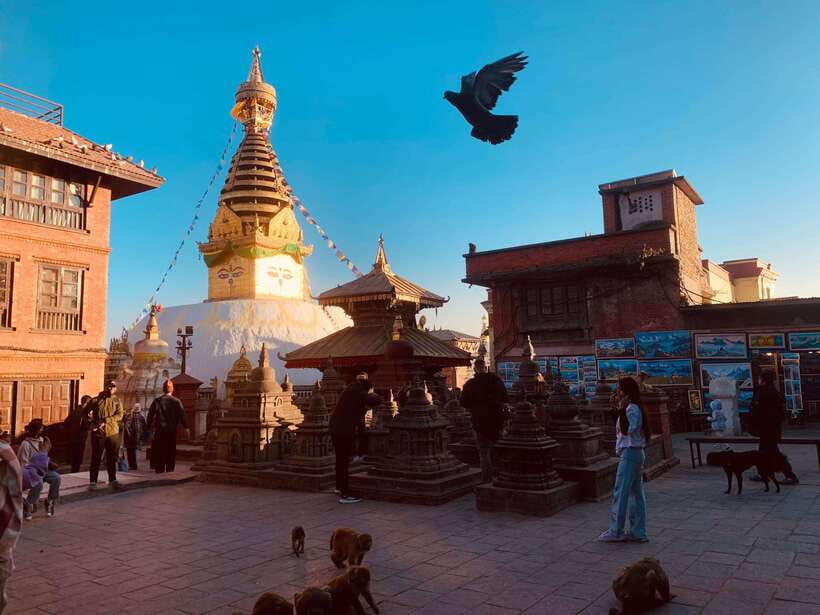
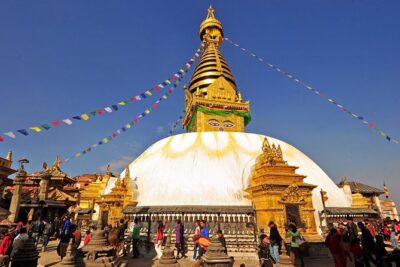
Then comes Swayambhunath, also known as Monkey Temple. This ancient complex sits atop a hill in the Kathmandu Valley and is revered in both Buddhism and Hinduism. It’s famous for prayer wheels and the monkeys living around the stupa area.
What I like about putting these two together is that you get a double lesson on how Buddhist sites operate in Nepal. One is big and panoramic, a district-like center. The other is hilltop, view-forward, and shared between belief traditions. You’ll feel that overlap when you’re walking the site and watching how people move through it.
The time here is short at each place, about one hour at Boudhanath and about 30 minutes at Swayambhunath. That’s intentional. You get the key sightlines and main features without turning your day into a slow crawl.
A respectful note: with Swayambhunath’s monkeys, keep your eyes up and follow your guide’s cues. Don’t antagonize animals, and keep your belongings secured. The monkeys are part of the place, but your comfort still matters.
More Nagarkot sunrise starts:
- Nagarkot Sunrise View and Day Hiking from Kathmandu
★ 5.0 · 471 reviews - Private Bhaktapur and Nagarkot Day Tour From Kathmandu
★ 5.0 · 305 reviews - Kathmandu: Nagarkot Sunrise View & Morning Hike with Lunch
★ 4.9 · 188 reviews - Kathmandu: Nagarkot Sunrise and Hike Tour to Changu Narayan
★ 4.7 · 151 reviews
Kathmandu Durbar Square: Malla-era palaces, courtyards, and festivals
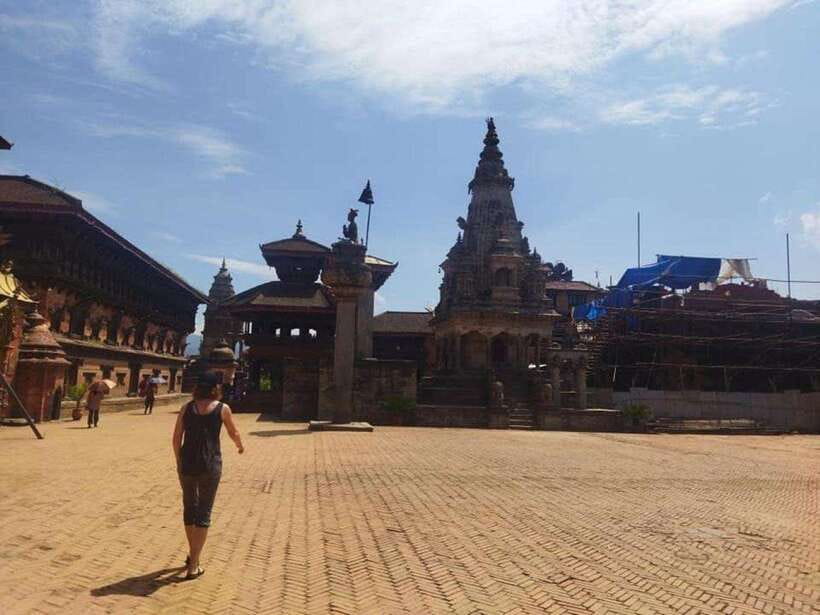
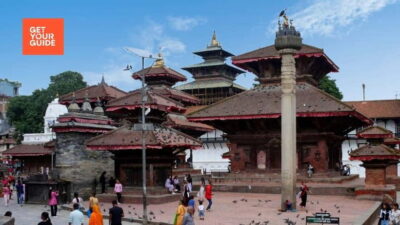
Kathmandu Durbar Square brings you back into the heart of the story. This historic plaza is described as once the royal palace of the Malla kings, and it hosts important religious and cultural festivals. Even if you’re only there for about an hour, it’s a strong stop because it connects power, religion, and public space.
I like this stop because it helps the other Durbar Square visits click into place. You see the theme of palaces and temples packed into one civic area again and again. UNESCO heritage stops stop feeling random. They start feeling like chapters in the same Kathmandu Valley book.
This is also a good place to ask your guide about what you’re seeing. When someone explains why courtyards and temples were arranged a certain way, you stop treating it as scenery and start treating it as design tied to belief and governance.
If you’re interested in local festival energy, this stop is where you might notice it more. The tour doesn’t promise you’ll be in the middle of a specific celebration, but the square’s role in festivals means it often has a different kind of atmosphere than a quiet monument.
Pashupatinath Temple on the Bagmati River, and how the ceremonies hit
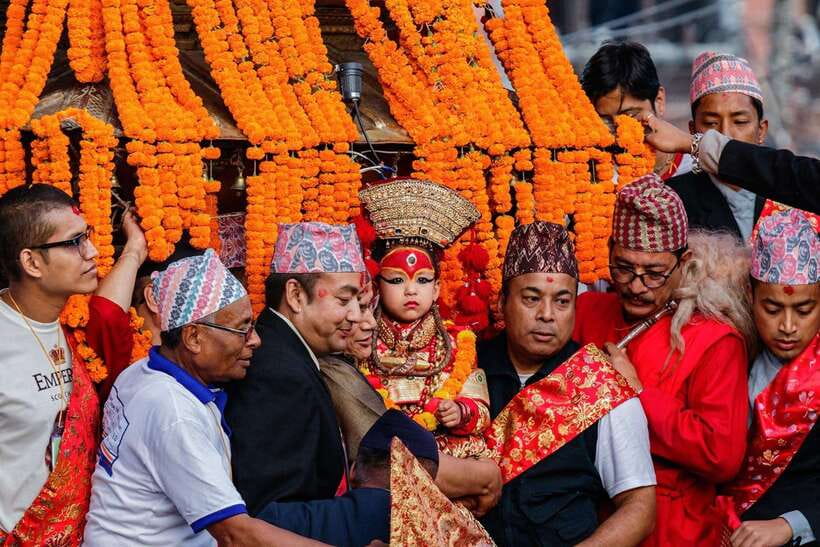
The most emotionally intense stop is Pashupatinath Temple. It’s a sacred Hindu temple complex dedicated to Lord Shiva on the banks of the Bagmati River, and it’s described as a major pilgrimage site.
What you should know is that the site is known for religious ceremonies, including traditional cremations along the riverbank. That’s not a throwaway line. It’s the kind of moment that can stay with you for weeks, because it’s both sacred and raw.
If you’re sensitive to death-related rituals, go in with awareness. You can still see the respect behind what’s happening, but you should prepare yourself mentally for the intensity. This tour gives you sightseeing time at the temple complex, so you’ll have room to observe and reflect rather than just passing by.
Why this stop belongs on the UNESCO-heavy route: it shows how heritage in Nepal is not only about old stones. It’s about living religious practice. Your guide can help you frame what you see in terms of Hindu tradition and Shiva devotion, rather than leaving you confused by what you’re witnessing.
Also, being in a private tour helps here. If you need a moment to step back or ask questions, the pace can be managed without holding up a huge group.
How the 12-hour flow works from Kathmandu, and what a private AC ride changes
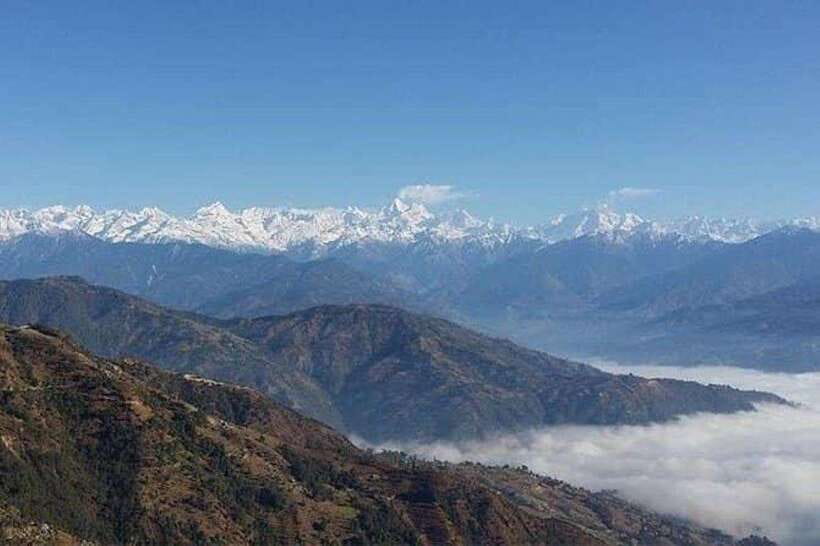
A lot of Nepal day tours fail at pacing. This one does better because it’s built around one big morning goal, Nagarkot sunrise, and then a structured heritage loop through the Kathmandu Valley.
You start with hotel pickup in Kathmandu Valley. You get a private vehicle with AC, plus a well English speaking tour guide and a bottle of mineral water. That may sound basic, but it matters. Kathmandu traffic can sap energy fast. A private car, timed for your route, reduces stress and keeps the day from turning into constant waiting.
The sequence also makes practical sense. Sunrise first. Then hilltop heritage, city squares, and major spiritual landmarks. By the time you reach the most intense stop, you’re already in the right “mindset mode,” having been guided through temples and religious heritage blocks.
The downside of any 12-hour schedule is simple: you will feel the day. The tour includes a lot of distinct environments, hill views, stone squares, stupa complexes, and riverbank ceremonies. The best strategy is to treat it like a series of short films, not one giant marathon. Stop, look, ask, move on.
If you’re traveling as a couple or small group, the private format gives you flexibility to move at a pace that fits you. If you hate rushing, that flexibility is a real value.
Price and value: what $172 gets you, plus the real extra costs
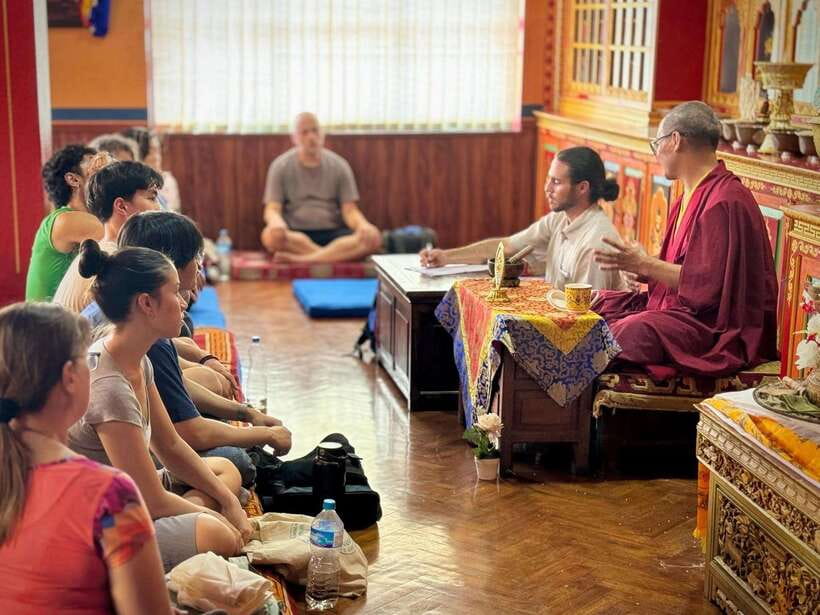
At $172 per person, this tour sits in the mid to higher range for Kathmandu area day trips. The value depends on what you’re comparing it to.
Here’s what you do get for that price:
- A private vehicle with AC
- Hotel pickup and drop off inside Kathmandu Valley
- An English-speaking tour guide
- Bottle of mineral water
The major additional costs are clear:
- UNESCO entrance fees, listed at about 6000 Nepali Rupee (not included)
- Food and drinks (not included)
So the real budgeting picture is: you’re paying for logistics, guide time, and private transport, then you pay separately for heritage entry and meals. If you plan to eat out anyway, the food part won’t feel like a surprise. The UNESCO fee is the piece that often catches people.
Still, I think the value works if you care about getting the right sites in one day without coordinating multiple taxis and timed tickets on your own. The private guide also helps you connect the dots between Hindu and Buddhist places, rather than just checking off names.
One more practical angle: sunrise tours often lose value when weather ruins the view, and that’s always a risk. The guide and schedule cannot control clouds. What they can do is give you time to make the most of the clear window if it arrives, and that’s built into this plan.
Who this Nagarkot plus 7 UNESCO tour suits best
This is a great fit for you if:
- You want a single-day plan that still covers a lot of top Kathmandu Valley heritage
- You care about religion and meaning, not just photos
- You prefer a private vehicle and English guidance over group chaos
- You’re okay with a long day that moves quickly from site to site
It’s also a smart choice if you’re short on time and want sunrise plus the big UNESCO hits in one package. Nagarkot sunrise alone is already a strong reason to go. Adding seven UNESCO World Heritage sites makes this feel efficient.
If you prefer slow travel, long café breaks, or you want to linger for hours at each monument, you might find the schedule intense. In that case, consider splitting your heritage exploration across more days. But if you want one focused push, this tour is built for that.
Should you book it? My quick decision guide
Book this tour if sunrise is on your Kathmandu to-do list and you want a guided route through the Kathmandu Valley’s UNESCO highlights in one day. The private AC ride, English-speaking guidance, and the sequence of major heritage sites makes the day feel coherent, not random.
Pass or look for an alternative if extra costs and long hours don’t work for you. Budget for UNESCO entrance fees and plan your meals on your own. And if you’re sensitive to ceremony-heavy sites, especially Pashupatinath’s cremations along the Bagmati River, go in with awareness.
If weather cooperates, you’ll get that Nagarkot morning glow, then a full day of temples, stupas, and historic squares that explain how Nepal’s faith shapes everyday space. That mix is exactly why this kind of tour can feel unforgettable, even when your feet are tired by the end.
FAQ
Where is the pickup location?
Pickup is from your hotel in Kathmandu Valley.
How long is the tour?
The duration is listed as 12 hours.
Is this tour private?
Yes, it is a private group.
Is the guide available in English?
Yes, the tour includes a well English speaking tour guide.
What is included in the price?
Included are the English speaking guide, private vehicle with AC, hotel pickup and drop off inside Kathmandu Valley, and a bottle of mineral water.
Are UNESCO entrance fees included?
No. UNESCO entrance fees are not included, and they are listed as around 6000 Nepali Rupee.
Is food included?
No. Food and drinks are not included.
What do I get for the sunrise part?
You will view sunrise at Nagarkot from about 2175m for around two hours.
What is the cancellation policy?
Free cancellation is available up to 24 hours in advance for a full refund.
More History Tours in Kathmandu
- UNESCO Seven World Heritage Tour in Kathmandu
★ 5.0 · 253 reviews - Nepal Discovery Tour: Heritage Sites & Scenic Hill Easy Hike
★ 5.0 · 121 reviews - Kathmandu Private Sightseeing Tour | UNESCO World Heritage Sites
★ 5.0 · 109 reviews - Kathmandu World Heritage Tour
★ 5.0 · 74 reviews
Latest additions near Kathmandu
- White Water River Rafting – 1 Day★ 4.3 · 3 reviews
- Traditional Momo Making Class★ 5.0 · 10 reviews
- Kathmandu to Pokhara Premium sofa bus ticket★ 4.0 · 17 reviews
- Ghorepani Poon Hill Trek★ 5.0 · 16 reviews
- Amazing 1 Day Trekking Experience in Kathmandu Nepal★ 5.0 · 24 reviews
- Ghorepani Poonhill Trek★ 5.0 · 5 reviews
- Walking tour of real Kathmandu through back streets.★ 5.0 · 3 reviews
- Wildlife Adventure in Chitwan Nepal★ 4.0 · 4 reviews
UNESCO Heritage Tours, compared.
Private Kathmandu Sightseeing Tour | UNESCO World Heritage sites
Read our review →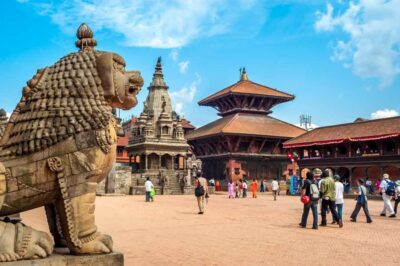
Full Day 7 UNESCO Tour with Lunch – Private/Group
Read our review →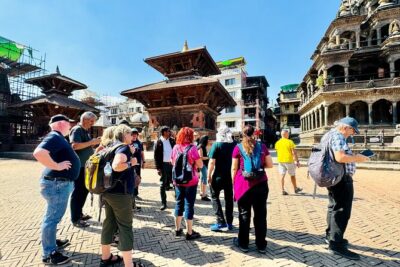
Full Day Top 4 UNESCO Tour with Lunch – Private/Group
Read our review →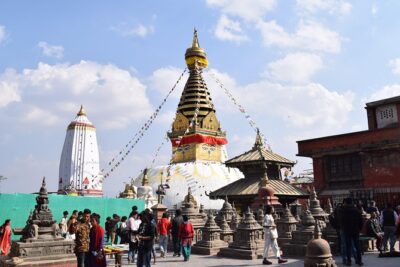
Kathmandu Private Sightseeing Tour | UNESCO World Heritage Sites
Read our review →Browse the lists this tour appears in