
Reviewed · UNESCO HERITAGE TOURS
Kathmandu UNESCO World Heritage Site Tour
A single day can still feel like a whole chapter of Nepal. This Kathmandu Valley UNESCO World Heritage Site Tour hits four of the most important spiritual landmarks in the valley, starting early and running with a tight, practical flow.
I like two things a lot: you get entrance fees for all 4 UNESCO sites handled, and you travel with a seasoned, licensed guide who speaks English or French. I also appreciate that it is private, so your pace is in your hands.
One consideration: this is a long day with several active temple areas, including hill paths and stairs, so you will want comfortable shoes and the stamina for a lot of walking.
In This Review
- Key Highlights to Know Before You Go
- Why This Four-Stop Kathmandu Valley Route Works in One Day
- 5:15 AM Start at Tribhuvan Airport: How the Day Gets Moving
- Pashupatinath Temple, Shiva Rituals by the Riverfront
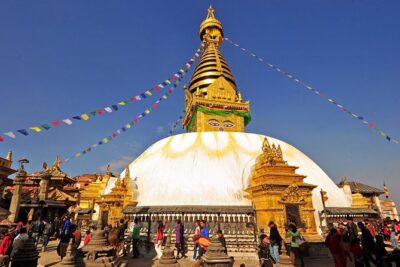
- Swayambhunath Stupa, the Monkey Temple on the Hill
- Patan Durbar Square and Patan Museum: Art, Shrines, and Bronze Objects
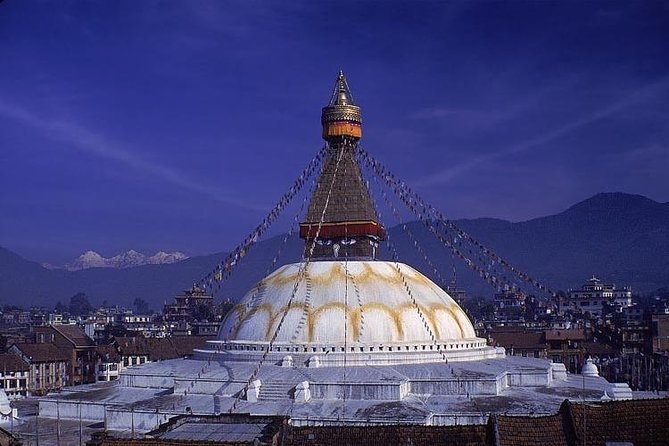
- Boudhanath Stupa, a 36-Meter Buddha Dominating the Skyline
- Dinner Included: What You Should Plan for Lunch and Energy
- Price and Value: Why $128 Can Feel Fair for This Day
- Who This Tour Fits Best (And Who Might Want Something Different)
- Should You Book This UNESCO Day Tour?
- FAQ
- What time does the tour start and where is the meeting point?
- Is pickup included?
- How long is the tour?
- What UNESCO sites are included?
- What is included in the price?
- What is not included?
- Is this tour private?
- Can I cancel for a full refund?
Key Highlights to Know Before You Go
- Four UNESCO stops, one efficient route: Pashupatinath, Swayambhunath, Patan Durbar Square, and Boudhanath
- Private vehicle plus government-licensed guide: you are not stuck with a random group pace
- Entrance fees and taxes included: fewer surprises at the gates
- Early start at 5:15 AM: you get moving before the day gets busy
- Dinner included, Nepali-style restaurant: plan for one full meal on the itinerary
- Mobile ticket and pickup offered: easier day-of logistics
Why This Four-Stop Kathmandu Valley Route Works in One Day
If you only have a day in Kathmandu, the biggest question is what to cut. This tour does not try to cram in everything, it concentrates on the places that explain how Kathmandu Valley blends Hindu and Buddhist life so visibly.
You will see that blend in the details. At Pashupatinath, the rituals and riverfront setting show a living Hindu tradition centered on Shiva. At Swayambhunath, Buddhist symbolism spreads across a hill full of shrines, with the stupa acting like a magnet for pilgrims. Patan adds another layer, because its Durbar Square and museum collections highlight artistry and religious objects from across time. Then Boudhanath shifts the mood again, with one of the largest Buddhist stupas in Nepal and massive stupa-scale presence.
What makes this route practical is that it builds a story. You start with a riverfront temple, move up to a hill stupa, shift to a historic square and museum in Patan, and finish with the wide, iconic view of Boudhanath.
More UNESCO Heritage Tours in Kathmandu:
- Private Kathmandu Sightseeing Tour | UNESCO World Heritage sites
★ 5.0 · 756 reviews - Kathmandu: 7 UNESCO Sites with Lunch
★ 4.8 · 744 reviews - Kathmandu: Full Day 7 UNESCO Tour with Lunch – Private/Group
★ 5.0 · 415 reviews
5:15 AM Start at Tribhuvan Airport: How the Day Gets Moving
You meet at Tribhuvan Airport, Kathmandu at 5:15 AM, and the tour begins with pickup offered. That early start matters more than it sounds. It gives you time to enjoy the sites with less rush than you would later, and it reduces the chance that your day collapses into a slow, hot slog between stops.
Transportation is handled with a private vehicle, which is a big quality-of-life upgrade. You are not negotiating shared taxis or trying to coordinate multiple rides while also managing museum tickets and shrine entry lines.
The itinerary can also be adjusted as per preference. That is especially useful for a day like this, because temple pacing differs person to person. One group might want extra time taking photos and reading details. Another might want quicker passes and more time to absorb the atmosphere.
Pashupatinath Temple, Shiva Rituals by the Riverfront
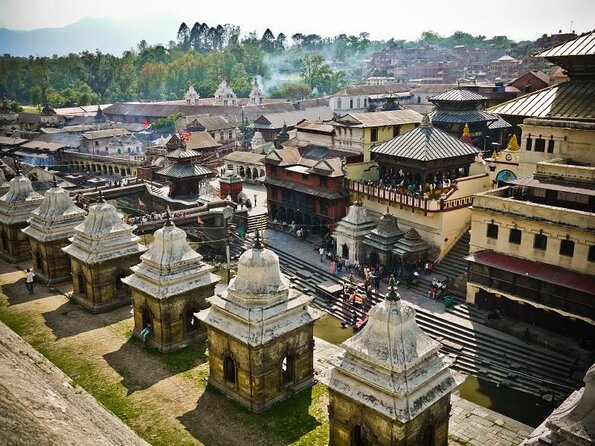
Pashupatinath is one of the most significant Hindu pilgrimage sites for devotees of Shiva. This tour brings you here first, which is smart because the temple’s religious gravity sets the tone for the rest of your day.
What I find valuable is that Pashupatinath is not just a pretty building. It is tied to ceremonies and daily devotion. The riverfront setting also matters. Even if you do not join any rituals, you can usually feel how the location shapes the practice, with worship linked to the flow of the Bagmati area.
At a site like this, your guide’s role becomes obvious. A licensed guide who can explain what you are seeing helps you avoid the common trap of treating everything as background scenery. The better the explanation, the more your photos make sense later, and the more you notice in real time.
Practical note: you will likely walk around active temple zones. Plan for respectful movement, and keep your pace steady.
Swayambhunath Stupa, the Monkey Temple on the Hill
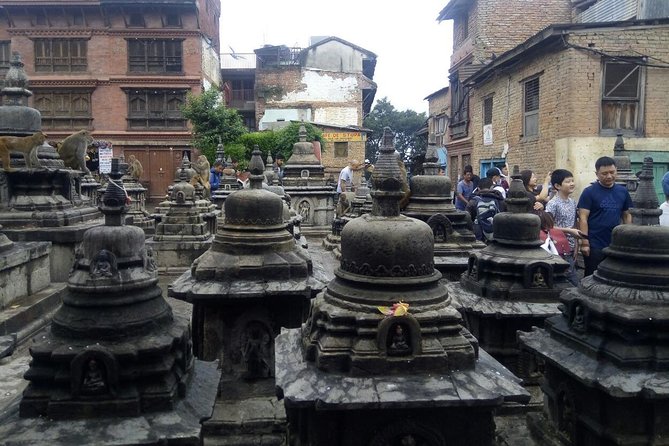
Next comes Swayambhunath Stupa, often called the Monkey Temple. It is a sacred stupa area known for being packed with shrines and monasteries, and the setting is a big part of the appeal. You are not just touring a single monument, you are moving through a hillside sacred complex.
One detail I really like in this stop is that the west side features Nepal’s largest image of Sakyamuni Buddha sitting on a high pedestal. That kind of scale changes how you experience the site. When you finally look up and see it, it gives you a clear focal point, not just a scatter of small shrines.
This stop also helps connect the dots between Hindu and Buddhist imagery in the valley. You will see the stupa filled with shrines and statues, with deities linked to both Hindu and Buddhist traditions. Even if you do not read every inscription, you start to understand why Kathmandu Valley is often described as a crossroad of faith expressions.
Because Swayambhunath is elevated, you should expect stairs and hill paths. If you are sensitive to steep walking, slow down and take breaks. You can still enjoy it without racing.
More History Tours in Kathmandu:
- UNESCO Seven World Heritage Tour in Kathmandu
★ 5.0 · 253 reviews - Nepal Discovery Tour: Heritage Sites & Scenic Hill Easy Hike
★ 5.0 · 121 reviews - Kathmandu Private Sightseeing Tour | UNESCO World Heritage Sites
★ 5.0 · 109 reviews - Kathmandu World Heritage Tour
★ 5.0 · 74 reviews
Patan Durbar Square and Patan Museum: Art, Shrines, and Bronze Objects
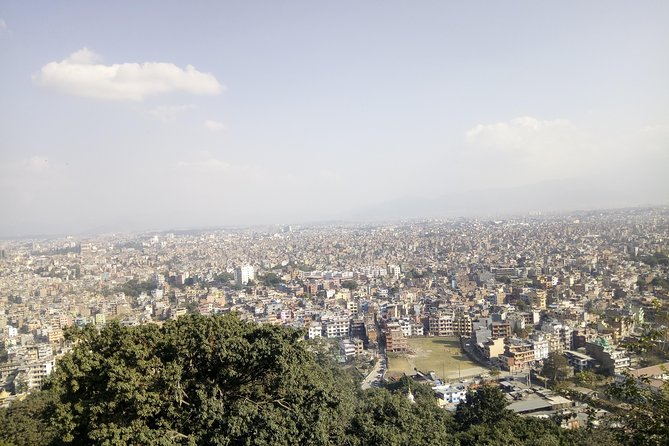
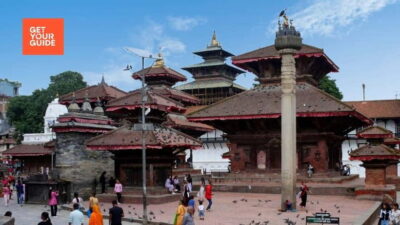
Patan is where the day gets more about architecture and objects. You visit Patan Durbar Square, then continue with time around the Patan Museum area, plus highlights such as the Krishna Temple and other monuments.
Patan Durbar Square is sophisticated in a different way from the stupa stops. Stupas spread meaning across a complex. Durbar Squares concentrate meaning in carved stone, courtyards, and temple forms. You feel that shift as soon as you arrive.
The Patan Museum is the reason this stop is more than a quick look. It is described as one of the best museums in Asia, and it houses many bronze statues and religious objects. If you like seeing how devotional art is crafted and preserved, you will get more out of this day by having museum context in the middle of your temple circuit.
This is also where your guide really earns their fee. A strong guide ties what you see in the square to what you understand inside the museum. You stop thinking in isolated checkmarks and start thinking in themes: how rulers, artisans, and religious communities shaped sacred space.
Note: museums add time. If your group energy is lower, you may want to focus on a few key galleries instead of trying to read everything.
Boudhanath Stupa, a 36-Meter Buddha Dominating the Skyline
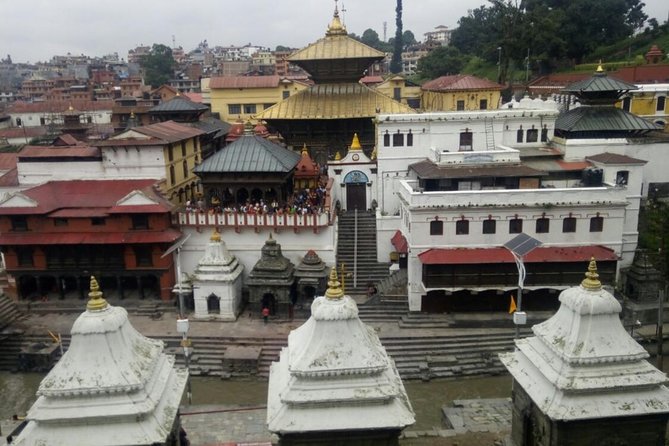
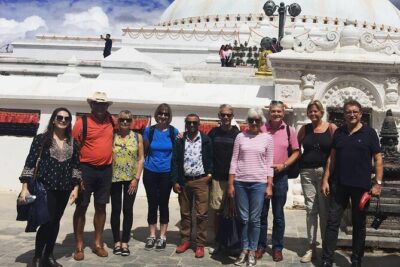
Then you head to Boudhanath Stupa, one of the most recognizable Buddhist monuments in Nepal. The tour focuses on the stupa’s scale, including a 36-meter-tall Buddha monument that dominates the skyline.
Boudhanath has deep religious importance and is often called the Great Stupa, with the sense that it functions like a spiritual center for pilgrims. The size alone changes the way you experience the area. Instead of moving from one doorway to the next, you tend to slow down and circle around the stupa. That circling is where people watch, think, and reset.
I also like that your guide explains the destination and what it means in a way you can actually use. Without context, a stupa is impressive but vague. With context, it becomes specific. You start noticing how the stupa communicates belief through design, placement of shrines, and the way people participate in the space.
Dinner Included: What You Should Plan for Lunch and Energy
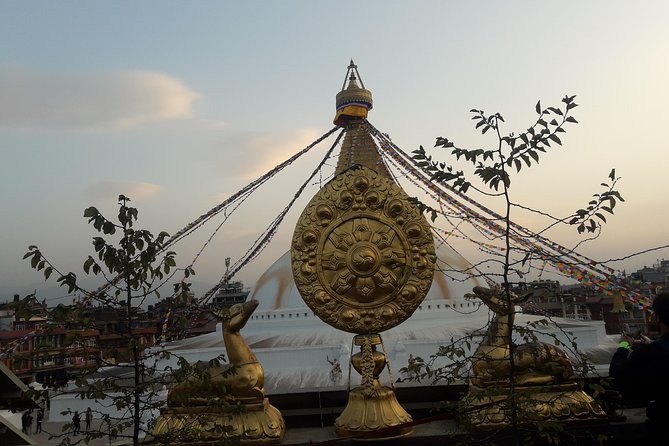
A real perk of this tour is that dinner is included at a Nepali cuisine restaurant. That matters because your day is scheduled tightly enough that guessing where to eat can waste time. By wrapping dinner into the package, the tour protects your evening more than many day tours do.
Lunch, beverages, and other snacks are not included. That means you need a sensible strategy. If you snack lightly during the day, you will enjoy temple time more. If you assume you can go without food until dinner, your energy might run out mid-route.
Also, you get a bottle of mineral water during the tour. Carrying a little extra water for your own comfort can be smart, but the included bottle covers the basics.
Price and Value: Why $128 Can Feel Fair for This Day
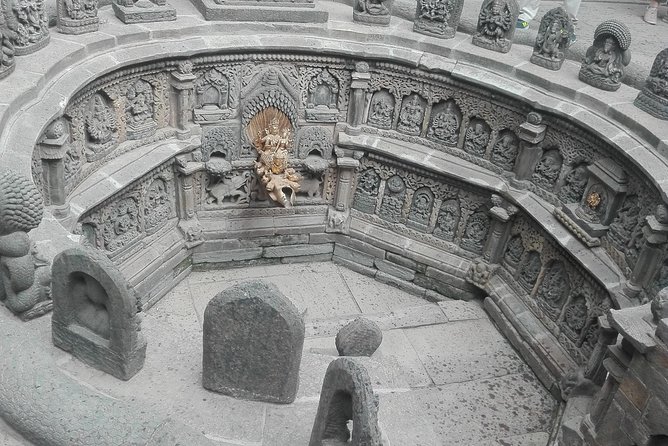
At $128.00 per person, you are paying for more than a sightseeing checklist. You are buying four major-site entrance fees, a licensed guide, a private vehicle, and dinner.
Here is how the value adds up in real life:
- Entrance fees for 4 UNESCO sites are included, so you are not stuck budgeting for gate costs on the day.
- A private vehicle reduces friction between distant stops around the valley.
- A guide who speaks English or French gives you context, not just directions.
- Dinner included means you are not scrambling for a last-minute meal plan.
The cost also makes sense if you are traveling with kids or older family members. The tour is described as suitable from children to busy adults and even delicate elderly. That does not mean it is effortless, but it signals that the operator expects a mixed range of visitors and can structure the day with that in mind.
Who This Tour Fits Best (And Who Might Want Something Different)
This is a strong match for you if:
- You want UNESCO highlights without spending multiple days planning and hopping between locations
- You prefer a private tour where your pace is respected
- You enjoy spiritual and cultural sites and want explanations you can actually follow
- You want a guide who can communicate clearly in English or French
It may be less ideal if:
- You hate early mornings or you struggle with lots of walking
- You want long, slow time at just one place, instead of a route with several stops
- You are looking for only “hands-off” sightseeing with minimal religious context
Should You Book This UNESCO Day Tour?
Yes, you should strongly consider it if your time in Kathmandu is limited and you want four UNESCO sites covered with minimal logistical stress. The schedule makes sense for a first-time visit because it moves from major Hindu significance to Buddhist stupa reverence to Patan’s art and museum context, then back to a huge Buddhist landmark.
I would book it if you value guided context and want a day that runs smoothly from pickup to dinner. Also, the private setup is a big deal, because it turns a checklist day into a day that feels coordinated.
But if you are highly sensitive to stairs and long walks, do it with realistic expectations. Bring good shoes, pace yourself, and plan for a tired evening. The payoff is that you will end the day with photos that connect to real meaning, not just random monuments.
FAQ
What time does the tour start and where is the meeting point?
The tour starts at 5:15 AM and the meeting point is Tribhuvan Airport, Kathmandu, Nepal.
Is pickup included?
Yes, pickup is offered.
How long is the tour?
The duration is about 1 day (approx.).
What UNESCO sites are included?
The tour covers Pashupatinath Temple, Swayambhunath Stupa, Patan Durbar Square, and Boudhanath Stupa.
What is included in the price?
Included are a private vehicle, a licensed guide (English or French), entrance fees and government taxes for the sites, dinner (Nepali cuisine), a bottle of mineral water, and a mobile ticket.
What is not included?
Tips for the guide and driver are not included, and lunch, beverages, and other snacks are not included.
Is this tour private?
Yes, it is a private tour/activity, and only your group will participate.
Can I cancel for a full refund?
Yes. You can cancel up to 24 hours in advance for a full refund. If you cancel less than 24 hours before the start time, the amount paid is not refunded.
Latest additions near Kathmandu
- White Water River Rafting – 1 Day★ 4.3 · 3 reviews
- Traditional Momo Making Class★ 5.0 · 10 reviews
- Kathmandu to Pokhara Premium sofa bus ticket★ 4.0 · 17 reviews
- Ghorepani Poon Hill Trek★ 5.0 · 16 reviews
- Amazing 1 Day Trekking Experience in Kathmandu Nepal★ 5.0 · 24 reviews
- Ghorepani Poonhill Trek★ 5.0 · 5 reviews
- Walking tour of real Kathmandu through back streets.★ 5.0 · 3 reviews
- Wildlife Adventure in Chitwan Nepal★ 4.0 · 4 reviews
UNESCO Heritage Tours, compared.
Private Kathmandu Sightseeing Tour | UNESCO World Heritage sites
Read our review →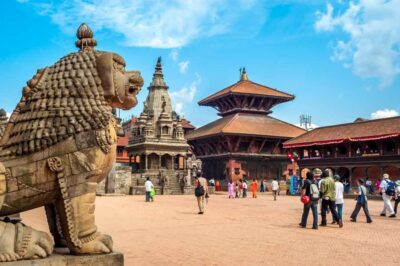
Full Day 7 UNESCO Tour with Lunch – Private/Group
Read our review →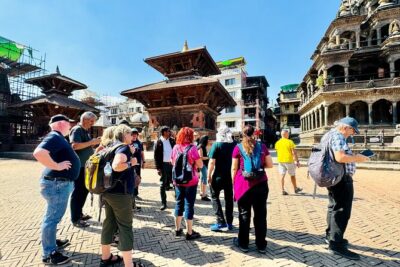
Full Day Top 4 UNESCO Tour with Lunch – Private/Group
Read our review →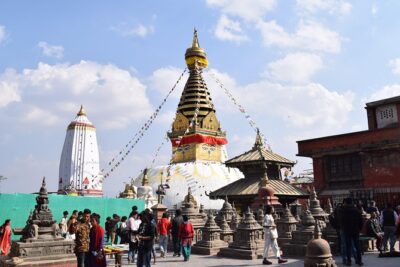
Kathmandu Private Sightseeing Tour | UNESCO World Heritage Sites
Read our review →Browse the lists this tour appears in