
Reviewed · CHITWAN TOURS
Kathmandu, Pokhara and Chitwan 8 Nights 9 Days Tour
Sacred sites and safari days, with great pacing. This 9-day Kathmandu, Pokhara and Chitwan route strings together UNESCO-listed temples and stupas with an easy, logical flow, plus a dawn viewpoint that makes you actually want to get up early.
I also love the practical setup. You get air-conditioned vehicle transfers, a professional guide, and an assistant guide when the group is big. One thing to plan for: monument entry fees are often not included, so budget extra for sites where the tour notes ticket charges.
In This Review
- Key highlights worth your attention
- A tour that links Kathmandu, Pokhara and Chitwan without chaos
- Day 1 in Kathmandu: arrive, settle, get your bearings
- Day 2 in Kathmandu: Swayambhunath to Boudhanath in one focused day
- Swayambhunath, the Monkey Temple, and the city view payoff
- Patan Durbar Square: red-brick courtyards and Malla-era details
- Golden Temple (Hiranya Varna Mahavihar): quiet detail and prayer culture
- Pashupatinath Temple: scale, shrines, and sadhus in motion
- Boudhanath Stupa: prayer flags, incense, and a slower kind of awe
- Day 3: Nagarkot for morning views, then Bhaktapur for stonework
- Nagarkot: why people chase the early drive
- Bhaktapur Durbar Square: ornate gates, carved pillars, and the 55-window palace area
- Nyatapola Temple: five tiers and step-by-step sculpture
- Dattatreya Temple: a single-tree belief and three-idol detail
- Day 4 and 5 in Chitwan: national park time with a wildlife-spotting mindset
- The drive into Chitwan sets the tone
- Full-day jungle excursion: manage expectations, still get value
- Day 6 in Pokhara: a calm arrival day in lakeside Nepal
- Day 7 in Pokhara: Sarangkot sunrise, Peace Temple, caves, and Phewa Lake
- Sarangkot sunrise: the classic mountain-view bet
- Peace Temple: a viewpoint with a calmer vibe
- Gupteswar Gupha and Devi’s Falls: caves and water in one loop
- Phewa Tal and Talbarahi Temple: lake time that resets your pace
- Day 8 back to Kathmandu: travel day, then a final night
- Day 9 departure: what to have ready before you go
- Price and value: what $890 covers, and what you should budget for
- Guides and organization that people remember
- Who this tour fits best
- Should you book this Kathmandu, Pokhara and Chitwan tour?
- FAQ
- What is the duration of the Kathmandu, Pokhara and Chitwan tour?
- How much does the tour cost per person?
- What areas does this tour cover?
- Is pickup included?
- Is the tour private?
- What meals are included?
- What is not included in the tour price?
- Are entrance fees included for all monuments?
- How and when do I receive confirmation?
- What is the cancellation policy?
Key highlights worth your attention
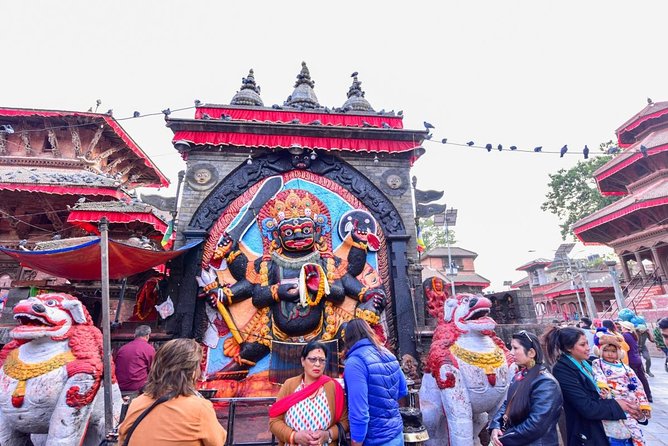
- Monkey Temple stair climb at Swayambhunath, with city views and roaming monkeys
- Patan Durbar Square and Bhaktapur Durbar Square for carved courtyards, temples, and square life
- Chitwan National Park jungle day(s) built around wildlife-spotting time
- Sarangkot sunrise in Pokhara for big mountain views when weather cooperates
- Pokhara by foot and boat time at Phewa Lake and Talbarahi Temple
A tour that links Kathmandu, Pokhara and Chitwan without chaos
This itinerary works because it groups Nepal’s “moods” into bite-size sections. Kathmandu is your culture and sacred-sites base. Pokhara is views and lakes. Chitwan is wild-time. You’ll move with a guided rhythm instead of hopping between random buses, and that matters on a first visit.
It’s also designed with logistics in mind. Pickup is offered, you travel in an air-conditioned vehicle, and you’re not responsible for juggling local taxes or paperwork documents. A trip completion certificate is included too, which is a nice touch if you like having something tangible at the end.
One more reason this feels easy: it’s private in the sense that only your group takes part. So you avoid the worst part of big-group tours, where you spend half the day waiting for the slowest person to find their camera.
More of Chitwan:
- 3-Day Chitwan National Park Jungle Safari Tour Package with Pick Up
★ 5.0 · 184 reviews - From Kathmandu/Pokhara: 3-Day All-Inclusive Chitwan Safari
★ 4.6 · 133 reviews - Kathmandu: 3-Day Chitwan Safari Tour with Hotel Transfers
★ 4.6 · 127 reviews
Day 1 in Kathmandu: arrive, settle, get your bearings
Day 1 is simple. You land in Kathmandu, get transferred to your hotel, and have your first night to recover and get oriented. That alone is a win, because Kathmandu can be intense on day one if you try to cram temples and markets immediately.
If you’re sensitive to jet lag or altitude stress, this soft start helps. Nepal’s days often begin early, and you’ll be glad you’re not starting with a full schedule the moment you arrive.
Day 2 in Kathmandu: Swayambhunath to Boudhanath in one focused day
This is the day for classic Kathmandu views and sacred landmarks. The plan is structured so you see the big hitters without feeling like you’re sprinting across town.
Swayambhunath, the Monkey Temple, and the city view payoff
Swayambhunath sits up on a hill, and yes, you climb stairs. The route includes around 365 steps, so think comfortable shoes and a slow pace. The payoff is worth it: you get a sweeping look at Kathmandu, plus temple details you can’t appreciate from street level.
On the way up you’ll find small shrines and souvenir stops, and monkeys do roam. That means you should keep your phone secure and avoid waving food around near them. At the top, you’ll also see the gold-plated Vajra and other stupa structures close by, which makes this stop more interesting than a single photo spot.
Another way to spend the time in Nepal:
- Everest Base Camp Trek – 14 Days
★ 5.0 · 1,499 reviews - Everest Base Camp Trek
★ 5.0 · 842 reviews - Private Kathmandu Sightseeing Tour | UNESCO World Heritage sites
★ 5.0 · 756 reviews - Kathmandu: 7 UNESCO Sites with Lunch
★ 4.8 · 744 reviews
Patan Durbar Square: red-brick courtyards and Malla-era details
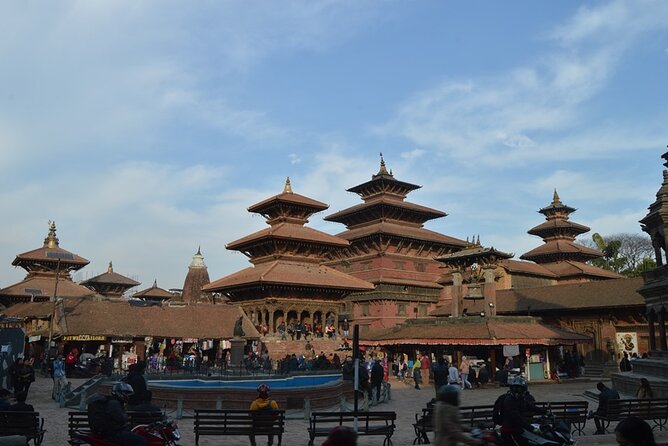
Next comes Patan Durbar Square in Lalitpur. This is the courtyard of the old Malla palace, and you’ll feel it in the layout. The square is layered with red-brick floors and split into courtyards, so your visit feels like moving through chapters rather than standing in one big crowd spot.
You’ll pass through areas like Sundari Chowk and Mul Chowk, then end up at the Keshav Narayan Chowk, where there’s a museum section. If you like stonework, you’ll enjoy the carved figures and architectural rhythm. It’s also a good place to notice Newari craftsmanship in a way that feels lived-in, not staged.
One practical note: the tour lists admission as not included for this stop, so you may pay separately depending on the day and ticket rules in place.
Golden Temple (Hiranya Varna Mahavihar): quiet detail and prayer culture
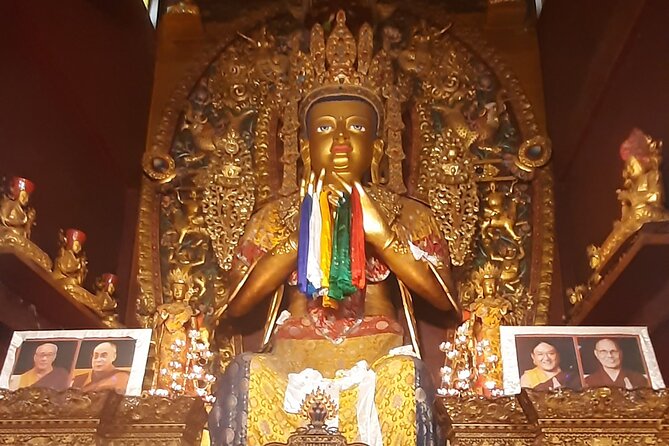
After Patan, you visit the Golden Temple area, also known as Hiranya Varna Mahavihar. The key draw here is the style: a pagoda-style structure with bronze statues and decorative silver and gold elements.
You’ll see a golden image of Lord Buddha plus a large prayer wheel. If you’re the type who likes watching how people use sacred spaces, this is a solid stop. It’s not just about the building, it’s about what happens inside the compound.
Admission is listed as not included, so again, plan for potential ticket costs.
Pashupatinath Temple: scale, shrines, and sadhus in motion
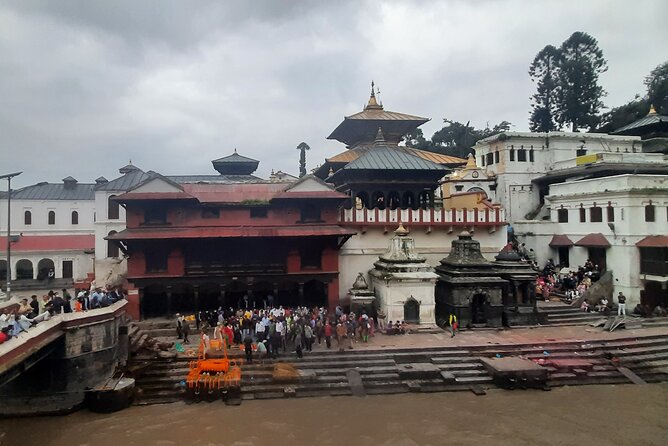
Pashupatinath is one of Nepal’s biggest temple complexes. You’ll see many shrines across the 0.64 hectare area, and the focus is Shiva, with other deities’ temples around it.
The central structure is pagoda fashion with detailed wood carvings and gold-covered roof stages. There’s also a famous bronze bull facing the entrance. And on the human side, you might see sadhus performing daily routines. That gives the site a strong sense of purpose.
This stop lists admission as not included, so treat it as a budget line.
Boudhanath Stupa: prayer flags, incense, and a slower kind of awe
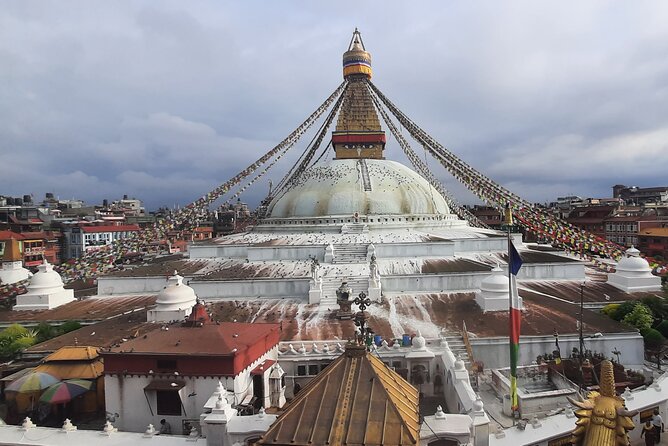
You end day 2 at Boudhanath Stupa, one of the biggest Buddhist pilgrimage places in Nepal. It’s a massive dome structure, about 36 meters tall, and it connects with dozens of smaller gompas around it.
What makes it memorable is the atmosphere. Prayer flags flutter from corners around the stupa, and the air often carries incense. If you arrive during prayer time, you’ll hear the chimes and see people moving with intent. Even if you don’t catch the exact timing, Boudhanath has a calm energy that contrasts nicely with the busier temple streets.
Like several other big sites, admission is listed as not included here.
Day 3: Nagarkot for morning views, then Bhaktapur for stonework
Day 3 is an efficient combo day: sunrise or early views first, then old-city architecture.
Nagarkot: why people chase the early drive
You go early to Nagarkot. The plan lists this as a free admission stop. The point is the viewpoint. On clear mornings, this area is known for mountain views, and even when clouds hang around, the light changes can still be pretty.
This is one of those days where the value depends on the weather. If you’re lucky, you get the classic panorama. If not, you still get a break from city density before you move to Bhaktapur.
Bhaktapur Durbar Square: ornate gates, carved pillars, and the 55-window palace area
Bhaktapur is often called the City of Devotees, and it lives up to that vibe. The Durbar Square visit focuses on Newari culture and older buildings that remain intact. You’ll see decorative gates, statues of historical kings, and major highlights like Nyatapola Temple in the same district.
You’ll also pass key places such as the palace-related area known for the 55-window palace. The tour notes food too, like local curd and regional snacks. That matters because Bhaktapur is more enjoyable when you taste as you go, not only when you photograph.
Admission is listed as not included for the durbar square section, so budget accordingly.
Nyatapola Temple: five tiers and step-by-step sculpture
Nyatapola Temple is a pagoda-style, five-level temple, and you climb up steps to reach the top platform. The structure is described as one of the tallest pagodas in the area, with sculpted figures on the sides of each step.
This is where Bhaktapur turns from “pretty old town” into “seriously impressive craftsmanship.” The climb is short, but take it slow. If you rush, you miss the details on both sides.
Admission is listed as free for this stop.
Dattatreya Temple: a single-tree belief and three-idol detail
You also stop at Dattatreya Temple in Dattatreya Square. The interesting detail is the belief it was built using a single tree stem. Instead of the typical three-headed statue expectation, you’ll see three idols of Brahma, Vishnu, and Shiva, positioned left, center, and right, with a big tree behind them.
It’s a small stop, but it’s the kind of place where you remember what you learned when you spot that tree theme elsewhere in Nepal.
Admission is listed as free.
Day 4 and 5 in Chitwan: national park time with a wildlife-spotting mindset
Chitwan is where this tour turns from culture sightseeing into adventure. You drive into Chitwan National Park for an overnight at a lodge or hotel, then you spend the next day on a full-day jungle excursion.
The drive into Chitwan sets the tone
The transfer time is long, around six hours. That’s why this stop feels like a reset. You leave city pace behind and start thinking in slower terms, like spotting movement and listening for animal calls.
Full-day jungle excursion: manage expectations, still get value
The next day is your main jungle block, listed as about six hours. Wildlife spotting is never guaranteed, but Chitwan’s value is in the process. You’re in a protected area with chances to see animals, and even when sightings are limited, you’re still experiencing the park setting.
This is also a chance to see Nepal’s conservation side rather than only its temple side. If you’re booking this, you want that mix. Just plan mentally for variability, bring a good layer or rain protection, and keep your phone battery ready.
The itinerary notes admission ticket as free for the park time, which suggests the excursion itself is handled as part of your package plan.
Day 6 in Pokhara: a calm arrival day in lakeside Nepal
After Chitwan, you drive to Pokhara in about five hours. Pokhara feels like the tour’s breath. You arrive and check in for the night at a lodge or hotel.
This is the day to do the small stuff: water, snacks, charging devices, and a quick walk to judge where you’ll stand for sunrise the next day. If you’re traveling with anyone who gets tired easily, Pokhara is where their energy often comes back.
Admission is listed as free for this transfer day because it’s mainly travel and settling.
Day 7 in Pokhara: Sarangkot sunrise, Peace Temple, caves, and Phewa Lake
This is the big Pokhara day, and it packs multiple viewpoints. Because it’s packed, timing matters. Start early and keep hydration in check.
Sarangkot sunrise: the classic mountain-view bet
You begin with an early sunrise tour at Sarangkot Hill near Pokhara. Admission is listed as not included. Sunrise tours can be hit or miss depending on cloud cover, but the reason to do it is simple: when the sky clears, the views can feel worth every early alarm.
The upside of starting early is that you also get cooler walking conditions for the rest of the day.
Peace Temple: a viewpoint with a calmer vibe
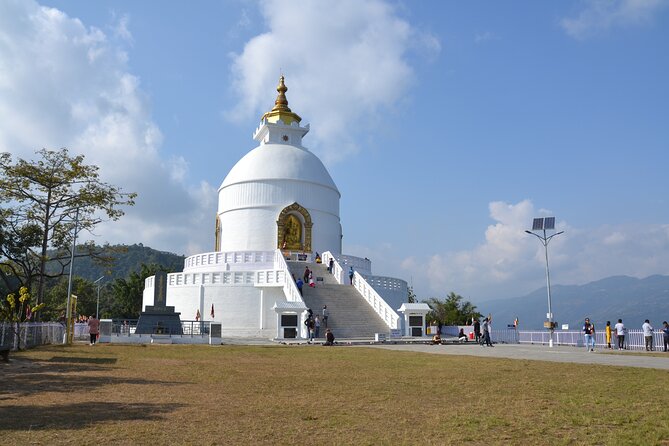
You visit the Peace Temple stupa on a hilltop. This stop is listed as not included for admission. The value is in the view and the quiet. It’s not just another photo corner, it’s a more contemplative break inside a day packed with movement.
Gupteswar Gupha and Devi’s Falls: caves and water in one loop
Next, you visit Gupteswar Gupha, a cave stop, plus Devi’s Fall area. Both are listed as not included for admission. If you like nature details, the cave stop can add variety, and Devi’s Fall gives you that Nepal water drama.
Bring footwear that can handle uneven surfaces, since cave and waterfall areas can get slippery.
Phewa Tal and Talbarahi Temple: lake time that resets your pace
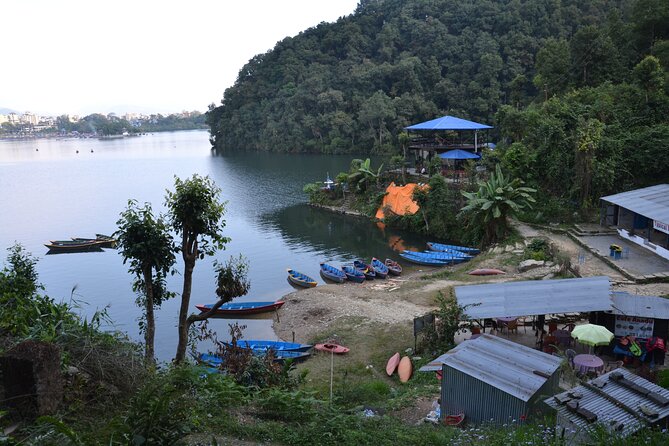
You finish at Phewa Lake. You’ll spend about an hour here, and the plan includes a visit to Talbarahi Temple in the middle of the lake.
Even if you don’t love temples, the lake setting is the point. You get open water views, a slower rhythm, and a chance to take in Pokhara’s atmosphere without constantly climbing.
Admission is listed as not included for this portion too.
Day 8 back to Kathmandu: travel day, then a final night
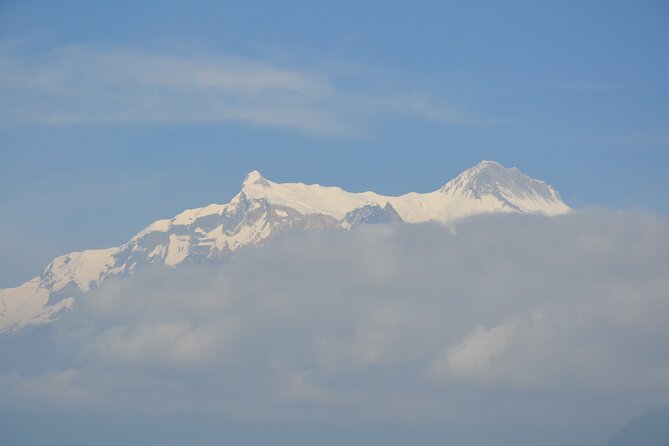
Day 8 is a drive back to Kathmandu, about five hours, with another overnight. This is a good day for logistics and recovery.
If you still want to buy a few things or you need to pack properly, do it on this day. Day 9 is departure, so you do not want to be scrambling.
Admission ticket is listed as free for the transfer day.
Day 9 departure: what to have ready before you go
Departure is day 9. The tour ends after your trip back to your destination.
If you’re saving souvenirs for the final hours, do it earlier, not at the last minute. Kathmandu traffic can mess with timing, and you’ll want an easy exit.
Price and value: what $890 covers, and what you should budget for
At $890 per person, this tour is positioned as an economy-friendly way to see three major regions. The best value comes from what’s included on the ground.
You get:
- Professional guide support for the route
- An assistant guide for groups over 10 pax
- Air-conditioned vehicle for transfers
- Government and local taxes
- Necessary documents
- Trip completion certificate
- Dinner included, plus breakfast listed for 9 days
- A mobile ticket
What you should budget for separately:
- Nepal visa
- Entry fees at monuments (many major sites in the plan show ticket charges as not included)
- Personal expenses like bar bills and laundry
For many first-time Nepal visitors, the big hidden cost is usually monument fees and visa paperwork. This package makes that easier by handling taxes, documentation, and transport. You’re basically paying for a guided route where your biggest job becomes enjoying the day.
Guides and organization that people remember
One of the strongest signals from the feedback I’ve gathered is how much the agency’s coordination shows up in real terms. Mahesh is named for being organized and responsive during planning and confirmation. On the guide side, names like Prakash Aryal and Nara come up for being excellent and knowledgeable about nature and monuments.
This matters because Kathmandu, Pokhara, and Chitwan all have different styles of visiting. A guide who can explain what you’re seeing and keep timing sensible makes the itinerary feel effortless instead of rushed.
Also, the package setup includes completion documents and a structured route. That reduces stress, especially if you’re trying to travel with friends or at a pace that isn’t ultra fast.
Who this tour fits best
This is a strong fit if you want:
- A guided loop of Kathmandu + Pokhara + Chitwan without planning every single day
- A culture-heavy start, followed by nature and views
- A mix of temples, stupas, Durbar Square architecture, and national park time
- Comfort on transfers via an air-conditioned vehicle
If you’re the type who loves only hiking and nothing else, this might feel a bit too temple-and-drive focused. If you want an all-adventure itinerary with long treks, you’ll likely want a different package. But if you want variety, this hits the sweet spot.
Should you book this Kathmandu, Pokhara and Chitwan tour?
I’d book it if you want an efficient first Nepal trip with the major experiences covered in a way that feels organized. The combination of UNESCO-style sacred sites in Kathmandu, old-city Newari architecture in Bhaktapur and Patan, sunrise viewing in Pokhara, and wildlife time in Chitwan is a smart mix.
Before you say yes, do two quick checks:
- Confirm your budget for monument entry fees and the Nepal visa, since those are explicitly not included.
- Decide if you’re ready for early starts, since Sarangkot sunrise and morning drives are part of the rhythm.
If those fit your travel style, this is the kind of package that keeps your days moving and your stress low.
FAQ
What is the duration of the Kathmandu, Pokhara and Chitwan tour?
The tour runs for about 9 days.
How much does the tour cost per person?
The price is $890.00 per person.
What areas does this tour cover?
It covers Kathmandu, Pokhara, and Chitwan in Nepal.
Is pickup included?
Pickup is offered.
Is the tour private?
Yes. It is listed as a private tour/activity, and only your group participates.
What meals are included?
Dinner is included, and breakfast is listed as included for the trip.
What is not included in the tour price?
The tour does not include the Nepal visa, entry fees for monuments, and personal expenses such as bar bills and laundry.
Are entrance fees included for all monuments?
No. Some stops list admission as free, while many major sights list admission as not included.
How and when do I receive confirmation?
Confirmation is received at the time of booking.
What is the cancellation policy?
Free cancellation is available up to 24 hours in advance for a full refund.
Latest additions near Kathmandu
- White Water River Rafting – 1 Day★ 4.3 · 3 reviews
- Traditional Momo Making Class★ 5.0 · 10 reviews
- Kathmandu to Pokhara Premium sofa bus ticket★ 4.0 · 17 reviews
- Ghorepani Poon Hill Trek★ 5.0 · 16 reviews
- Amazing 1 Day Trekking Experience in Kathmandu Nepal★ 5.0 · 24 reviews
- Ghorepani Poonhill Trek★ 5.0 · 5 reviews
- Walking tour of real Kathmandu through back streets.★ 5.0 · 3 reviews
- Wildlife Adventure in Chitwan Nepal★ 4.0 · 4 reviews
Chitwan Tours, compared.
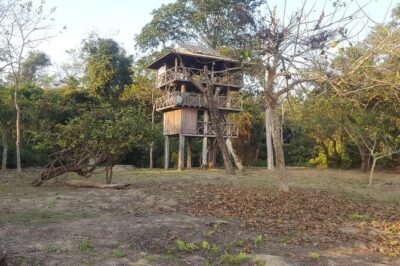
Jungle Towernight Stay In Chitwan National Park ,nepal-2 Nights 3 Days Package
Read our review →
3-Day Chitwan National Park Jungle Safari Tour Package with Pick Up
Read our review →
From Kathmandu/Pokhara: 3-Day All-Inclusive Chitwan Safari
Read our review →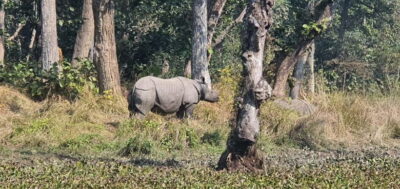
3-Day Chitwan Safari Tour with Hotel Transfers
Read our review →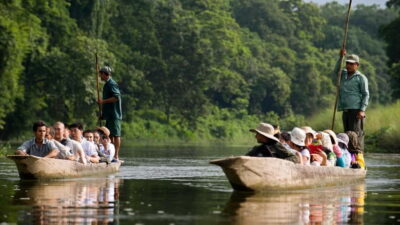
Kathmandu/Pokhara: 3 Day Chitwan Jungle Safari Tour
Read our review →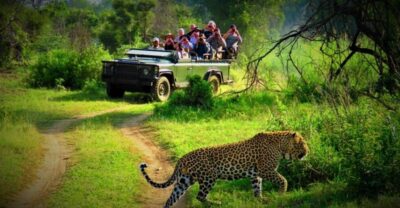
From Kathmandu/Pokhara: Private 3-Day Chitwan Safari Tour
Read our review →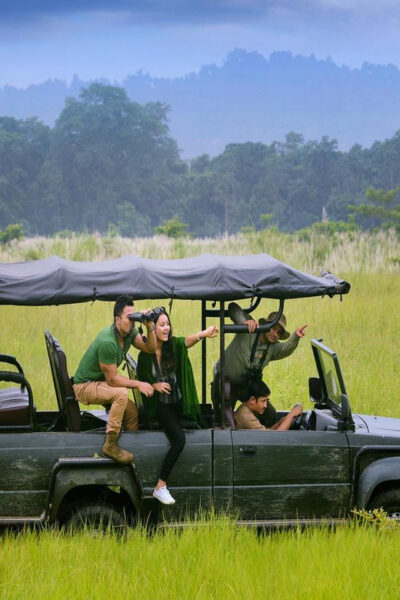
2 Days Chitwan Jungle Safari Tour from Pokhara/Kathmandu
Read our review →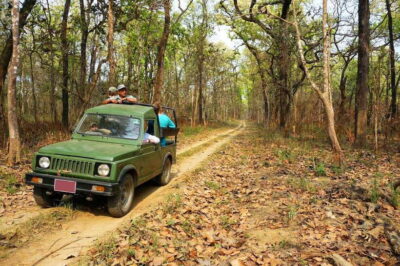
From Kathmandu/Pokhara: 2, 3, or 4-Day Chitwan Jungle Safari
Read our review →Browse the lists this tour appears in