
Reviewed · UNESCO HERITAGE TOURS
Kathmandu Heritage Tour – Private Full-Day UNESCO Sites & Temples
Kathmandu sacred sites, all in one day. I love how this tour turns a long list of names into a clear, walkable route through Kathmandu Valley UNESCO landmarks, with a private guide to explain what you are seeing. You also get hotel pickup and a vehicle, so you spend more time looking up at stupas and carvings instead of figuring out logistics.
The big bonus for first-timers is the mix of Hindu and Buddhist sights, including the living goddess at Kumari related spots. One thing to plan for: entrance fees are not included, and they can add up faster than you expect once you start paying at each stop.
In This Review
- Key takeaways before you go
- A one-day UNESCO sampler of Kathmandu Valley temples
- Price and value: what your $60 actually buys
- The smart pacing: 5 to 8 hours, private vehicle, and short stops that matter
- Stop 1: Swayambhunath Monkey Temple and the view that sets the tone
- Stop 2: Kathmandu Durbar Square, royal carvings, and the Kumari window
- Stop 3: Basantpur Dabali, a quick taste of older Hindu temple life
- Stop 4: Taleju Bhawani Temple, clan goddess ties to the Malla kings
- Stop 5: Kumari Chowk, what it means to worship a living goddess
- Stop 6: Hanuman Dhoka, where the monkey god theme is part of the square
- Stop 7 and 8: Pashupatinath Temple, Hindu sacred space and the Linga symbolism
- Stop 9: The crematoria, reverence instead of spectacle
- Stop 10: Boudhanath Stupa, four-eyed Buddha watching in all directions
- Extras you’ll likely appreciate: Garden of Dreams and easy Kathmandu wandering
- The guide is the real product
- Who this tour suits best
- Practical tips to make the day easier
- Should you book Kathmandu Heritage Tour?
Key takeaways before you go
- You get a real orientation: multiple UNESCO stops plus context so the day makes sense.
- Private guide, private pacing: you can linger for photos without feeling like cattle.
- Kumari and cremation context: you see major cultural practices, not just postcard views.
- The 2015 earthquake is part of the story: expect notes on damage to some sites.
- Budget for entry and lunch: tours price the guide and transport, but sites charge separately.
A one-day UNESCO sampler of Kathmandu Valley temples
If Kathmandu feels like a blur when you first arrive, this tour is built for that exact moment. You get a structured route across iconic sites that carry centuries of religious meaning, and your guide helps connect the dots so you are not just collecting buildings.
What I like most is the way the day includes the “why,” not only the “where.” At places like Swayambhunath, Kathmandu Durbar Square, and Pashupatinath, the guide frames the structures around belief and community, which changes how you look at the details. A couple of reviews also singled out guides who were especially patient and organized, including people such as Krishna A., Jamuna, Janina, and SuJan.
The other value is practical. You start with hotel pickup and use a private vehicle, and the day runs about 5 to 8 hours, which is a manageable chunk even when you are still adjusting to altitude and time.
More UNESCO Heritage Tours in Kathmandu:
- Private Kathmandu Sightseeing Tour | UNESCO World Heritage sites
★ 5.0 · 756 reviews - Kathmandu: 7 UNESCO Sites with Lunch
★ 4.8 · 744 reviews - Kathmandu: Full Day 7 UNESCO Tour with Lunch – Private/Group
★ 5.0 · 415 reviews
Price and value: what your $60 actually buys
The headline price is $60 per person, and that is for the core tour experience: private guide, private vehicle, and hotel pickup and drop-off. Entrance fees are at your expense, and that is where many budgets get surprised.
A few guides’ star ratings show up in reviews as “history explained well” and “day ran smoothly.” That matters, because in Kathmandu Valley traffic, having a guide who keeps things moving and readable saves time, nerves, and money on the fly.
Still, do not treat entrance fees as a tiny footnote. The tour itself is clear that you will pay at the sites, and one review specifically noted that entrance fees at multiple stops felt like an unexpected additional cost. Plan for it up front, and you will enjoy the day a lot more.
For meals, the tour notes that you should expect around $10 USD for lunch bought locally. That gives you a realistic dinner-and-drinks budget after the tour too.
The smart pacing: 5 to 8 hours, private vehicle, and short stops that matter
This is a full-day format, but it is not one long slog. Some stops are about an hour, while others are quick looks, like 10 to 15 minutes. That mix is useful if you only have one day and you want highlights without exhausting yourself.
Because it is a private tour, you are not forced into a “stay in the line, smile, move on” group rhythm. Reviews praised how guides handled pace for photos and questions, and that is exactly what you want at sites like Swayambhunath and Durbar Square where there are lots of angles.
One consideration is distance within the Kathmandu Valley and traffic. Even with a vehicle, you may get some time lost to city driving. The upside is that your guide is with you the entire time, helping you spend that time productively instead of just waiting.
Stop 1: Swayambhunath Monkey Temple and the view that sets the tone
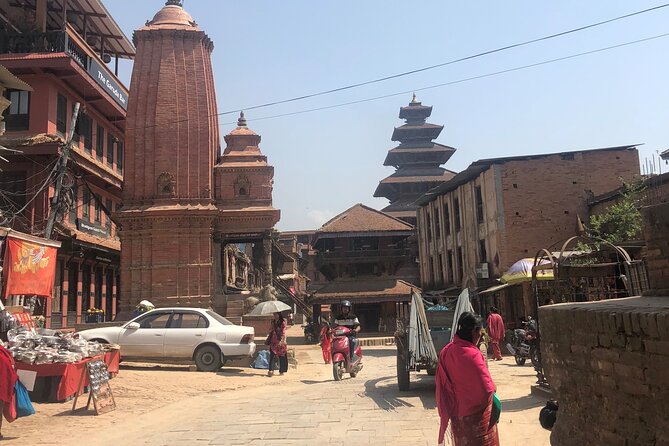
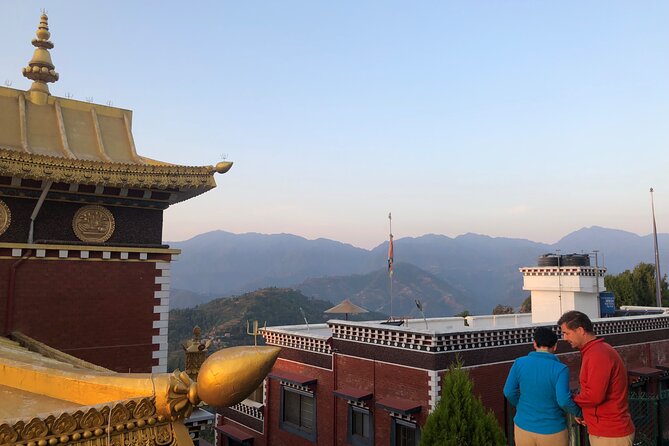
Swayambhunath is the hilltop introduction you need. Plan on about an hour here. You will get a panoramic peek at Kathmandu from the temple complex, which helps you understand the city’s layout fast.
This is also one of the main Buddhist sites in Nepal, with a history the tour describes as over 3,000 years. The architecture and icon details are the reason people come, but the view is what makes it click. Even if you are not a serious architecture fan, you will likely feel that moment of, okay, I see where I am now.
Tip: wear shoes you can walk in comfortably. The complex has uneven areas and lots of sightseers, so good footing helps you enjoy it instead of thinking about balance.
More History Tours in Kathmandu:
- UNESCO Seven World Heritage Tour in Kathmandu
★ 5.0 · 253 reviews - Nepal Discovery Tour: Heritage Sites & Scenic Hill Easy Hike
★ 5.0 · 121 reviews - Kathmandu Private Sightseeing Tour | UNESCO World Heritage Sites
★ 5.0 · 109 reviews - Kathmandu World Heritage Tour
★ 5.0 · 74 reviews
Stop 2: Kathmandu Durbar Square, royal carvings, and the Kumari window
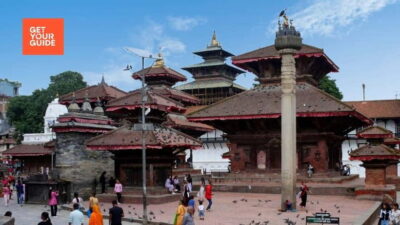
Next comes Kathmandu Durbar Square, around one hour. This is described as an ornate 16th-century royal residence, and the UNESCO value is the way the carvings, courtyards, and shrine spaces work together. It is not just one monument, it is a whole palace-world you move through.
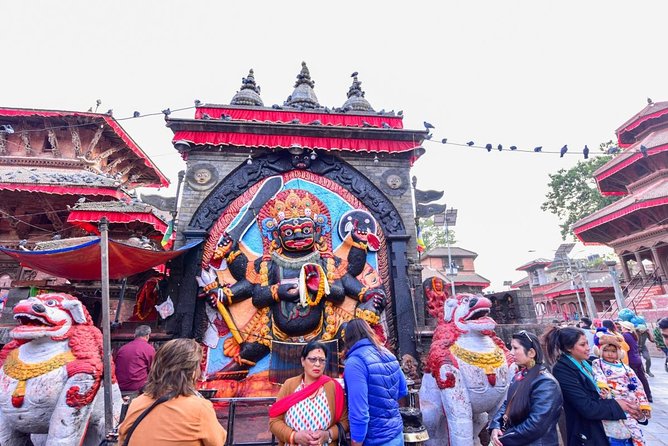
This is also where you hear about the Kumari, the living goddess. The tour experience includes a chance to see Kumari related moments at the palace area, and reviews mention the Kumari appearing at her window for a few seconds. That is the kind of detail you cannot manufacture. But your guide can explain what you are looking at and why it matters, which is half the reward.
One practical note: Durbar Square can get busy. If you want good photos, go slow, and be ready to reposition rather than forcing a single shot.
Stop 3: Basantpur Dabali, a quick taste of older Hindu temple life
Then you get a short stop, about 10 minutes, at Basantpur Dabali. This is described as a very old tourist center with a beautiful Hindu temple.
Because it is brief, treat it as a palate cleanser between the larger UNESCO pieces. You will see temple details up close and get a feel for the older street-level rhythm that surrounds the big-ticket sites.
Stop 4: Taleju Bhawani Temple, clan goddess ties to the Malla kings
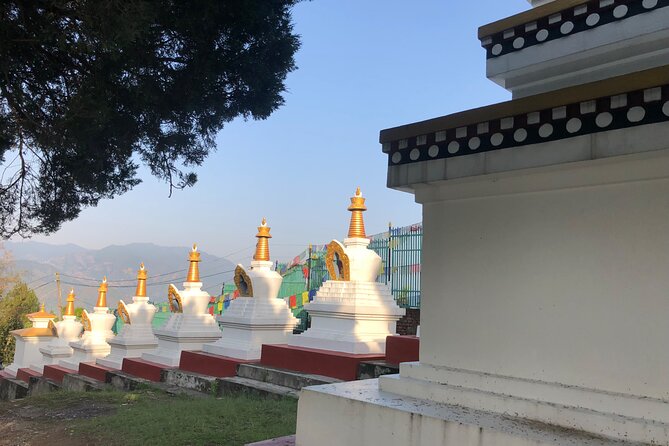
Another quick stop follows, about 10 minutes: Taleju Bhawani Temple. The tour information describes Taleju Bhawani as one of the most powerful goddesses and also the clan goddess of the Malla kings, who ruled Nepal from the 12th to the 18th century.
That timeframe is a big deal. It is the kind of historical layer your guide helps translate into plain language, so you are not just looking at stone and assuming what it means. Even a short visit works better when you understand the connection to the Malla kingdom and royal identity.
Stop 5: Kumari Chowk, what it means to worship a living goddess
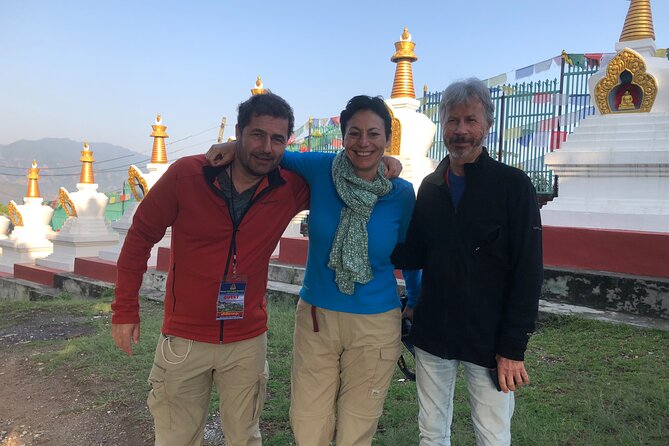
Kumari Chowk is another short stop, about 10 minutes, and it centers on the palace where a virgin girl is worshipped as Durga in human form. The tour notes that she can sometimes be glimpsed in her windows.
This is one of those cultural moments that can feel strange if you only know religion as something private. A good guide makes it understandable. They explain why the tradition exists, how the practice is seen by locals, and what outsiders should do when they are standing close to an active sacred space.
Tip: keep your voice down and move with respect. You are stepping into something that is alive for people, not a staged show.
Stop 6: Hanuman Dhoka, where the monkey god theme is part of the square
Next is Hanuman Dhoka, about 15 minutes. The tour describes real monkeys living in the square, built to honor Hanuman, the mischievous and courageous monkey god.
This stop is fun, but it is also a reminder that these sites are not museum exhibits. They are functioning places in a living city. If you are coming with kids or you simply love quirky details, this one tends to land well.
Stop 7 and 8: Pashupatinath Temple, Hindu sacred space and the Linga symbolism
Now you hit one of the most important stops of the day: Pashupatinath Temple, about one hour. The tour lists it as one of the most sacred Hindu shrines in the world, about 5 km east of the city center.
You will also return for additional time at Pashupatinath, again about one hour. That extra time is useful because you cannot really take in everything in a single quick walk. Pashupatinath is richly ornamented, and the tour description calls out the richly-ornamented pagoda housing the sacred Linga, a phallic symbol of Lord Shiva.
Even if you are not Hindu, this is a place where architecture and ritual meaning are tightly linked. Your guide’s job is to help you see what is going on and what people are honoring, so you understand the symbolism instead of just staring at the most photogenic angles.
Stop 9: The crematoria, reverence instead of spectacle
Then comes the crematoria area near Pashupatinath, about 30 minutes. The tour notes this as a place with constant action, and one review compared it to India in intensity but with more reverence and less hype.
This is an important stop, and it is also emotionally heavy for some visitors. The value is that you see how people care for and venerate their dead in a sacred setting. It is not a tourist show, and that is why the guide matters here too. When you understand that the rituals are meaningful to families and community, you tend to approach the space with more empathy.
A practical consideration: expect a different energy and be ready to handle your own comfort level. If you want to avoid intense sights, you might want to discuss the pacing with your guide ahead of time when you start the day.
Stop 10: Boudhanath Stupa, four-eyed Buddha watching in all directions
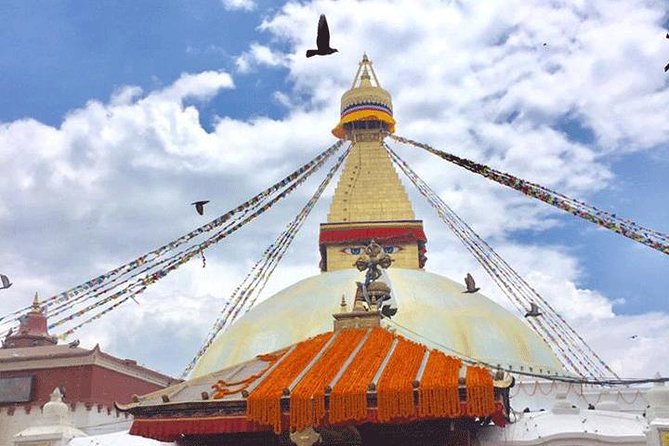
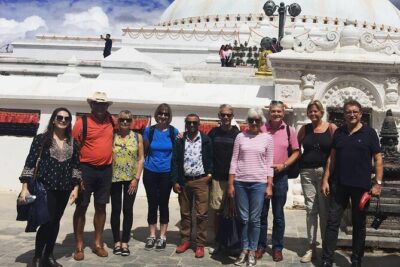
Finally, you get Boudhanath, about one hour. The tour describes it as a Buddhist stupa about 2,500 years old, built in the 5th century, with four pairs of eyes of Lord Buddha in four cardinal directions.
These stares are a big part of why people stop and look longer. It is not just “a big stupa,” it is a structure designed around watchfulness. And when you pair Boudhanath with the Hindu sites earlier, the contrast makes both traditions easier to understand.
Tip: walk the perimeter calmly, watch how people move, and let the guide explain what you are noticing. Small details like the eyes in different directions make you feel like you are seeing the structure the way worshippers do.
Extras you’ll likely appreciate: Garden of Dreams and easy Kathmandu wandering
Besides the major UNESCO pieces, you may also stop at the Garden of Dreams. The tour describes it as a neo classical historical garden in the middle of Kathmandu, with design similarities to formal European gardens and paved perimeter paths.
This part works as a breather. After temples and courtyards, it gives your feet a chance to reset. It also offers a different kind of Kathmandu atmosphere, quieter and more landscaped.
There is also mention of the main tourist area, which can help you get your bearings if you are continuing your trip on your own afterward. In a city like Kathmandu, having that quick orientation matters.
The guide is the real product
The strongest pattern across top ratings is not just that the sights are famous. It is the guide quality. Reviews highlighted guides who were fluent in English, patient with questions and photos, and good at judging pace.
Names that showed up in reviews include Krishna A., Jamuna, Janina, and SuJan, and the themes were consistent:
- clear explanations of meaning behind monuments
- gentle, accommodating behavior
- pacing that does not feel rushed
That matters because Kathmandu’s UNESCO sites can look similar at first glance: stone, statues, inscriptions, lots of people. A guide turns that confusion into comprehension.
Who this tour suits best
I think this tour is a great fit if:
- You are visiting Kathmandu for the first time and want your bearings fast
- You want both Buddhist and Hindu landmarks in one day
- You prefer learning with a guide rather than reading on your own
- You want hotel pickup and transport handled
It may be less ideal if:
- You are very tight on budget once entrance fees are added
- You dislike emotionally intense sights like crematoria
- You prefer a slower, less structured day with fewer stops
Practical tips to make the day easier
- Wear comfortable shoes for walking on uneven temple grounds.
- Bring water and consider sun protection, especially on hilltop and open areas.
- Expect entrance fees at sites and budget extra beyond the base price.
- If you have dietary needs, plan lunch options near places your guide can recommend, since food is not included.
- Keep your day flexible in your own mind. Even with a private vehicle, Kathmandu traffic can affect timing.
Should you book Kathmandu Heritage Tour?
Book it if you want a high-value, first-day orientation across Kathmandu Valley’s top UNESCO religious sites, with a private guide who helps you understand what you are seeing. The structure, hotel pickup, and focus on major landmarks make it a solid way to get your footing quickly.
Skip or reconsider if entrance fees would genuinely ruin your budget, or if you know you are not ready for a crematoria stop. In that case, you might get more comfort and less cost by choosing a smaller set of sites.
If you do book, go in with two expectations: plan for extra entry fees, and lean on your guide for context. That is where the day earns its strong ratings.
Latest additions near Kathmandu
- White Water River Rafting – 1 Day★ 4.3 · 3 reviews
- Traditional Momo Making Class★ 5.0 · 10 reviews
- Kathmandu to Pokhara Premium sofa bus ticket★ 4.0 · 17 reviews
- Ghorepani Poon Hill Trek★ 5.0 · 16 reviews
- Amazing 1 Day Trekking Experience in Kathmandu Nepal★ 5.0 · 24 reviews
- Ghorepani Poonhill Trek★ 5.0 · 5 reviews
- Walking tour of real Kathmandu through back streets.★ 5.0 · 3 reviews
- Wildlife Adventure in Chitwan Nepal★ 4.0 · 4 reviews
UNESCO Heritage Tours, compared.
Private Kathmandu Sightseeing Tour | UNESCO World Heritage sites
Read our review →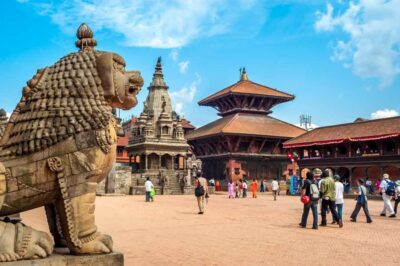
Full Day 7 UNESCO Tour with Lunch – Private/Group
Read our review →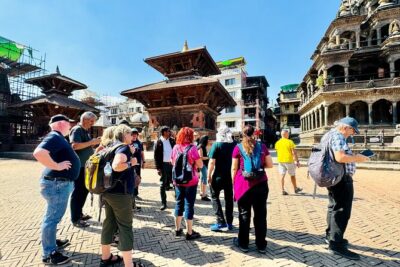
Full Day Top 4 UNESCO Tour with Lunch – Private/Group
Read our review →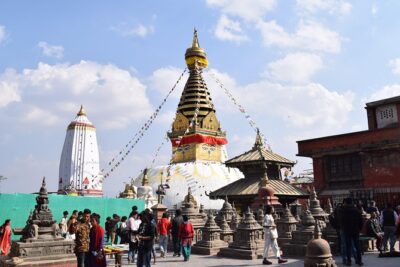
Kathmandu Private Sightseeing Tour | UNESCO World Heritage Sites
Read our review →Browse the lists this tour appears in