
Reviewed · FOOD
Kathmandu: Guided Delicious Food Tour with 12+ Tastings
Your appetite gets a guided workout. In Kathmandu, this small group setup with 12+ tastings turns an ordinary night out in Thamel into a short, focused crawl through Nepali flavors. You do not just sample, you learn as you eat.
I like how you get breathing room with a guide, not a packed cattle line. And my second favorite part is the variety, from steamy momo dumplings to the famous Bhaktapur juju dhau yogurt. One thing to consider: with so much food in 2.5 hours, you will want to come hungry, and you should be ready for strong spice and fermented flavors.
In This Review
- Key things to know before you eat
- Starting in Thamel, meeting near Hotel Marshyangdi
- The 2.5-hour game plan: 4-5 stops, heavy sampling
- The best part: what you actually get to taste
- Stop by stop: how the tastings flow and what to watch for
- Why the small group size changes everything
- The guides make it feel personal, especially Bibek
- Transportation, moving between stops without stress
- Drinks, fresh juice, and what is not included
- Price and value: why about $5 can still make sense
- Who this tour is best for
- Should you book this Kathmandu food tour?
- FAQ
- How long is the Kathmandu guided food tour?
- How much does the tour cost?
- What is the maximum group size?
- Where do I meet the guide?
- What kind of tasting foods will I try?
- Are drinks included?
- Is alcohol included?
- Do I return to the starting point?
- Is the tour offered in English?
Key things to know before you eat
- Up to 6 guests keeps the pace human and questions practical
- 12+ tastings gives you a real overview, not one or two repeat dishes
- 4-5 food stops in 2.5 hours means you sample widely without getting stuck in one place
- Nepali pickles and fresh juice are built into the plan, so flavors make sense together
- English foodie guides explain what you are tasting, including why dishes matter
- Pickup and return near Hotel Marshyangdi makes starting and ending easy in Thamel
Starting in Thamel, meeting near Hotel Marshyangdi
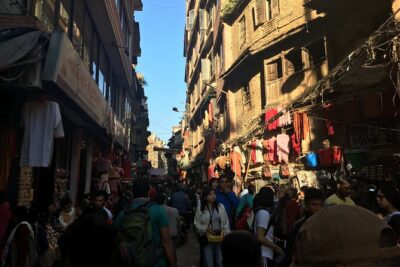
You meet your guide at the start point in Thamel, in front of Hotel Marshyangdi. This matters more than it sounds, because Kathmandu can be a little maze-y, and you do not want to waste snack time hunting for your group.
The tour also includes transportation, which helps on a food crawl like this. You are not just walking, you are moving between tasting spots in a way that keeps you on schedule and keeps the whole thing feeling relaxed.
More Food Tours in Kathmandu:
- Kathmandu: Food and Drink Walking Tour
★ 4.9 · 292 reviews - Kathmandu Food and Drink Walking Tour
★ 5.0 · 266 reviews - Kathmandu: Food and Drink Walking Tour
★ 4.9 · 119 reviews
The 2.5-hour game plan: 4-5 stops, heavy sampling
This is a short tour with a deliberate structure: 12+ tastings across 4-5 stops over 2.5 hours. That density is the whole point. You leave with a sense of the menu across Nepal, not just a highlight dish or two.
The timing also affects how you should prepare. If you go in already full, you will miss the best part, which is tasting small bites across different categories: dumplings, snack plates, fermented greens, sweet rings, crunchy lentil treats, and yogurt-based drinks. Think of it like a guided tasting menu, not a single restaurant meal.
You also finish by returning to the starting area near Hotel Marshyangdi, so you are not stranded across town with a stomach full of new favorites.
The best part: what you actually get to taste
This tour is built around variety, and it shows in the lineup. Here are the kinds of dishes you can expect to sample, based on what is included in the tasting set:
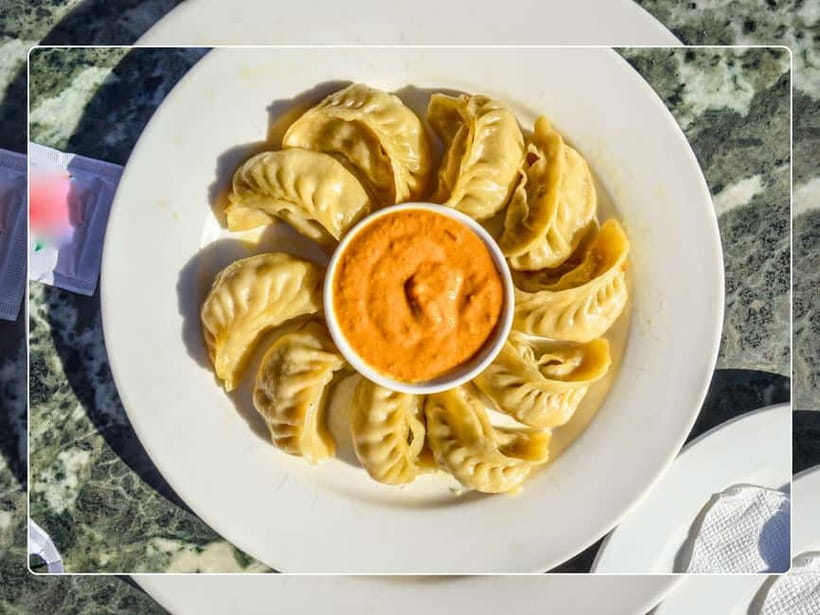
Momo with local pickles and regional flavors
Momo is the obvious draw, but the smarter draw is how it is paired. You get momos alongside local pickles, which is a big deal in Nepali eating. Pickles cut through richness, add tang, and keep each bite from tasting repetitive.
Khaja set style snacks
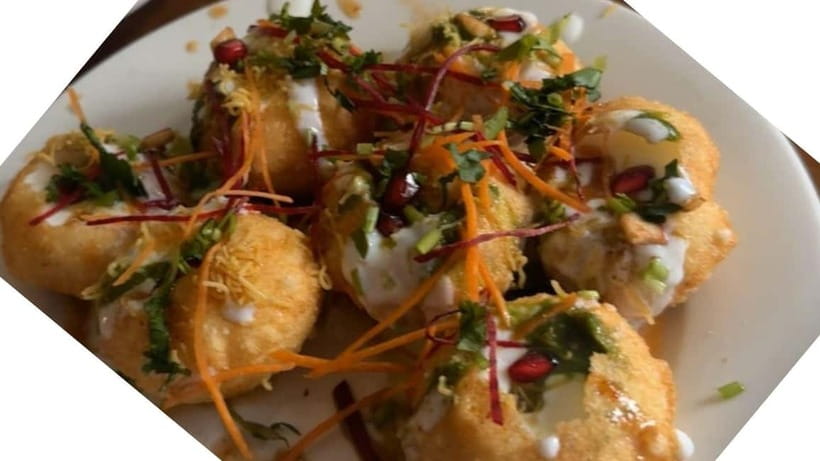
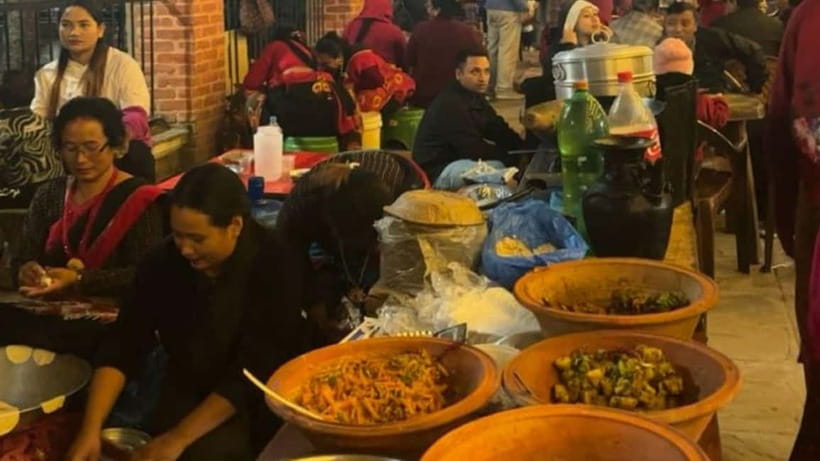
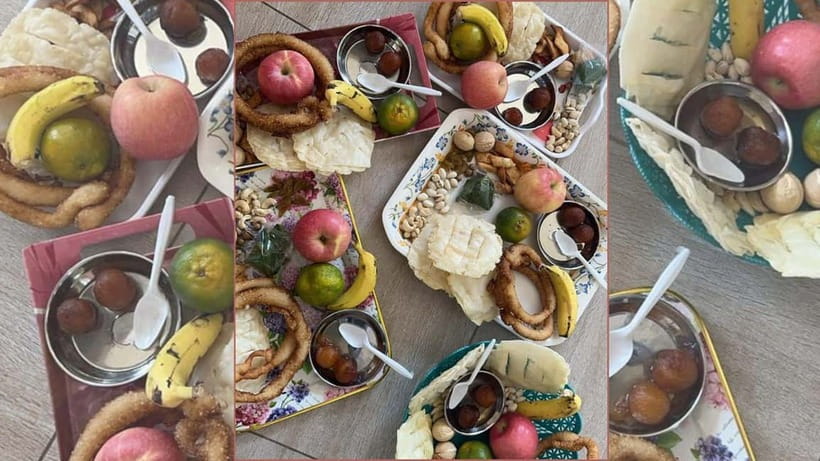
A Nepali khaja set is snack culture. You might see a mix that includes savory fried or griddled items plus something sweet or comforting. It is one of the easiest ways to understand how Nepalis graze through an evening rather than doing one big plated meal.
Bhaktapur juju dhau
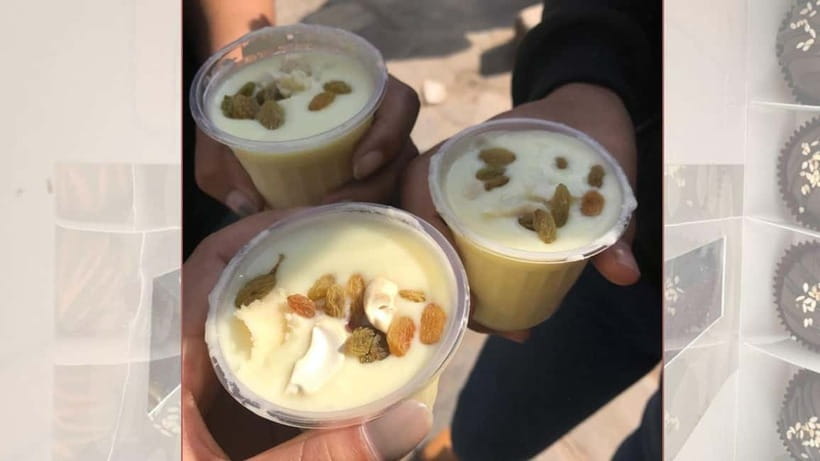
Bhaktapur juju dhau is yogurt that people talk about for a reason. During the tour, you get to experience it directly, and it often becomes a memorable anchor taste. If you like tangy dairy and thick, creamy textures, this is likely to land for you.
Gundruk sadeko, fermented and bold
You might also taste gundruk sadeko, which is made from fermented leafy greens. The flavor can be earthy, sour, and garlicky, and it is one of those foods that helps you understand Nepali preservation traditions. If you usually avoid fermented foods, start with a small bite and let your guide explain what you are smelling and tasting.
Chatamari and the Nepali pizza connection
Chatamari comes up in the tasting list, and you may hear it described as a Nepalese pizza. That comparison is helpful because it signals what it looks like and how it is eaten, but the flavor still stays distinctly Nepali.
Selroti and sweet comfort
Selroti is a sweet rice doughnut style snack. It tends to be comforting after salty bites, and it is a nice contrast when you have been tasting savory foods for an hour already.
Bara and other lentil-based snacks
You might try bara, a lentil-based item that gives you a crunchy or soft savory bite depending on how it is made. It is practical food, and it is also a good window into how lentils show up across Nepali home cooking and street food.
Lassi, tea, and dessert bites
You can expect lassi and fresh juice, plus tea in the mix. There are also dessert tastings mentioned, including barfi. This is not an afterthought. These drinks and sweets help reset your palate so the next savory stop tastes like something new.
Stop by stop: how the tastings flow and what to watch for
Because this is a compact food crawl, the flow matters. Even when the exact order can vary by day, the tour is essentially built to move you through a chain of Nepal’s major snack categories.
Stop 1: the warm-up meal at a local restaurant
You start with a local restaurant stop focused on street-style and regional tastings. This is where the tour often sets your baseline: how momo is made, how pickles are used, and what the spice level feels like in real eating, not just in theory. If you are sensitive to spice, this is a good moment to tell your guide what you want adjusted.
Stop 2: snack street energy, khaja-style variety
Next you are tasting in the snack mode. This is where khaja set items often show up and where you get to sample multiple small savory bites in quick succession. The upside here is variety. The tradeoff is that you may feel rushed if you try to take full meals’ worth of attention on every bite.
Stop 3: Bhaktapur flavors, juju dhau and signature sweets
This is where the tour’s standout identity shows up. Bhaktapur juju dhau is the star you should pay attention to, especially if you care about texture and tang. If you are comparing it to yogurt you know, do not force the comparison. Just note how it is served and how it tastes in the moment after savory bites.
You may also pick up a dessert or tea pairing here. That rhythm helps your palate stay curious instead of getting tired.
Stop 4: fermented and dumpling round, gundruk and momo again in context
A stop built around gundruk sadeko gives you the fermented flavor contrast. Then, if you have not already hit enough momo bites, this is often the time to deepen that taste experience with different pairings, especially pickles and sauces.
Fermented flavors can be polarizing. If you are unsure, ask your guide what makes it good and how locals traditionally eat it. That small context changes how you perceive the taste.
Stop 5: sweet finish, selroti, lassi, and barfi
You end with comfort. Selroti, lassi, and dessert elements like barfi show up as the final landing pad, so you do not walk away thinking only about spice or fermentation.
This last stretch is also where you can decide what you want to seek out later on your own, because you have a reference point now. You taste one version, you learn the vibe, and then you know what to order again if it clicks.
A few more Kathmandu routes to compare
- Kathmandu: Private City Guided Tour
★ 4.9 · 174 reviews - Full Day Guided Tour in Kathmandu
★ 5.0 · 61 reviews - Kathmandu Guided Tour
★ 5.0 · 59 reviews - 12 Day Everest Base Camp Guided Trek
★ 5.0 · 40 reviews
Why the small group size changes everything
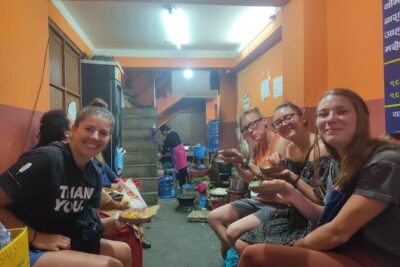
I really like small groups for food tours, and this one leans into that strength. With up to 6 guests, the guide can keep an eye on what you like, and you can ask questions without waiting for your turn.
That matters in Kathmandu, where food culture can move fast. You might get asked what spice level you prefer, or you might want to know what is fermented, what is sweet, and what is meant to be paired with pickles or drinks. In a tiny group, those moments actually happen.
The guides make it feel personal, especially Bibek
English is offered on the tour, and the guides sound like they care about teaching, not just feeding. One name that comes through clearly is Bibek. People describe him as patient and attentive, and he goes out of his way to explain what each dish is and how to think about it.
That is a big value add. If you know what you are tasting, you remember it. And you get better at ordering later, whether you are hunting for momo or trying to repeat the khaja snack feeling at a casual stall.
Transportation, moving between stops without stress
Food tours can turn into long walks, and long walks can turn your appetite into an exhausted thing. Here, transportation is included, so you spend more time tasting and less time timing streets.
It also helps with pacing. When your stop list includes very different foods, you want consistent timing so you are not waiting too long for the next taste, or rushing because your schedule fell behind.
Drinks, fresh juice, and what is not included
This tour includes local drinks and fresh juice and mentions tea. It also includes local Nepali pickles with the tastings, which is a smart pairing tool.
Alcohol is listed as not included, so if you expect beer or cocktails as part of the experience, plan on skipping it for this tour. The value here is food focus, and the drink plan supports tasting without turning the outing into a nightlife event.
Price and value: why about $5 can still make sense
At $5 per person, this tour is priced in a way that feels almost too good for the number of tastings and the time commitment. The real value is not just the price. It is what you get for it: a guide, multiple stops, transportation, and the kind of bite-sized sampling that would otherwise cost you time and decision fatigue.
Is it fancy? Not in the five-star way. But it is practical and efficient, and those are the kinds of tours that matter when you only have a limited number of evenings in Kathmandu.
You are also paying for education by tasting. Instead of guessing what to order on your own, you get a structured path through foods like momo, chatamari, selroti, bara, lassi, and juju dhau. That is how you avoid wasting money later on experiments that do not match what you actually like.
Who this tour is best for
This is a strong fit if you:
- want an easy entry point into Nepali street food and regional snacks
- like learning how foods are paired, especially with pickles
- prefer small groups over big, rushed tours
- only have a couple hours and want a lot of variety
You might reconsider if you:
- get easily overwhelmed by eating a lot in a short window
- strongly dislike fermented flavors like gundruk
- want an alcohol-centered experience
Should you book this Kathmandu food tour?
Yes, if you want a fast, guided taste of Kathmandu that is heavy on variety and light on logistics. The 12+ tastings across multiple stops, plus the small group limit, make it a smart way to orient your taste buds. And if the idea of momo, chatamari, selroti, bara, and Bhaktapur juju dhau excites you, this is a straightforward way to test-drive them without overcommitting to one restaurant meal.
If you are sensitive to spice or fermented flavors, you can still go. Just be honest with your guide early, start with smaller bites, and let the tour pace work for you.
FAQ
How long is the Kathmandu guided food tour?
The tour lasts 2.5 hours.
How much does the tour cost?
The price is $5 per person.
What is the maximum group size?
The group is limited to a maximum of 6 guests.
Where do I meet the guide?
You meet at the start point in front of Hotel Marshyangdi in Thamel.
What kind of tasting foods will I try?
You can expect 12+ tastings of traditional Nepali foods such as momo, Nepali khaja set items, Bhaktapur juju dhau, chatamari, selroti, lassi, bara, and other listed snacks.
Are drinks included?
Yes. Local drinks and fresh juice are included.
Is alcohol included?
No, alcoholic drinks are not included.
Do I return to the starting point?
Yes, the tour concludes back at the start point.
Is the tour offered in English?
Yes, the live tour guide is in English.
Latest additions near Kathmandu
- White Water River Rafting – 1 Day★ 4.3 · 3 reviews
- Traditional Momo Making Class★ 5.0 · 10 reviews
- Kathmandu to Pokhara Premium sofa bus ticket★ 4.0 · 17 reviews
- Ghorepani Poon Hill Trek★ 5.0 · 16 reviews
- Amazing 1 Day Trekking Experience in Kathmandu Nepal★ 5.0 · 24 reviews
- Ghorepani Poonhill Trek★ 5.0 · 5 reviews
- Walking tour of real Kathmandu through back streets.★ 5.0 · 3 reviews
- Wildlife Adventure in Chitwan Nepal★ 4.0 · 4 reviews
Food, compared.
Secret Food Tour – Food Bites and Sights Kathmandu 14+ Testings
Read our review →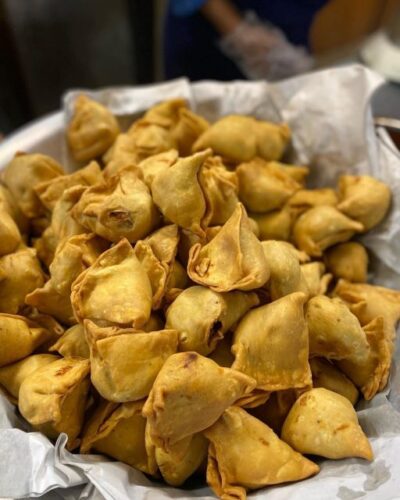
Kathmandu Food & Drink and Shopping Rickshaw Tour
Read our review →
Walking Food Tour in Hidden Local Eateries of Kathmandu
Read our review →Browse the lists this tour appears in