
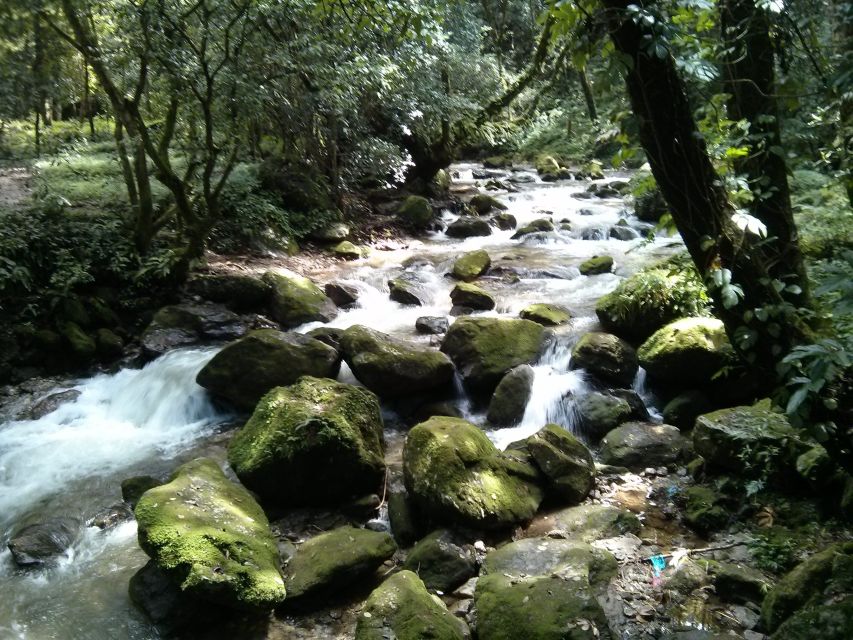
Reviewed · NAGARKOT SUNRISE TOURS
Kathmandu: Chisapani Nagarkot 3-Days 2-Nights Trek
Three days, big Himalayan payoff. This Kathmandu trek is built for sweeping mountain panoramas without the grind of very high-altitude hiking, and it has a clear structure: Sundarijal, Chisapani, Nagarkot, then Changu Narayan. I like the private transfers that handle the long drives for you, and I also like having a private English speaking licensed guide who keeps the route understandable. The one real consideration is that the best views depend on the weather, so you need to be flexible when clouds roll in.
What makes this trip especially appealing is how it mixes forest hiking with village life, then finishes with a cultural anchor at Changu Narayan (the temple is dated to 323 AD). You’ll climb, descend, and get plenty of stair work along the way, but it’s the kind of effort that feels doable if you’re a regular walker. It departs daily all year, so you can fit it into most Kathmandu trips, not just a narrow weather window.
In This Review
- Key points
- Why This 3-Day Chisapani and Nagarkot Trek Works for Most People
- Day 1: Sundarijal to Chisapani, Shivapuri Park Stairs and First Himalayan Glimpses
- Day 2: Chisapani to Nagarkot, Forest Descent, Village Crossings, and the Climb Back Up
- Day 3: Nagarkot Sunrise and Changu Narayan, Temple Day With City Views
- Guides, Pace, and Why English Support Actually Matters on These Trails
- Accommodation in Chisapani and Nagarkot, and What to Expect When Standards Vary
- What You Need to Bring, Plus the Stuff That Saves Your Day
- Price and Value: What $190 Covers, and When It Feels Like a Bargain
- Weather Reality: Himalayan Views Are the Reward, Clouds Are the Test
- Who Should Book This Trek, and Who Should Consider Another Option
- Should You Book This Kathmandu to Nagarkot Trek?
- FAQ
- Where does the trek start and end?
- How long are the hikes each day?
- What transportation is included in Kathmandu?
- Is the guide included, and do they speak English?
- What permits are included?
- Are meals included?
- What accommodation will I have?
- What should I pack for the trek?
- Is there free cancellation or a pay-later option?
Key points
- Shivapuri National Park hiking with a trail that starts near the Sundarijal water system and builds uphill fast
- Nagarkot sunrise as the payoff moment, if skies cooperate
- Village-and-terrace trekking through communities like Tamang villages and terraced fields
- Private 2-way transport from Kathmandu to Sundarijal and from Changu Narayan back to Kathmandu
- English speaking licensed guides who explain route, culture, and local nature, and keep your pace sane
Why This 3-Day Chisapani and Nagarkot Trek Works for Most People
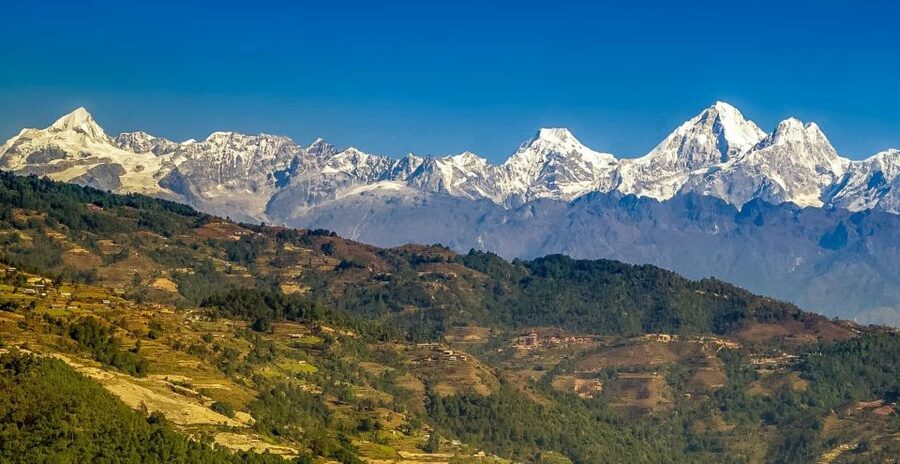
If you want Himalayan views but do not want to bet your whole trip on extreme altitude, this route makes a lot of sense. You’ll move between about 1,460m at Sundarijal and roughly 2,175m around Nagarkot, which keeps the effort more about stamina and trail footing than oxygen management.
You also get a satisfying rhythm. Day 1 is a long uphill start that sets you up for the higher viewpoints. Day 2 is the longest hiking day, with forest sections and village crossings that help break the monotony of pure climbing. Day 3 starts early for sunrise, then ends with the Changu Narayan temple and a drive back to Kathmandu.
The “short trek” label can be misleading. This is still real hiking, including a lot of stairs and some longer stretches where you’ll feel the miles. The upside is that it’s short enough you do not need a full week to make it feel complete.
More Treks in Kathmandu
- Everest Base Camp Trek – 14 Days
★ 5.0 · 1,499 reviews - Everest Base Camp Trek
★ 5.0 · 842 reviews - Everest Base Camp Trekking
★ 5.0 · 485 reviews
Day 1: Sundarijal to Chisapani, Shivapuri Park Stairs and First Himalayan Glimpses
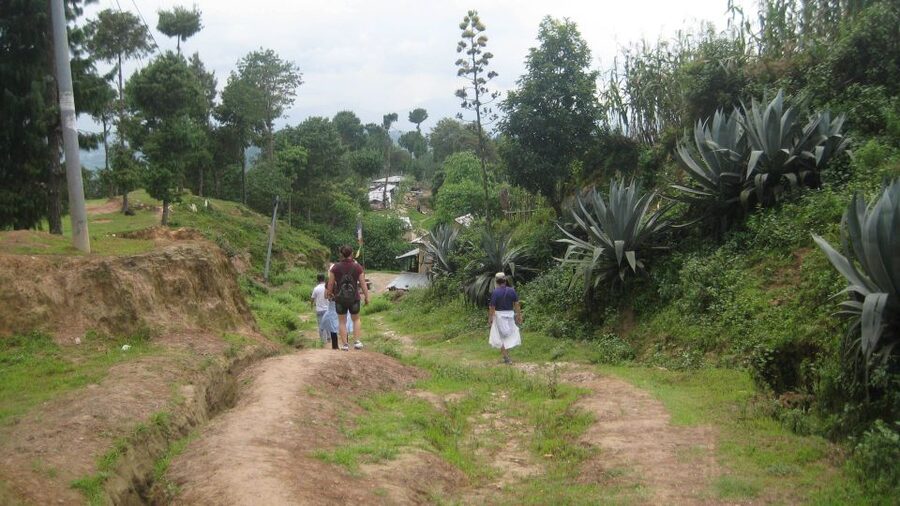
You start with a Kathmandu hotel pick-up, then drive about an hour to Sundarijal, around 1,460m. From there, the trail begins uphill along a large water pipe coming down from the reservoir. It’s a practical start, and it also gives you a sense of what you’re walking through, water management in the hills and the park ecosystem around it.
The route then enters Shivapuri National Park. You’ll pass Mulkharka Village, then continue through Tamang Village before reaching Chisapani at about 2,165m. Along the way, the goal is not just movement, it’s early viewpoints when they break through the trees. If weather is clear, you can spot Himalayan sights including Langtang.
What I like about this first day is that it feels like you’re learning the region as you hike. You are not dropped into a single scenery bubble. You’re walking through working mountain communities and then into protected forest, so the day has texture.
The main drawback on Day 1 is simple: it’s uphill and it includes lots of steps. If you’re coming from a “big city knees are fine” mindset, you should adjust. Proper hiking shoes matter, and a windbreaker helps because you can feel temperature swings even when the sun is out.
By evening you’ll settle in at a lodge in Chisapani, with a sunset chance over the mountains. This is also a good moment to mentally prep for Day 2, which is longer.
Day 2: Chisapani to Nagarkot, Forest Descent, Village Crossings, and the Climb Back Up
After breakfast, the hike continues from Chisapani to Nagarkot, around 2,175m. Expect roughly 6 to 7 hours of hiking, and a route that alternates between effort and scenery.
The trail starts by ascending through lush forest, then you descend toward Jhule and Chauki Bhanjyang. That pattern matters: forest sections can feel cooler and less punishing on exposed skin, while descents can save your breathing but still test your legs.
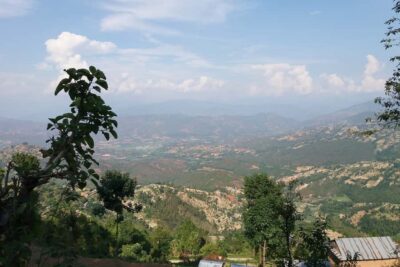
From there the path crosses villages and terraced fields, then it brings you to Kattike Bhanjyang. The final stretch is an ascent up to Nagarkot, where the views can reward your patience. Again, clear weather is the difference between muted skies and real Himalayan panoramas, including Langtang and other ranges.
One review described Day 2 as about 25 kilometers, which lines up with the “long day” feeling many people get here. Even if your pace is solid, you can end up doing a lot more time on the trail than you expected. Bring snacks for your own energy management, since lunch and dinner are not included in the package.
Where this day really shines is variety. You’re not just chasing viewpoints. You’re moving through a patchwork of forest, settlements, and farmland terraces, so you get a sense of how people live at different elevations.
The consideration: it can feel tiring if you expect a gentle scenic walk. Mentally plan for a longer day, especially if rain makes footing slower.
Day 3: Nagarkot Sunrise and Changu Narayan, Temple Day With City Views
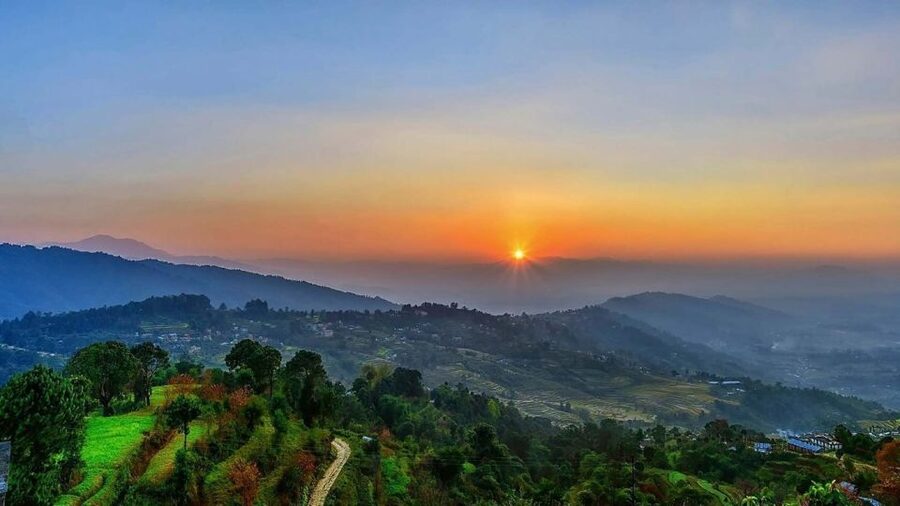
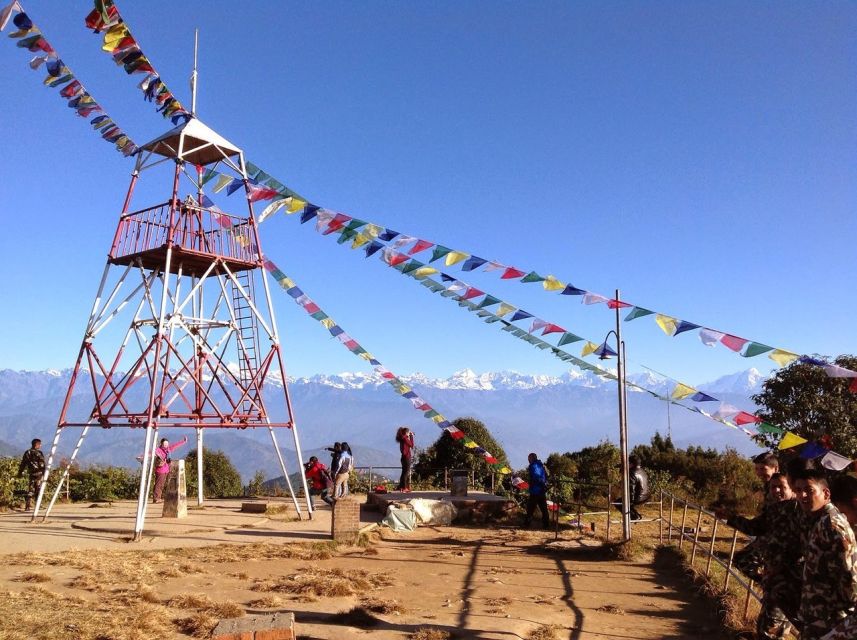
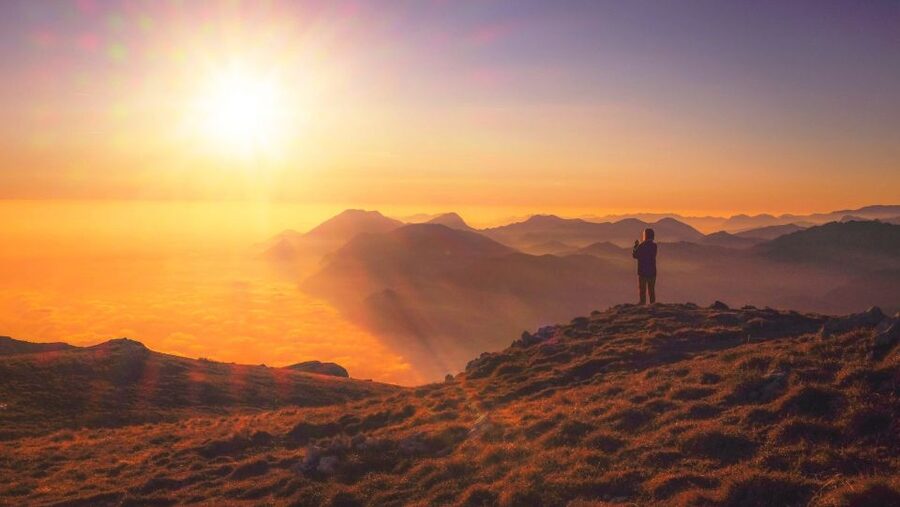
Day 3 begins with an early wake-up to watch sunrise over the mountains. That early start is not optional if you want the best chance at clear skies and warm light, especially around Nagarkot’s viewpoint setting.
After breakfast, you hike from Nagarkot to Changu Narayan (about 1,541m). The walk is roughly 3 to 4 hours. The trail descends via Telkot, and this is where you may get that bird’s-eye feeling, with views of both Bhaktapur and Kathmandu along the way.
Then you reach Changu Narayan, home to the 323 AD temple. It’s one of those stops that makes the trek feel anchored in culture, not only scenery. You get to slow down, look around, and connect the hike to the long-lived history of the Kathmandu Valley.
After the temple visit, you meet your vehicle and drive back to Kathmandu. The ride is about 1 hour, so you’re not stuck in transit all afternoon. This is a helpful finish if you have a flight or dinner reservation back in town.
The drawback to plan for on Day 3 is fatigue and timing. A sunrise wake-up plus hiking plus a cultural stop means you will likely feel the day move fast. Warm layers help because mornings can be chilly, even when later in the day feels mild.
More Nagarkot sunrise starts:
- Nagarkot Sunrise View and Day Hiking from Kathmandu
★ 5.0 · 471 reviews - Private Bhaktapur and Nagarkot Day Tour From Kathmandu
★ 5.0 · 305 reviews - Kathmandu: Nagarkot Sunrise View & Morning Hike with Lunch
★ 4.9 · 188 reviews - Kathmandu: Nagarkot Sunrise and Hike Tour to Changu Narayan
★ 4.7 · 151 reviews
Guides, Pace, and Why English Support Actually Matters on These Trails
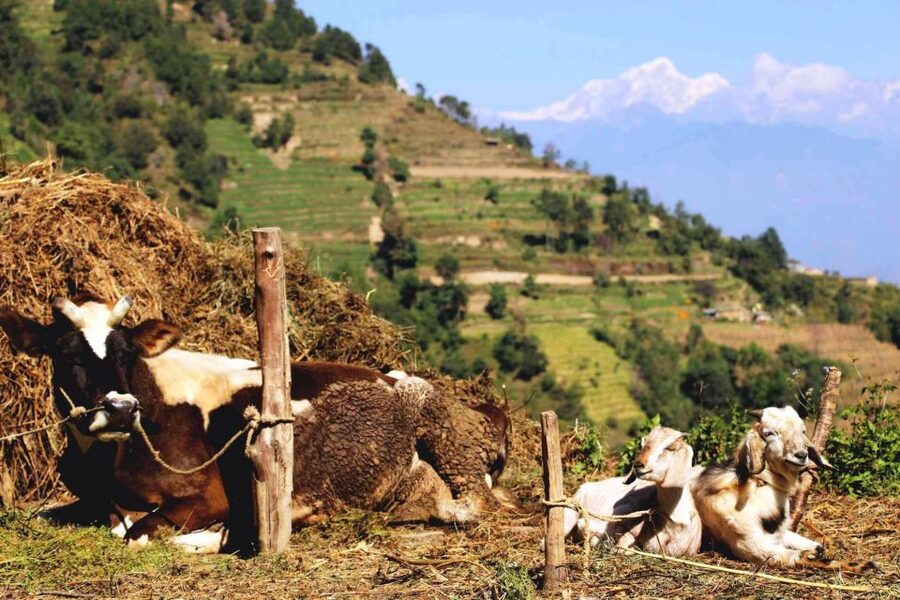
This trip includes a private English speaking guide, and the company advertises the guide as licensed and experienced. What that means in practice is you get someone who can translate the route into something you can actually follow.
I like the guidance style described in the reviews. People highlighted guides like Dipak Karki and Govinda Pathak for being friendly and easy to talk to, with explanations about mountains, nature, and local context. Others mentioned Ramesh and Deepak as guides who kept things organized and offered humor along the way.
You should also know what you might feel on the trail: some sections can drag, especially when you’re walking for hours with repetitive steps. A good guide helps by adjusting your pace and keeping the hike from turning into a grind.
One practical upside from the review notes: if weather turns ugly, the guide can step in. In one case, heavy rain led the group to cancel partway and arrange a ride back to Kathmandu. That’s not a promise that conditions will always allow a quick reset, but it does show the value of having a guide who can manage the situation.
Accommodation in Chisapani and Nagarkot, and What to Expect When Standards Vary
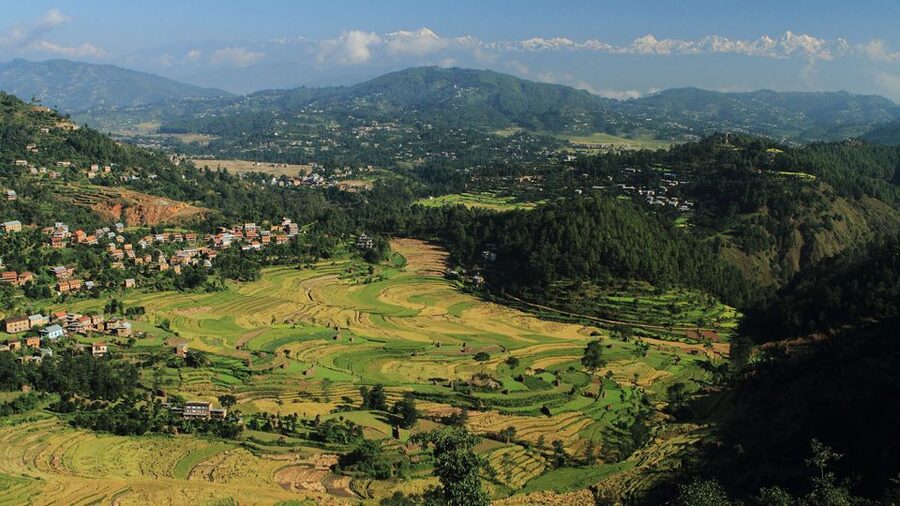
You’ll have lodge or guest house accommodation in Chisapani, plus breakfast. In Nagarkot, accommodation includes breakfast and has an attached bathroom.
This is where I’d keep your expectations real. Nepal tea house and lodge standards can vary night to night. One set of feedback mentioned a first hotel room that was not fully cleaned and noted there was no toilet paper, so you should be ready with small supplies. A simple approach works well: bring a small roll of toilet paper and a bit of basic hygiene kit. If your lodge provides extras, great, but planning for the minimum keeps you comfortable.
The bigger comfort win is Nagarkot’s attached bathroom setup, especially on a trek where you may be wet or sweaty at times. It makes the end of the day easier to handle.
Also, remember this trek is about walking between viewpoints. Your room is not the main attraction. The real value is location and access, so keep your packing light and focus on warmth and rain protection.
What You Need to Bring, Plus the Stuff That Saves Your Day
For this trek, the essentials listed are practical and worth following:
- Windbreaker
- Rain gear
- Hiking shoes
- Warm clothing
Here’s how I’d think about them:
- Rain gear matters even if the forecast looks okay, because monsoon season and sudden showers can happen.
- A windbreaker helps with exposed ridgelines and cool mornings, especially for sunrise.
- Warm clothing is not just for comfort. It can be the difference between enjoying sunrise and rushing through it.
- Hiking shoes are the non-negotiable item, since you’ll deal with steps, uneven ground, and potentially slick trail surfaces.
Food and drinks are not included, so you’ll want snacks and your own plan for lunch and dinner. If you’re the type who gets grumpy when energy drops, bring a few morale boosters.
Porter service is not included if needed. If you want help carrying your day bag, you’ll need to arrange it separately. For many people on this route, a small pack is manageable, but it depends on how you travel and what you carry.
Price and Value: What $190 Covers, and When It Feels Like a Bargain
At about $190 per person for a 3-day, 2-night trek, the value is mostly in what’s coordinated for you. You get:
- Hotel pick-up and drop-off in Kathmandu
- Private vehicle transport from Kathmandu to Sundarijal and from Changu Narayan back to Kathmandu
- Guide service
- Lodging in Chisapani and Nagarkot with breakfast included
- Hiking and National Park permits
- Taxes
That package adds up fast when you price it out yourself. Permits and a licensed guide take time to arrange, and the private transport saves a lot of hassle in the Kathmandu Valley, especially when you’re doing early starts.
When it can feel pricey is when you’re traveling alone and the cost becomes fully yours rather than splitting. One review noted the trek felt a bit expensive solo, particularly in monsoon season when availability and group options can change. If you’re budgeting tightly, decide early whether you want private comfort and guide attention, or whether you want a cheaper alternative even if it means more waiting and less control.
In short: if you like structure, private transfers, and having someone manage permits and timing, this is a solid deal for the effort and the setup.
Weather Reality: Himalayan Views Are the Reward, Clouds Are the Test
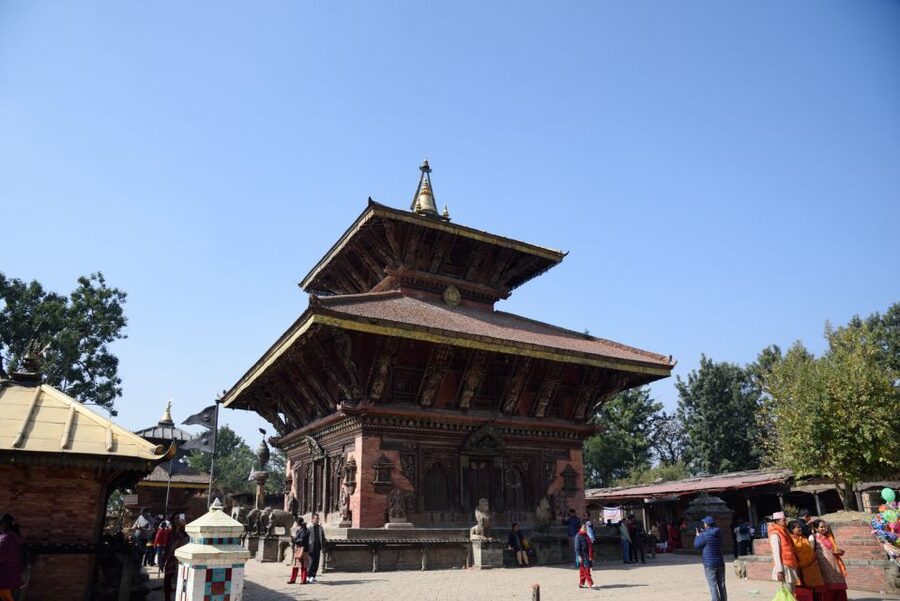
This trek is advertised as happening daily all year, which means you’ll meet every kind of sky. The view payoff is explicitly weather dependent, and that lines up with the experience people reported.
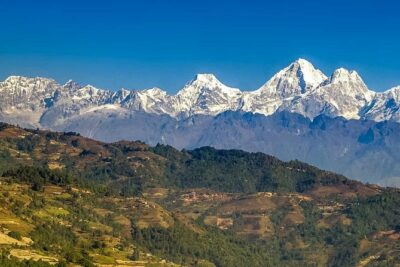
In clear conditions, you can get Himalayan views including Langtang, plus sunset and sunrise moments. In cloud or rain, you may still enjoy the walk through forest and villages, but the mountains may hide.
Monsoon trekking is possible, and at least one group reported wonderful weather and great views at the end of June. That said, another person dealt with heavy rain and had to change plans on the final day, including arranging a ride back.
So what’s the practical takeaway? Bring rain gear and plan for slower footing. Also, do not tie your enjoyment only to seeing the peaks. The route itself delivers, through Shivapuri National Park, terraced fields, and the cultural finish at Changu Narayan.
Who Should Book This Trek, and Who Should Consider Another Option
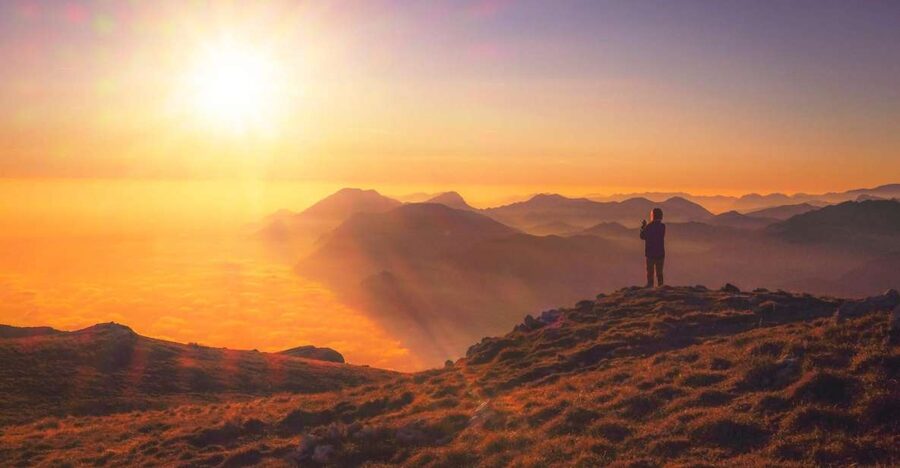
This trek is a great fit if you want:
- A short Himalayan experience from Kathmandu
- Guided hiking with an English-speaking licensed guide
- Sunrise at Nagarkot and a temple visit at Changu Narayan
- Village trails and forest hiking rather than a purely scenic viewpoint hike
You might want to think twice if:
- You hate stairs and long walking days. Day 1 includes a lot of uphill and steps, and Day 2 is a long hike.
- You only enjoy trips where you are guaranteed a mountain show. Weather can change fast.
- You prefer fully included meals and no planning for food. Lunch and dinner are not included.
For many first-time trekkers, this is a friendly step into Nepal hiking without the extreme altitude challenges.
Should You Book This Kathmandu to Nagarkot Trek?
I’d book it if you want a well-managed, short trek with private transfers, permits taken care of, and a guide who can explain what you’re walking through. The combination of Nagarkot sunrise and Changu Narayan’s 323 AD temple is a strong finish for a 3-day timeline, and the route stays at elevations that are more about endurance than altitude fear.
I’d also book it if you’re okay with weather uncertainty and you pack for rain. When clouds roll in, you still get forest paths, village life, and a meaningful end in the Kathmandu Valley.
If you hate early mornings, or if you cannot handle stairs and a long Day 2, then look for something flatter or shorter. But if you’re a regular walker, you’ll likely love how much you fit into a few days.
FAQ
Where does the trek start and end?
The trek starts from Sundarijal and ends at Changu Narayan. You’ll also return by private vehicle to Kathmandu after reaching Changu Narayan.
How long are the hikes each day?
Day 1 is about a 5 to 6 hour hike after an approximately 1 hour drive. Day 2 is about a 6 to 7 hour hike. Day 3 is about a 3 to 4 hour hike followed by about a 1 hour drive back to Kathmandu.
What transportation is included in Kathmandu?
Hotel pick-up and drop-off in Kathmandu are included. There is also private vehicle transportation from Kathmandu to Sundarijal at the start, and from Changu Narayan back to Kathmandu at the end.
Is the guide included, and do they speak English?
Yes. You get a private English speaking licensed guide included with the trek.
What permits are included?
Hiking permits and National Park permits are included.
Are meals included?
Breakfast is included with your accommodations. Lunch and dinner are not included, so you’ll need to plan for food and drinks on your own.
What accommodation will I have?
In Chisapani, you’ll stay in the best available lodge or guest house with breakfast included. In Nagarkot, you’ll have accommodation with breakfast and an attached bathroom.
What should I pack for the trek?
Bring a windbreaker, rain gear, hiking shoes, and warm clothing.
Is there free cancellation or a pay-later option?
Yes. There is free cancellation up to 24 hours in advance for a full refund. You can also reserve and pay later.
Latest additions near Kathmandu
- White Water River Rafting – 1 Day★ 4.3 · 3 reviews
- Traditional Momo Making Class★ 5.0 · 10 reviews
- Kathmandu to Pokhara Premium sofa bus ticket★ 4.0 · 17 reviews
- Ghorepani Poon Hill Trek★ 5.0 · 16 reviews
- Amazing 1 Day Trekking Experience in Kathmandu Nepal★ 5.0 · 24 reviews
- Ghorepani Poonhill Trek★ 5.0 · 5 reviews
- Walking tour of real Kathmandu through back streets.★ 5.0 · 3 reviews
- Wildlife Adventure in Chitwan Nepal★ 4.0 · 4 reviews
Nagarkot Sunrise Tours, compared.
Nagarkot Sunrise View and Day Hiking from Kathmandu
Read our review →
Private Bhaktapur and Nagarkot Day Tour From Kathmandu
Read our review →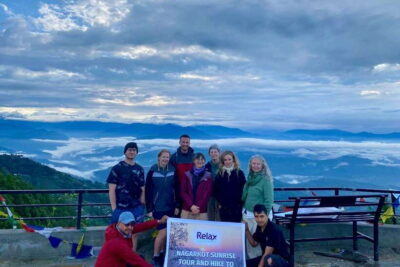
Nagarkot Sunrise and Hike Tour to Changu Narayan
Read our review →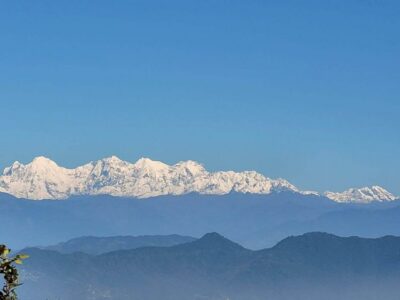
Nagarkot Sunrise & Hike to Changu Narayan Day Tour from Kathmandu
Read our review →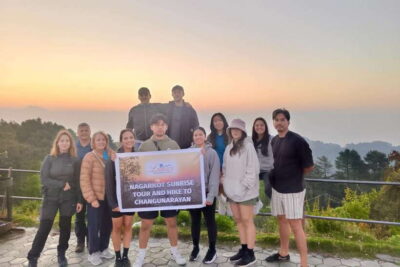
Nagarkot Sunrise & Hike with Lunch -Private/Group
Read our review →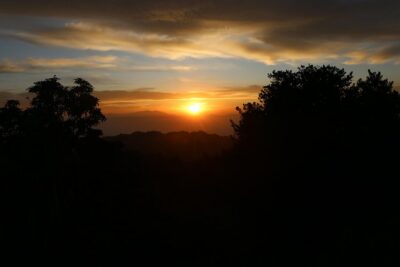
Nagarkot Sunrise Trip & Day Hike with Lunch from Kathmandu
Read our review →Browse the lists this tour appears in