
Reviewed · POON HILL TREKS
Ghorepani Poonhill Trek
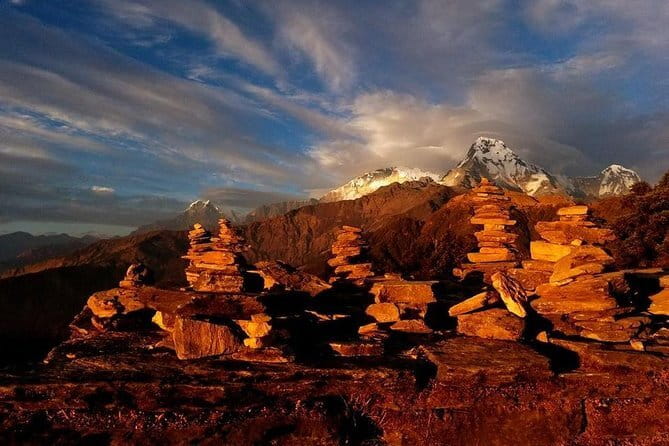
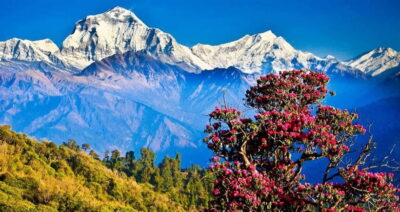
Poon Hill sunrise is a fast ticket to awe. The Ghorepani Poon Hill Trek turns Kathmandu and Pokhara into a simple, well-paced trek through rhododendron and oak forest, ending with big Himalayan views over Annapurna, Dhaulagiri, and more. It is one of the easier, shorter treks in the Annapurna region, so you spend less time grinding altitude and more time soaking in scenery and small village life.
I love the way Poon Hill fits into the schedule, because you hike up early for about an hour and then you get a wide pan of mountains at sunrise. I also like the small group size and structured support, with pickup offered and a guided flow that keeps logistics from turning into a second job.
My main caution is the legs, especially the 3,300-step staircase to Ghorepani and other step-heavy climbs. Even on an easier trek, you should be ready for repetitive uphill work and take it slow on the stairs.
In This Review
- Key highlights that matter before you go
- Entering the Annapurna world from Kathmandu, Thamel, and hotel Florid Nepal
- Pokhara transfer: 6-7 hour bus ride or a 30 minute flight
- Nayapul to Ulleri: checkpoints, river scenery, and the first stair grind
- Ulleri to Ghorepani: rhododendron and oak forests into guesthouse nights
- Poon Hill at dawn: about one hour up, then the views do the talking
- Tadapani onward to Ghandruk: the short hike, then the Gurung Museum
- Hike out to Nayapul, back to Pokhara, and the Kathmandu reset
- Who you are likely to travel with, and why it affects your comfort
- Value check: what $700 buys, and what you should verify before you pay
- When this trek is a great fit, and when to reconsider
- Should you book the Ghorepani Poon Hill Trek with Mountain Rock Treks?
- FAQ
- How long is the Ghorepani Poon Hill Trek?
- Where does the experience start, and what time does it begin?
- Is pickup offered, and do you get dropped off in Kathmandu?
- How do you get from Kathmandu to Pokhara?
- How long is the hike to Poon Hill and when do you do it?
- What accommodation is included on the trek?
- What is the main physical challenge on the route?
- Are meals included, and what is not included?
- How many people are in a group?
- What happens if weather is poor or if the minimum number of travelers is not met?
Key highlights that matter before you go
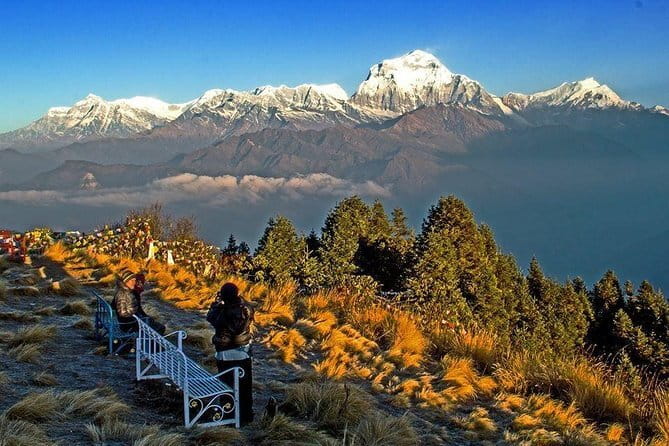
- Poon Hill sunrise timing: early morning hike for a big mountain panorama, then breakfast and onward trekking
- An easier trek with real effort: lower-altitude route, but still step climbs like the staircase to Ghorepani
- Forest walking on multiple days: rhododendron and oak forests show up on the Ulleri to Ghorepani stretch
- Cultural stop at Ghandruk: a stop by the Gurung Museum adds meaning to the views
- Support that people notice: past guests specifically praised guides and team members (including names like Dawa, Eku, and Sudip) for making the trip feel safe and organized
Entering the Annapurna world from Kathmandu, Thamel, and hotel Florid Nepal
Most trekkers start their mental shift in Kathmandu, and this trip does it in a practical way. Day 1 includes a premeeting at Hotel Florid Nepal, then a wander through Thamel for last-minute trekking prep. Thamel is a smart place to do this because it is full of gear shops and quick food options, so you can top up basics without hunting.
If you like having a plan, you’ll appreciate the structure right away, including the premeeting before you depart. The start time is 7:15 am, so you can get moving early and reduce the rush factor later in the week. It also helps to think of Day 1 as your adjustment day. You are not trekking yet, so use the time to hydrate, eat normally, and get your layers sorted.
More Treks in Kathmandu
- Everest Base Camp Trek – 14 Days
★ 5.0 · 1,499 reviews - Everest Base Camp Trek
★ 5.0 · 842 reviews - Everest Base Camp Trekking
★ 5.0 · 485 reviews
Pokhara transfer: 6-7 hour bus ride or a 30 minute flight
Day 2 is all about getting from Kathmandu into the Annapurna trekking zone via Pokhara Lakeside. You’ll travel by road for 6-7 hours (about 200 km), or you can choose a 30 minute flight for an additional cost. I like having both options because it lets you match the transfer to your comfort level and your energy.
After arriving, you get free time in the evening. That matters because it gives you a buffer to deal with small travel hiccups like delays, light rain, or just needing a slow meal before trekking starts.
One practical tip: if you choose the bus, plan to treat it like part of the journey, not downtime you can ignore. Bring something for the ride, and try not to over-pack your day with extra activities. The trek starts soon, and you’ll feel better if you arrive in Pokhara rested.
Nayapul to Ulleri: checkpoints, river scenery, and the first stair grind
On Day 3, you move from Pokhara toward the trailhead at Nayapul, then head through the start of the trekking corridor. The schedule includes about one hour driving from Pokhara to Nayapul, then hiking begins along the bank of the Modi Koha for a while before reaching Birethanti.
This is where you pass through the TIMS checkpoint, and the route notes an Annapurna glacier river mixed with the area. That detail signals you are transitioning from city travel into the regulated trekking landscape. It’s not about ceremony, it is about making sure your paperwork and permits are in order so the trek stays trouble-free.
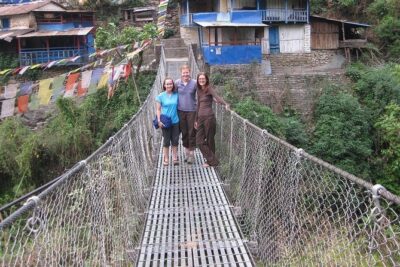
The walking itself ramps up. From Birethanti you hike to Hile and then Tikhedhunga, with an all-step climb onward to Ulleri. This is one of those “easier trek” moments where the route sounds short on paper but still demands focus. Pace yourself, because stairs and uphill repetition can sap energy faster than you expect.
Ulleri to Ghorepani: rhododendron and oak forests into guesthouse nights
Day 4 shifts the vibe from hard climbing into steadier, scenic walking. From Ulleri, the trail becomes a gentle ascent through rhododendron and oak forests toward Banthanti, and then you continue to reach Ghorepani. The day includes an overnight guesthouse stay in Ghorepani, which is key because it sets you up for sunrise on the following morning.
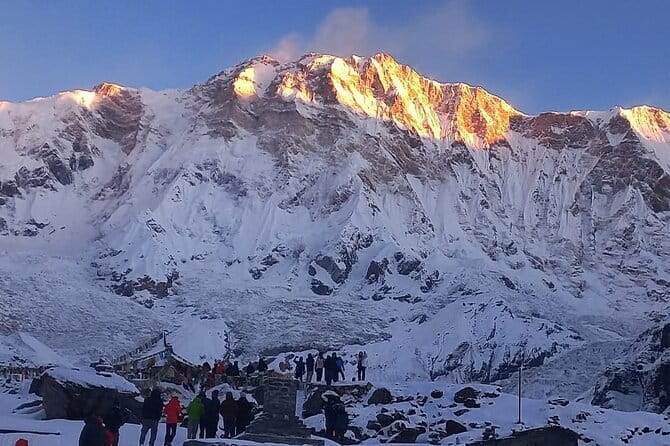
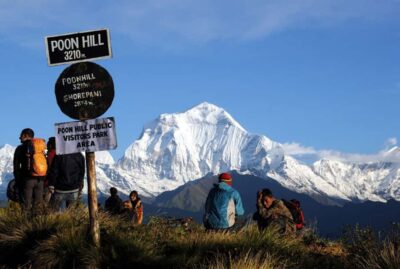
Ghorepani is popular for a reason, and not just for the view on a postcard. You’re positioned for the Poon Hill hike the next day, with the promise of sunrise and a panoramic look at the Annapurna and Dhaulagiri mountain ranges. Even without perfect visibility, clouds in this region can still deliver atmosphere and depth.
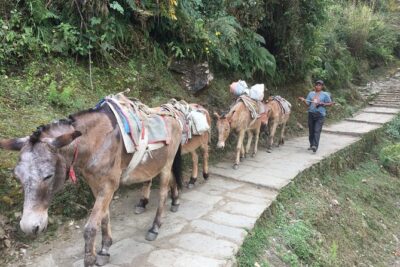
One more practical note from the route overview: there is a 3,300-step staircase to Ghorepani. That means you should plan for stairs to be part of the rhythm, even if you are otherwise on a beginner-friendly itinerary. If you’re bringing trekking poles, this is where they earn their keep.
More Poon Hill treks:
- 4 Days Poon Hill Trek
★ 5.0 · 94 reviews - Ghorepani(Poonhill Trek)
★ 5.0 · 81 reviews - 4-day Poon Hill Trek
★ 5.0 · 74 reviews - Ghorepani Poon Hill Trek
★ 5.0 · 61 reviews
Poon Hill at dawn: about one hour up, then the views do the talking
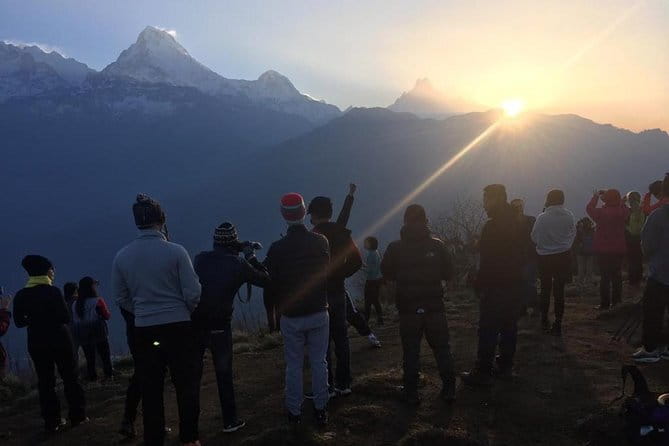
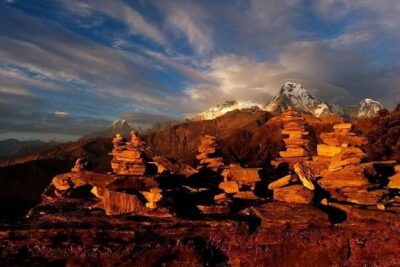
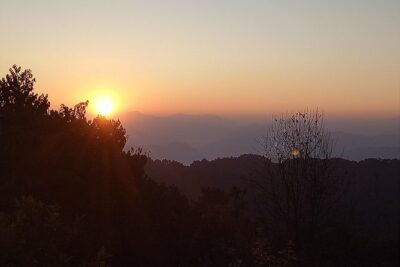
Day 5 is your standout morning. You start early and hike to Poon Hill for about one hour, then you settle in for the sunrise and wide Himalayan panorama. The view range listed includes Manaslu, Annapurna, and Dhaulagiri. This is the classic pay-off moment: not just one mountain, but a whole wall of peaks that makes the effort feel worth it.
After you’ve enjoyed Poon Hill, you return to Ghorepani for breakfast, then continue onward toward Tadapani for an overnight stay. I like that the day doesn’t trap you in a long hike right after the sunrise moment. You get food and recovery before you start the next section.
If you’re nervous about sunrise hikes, here is the honest way to think about it: you are going out early, so you need layers and steady effort, but the schedule is built for a short ascent rather than an all-day push. That keeps it manageable for most people who can walk.
Tadapani onward to Ghandruk: the short hike, then the Gurung Museum
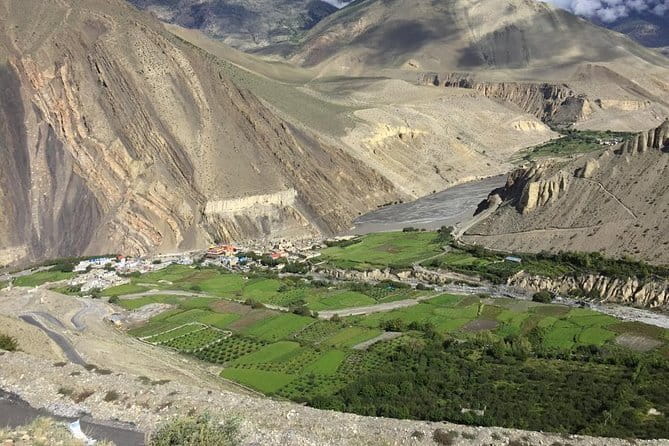
Day 6 is described as a shorter hike, around 3-4 hours, heading to Ghandruk. This is a great change of pace after the earlier stair emphasis, and it gives you time to walk while still enjoying the scenery. Ghandruk is also described as a historical area linked with Gurkha soldiers, which adds context when you see traditional village architecture and local life.
You also visit the Gurung Museum. Even if museums are not always your thing, a stop like this can make your trek feel less like sightseeing and more like understanding. It’s a small cultural layer that helps you look at the place like a living community, not a backdrop.
Overnight is in a guesthouse in Ghandruk. Guesthouse stays are basic by nature, but on a trek like this, that is part of the trade-off. The value is in being where the trail and villages intersect.
Hike out to Nayapul, back to Pokhara, and the Kathmandu reset
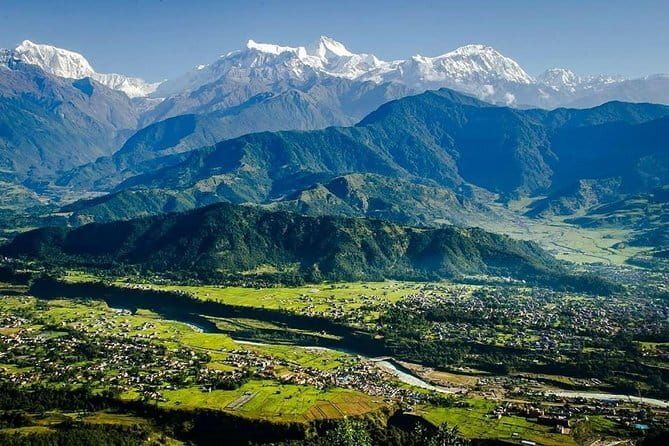
Day 7 sends you to Nayapul with a hike of about 5 hours. The route notes that the first part is decent for a couple of hours, and then you keep going continuously on a road until Nayapul. It is a good way to end the trek, because it gives you a gradual finish rather than a sudden wall.
Once you reach Nayapul, you take a car back to Pokhara. That combination, hike plus short road transfer, is efficient. It also means you are not trapped walking long after your energy has already been used up.
Day 8 moves you back to Kathmandu by tourist bus for 6-7 hours. In Kathmandu, there is a farewell dinner, and you spend the night at a hotel. That dinner is more than a nice touch. It is a chance to talk with your guide and group, compare notes on the sunrise and stair sections, and just land the trip.
Who you are likely to travel with, and why it affects your comfort
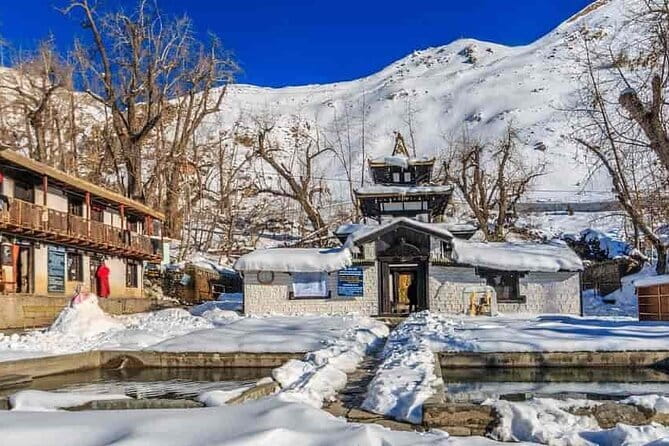
The group size is capped at 14 travelers, which is a real factor on trek days. Smaller groups tend to move with less waiting, and they make it easier for your guide to give quick answers or handle timing if the weather changes. In the feedback from past trips, the team has been credited with making the experience feel safe and well looked after, and specific guide names like Dawa, Eku, and Sudip have shown up for that kind of personal attention.
That “safe and supported” feeling is not about mountains being risk-free. It is about people handling pacing, timing, and decisions so you can focus on walking and enjoying the views.
Also, the trip lists pickup offered and mobile ticket. Those small modern touches matter when you arrive in a new city and want fewer surprises on Day 1 and Day 2.
Value check: what $700 buys, and what you should verify before you pay
At $700 per person for an approximately 9-day itinerary, you are paying for the whole scaffolding: transport, fees, and a lot of pre-arranged meals. The included list is substantial: both way transportation, all activities fees and national park fees, fuel surcharge, and landing and facility fees. You also get meals: breakfasts (9), lunches (5), and dinners (5).
That meal inclusion is a big deal on a trek. It saves time, reduces decision fatigue, and keeps you from having to manage cash and food hunting on remote days. It also helps energy stability on the walking days.
One thing I would double-check: the package says 2 nights accommodation are included, but the trek schedule calls for multiple overnight guesthouse stays during the hiking days. It may be that the “2 nights” line refers to hotel nights in Kathmandu or Pokhara, while the trekking overnights are handled as part of guesthouse arrangements. Still, you should confirm exactly what nights are covered under the accommodation line so there are no gaps.
Another value-related note: drinks are not included, and tips are not included. That’s normal for Nepal trekking, but it’s still a budget item, so don’t plan on thinking it will be covered.
When this trek is a great fit, and when to reconsider
This is a good choice if you want an Annapurna introduction that does not swallow your whole vacation. The trek is described as easier and shorter, and the highest destination is lower compared with longer Annapurna region treks, which makes it a strong fit for beginners.
You will likely love it most if:
- You want sunrise mountain views without a month-long commitment
- You enjoy rhododendron forest walking
- You want at least one cultural stop, like Ghandruk and the Gurung Museum
- You prefer a schedule where most meals and key transport pieces are handled
You might think twice if:
- You are not comfortable with repetitive stairs (the 3,300 steps note is serious)
- You need a totally low-effort trek day-to-day
- You dislike basic guesthouse conditions on overnight stays
If you’re trekking during monsoon season, one past experience praised the trip for being less crowded and for having good food and accommodation. The flipside is obviously rain and cloud cover, so bring realistic expectations for sunrise visibility.
Should you book the Ghorepani Poon Hill Trek with Mountain Rock Treks?
I’d book it if you want a high-reward sunrise hike, a manageable hiking calendar, and a guided plan that keeps logistics from eating your energy. The trek is short enough for many schedules, but it still feels like a real journey because you do guesthouse nights, forest trails, and village context.
Before you confirm, do two quick checks: confirm what the 2 nights accommodation line really covers versus the guesthouse nights on the trek, and budget for drinks and tips. If you’re happy with those, this is the kind of Nepal trek that can give you the Annapurna experience without demanding elite fitness.
FAQ
How long is the Ghorepani Poon Hill Trek?
The trek duration is listed as approximately 9 days.
Where does the experience start, and what time does it begin?
The meeting includes a premeeting at hotel Florid Nepal. The start time is 7:15 am.
Is pickup offered, and do you get dropped off in Kathmandu?
Yes, pickup is offered. On the final day, a Mountain Rock Treks and Expeditions representative drops you in the airport.
How do you get from Kathmandu to Pokhara?
You can travel by bus for 6-7 hours (about 200 km) or take a flight for about 30 minutes, with the flight cost as an additional expense.
How long is the hike to Poon Hill and when do you do it?
You hike to Poon Hill early in the morning, and it takes about an hour. This is for sunrise and the mountain panorama.
What accommodation is included on the trek?
The included list mentions 2 nights accommodation. The route schedule also includes overnight guesthouse stays during the trekking days at Ghorepani, Tadapani, and Ghandruk.
What is the main physical challenge on the route?
The overview highlights a staircase to Ghorepani with about 3,300 steps, and there are also step-heavy sections like the climb up to Ulleri.
Are meals included, and what is not included?
Meals included are breakfasts (9), lunches (5), and dinners (5). Not included are drinks and tips for guide and hotel staffs.
How many people are in a group?
The maximum group size is 14 travelers.
What happens if weather is poor or if the minimum number of travelers is not met?
The experience requires good weather. If canceled due to poor weather, you will be offered a different date or a full refund. If canceled due to not meeting the minimum number of travelers, you will be offered a different date or a full refund.
Latest additions near Kathmandu
- White Water River Rafting – 1 Day★ 4.3 · 3 reviews
- Traditional Momo Making Class★ 5.0 · 10 reviews
- Kathmandu to Pokhara Premium sofa bus ticket★ 4.0 · 17 reviews
- Ghorepani Poon Hill Trek★ 5.0 · 16 reviews
- Amazing 1 Day Trekking Experience in Kathmandu Nepal★ 5.0 · 24 reviews
- Ghorepani Poonhill Trek★ 5.0 · 5 reviews
- Walking tour of real Kathmandu through back streets.★ 5.0 · 3 reviews
- Wildlife Adventure in Chitwan Nepal★ 4.0 · 4 reviews
Poon Hill Treks, compared.
4-Day Ghorepani, Poonhill & Ghandruk Mountain Trek
Read our review →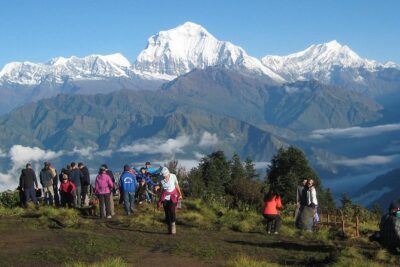
Browse the lists this tour appears in