
Reviewed · DAY TOURS FROM KATHMANDU
Everest 5-Day Trek from Kathmandu
Lukla to Everest views in just five days. I like how this trek ties together the hardest-feeling part first, a Lukla flight, with the most dramatic payoff, time at Hotel Everest View around 3,880 m. You also get a real, high-altitude taste of Sherpa country through Namche Bazaar and the surrounding villages. The one thing to consider is that flights to and from Lukla can be weather-dependent, so the schedule needs good conditions.
I also like the comfort mix for a short trek: your trip includes mountain guest house stays with a private bathroom and hot shower, plus meals each day. And since you start early, you get those calmer morning hours before the day heats up and the trail gets busy. If you are sensitive to altitude or you hate early wake-ups, this is still doable, but plan to move at a steady pace and keep expectations realistic for a 5-day itinerary.
In This Review
- Key highlights you should know before you go
- Why this 5-day Everest View trek feels like a smart plan
- Price and value: what $1,200 includes (and why it can be worth it)
- Your guide and porter team: the difference between tough and doable
- Day 1 in Kathmandu: early pickup, airport transfer, and the jump to Lukla
- Day 1 to Phakding: river views, a lighter day, and time to settle in
- Day 2 Phakding to Namche Bazaar: the gateway climb and the Sherpa town experience
- Day 3 Namche to Hotel Everest View: panoramic time at about 3,880 m
- Day 4 back to Lukla: a downhill day that still asks for focus
- Day 5 Lukla to Kathmandu: 30 minutes in the air, then real life again
- When to go: how seasons change the Everest View experience
- Comfort on the trail: private bathrooms and hot showers make this trek easier
- What to expect overall: pacing, groups, and the “real” Everest vibe
- Should you book the Everest 5-day Everest View trek?
- FAQ
- What time does the trek start?
- Is this tour private?
- Are the flights to Lukla included?
- What is included besides guiding and porters?
- What meals are provided during the trek?
- Do I get my own bathroom and hot shower?
- How long is the hike on day 2?
- How long is the flight back to Kathmandu on day 5?
- Is equipment provided or do I need to bring it?
- What if the experience is canceled due to poor weather?
Key highlights you should know before you go
- A Lukla flight is the headliner: the trek begins with the domestic hop that makes the whole Everest region feel suddenly real.
- Namche Bazaar, your cultural hub: you will have time to explore shops, cafes, and Sherpa life in Nepal’s gateway area.
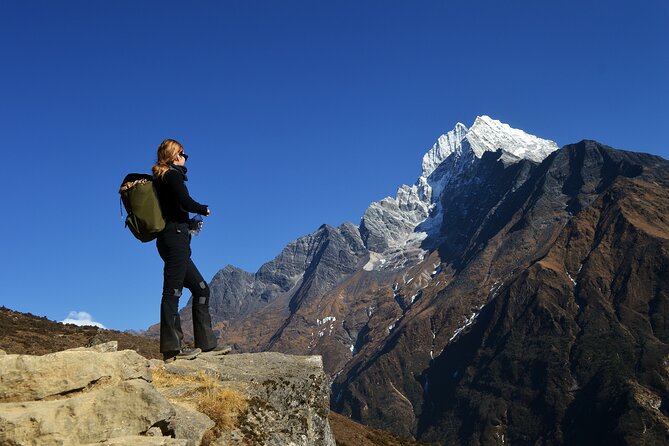
- Hotel Everest View is the main goal: the hotel sits at about 3,880 m and holds a Guinness World Record for being the highest situated hotel in the world.
- Meals and comfort are well-covered for 5 days: breakfast (4), lunch (4), dinner (4), plus a hot shower and private bathroom at mountain guest houses.
- Your guides matter here: past trekkers praised guides like Prakash and Anil for communication, care, and helping manage what to expect.
- Porters and equipment support your legs: you borrow trekking poles and a sleeping bag, and you have a guide and porter team working with you.
Why this 5-day Everest View trek feels like a smart plan
This is an Everest View Trek, not a long multi-week expedition. That is a big deal if you are short on time but still want the “Himalayas changed me” feeling. You compress the key moments into five days: the Lukla flight, the climb to Namche Bazaar, and a dedicated visit to Hotel Everest View for wide Mt. Everest panorama time.
The best part is how the trek is paced for a short window. You have an easyish down day into Phakding, then a steady climb toward Namche. After that, you get a focused “view day” toward Hotel Everest View, then you head back to Lukla and fly to Kathmandu. It is a tight route, but it avoids the mistake of rushing straight uphill every day.
Also, I appreciate that this trip is designed with practical support baked in. You are not just handed a map and wished luck. You get a guide and porter, and even the “annoying logistics” around flights to Lukla are handled by the crew.
More Treks in Kathmandu
- Everest Base Camp Trek – 14 Days
★ 5.0 · 1,499 reviews - Everest Base Camp Trek
★ 5.0 · 842 reviews - Everest Base Camp Trekking
★ 5.0 · 485 reviews
Price and value: what $1,200 includes (and why it can be worth it)
At $1,200 per person, this trek is not cheap. But it also is not just a few nights in a basic lodge and a hand-drawn itinerary. Your price includes a lot of the expenses that usually add up fast on Everest-area trips.
Here is what you get:
- Return flight tickets to and from Lukla
- National Park Permit and local government tax
- Guide and porter
- Mountain guest house accommodation with private bathroom and hot shower
- Borrowed equipment: duffle bag, trekking poles, sleeping bags
- Meals: 4 breakfasts, 4 lunches, 4 dinners
- Hot shower is included through your stay setup
- Hotel pickup and drop in Kathmandu
- A company t-shirt, plus first aid support
What you do not get:
- Hot or cold drinks
- Personal expenses
- Tips for guide and porter
So where is the real value? For many people, the most stressful parts of the Everest region are the flights, permits, and the “will I have everything I need?” gear question. This package covers those pressure points. If you would otherwise have to piece together a guide, handles the permits, and arrange equipment, the price starts to look more reasonable.
Your guide and porter team: the difference between tough and doable
The Everest area is hard partly because of the geography, partly because of the uncertainty. What helps most is having calm, prepared support. In past experiences, guides like Prakash were praised for being communicative, explaining geography and what to expect, and knowing how to handle the flow when things get confusing with Lukla flights. Another guide, Anil, was noted for caring attention on the trail and for making sure the group got a chance to see Mt. Everest.
Porters also get real credit. The common theme is simple: when someone helps carry loads and keeps the day moving, your mind can focus on the trail and the views, not on fighting your own bag.
Practical note for you: since tips for guide and porter are not included, budget that extra amount if you want to show appreciation.
Day 1 in Kathmandu: early pickup, airport transfer, and the jump to Lukla
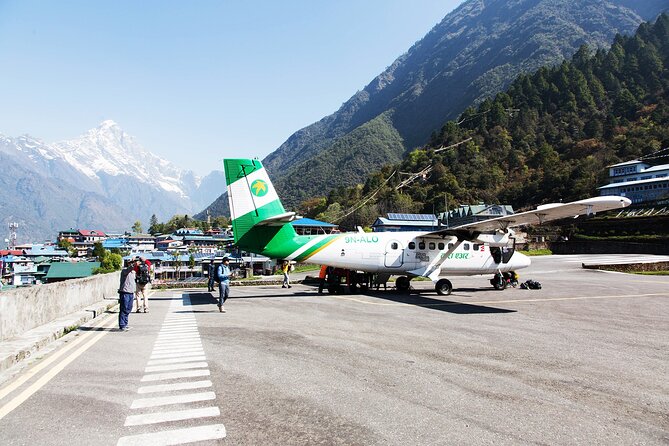
The day starts early, with a 5:45 am start time. You will be picked up from your hotel and transferred to Tribhuvan International Airport’s domestic terminal. Then you check in and take the flight to Lukla, which is widely known as one of the trickier airports in the region.
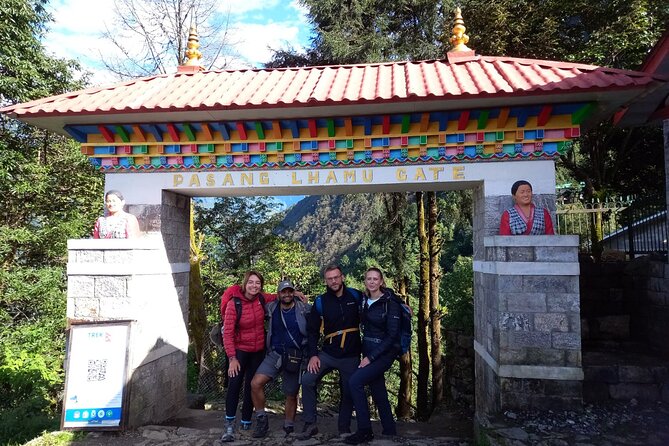
Once you land, the trek begins immediately in a way that gets your body warmed up fast. You trek down to Phakding for about 3-4 hours and spend the night at a mountain guest house setup. Phakding sits along the Dudhkoshi River, and it is small enough that you can get a feel for the daily rhythm of the area.
A small optional bonus here is time for a detour toward monasteries and local exploration. For many people, that first evening is when Nepal starts to feel more personal, not just like a checklist.
Possible consideration: the flight day is intense. Even if you feel great in the airport, you will want to keep your pace steady on the first trek segment.
More day tours out of Kathmandu:
- Nagarkot Sunrise View and Day Hiking from Kathmandu
★ 5.0 · 471 reviews - Private Bhaktapur and Nagarkot Day Tour From Kathmandu
★ 5.0 · 305 reviews - Day Trip to Bhaktapur and Panauti from Kathmandu
★ 5.0 · 184 reviews - From Kathmandu: 1 hour Panoramic Everest Flight
★ 4.4 · 175 reviews
Day 1 to Phakding: river views, a lighter day, and time to settle in
This is your “legs learn the altitude” day, but in a gentler way. Trekking down to Phakding usually feels easier than the big climbs later, which gives you a chance to get used to breathing a little harder.
What you should expect:
- A short trek down from the Lukla side into Phakding
- A riverside town with monastery options if you want a quick side exploration
- Guest house accommodation included, with your private bathroom and hot shower setup
What could be tricky:
- Weather and footing can change quickly in mountain valleys. You do not need to fear it, but you should walk carefully.
- Because day 1 includes travel and a flight, fatigue can show up later than you think.
Day 2 Phakding to Namche Bazaar: the gateway climb and the Sherpa town experience
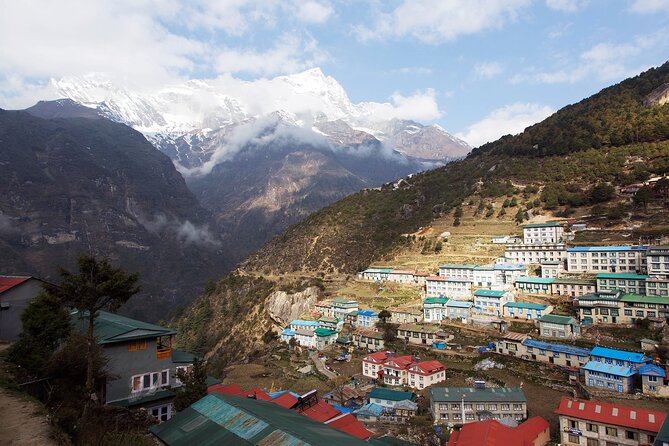
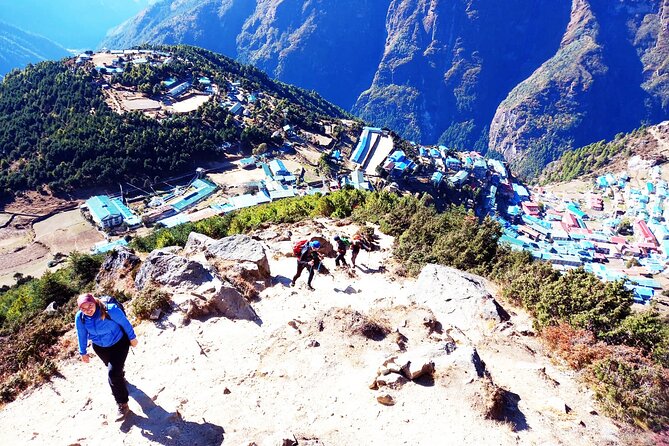
Day 2 is the climb toward Namche Bazaar, often called the gateway to the Everest region. The hike takes about 6 hours, with a stated maximum altitude around 3,438 m. That number matters because it tells you this is not a flat stroll. You will be working, just in a manageable timeframe.
The route passes through the Manjo area, so you are not just hiking in a vacuum. You see how settlements are threaded into the mountain valleys, and you get those classic in-between moments where the trail opens up and you can gauge how far you still have.
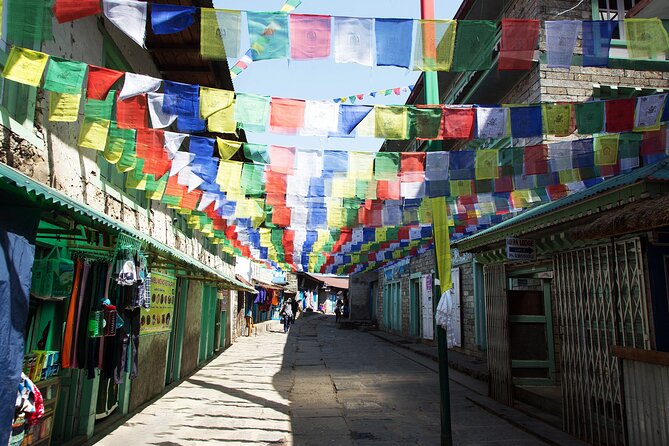
Once in Namche, you explore with time built in. Namche is known for shops and cafes, and you will also spend time getting a feel for Sherpa culture rather than only passing through. This is where a short trek starts to feel like a real place, not just a series of checkpoints.
One more thing I like about this day: it is an acclimatization-friendly step. You gain altitude, but you are not jumping straight into the highest elevations without time to adjust.
Day 3 Namche to Hotel Everest View: panoramic time at about 3,880 m
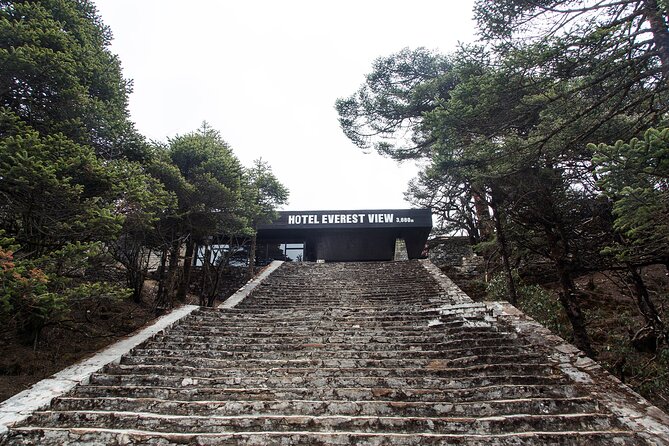
Day 3 is the main view day. You take a return trip from Namche Bazaar to Hotel Everest View for a panoramic look at Mt. Everest and its surrounding range. The stated walk time is about 3-4 hours round trip, which is a smart way to pack in the payoff without turning the whole day into exhaustion.
Here is the big reason this stops is special: the hotel is located at 3,880 m and holds a Guinness World Record for being the highest situated hotel in the world. That means the views are not something you just watch from a distant hillside. You are up in the high country, looking out from an actual built viewpoint area.
After your time at the hotel, you return back to Namche Bazaar late afternoon. Then you get free time to explore the local market at your own pace. This balance is good. You get the big Mt. Everest moment, then you return to a town where you can decompress.
Possible drawback to plan for: view days depend on weather. If clouds roll in, you may not get the clearest panorama you were hoping for. The trip is built for all-season operation, but conditions still matter.
Day 4 back to Lukla: a downhill day that still asks for focus
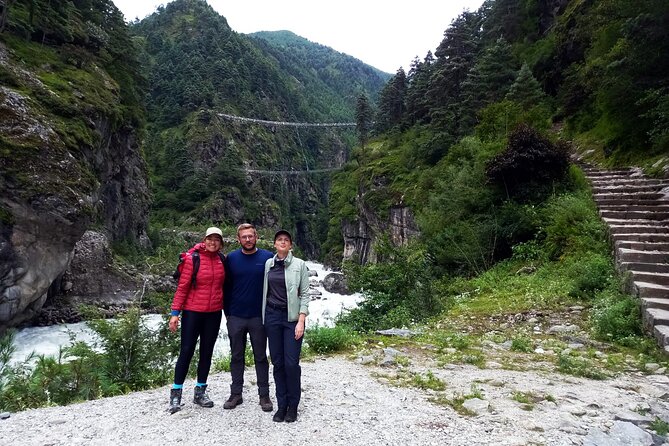
On day 4, you hike back to Lukla, taking 6-7 hours and passing through villages including Manjo and Phakding. This is the “reverse your steps” day, and it can feel straightforward because you are heading toward Lukla.
Still, do not underestimate it. Long descents can be hard on knees and ankles, and it is easy to get careless when you are tired or already thinking about the flight home. Walk with focus and take breaks before you feel like you have to.
You spend the night in Lukla at a mountain guest house setup.
What I like here from a practical point of view: you are back where the flight connection is, which reduces the risk of scrambling on your final morning. It also sets you up to enjoy the last day without stress.
Day 5 Lukla to Kathmandu: 30 minutes in the air, then real life again
Day 5 is a quick transition. You take a short 30-minute flight from Lukla to Kathmandu. After you land, you are transferred to your hotel.
This final day is about recovery and rhythm change. If you can, treat it like you are resetting your body and your brain. A trek is one kind of tired. City life is another. The sooner you get your eating and sleeping routine back on track, the more you will enjoy the rest of Nepal.
Also, you will likely have a sense of closure here. You started with that flight to Lukla. You end with the same air corridor but in reverse, so it feels like a clean loop.
When to go: how seasons change the Everest View experience
This trek is available all year long, and that matters because you can match the mountains to your style.
- Spring (March-May): chances for vibrant wildflowers and fresher daylight.
- Summer (June-August): often clearer skies, when conditions are stable.
- Autumn (September-November): golden hues in the region.
- Winter (December-February): snow and ice transform the mountains into a colder, sharper scene.
My practical advice: pick the season based on your tolerance for cold and your patience for weather variables. Winter can be stunning, but it also means you need to be ready for colder trekking conditions. Summer can bring clear views, but it can also come with more weather shifts. The tour runs all year, but you still want the right conditions for the clearest Everest panoramas.
Comfort on the trail: private bathrooms and hot showers make this trek easier
One of the biggest “quiet perks” here is accommodation quality for the trek length. You get:
- Mountain guest house accommodation
- Private bathroom
- Hot shower
That is not a small detail. On a short trek, comfort affects your mood and your energy. When you can wash up with warm water and retreat to your own space, the trek feels more manageable.
You also borrow key items before you start: trekking poles and a sleeping bag, plus a duffle bag for carrying. That means you are not forced to either buy gear you will not use again or travel with bulky items.
If you are weight conscious, this is a win. If you are gear cautious, it is also a relief.
What to expect overall: pacing, groups, and the “real” Everest vibe
This is a private tour in the sense that only your group participates. That tends to make days easier because you are not stuck between different fitness levels or different expectations.
The trekking pattern is also clear:
- Day 1: travel and a short trek down into Phakding
- Day 2: a longer climb to Namche Bazaar
- Day 3: a view-focused return trip to Hotel Everest View
- Day 4: back to Lukla
- Day 5: flight to Kathmandu
You can think of it as an efficient loop. Your legs get a workout, but your time is mostly concentrated around the biggest highlights. That is why people who want Everest-region scenery but do not have weeks to spare often like this format.
Should you book the Everest 5-day Everest View trek?
I think this is a strong choice if you want:
- A short route that still includes the Lukla flight, Namche Bazaar, and Hotel Everest View
- A trek plan that covers key logistics like permits, guides and porters, and meals
- More comfort than you typically see on budget treks, especially hot showers and private bathrooms
Book it if your biggest goal is Mt. Everest panorama time and Sherpa-region culture, without committing to a longer, higher-altitude grind.
Skip it or think twice if:
- You dislike very early starts (this one is set for 5:45 am)
- You know your flights and weather tolerance are fragile
- You are expecting a full expedition-style trek. This route centers on the Everest View experience, not a summit mission.
If you do book, come prepared for the practical realities of Nepal high-country travel, keep a steady pace, and trust the guide team. That support is where the difference shows up most, and it is the part people tend to remember longest.
FAQ
What time does the trek start?
The start time is 5:45 am, and you are picked up from your Kathmandu hotel for the first part of the day.
Is this tour private?
Yes. It is described as a private tour/activity, so only your group participates.
Are the flights to Lukla included?
Yes. The package includes return flight tickets to and from Lukla.
What is included besides guiding and porters?
You also get national park permit, local government tax, accommodation at mountain guest houses, a guide and porter, and equipment borrowing (duffle bag, trekking poles, sleeping bags).
What meals are provided during the trek?
Breakfast is included 4 times, and lunch and dinner are also included 4 times each.
Do I get my own bathroom and hot shower?
Yes. Accommodation is listed with a private bathroom and hot shower.
How long is the hike on day 2?
Day 2 is listed as hiking from Phakding to Namche Bazaar for approximately 6 hours, with a max altitude listed around 3,438 m.
How long is the flight back to Kathmandu on day 5?
The itinerary states a 30-minute flight from Lukla to Kathmandu on day 5.
Is equipment provided or do I need to bring it?
The tour includes borrowing trekking poles and a sleeping bag, plus a duffle bag.
What if the experience is canceled due to poor weather?
The experience requires good weather. If it is canceled due to poor weather, you are offered a different date or a full refund.
Latest additions near Kathmandu
- White Water River Rafting – 1 Day★ 4.3 · 3 reviews
- Traditional Momo Making Class★ 5.0 · 10 reviews
- Kathmandu to Pokhara Premium sofa bus ticket★ 4.0 · 17 reviews
- Ghorepani Poon Hill Trek★ 5.0 · 16 reviews
- Amazing 1 Day Trekking Experience in Kathmandu Nepal★ 5.0 · 24 reviews
- Ghorepani Poonhill Trek★ 5.0 · 5 reviews
- Walking tour of real Kathmandu through back streets.★ 5.0 · 3 reviews
- Wildlife Adventure in Chitwan Nepal★ 4.0 · 4 reviews
Day Tours from Kathmandu, compared.
Nagarkot Sunrise View and Day Hiking from Kathmandu
Read our review →
Private Bhaktapur and Nagarkot Day Tour From Kathmandu
Read our review →
Day Trip to Bhaktapur and Panauti from Kathmandu
Read our review →
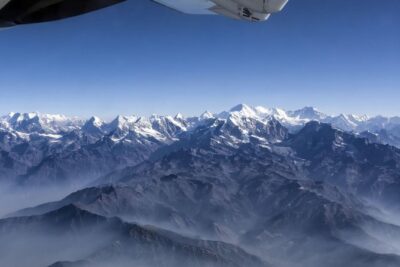
1 Hour Mount Everest flight from Kathmandu With Hotel Pick Up
Read our review →
From Kathmandu/Pokhara: 3-Day All-Inclusive Chitwan Safari
Read our review →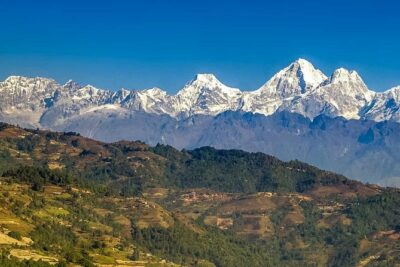
Nagarkot Sunrise & Hike to Changu Narayan Day Tour from Kathmandu
Read our review →Browse the lists this tour appears in