
Reviewed · WHITE WATER RAFTING
Beginner-Friendly Rafting Adventure on the Trishuli River
Trishuli rafting is a full-day taste of Nepal. I love the easy-to-follow rafting flow (gentle stretches first, then bigger hits), and I also like the way the day mixes action with real scenery, including the famous Trishuli Gorge and views toward Manakamana. The main tradeoff is the road, Kathmandu to the put-in is a long chunk of time, so you’ll want a comfortable mindset for the drive.
What makes this trip feel beginner-friendly is the structure. You get a safety briefing and paddling lessons before you’re sent through Class I to III rapids, then you continue on to the narrower canyon sections where the river can feel sharper. One thing to consider up front: it’s not suitable for people over 70, and the day involves changing between water and sun pretty often, so bring the right gear.
If you like rafting that’s exciting but not chaotic, this is a strong match. The crew’s focus on safety and the fun vibe on the raft stand out, and the team on the water is a big reason the day feels smooth instead of stressful. Just don’t expect unlimited drinks, the trip does not include mineral water or cold drinks during the day.
In This Review
- Key things I’d zero in on before booking
- From Kathmandu to Charaudi, the day starts with a long but comfy ride
- Pre-rafting briefing: this is where beginner confidence gets built
- Paddling the Trishuli: Class I to III rapids with a nice learning curve
- Lunch on a boulder-strewn beach, plus time to reset
- The Trishuli Gorge after lunch: where Class II becomes more intense
- What the $63 price really buys, and what you’ll want to plan for
- Packing list that keeps you comfortable, and rules you should follow
- Who this rafting day trip is for, and who should skip it
- Should you book? My take on the value and the fit
- FAQ
- Where is the rafting put-in point?
- How long is the experience?
- What rapids will I raft?
- What rafting equipment is included?
- What meals are included?
- What should I bring for the day?
- Is it suitable for seniors?
Key things I’d zero in on before booking
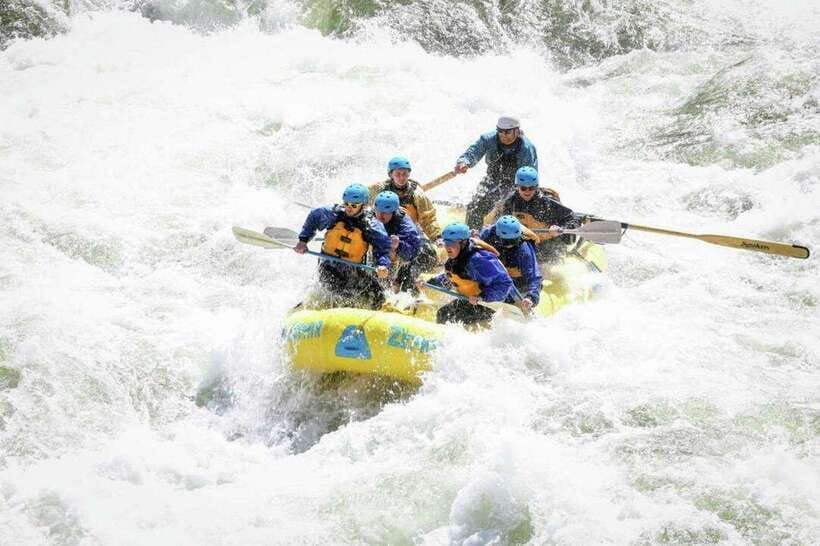
- Beginner-first pacing: paddling lessons, then Class I to III rapids before the bigger gorge sections
- Real scenery all day: Trishuli Gorge passes, forested valleys, waterfalls, villages, plus a cable car view toward Manakamana
- A strong safety setup: self-bailing raft gear, helmets, life jackets, and a safety kayak plus first aid equipment
- Lunch with atmosphere: a beach stop with uniquely shaped boulders, good downtime for photos and recovery
- Private transport from Kathmandu: makes the long drive more tolerable, and you avoid hassle with transfers
From Kathmandu to Charaudi, the day starts with a long but comfy ride
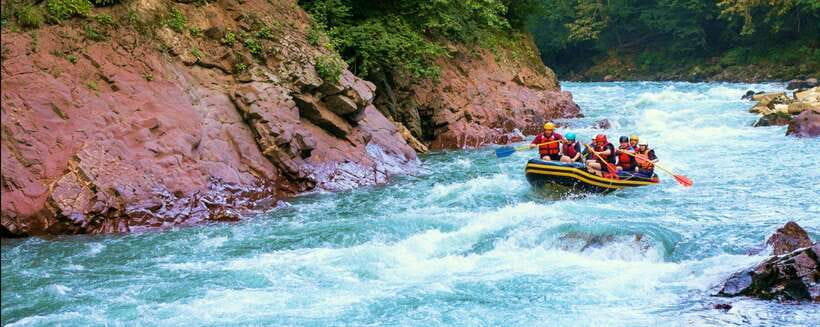
Most of your day is planned around getting from Kathmandu to the river. You’ll get picked up from your hotel, then travel by private vehicle toward Charaudi, the put-in area. The drive takes about 3 hours, so yes, it’s a time chunk, but it also means you’re not juggling public transport on a day that already has a lot going on.
Once you arrive, you shift gears fast. Locals and the team are there to set up the rafting day, and you’ll see groups geared up and ready, which helps the whole thing feel organized instead of rushed. There’s also a break period at the riverside resort area, with time for photos and free time, plus swimming time if conditions allow it.
That resort stop matters more than it sounds. It’s your buffer before paddling begins, and it gives you a chance to get your bearings, hydrate, and sort your gear. If you’re prone to feeling stiff after long travel days, this pause is a nice reset.
One practical note from the road reality: one review highlighted that the approach from Kathmandu can be a bit demanding, but the private car makes it manageable. That lines up with what you should expect, plan for a full day, and you’ll be happier once you hit the water.
More Rafting in Kathmandu
- Himalayan White Water Rafting Day Trip from Kathmandu
★ 4.0 · 22 reviews - 1 Night 2 Days Trishuli River Rafting Trip From Kathmandu With Private Car
★ 5.0 · 14 reviews - Rafting Tour In Trishuli river
★ 4.0 · 5 reviews
Pre-rafting briefing: this is where beginner confidence gets built
Right when you arrive at the rafting base, the crew handles the transition from land to river. You’ll gather for a safety briefing and you’ll get paddling lessons before you go anywhere near the rapids. This is not just a formality. The river time feels smoother when you understand what the commands mean and how your body should move in the raft.
You’ll also get the standard gear setup. Expect self-bailing rafts, life jackets, helmets, and plastic paddles. You’ll carry your things in a dry bag, and camera barrels are provided so you can protect a waterproof camera setup if you’re using one. In winter, you may also be given wetsuits for certain river conditions, which is useful information if you’re planning your trip during colder months.
The trip includes a safety kayak and safety and medical equipment, plus a first aid kit box. That matters because it tells you the company is planning for the river as a real working environment, not just “fun water time.”
For you, this is the biggest beginner advantage. Knowing what to do before you start makes the early Class I and Class II stretches feel like practice, not a test. If you’re nervous about whitewater, this portion is where the fear gets replaced by skills.
Paddling the Trishuli: Class I to III rapids with a nice learning curve
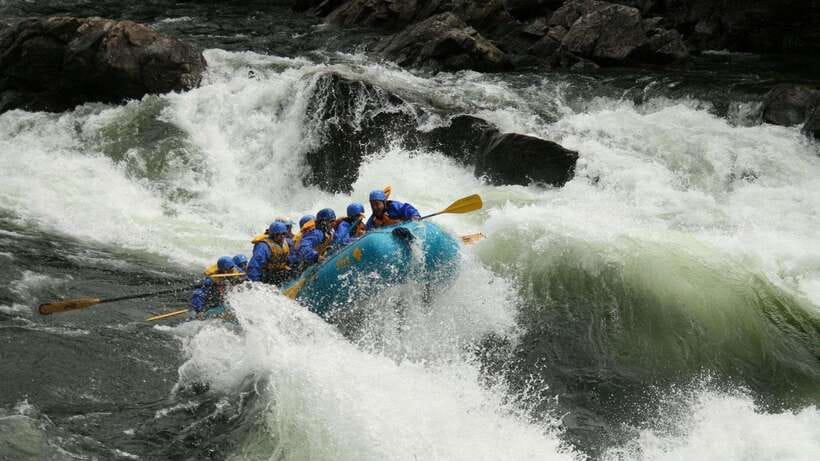
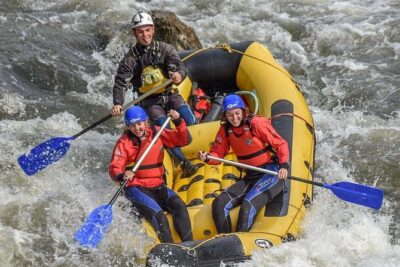
Once you hit the water, the river gives you an onboarding run. You paddle through a sequence of rapids rated on the international scale, starting with Class I to Class III. This mix is ideal for beginners because it gives you enough action to feel the thrill, without throwing you straight into the toughest sections.
A key detail is timing. You’re on the river for roughly 2 hours before the lunch stop. That means you get meaningful time to get comfortable with the raft, the rhythm of paddling, and the feeling of maneuvering as a team. You’ll learn quickly whether you prefer the front, side, or back seats based on how you feel in motion.
While you raft, you’ll also pass through scenic sections of the Trishuli River system. The river originates in the Langtang Himal region and then funnels down through valleys and deeper gorge areas. In practical terms for your day, that translates into a steady show of river scenery plus moments where the canyon walls start to feel closer.
And yes, you’ll get the “gorge teaser” effect. Even before you’re in the narrowest parts later, the river has short stretches that hint at what’s coming after lunch. It helps you mentally prepare, and it gives you a natural storyline for the day: learn first, then level up.
Lunch on a boulder-strewn beach, plus time to reset
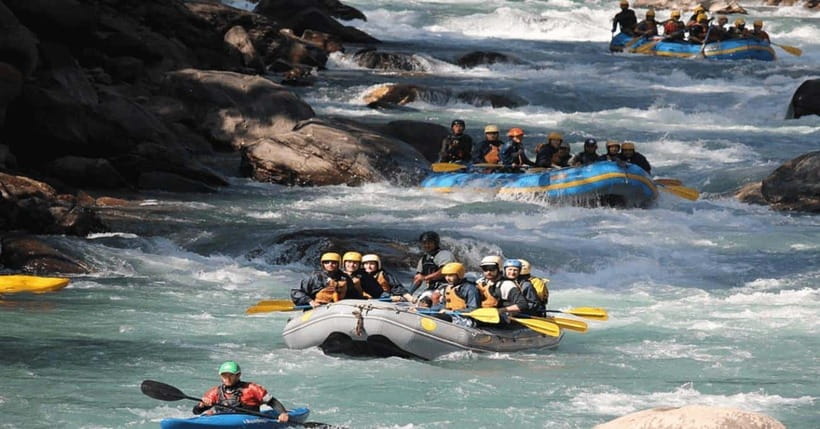
After about 2 hours on the river, you arrive at a riverside beach stop. This is a lunch break with real atmosphere, not a quick snack. The beach is described as being lined with uniquely shaped boulders, which makes it a better photo stop than you’d expect for a meal break.
You’ll enjoy outdoor food here, and meals are included in the trip. The tour notes that lunch is Western and continental style, which is a helpful detail if you’re worried about the food being hard to predict. The timing of the lunch break also helps your energy levels. After a morning of paddling and water movement, you’ll likely appreciate sitting down, drying off, and letting your muscles calm.
Don’t underestimate the value of this pause. Whitewater days can sneak up on you. Even if you feel fine in the morning, your body may get tired from constantly bracing and adjusting in the raft. Lunch plus a quiet scenic reset is how you keep the afternoon from feeling like pure survival.
There’s also a practical element for your gear. If you brought a waterproof camera, this is a good moment to check battery life, wipe down lenses, and make sure your dry bag still feels dry. You’ll be glad later if you handled this small routine now.
Another way to spend the time in Nepal:
- Everest Base Camp Trek – 14 Days
★ 5.0 · 1,499 reviews - Everest Base Camp Trek
★ 5.0 · 842 reviews - Private Kathmandu Sightseeing Tour | UNESCO World Heritage sites
★ 5.0 · 756 reviews - Kathmandu: 7 UNESCO Sites with Lunch
★ 4.8 · 744 reviews
The Trishuli Gorge after lunch: where Class II becomes more intense
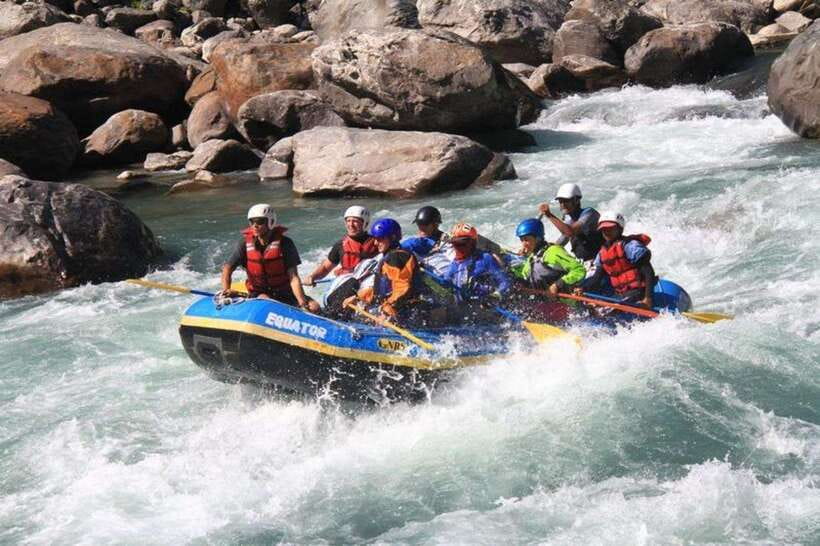
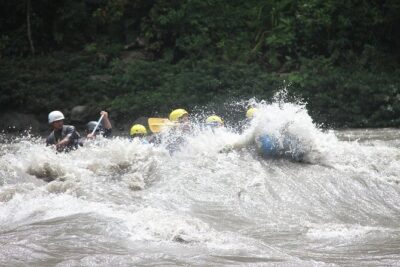
The afternoon is when the river ups the intensity. After lunch, you continue downstream into the impressive Trishuli Gorge, described as having narrow passages and steep walls. That kind of canyon shape matters for rafting, because it creates more frequent, tighter water movement. The result is rapids that can feel fiercer and show up more often.
Even if you’re a beginner, this part is still part of the same day plan, not a separate “expert-only” tour. The overall rafting range for the day is listed from Class I to IV, and the gorge sections are where that upper end is more likely to be felt. You should still expect a challenge, but the day’s structure gives you a fair chance to build confidence before the tighter canyon sections start.
This is also where your scenery instincts kick in. The gorge setting changes how sound carries and how your eyes track the next turn. If you’re someone who gets stressed when you cannot see far ahead, you’ll likely do better when you remember you’re following the guide and crew rhythm, not making decisions alone.
And it’s not just canyon walls and water. The trip mentions broader surroundings, including lush forest, waterfalls, and picturesque villages along the river corridor. You may also get a view of the cable car going to the well-known Hindu Temple Manakamana. Even if it’s just a glimpse, it adds depth to the day beyond the raft itself.
What the $63 price really buys, and what you’ll want to plan for
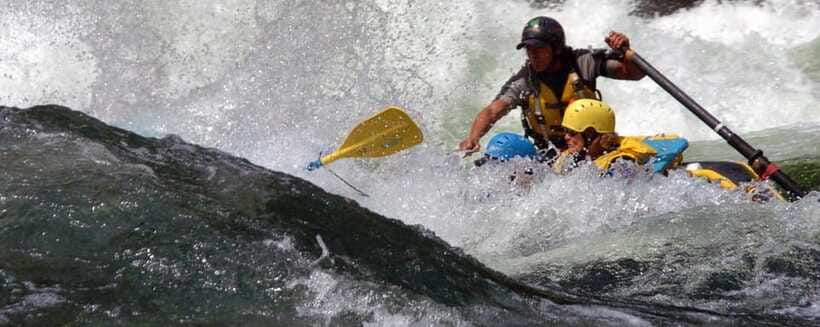
At about $63 per person, this is a fairly solid deal for a day like this, as long as you value the full package. You’re not paying just for rafting. You also get Kathmandu to Charaudi and back by private vehicle, meals including a lunch, the river permit, and the core raft gear like life jackets, helmets, and paddles.
You’re also paying for safety staffing and equipment support. The tour includes necessary staff, a safety kayak, and a first aid kit. That cost is often the difference between a smooth day and a “we’ll figure it out” situation on the river.
Where you should budget extra is simple: mineral water, cold drinks, and alcoholic beverages are not included during the whole trip. If you want water beyond what’s provided by the crew, bring it to the extent the rules allow, but the data clearly says alcohol is not part of the plan. Also, intoxication is not allowed and drinks in the vehicle are prohibited.
If you’re the kind of person who gets cold easily, consider clothing more than souvenirs. In winter, you may receive wetsuits for certain river conditions, but the rest of the day still involves sun, splashes, and drying time.
Packing list that keeps you comfortable, and rules you should follow
This tour gives you a lot of gear, but you’re still responsible for your comfort items. The essentials to bring include sunglasses, a sun hat, sunscreen, swimwear, and a change of clothes. Comfortable shoes matter, especially for moving around the resort and river edge before and after rafting.
A waterproof camera approach can help a lot. If you have a camera barrel setup or waterproof case you trust, bring it. The tour also suggests a waterproof camera and a waterproof-protective plan for photos.
Sunscreen is specifically called out, including biodegradable sunscreen. That’s a nice sign for a river day, where chemicals can matter more than you might think. Also bring a face mask or protective covering, which can help with dust and sun depending on conditions.
Now the rules part, because it keeps you out of trouble. Intoxication is not allowed. Alcohol and drugs are not allowed. And you can’t have drinks in the vehicle. If you’re traveling with friends, this is where you set expectations before you go, so nobody shows up with a misunderstanding and ruins the vibe.
Who this rafting day trip is for, and who should skip it
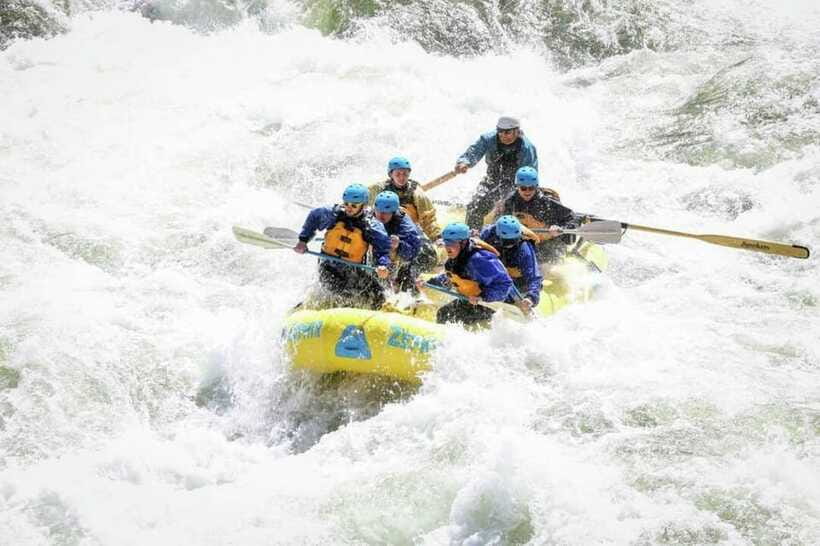
This is designed for beginner-friendly rafting, and the content supports that. You start with paddling lessons, the early rapids run Class I to III, and you get a big break for lunch before the gorge sections.
You’ll likely enjoy it most if you are:
- New to rafting or returning after a break
- Comfortable with a long day and some physical effort
- A nature fan who wants forests, waterfalls, villages, and canyon scenery in one shot
It’s not suitable for people over 70. If you’re older, or you have balance or mobility limitations, you’ll want to think carefully about the whole day, including moving around the resort and the water edge.
If you hate being outdoors in sun and wind, pack smart and expect that comfort. Even the best planning cannot remove the fact that you will be wet at least some portion of the day.
Should you book? My take on the value and the fit
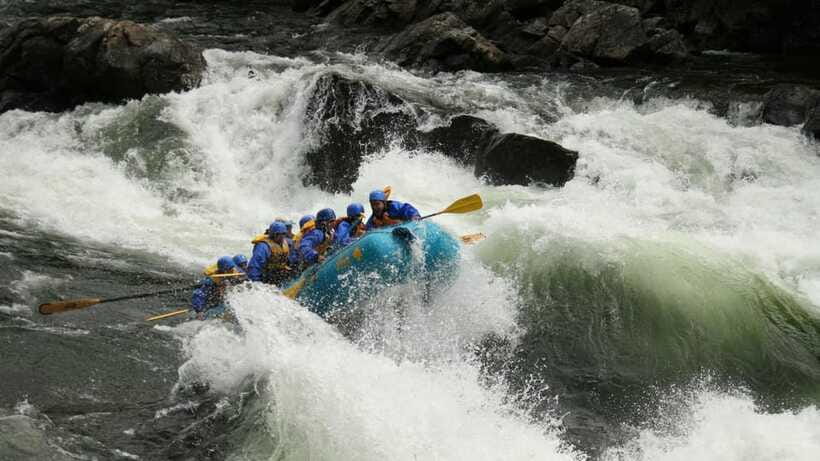
If you want a single day that combines rafting, gorge scenery, and a relaxing lunch reset, I’d say this one is worth serious consideration. The pricing feels fair for the package, especially because private transport, meals, permits, and core safety gear are included. And the standout factor from real feedback is the team on the raft, which helps the whole experience feel controlled and fun.
Book it if you’re a beginner who learns fast, or a nature lover who still wants genuine whitewater thrills. Skip it if your main priority is a short outing, because this is a long day built around road time and a full river route.
Finally, if you’re sensitive to motion, plan for the 3-hour drive each way. The private vehicle helps, but you still need to treat this like a full-day commitment, not a quick side activity.
FAQ
Where is the rafting put-in point?
The rafting day includes transport from Kathmandu to Charaudi, which is the put-in point for the Trishuli River rafting.
How long is the experience?
It’s a one-day trip. The schedule includes a long drive from Kathmandu and an activity plan that totals about 12 hours.
What rapids will I raft?
The rafting includes a mix of rapids rated from Class I to IV, with sections that include Class I to Class III before lunch and more intense gorge rapids after lunch.
What rafting equipment is included?
You’ll receive self-bailing raft equipment, life jackets, helmets, and plastic paddles. The trip also includes safety and medical equipment, a safety kayak, and a first aid kit box. A dry bag for your gear and camera barrels are also included. Wetsuits may be used during winter conditions on certain rivers.
What meals are included?
Meals are included, including Western and continental food for lunch during the rafting trip.
What should I bring for the day?
Bring comfortable shoes, sunglasses, a sun hat, swimwear, a change of clothes, sunscreen (including biodegradable sunscreen), a waterproof camera option, comfortable clothes, and a face mask or protective covering.
Is it suitable for seniors?
No. The activity is not suitable for people over 70 years old.
Latest additions near Kathmandu
- White Water River Rafting – 1 Day★ 4.3 · 3 reviews
- Traditional Momo Making Class★ 5.0 · 10 reviews
- Kathmandu to Pokhara Premium sofa bus ticket★ 4.0 · 17 reviews
- Ghorepani Poon Hill Trek★ 5.0 · 16 reviews
- Amazing 1 Day Trekking Experience in Kathmandu Nepal★ 5.0 · 24 reviews
- Ghorepani Poonhill Trek★ 5.0 · 5 reviews
- Walking tour of real Kathmandu through back streets.★ 5.0 · 3 reviews
- Wildlife Adventure in Chitwan Nepal★ 4.0 · 4 reviews
White Water Rafting, compared.
Half Day Upper Seti Rafting & Paragliding adventure
Read our review →
Himalayan White Water Rafting Day Trip from Kathmandu
Read our review →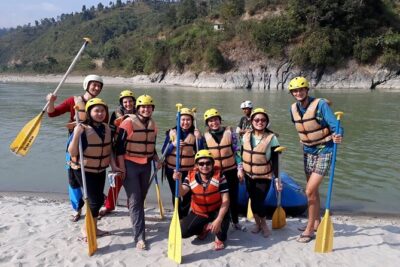
1 Night 2 Days Trishuli River Rafting Trip From Kathmandu With Private Car
Read our review →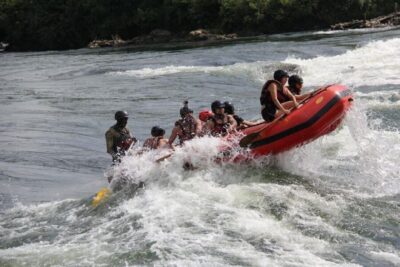
Rafting in Nepal: Trishuli, Bhotekoshi & Other River Rafting
Read our review →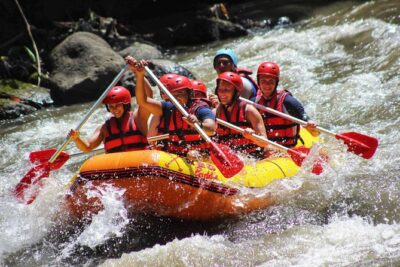
Browse the lists this tour appears in