
Reviewed · POON HILL TREKS
Annapurna Poon hill Sunrise Trek
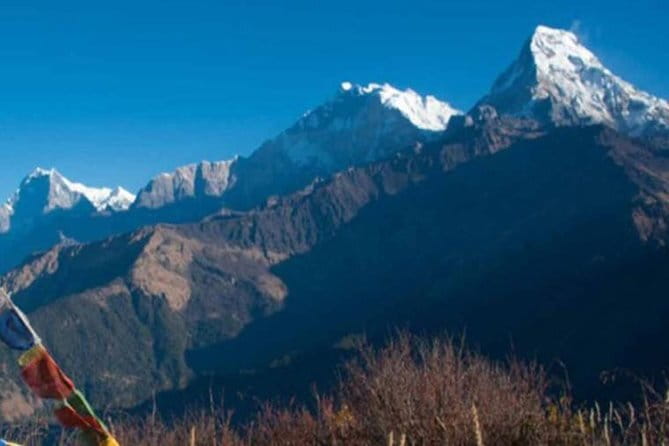
Poon Hill sunrise is the whole point. This 8-day Annapurna Poon Hill Sunrise Trek by Well Plan Trekking strings together classic mid-hill villages, rhododendron forests, and that jaw-dropping dawn panorama from 3,210m. I like the smooth door-to-door support (Kathmandu pickup, Pokhara stays, guide and porter, and transfers back to Kathmandu), and I like the value built in: permits, trek meals, and the key transports are included. One thing to consider: you will start early on the sunrise day and you’ll walk lots of stone steps, so pack for tired legs and chilly mornings.
A big plus is how the trip is run with follow-through. In particular, the operator team led by Ram Pant gets highlighted for reliability, doing what they promise, and keeping things organized from airport arrival through the trek. The main drawback is also the most common reality in the Annapurna foothills: you’re traveling on a short schedule, so it depends on good weather for the best mountain views.
In This Review
- Key things that make this trek work
- Why Poon Hill sunrise feels like a smart move
- Value check: what you’re really paying for at $736
- Kathmandu arrival and the comfort of being met
- Pokhara setup by Phewa Lake: the pre-trek mood
- Day 3: Nayapul to Hille and the stone-step rhythm
- Day 4: Ghorepani, old trade routes, and rhododendron season magic
- Day 5: Pun Hill sunrise at 3,210m, then breakfast and downhill
- Day 6: Tadapani down to Ghandruk and the big Gurung village feel
- Day 7: Pokhara to Kathmandu return, with an optional flight
- Day 8: airport transfer and moving on
- Weather and mountain views: what you should plan around
- How difficult is the Annapurna Poon Hill Sunrise Trek?
- Who should book this trek, and who should rethink
- Practical notes before you go
- Should you book the Annapurna Poon Hill Sunrise Trek with Well Plan Trekking?
- FAQ
- What is the highest altitude on this trek?
- How many days is the Annapurna Poon Hill Sunrise Trek?
- Are airport transfers included in the price?
- What permits are included?
- Are meals included during the trek?
- Do you travel between Kathmandu and Pokhara by bus?
- Is there an option to fly instead of driving back to Kathmandu?
- Do you get a guide and porter?
- Do I need travel insurance?
- What should I plan for on the sunrise day?
Key things that make this trek work
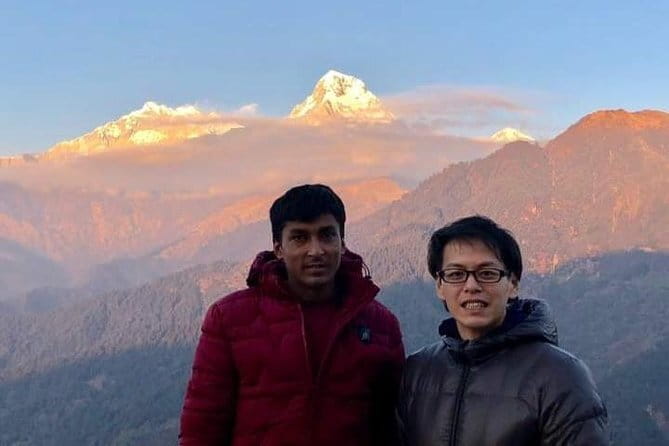
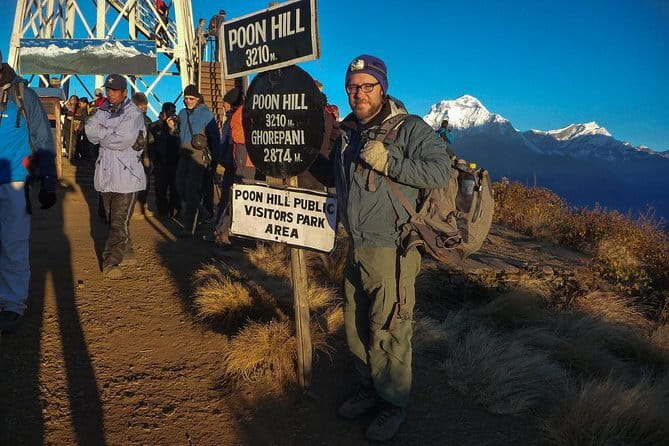
- 3,210m high point at Poon Hill gives you maximum views for a short, moderate trek
- Early sunrise hike plus a return to Ghorepani for breakfast, so the day feels efficient
- All major permits included (TIMS and Annapurna Conservation Permit), which removes a big hassle
- Village variety from Ulleri and Ghorepani to Ghandruk, with forests of rhododendron, magnolia, pines, oak, and fir
- Genuine logistical support with pickup, Kathmandu and Pokhara hotel stays (B.B), and guided meals on the trail
- Private group setup, so you’re not sharing your pace with people who hike like they’re training for a marathon
Why Poon Hill sunrise feels like a smart move
The Annapurna region can eat up time if you chase big-ticket routes. Poon Hill is the opposite approach. You get big Himalayan views without spending days climbing technical terrain, and the trek stays in the mid-hills where village life and forest walking are part of the experience.
The altitude matters too. You top out at 3,210m at Poon Hill, which is high enough for real mountain drama, but not so high that you need a long acclimatization plan for most people. You still should respect the cold at dawn and go slow on the first climbs, but the hike profile is built for a “short and scenic” goal.
And you’re not just standing there once. The itinerary keeps you moving through viewpoints, ridges, and forests, so the trip doesn’t feel like a single photo stop followed by boredom.
More Treks in Kathmandu
- Everest Base Camp Trek – 14 Days
★ 5.0 · 1,499 reviews - Everest Base Camp Trek
★ 5.0 · 842 reviews - Everest Base Camp Trekking
★ 5.0 · 485 reviews
Value check: what you’re really paying for at $736
$736 per person is not pocket change, so I look at what’s included and what that protects you from.
Here’s what the price covers:
- 2 nights in Kathmandu and 2 nights in Pokhara with bed and breakfast
- Lunch and dinner during the trek (plus breakfast during the trekking days, totaling 8 breakfasts listed)
- Kathmandu to Pokhara and back by tourist bus
- Permits: TIMS and the Annapurna Conservation Permit
- An experienced, English-speaking trekking guide
- One porter for two clients
- Airport and city transfers tied to your arrival and departure times
- Mobile ticket support
What’s not included (and you should plan for):
- Travel and rescue insurance
- Personal expenses like water, battery recharge, and bar bills
- Tips for guide and porter
- Kathmandu and Pokhara lunch and dinner
The practical value here is reducing friction. You’re not spending time on permit lines, negotiating lodge meals, or trying to coordinate guides on your own. For a first Annapurna trek, that matters. Even for repeat visitors, it’s nice to have a plan that actually runs on time.
Kathmandu arrival and the comfort of being met
Day 1 is straightforward: depending on your arrival time, a representative meets you at the airport and transfers you to your booked hotel. That’s the kind of detail that makes day one feel easier, especially if you land tired, hungry, or both.
You then get a full Kathmandu day as a buffer. The itinerary doesn’t pack it with trekking tasks, and that’s on purpose. Kathmandu is where you can handle last-minute supplies, sort out cash, and confirm you have the right layers for cold mornings.
Pokhara setup by Phewa Lake: the pre-trek mood
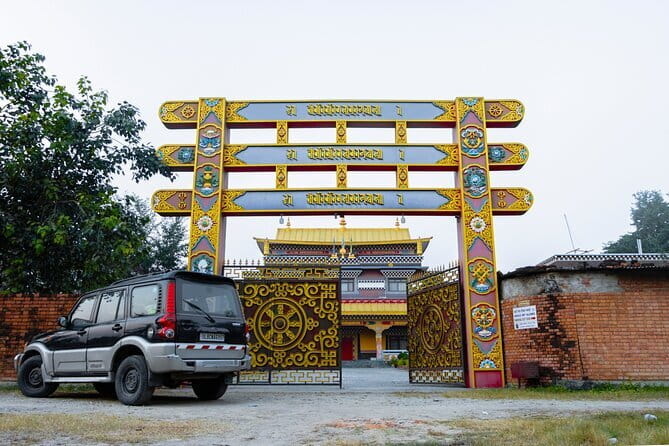
On Day 2 you drive from Kathmandu toward Pokhara, with a comfortable coach or tourist bus. The route is part of the show: you pass through scenery and you get close views of the Annapurna Himalaya area, including Machhapuchare, the Fish Tail peak.
When you reach Pokhara, you transfer to your hotel by Phewa Lake. You’re there to sleep, eat, and reset. You also get an afternoon that’s open for short lakeside walks, which is ideal the day before your first real uphill.
One smart benefit of using Pokhara as your base is that it keeps the trek start from feeling abrupt. You wake up near a comfortable city, not deep in the hills.
More Poon Hill treks:
- 4 Days Poon Hill Trek
★ 5.0 · 94 reviews - Ghorepani(Poonhill Trek)
★ 5.0 · 81 reviews - 4-day Poon Hill Trek
★ 5.0 · 74 reviews - Ghorepani Poon Hill Trek
★ 5.0 · 61 reviews
Day 3: Nayapul to Hille and the stone-step rhythm
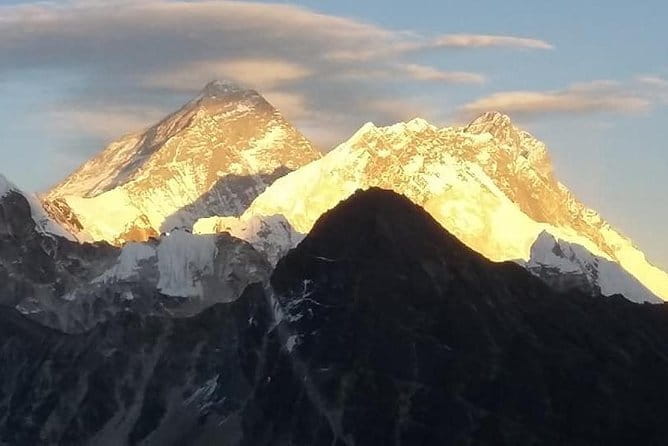
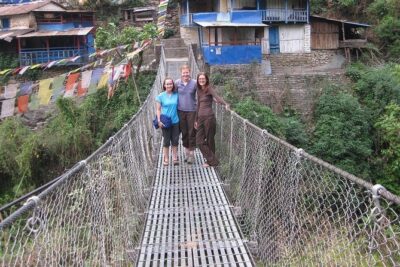
Day 3 starts with a short drive beyond Pokhara and then a move toward Nayapul. From there you follow the Modi River route toward Bhirethati village, and the path shifts into farm villages and terraced fields.
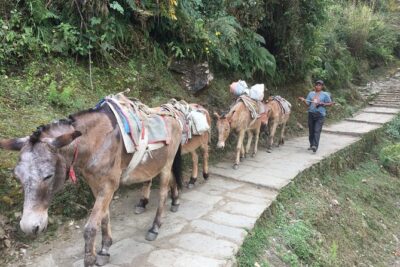
This is a day for climbing in your body, not your ego. You reach Hille, then begin walking toward Ulleri. The route includes stone-paved steps, and they add up. It’s not described as technical, but it is a “move up, feel it in your calves, keep going” kind of day.
Ulleri is a good first village stop because it’s close enough to Pokhara’s comfort to ease into the rhythm. The views are always around too, which helps pass the time during steeper moments.
Tip for your pacing: if you want to enjoy sunrise more, start practicing slow breathing now. The faster you force it, the more you’ll pay later on steps.
Day 4: Ghorepani, old trade routes, and rhododendron season magic
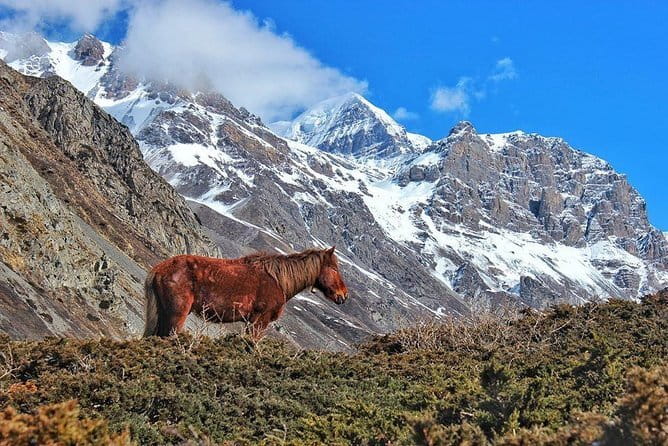
The morning continues uphill from Ulleri and Bhirethati toward a ridge. Then you wind into forest walking through tall rhododendron, magnolia, pines, oak, and fir trees.
This day is about variety. You’re not just moving from point A to point B. You get stretches where the forest feel quiet and shaded, then you pop out near viewpoint areas where the mountain range opens up.
You finish at Ghorepani, described with blue-painted houses for lodges. Ghorepani is also tied to the old Trans-Himalayan Salt Trade Route that once connected Nepal and Tibet via the Karo-la route toward Upper Mustang.
That detail matters because it frames Ghorepani as more than a random overnight stop. This was travel territory long before modern trekking routes existed. Today it still feels like a crossroads, which is why the village is built to serve trekkers.
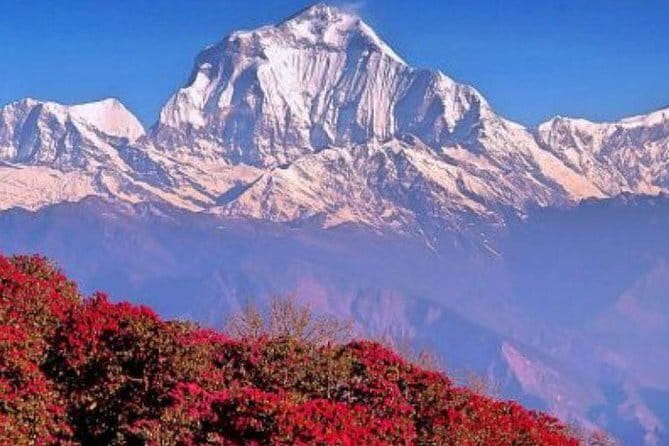
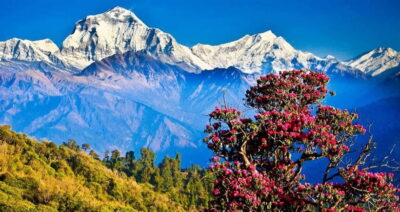
In spring, rhododendron blooms turn the hills into a colorful show. Even outside peak blooms, you still get the forest variety and the sense of being in the mid-hills, not above them.
Day 5: Pun Hill sunrise at 3,210m, then breakfast and downhill
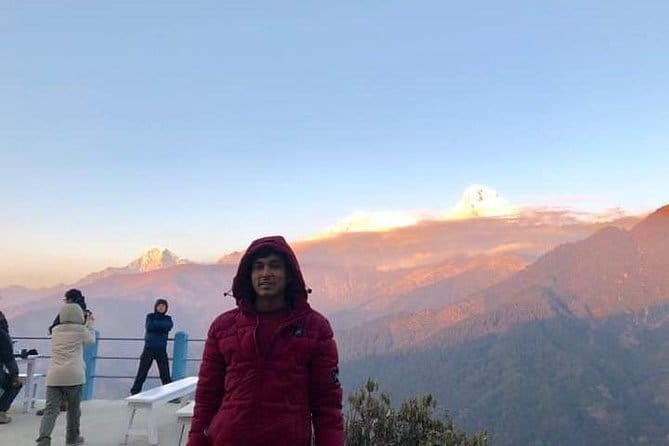
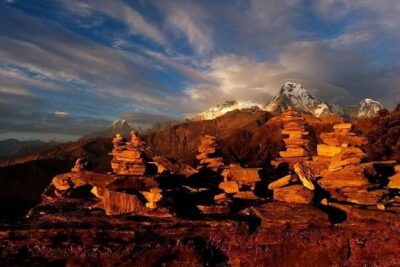
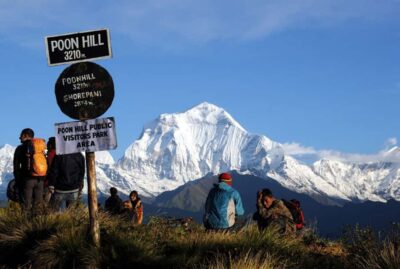
This is the money day. You start early and hike for about an hour or more uphill to Pun Hill, the highest spot on this trek at above 3,210m. The reward is sunrise over a panorama that includes Dhaulagiri, Tukuche, Nilgiris, Annapurna, and the Manaslu range, plus the famous Fish Tail peak, Machhapuchare.
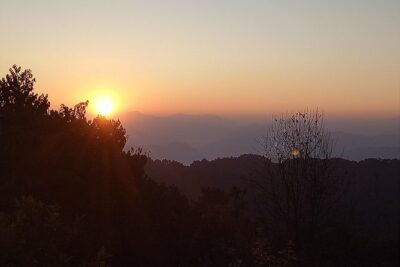
It’s hard to overstate how much “time of day” changes the Annapurna region. Dawn light is softer, shadows build depth, and the peaks look sharper against the sky. You’re also moving while the air is often calmer. That makes a difference when you’re trying to enjoy views instead of fighting weather.
After the sunrise viewing, you head back to Ghorepani for breakfast. Then you continue trekking uphill through rhododendron forest and start a descent with the last climb toward Tadapani.
Tadapani is described as being in a forest area with superb views, which matters because it keeps the trail satisfying even after the big sunrise moment. You’re not rewarded, then immediately bored.
Practical reality: sunrise treks can be cold. Even if the days are mild, dawn is when your layers get tested.
Day 6: Tadapani down to Ghandruk and the big Gurung village feel

Day 6 transitions from forest and mist-filled downhill walking into terraced farm fields above Ghandruk. Ghandruk is highlighted as a major, large Gurung village in the Annapurna region.
That cultural shift is one of the best parts of a short trek. You get the mountain focus at Pun Hill, then you slow down into a village where people live and work. Even if you keep your stop simple, you get a stronger sense of what this region is like beyond trekking.
After a refreshing break in Ghandruk, you descend and then board a vehicle for the drive back to Pokhara by Phewa Lake. It’s a clean wrap for the trek portion, and it helps you avoid turning “walking day” into “tired disaster day.”
Day 7: Pokhara to Kathmandu return, with an optional flight
Day 7 is a drive back to Kathmandu. The itinerary states about 5-6 hours of road time, with a free afternoon on arrival for last-day shopping and souvenir browsing or just downtime.
If you’d rather skip the long drive, there is an option by air, about 30 minutes, with views. That can be worth considering if you want to keep your energy for Kathmandu and not spend the whole day recovering in a bus seat.
Day 8: airport transfer and moving on
Your last day is tied to your international flight time. Staff transfer you to the airport for your flight home or to your next port of call.
This final-day structure is underrated. It means you’re not scrambling for transport while you’re tired after the trek.
Weather and mountain views: what you should plan around
This experience requires good weather. That doesn’t mean you won’t go if clouds show up, but it does mean the best mountain views at sunrise are not guaranteed.
So I suggest you plan your expectations around that. The trek is scenic even without perfect skies, but Pun Hill is the headliner. If clouds roll in, the views can be muted.
The upside is that the trek itself is enjoyable in any conditions, with forest walks and village scenery along the way.
How difficult is the Annapurna Poon Hill Sunrise Trek?
The trek is described as moderate and aimed at most travelers. The maximum elevation is 3,210m, which is manageable for many people with normal fitness. Still, you should expect:
- Early starts on the sunrise day
- Repeated uphill and downhill walking
- Stone steps and steep sections in the hills
If you’re comfortable hiking for several hours, taking breaks, and handling cold mornings, you’re in the right place. If you know you struggle with stairs, you might still go, but plan for slower pacing.
Who should book this trek, and who should rethink
This trek is a great fit if you want:
- Big Annapurna views in a short trip
- A manageable altitude profile
- Village-to-village walking, including Ghandruk
- A sunrise experience without a month-long commitment
You might rethink if:
- You have very limited ability to walk on stone steps
- You dislike early mornings and cold starts
- You’re hoping for a completely weather-proof viewing schedule
The private setup also helps. Only your group participates, so the pace and coordination should feel more natural.
Practical notes before you go
Since a lot is included, your planning effort can focus on you, not logistics.
Bring these basics:
- Warm layers for dawn at Pun Hill
- Good grip shoes for stone steps
- A small daypack for water and layers
- Extra cash for personal expenses like water, battery recharge, and tips
Permits are included (TIMS and Annapurna Conservation Permit), so you don’t need to figure that out ahead of time. Still, you should bring your documents as the operator may need them during processing.
Should you book the Annapurna Poon Hill Sunrise Trek with Well Plan Trekking?
I’d book it if you want a short, classic Annapurna taste with strong support. The value is real because permits, guide, porter, trek meals, key transfers, and both Pokhara and Kathmandu hotel nights are handled for you. The highlight, Pun Hill sunrise from above 3,210m, is the kind of experience that justifies the early start.
I’d think twice only if you know you hate stair-heavy uphill days or you are very sensitive to cold mornings. Also, if weather conditions are a hard deal-breaker for you, keep your schedule flexible since the area runs on mountain weather patterns.
If you like organized travel, steady guidance, and that classic mid-hills rhythm, this is a solid pick. It is not trying to be a giant, complicated trek. It’s aiming for the views, the villages, and a clean return to town when you’re done.
FAQ
What is the highest altitude on this trek?
The highest point is Pun Hill at above 3,210m.
How many days is the Annapurna Poon Hill Sunrise Trek?
The duration is about 8 days.
Are airport transfers included in the price?
Yes. A representative can meet you at the airport and transfer you to your booked Kathmandu hotel, depending on your arrival time. There are also staff transfers to the airport on the last day based on your flight time.
What permits are included?
The package includes the TIMS and the Annapurna Conservation Permit.
Are meals included during the trek?
Yes. Lunch and dinner are included during the trek, and breakfast is included (8 breakfasts are listed). Lunch and dinner in Kathmandu and Pokhara are not included.
Do you travel between Kathmandu and Pokhara by bus?
Yes. Kathmandu to Pokhara and back is included by tourist bus.
Is there an option to fly instead of driving back to Kathmandu?
Yes. There is an option by air, about 30 minutes, with views.
Do you get a guide and porter?
Yes. The package includes an experienced, English-speaking trekking guide and one porter for 2 clients.
Do I need travel insurance?
Travel and rescue insurance is not included, so you should arrange it yourself.
What should I plan for on the sunrise day?
You hike early to Pun Hill for sunrise views, then return for breakfast in Ghorepani and continue trekking afterward.
Latest additions near Kathmandu
- White Water River Rafting – 1 Day★ 4.3 · 3 reviews
- Traditional Momo Making Class★ 5.0 · 10 reviews
- Kathmandu to Pokhara Premium sofa bus ticket★ 4.0 · 17 reviews
- Ghorepani Poon Hill Trek★ 5.0 · 16 reviews
- Amazing 1 Day Trekking Experience in Kathmandu Nepal★ 5.0 · 24 reviews
- Ghorepani Poonhill Trek★ 5.0 · 5 reviews
- Wildlife Adventure in Chitwan Nepal★ 4.0 · 4 reviews
- Walking tour of real Kathmandu through back streets.★ 5.0 · 3 reviews
Poon Hill Treks, compared.
4-Day Ghorepani, Poonhill & Ghandruk Mountain Trek
Read our review →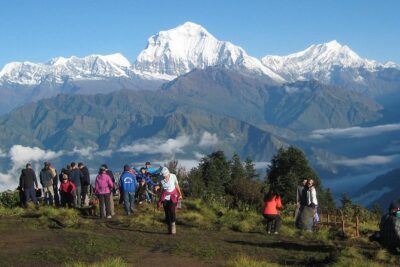
Browse the lists this tour appears in