
Reviewed · POON HILL TREKS
Pokhara: 3- days Poon Hill Trek
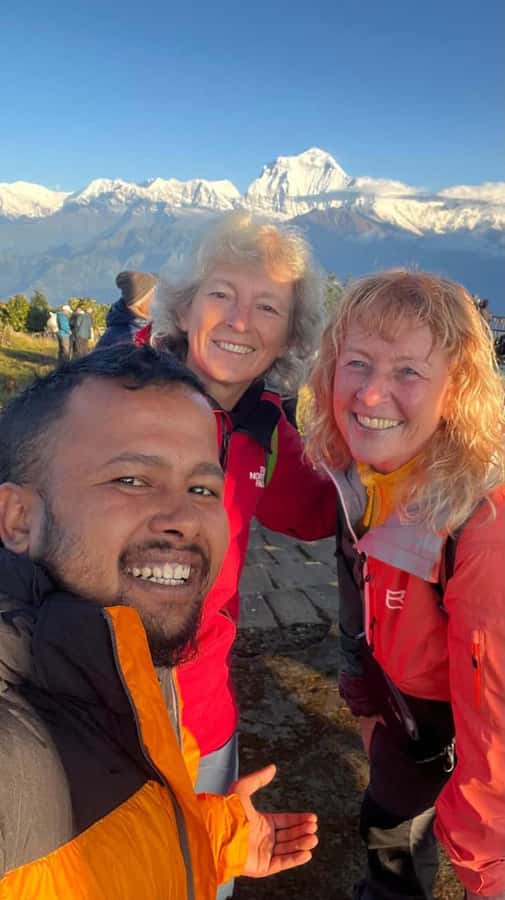
Sunrise here feels unfairly good. This 3-day Poon Hill and Ghorepani hike from Pokhara brings you Poon Hill sunrise panoramas and close-up looks at Machapuchare. I like that it also mixes real village life, with stops in places like Tikhedhunga and Ulleri, not just mountain scenery. One thing to plan for: mornings start early, and weather can shuffle the feel of the hike.
You’ll get solid handholding without turning it into a bus tour. Hotel pickup and drop-off in Pokhara, a professional guide, permits, and overnight accommodation on the trail are all part of the package, plus a water bottle each. Based on what I’ve heard from past hikers, the guide support is a big reason people feel confident and actually enjoy the climb.
The one potential drawback is pacing and comfort. This is a moderate trek with basic accommodation, and the trip is not a good match if you have back problems, are pregnant, or need something very kid-friendly. Bring warm layers and be ready to walk.
In This Review
- Key Things To Know Before You Go
- First Impressions in Pokhara, and Why This Trek Hits the Sweet Spot
- Pokhara to Ulleri: Nayapul, the Bhurungdi River, and a Tikhedhunga Pause
- Ulleri to Ghorepani: Rhododendrons, Big Mountain Faces, and Machapuchare Coming Into Focus
- Poon Hill Sunrise Day: The Pre-Dawn Climb, the Panoramic Payoff, and the Trip Home
- Rajesh and the Kind of Guidance That Makes the Trek Feel Easier
- Price and Value: Is $147 Fair for a 3-Day Guided Poon Hill Trek?
- What’s Included Versus What You Need to Budget Separately
- Trail Fitness, Early Mornings, and Weather Reality
- Packing for Comfort: Shoes, Warm Layers, Sunscreen, and Smart Snacks
- Who Should Book This Trek, and Who Should Skip It
- Should You Book the Pokhara Poon Hill and Ghorepani Trek?
- FAQ
- How long is the Poon Hill and Ghorepani trek from Pokhara?
- Where does the trek start and how do you get there?
- What are the main hiking days and overnight stops?
- Is breakfast or food included?
- Are permits included?
- Is a guide provided?
- Do I need cash for personal expenses?
- Can I hire a porter if I want help with my bag?
- Is smoking allowed during the experience?
Key Things To Know Before You Go
- Poon Hill sunrise is the main event, and you’ll start the last day before dawn to catch it right
- Machapuchare views show up during the trek, especially as you head toward Ghorepani
- Village breaks matter: Tikhedhunga and Ulleri give you the human side of the Annapurna region
- Permits and guidance are handled by a professional guide, with cultural context along the way
- Food is on you during the trek, even though tea house stops are part of the experience
- Weather affects everything, so flexibility helps more than overpacking your plans
First Impressions in Pokhara, and Why This Trek Hits the Sweet Spot
Pokhara is a great place to start because the whole Annapurna region feels close, even when you’re walking into the hills. You’ll be picked up from your hotel, then driven to the trailhead. After that, the day-to-day rhythm becomes simple: hike, pause for views and village life, then sleep in basic but welcoming mountain lodges.
What makes this trek work for most people is the mix of rewards. You’re not only going for a single viewpoint. You’ll see mountain faces along the way, then you’ll get the big sunrise payoff at Poon Hill, and you’ll finish with an easy return by minibus to Pokhara. You also get a strong sense of route culture, because the trail passes through villages like Tikhedhunga and Ulleri, where you can watch daily life continue around you.
Also, this trek is short enough that you can feel proud of yourself without feeling crushed. Three days is long enough to earn those morning views, but short enough that you don’t need weeks of training just to have a good time.
More Treks in the Annapurna Region
- Pokhara: 7 Day Annapurna Base Camp Trek
★ 4.9 · 38 reviews - Pokhara: 2 & 3 Days Ghorepani Poon Hill Private Guided Trek
★ 4.9 · 27 reviews - Pokhara: 1-Day Scenic Australian Camp & Dhampus Guided Hike
★ 4.9 · 24 reviews
Pokhara to Ulleri: Nayapul, the Bhurungdi River, and a Tikhedhunga Pause
Day 1 starts with a drive from Pokhara to Nayapul. When you reach Nayapul, you begin walking along the Bhurungdi River corridor. This matters more than it sounds. A river route often means steady movement, and it helps you settle into the trek without a sudden hard start.
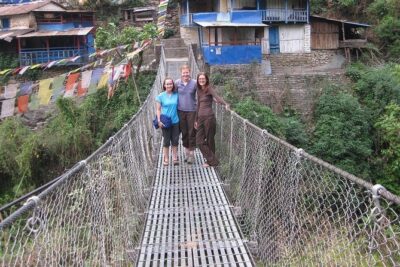
Your walk continues until you reach Ulleri, where you’ll sleep. Ulleri is a classic stop on routes in this area because it’s small, scenic, and full of trail energy. Even if you’re not doing anything fancy, the village pace slows you down in a good way.
About halfway in, you stop in Tikhedhunga. This is one of those small places that sticks with you because it has a recognizable vibe. Tikhedhunga is known for yoga retreats, so the atmosphere can feel different than a purely farming village. You get a break, you can stretch, and you get a chance to talk with locals or your guide about how the region blends everyday life with visiting wellness culture.
Practical tip: if your legs feel heavy on Day 1, don’t panic. The first day is often about getting your rhythm, not chasing speed. Wear comfortable shoes and start steady.
Ulleri to Ghorepani: Rhododendrons, Big Mountain Faces, and Machapuchare Coming Into Focus
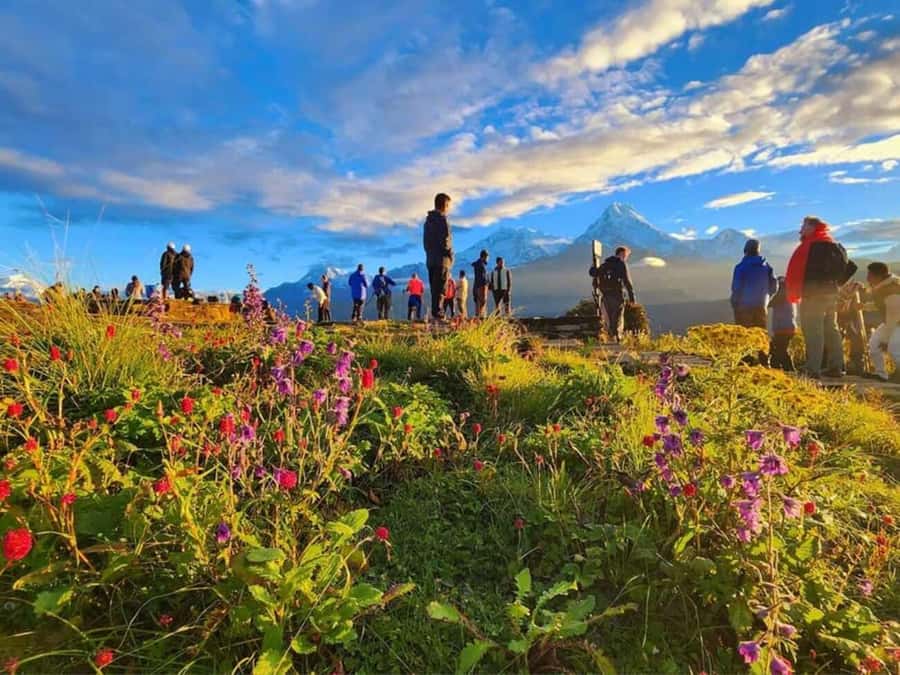
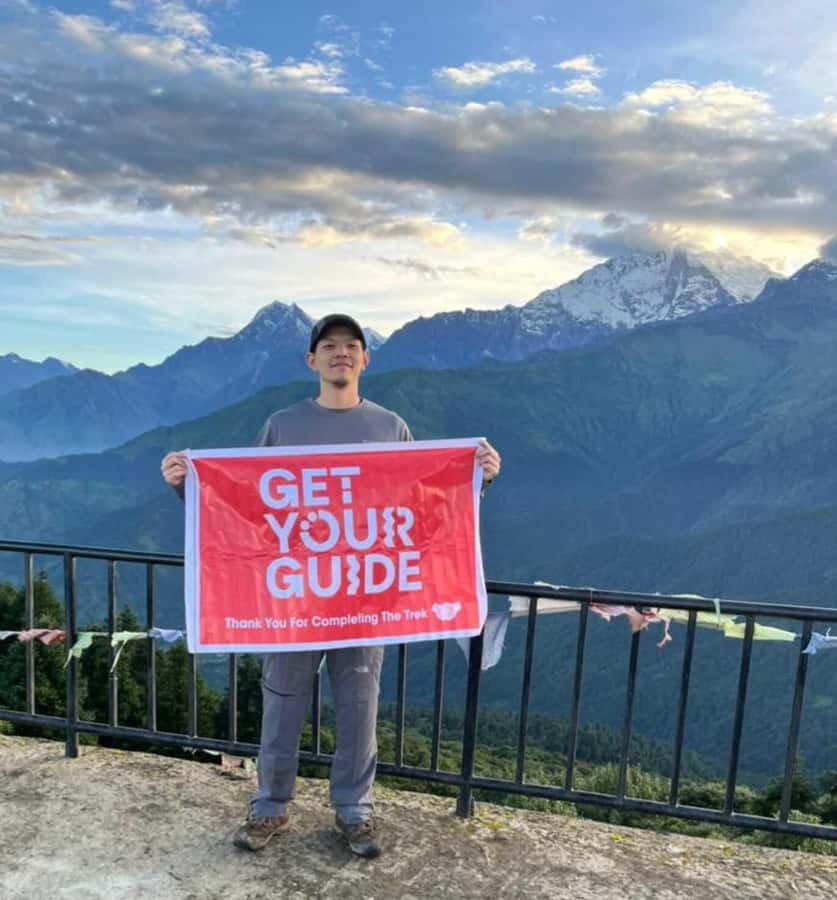
Day 2 begins with a hearty breakfast, then you hike toward Ghorepani. This is where the scenery starts to feel more dramatic, because your walking path begins to align more directly with major viewpoints. You’ll have breathtaking views during the hike, including the chance to admire Machapuchare and the south side of Annapurna.
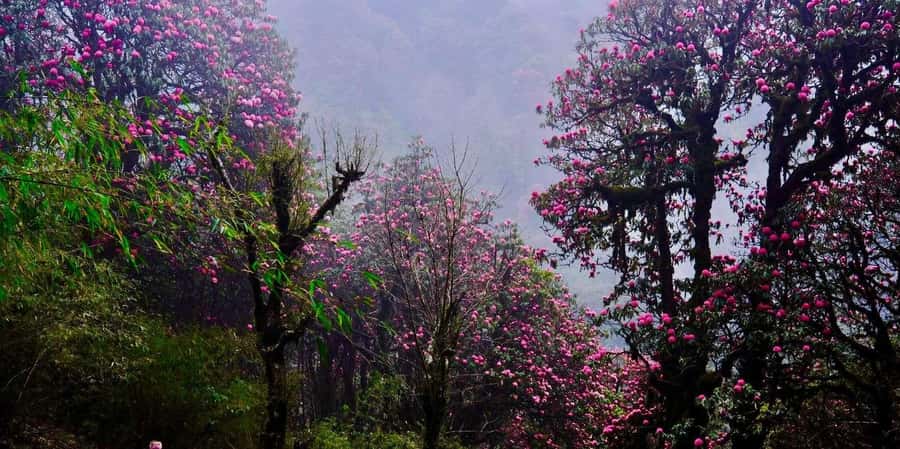
You also pass through areas where colorful rhododendrons grow. That matters because it adds color and texture to the trek. Even when the weather is changing, the plants and trail tones keep things interesting. And if you’re someone who enjoys small photographic moments, rhododendron sections often deliver better close-up shots than you’d expect.
As you arrive in Ghorepani, you settle in for the night. Ghorepani is essentially a base for mountain travelers, so you’ll likely find a lively tea house scene and an easy routine for the next day. At this point, the sunrise mission is still ahead, but you can feel the change in energy. People start talking about early starts. Your guide should be helping you time your night so you’re not scrambling in the dark.
Balanced expectation: Day 2 can feel longer than it looks in a schedule. The views are worth it, but you still need to pace your energy. If you go out too fast, you’ll pay for it on the final day’s early climb.
Poon Hill Sunrise Day: The Pre-Dawn Climb, the Panoramic Payoff, and the Trip Home
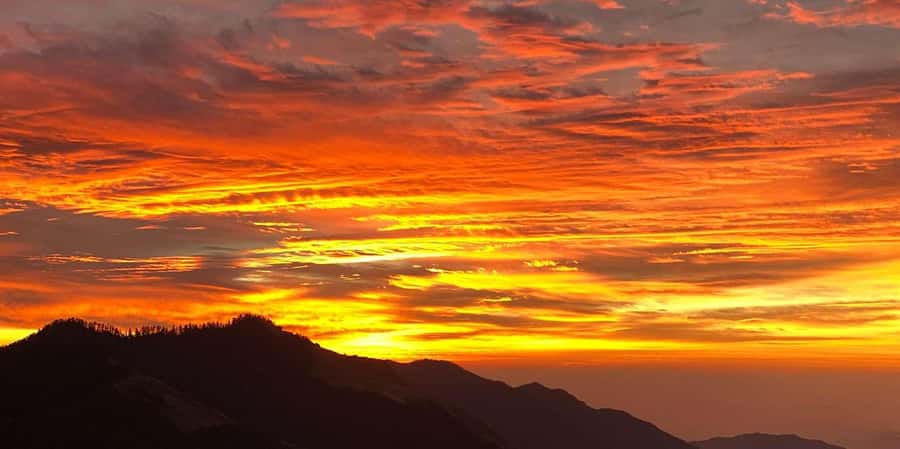
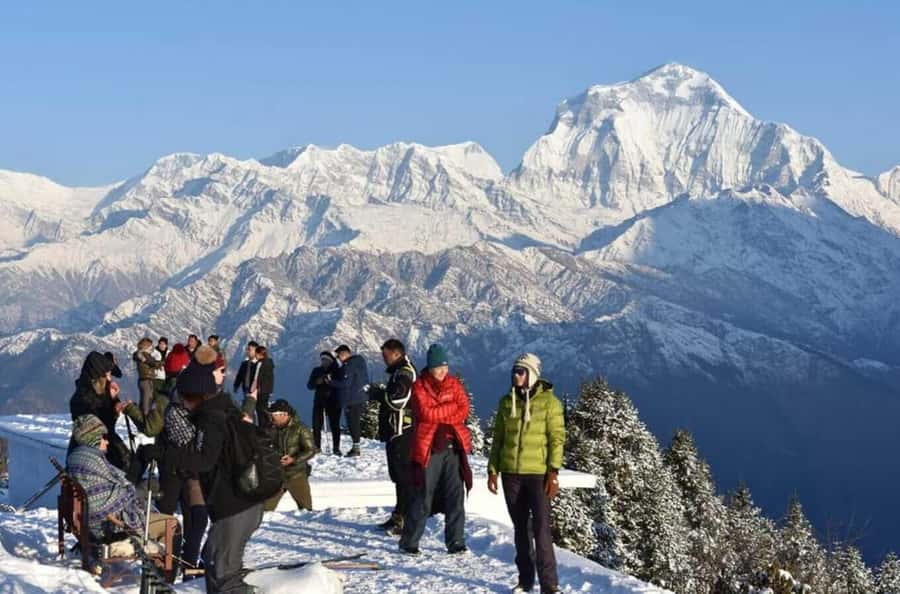
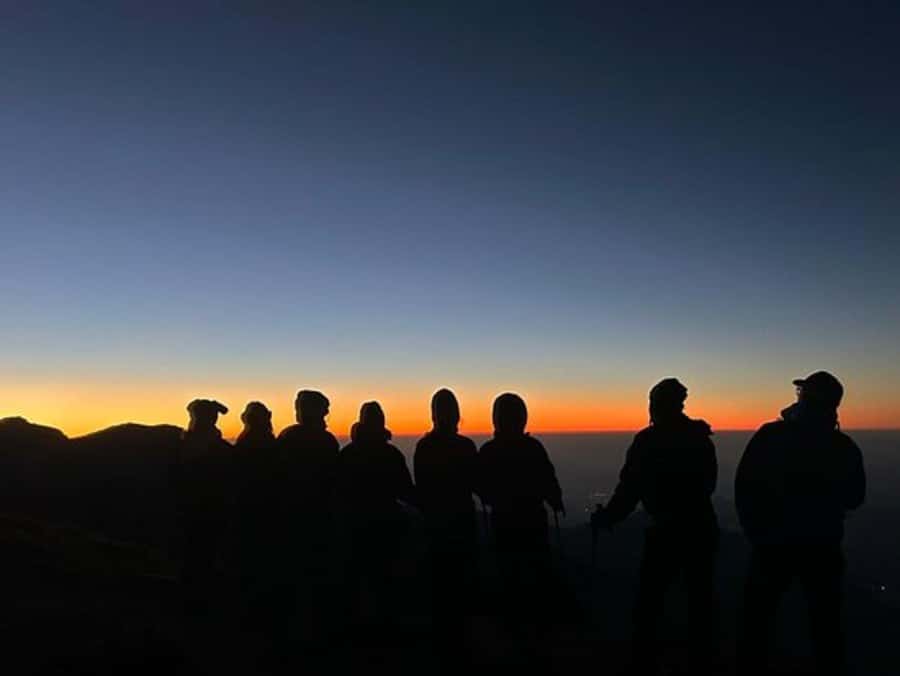
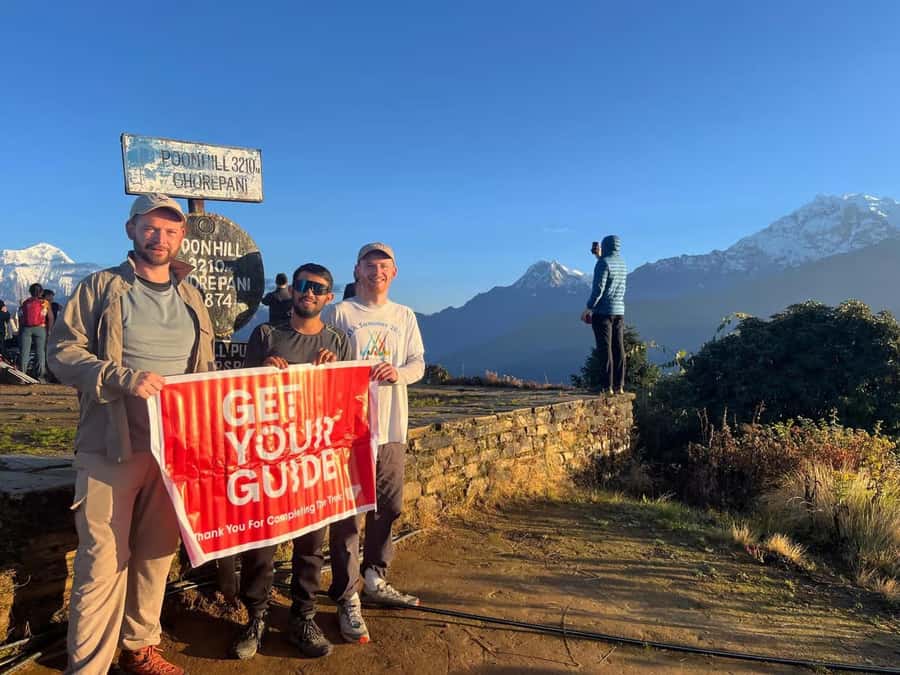
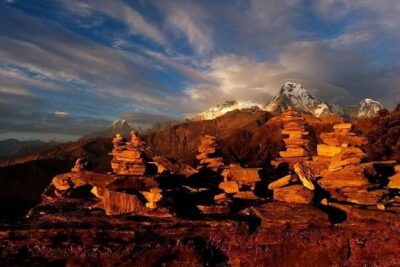
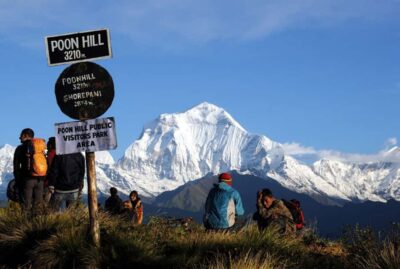
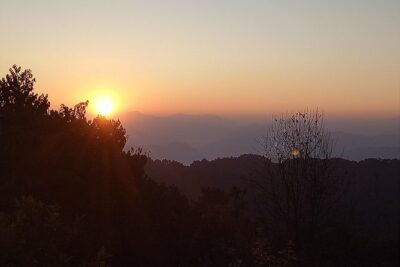
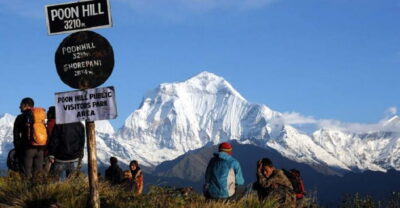
Day 3 is built around getting up before sunrise and heading up to Poon Hill. This is the day that turns a normal trek into a memory. When you reach the top, you’re in position for panoramic views, and the first rays of sunlight begin to stretch across the scenery.
What makes this sunrise work is timing and altitude focus. You’re not just waking up early. You’re waking up early for a specific viewpoint that’s designed for this moment. That’s why you’ll hear people get excited on this segment. It’s a payoff built into the route.
Once you’ve enjoyed the sunrise, you start your descent toward Nayapul. This is when your legs get to shift from uphill effort to controlled steps. Your minibus will be waiting to take you back to Pokhara. That last leg is a relief. It turns a physical day into an easy finish.
One more practical note: even in warmer months, the pre-dawn air can feel cold. Warm clothing and a hat are not optional if you want to enjoy the sunrise comfortably instead of huddling.
More Poon Hill treks:
- From Pokhara: 10-Day Poon Hill and Annapurna Base Camp Trek
★ 5.0 · 7 reviews - Pokhara: 2-Day Short & Sweet Ghorepani Poon Hill Guided Trek
★ 5.0 · 6 reviews - Pokhara: 3-Day Ghorepani, Poon Hill and Ghandruk Guided Trek
★ 4.4 · 4 reviews - Pokhara: Poon Hill Trek
★ 5.0 · 3 reviews
Rajesh and the Kind of Guidance That Makes the Trek Feel Easier
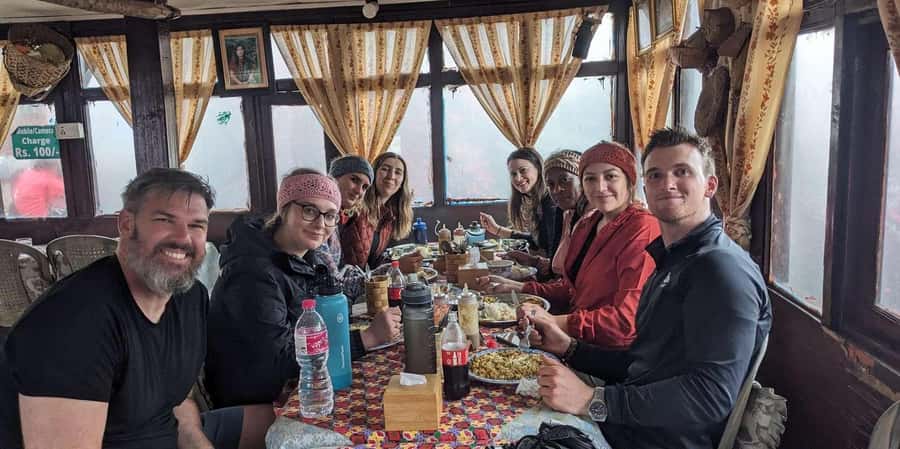
A standout part of this experience is the guidance. Past hikers specifically praised a guide named Rajesh for being kind, organized, and full of interesting information. That kind of support is more than friendly conversation.
When you hike a route like this, you’re dealing with small choices:
- Where to pause
- What to watch for on the mountain faces
- How to keep your pace steady
- When to stop for comfort breaks
A good guide helps you make those choices without overthinking them. Rajesh was also praised for sharing insights about Nepal, the mountains, and local culture, and for helping hikers choose tea houses and meals. That last point is practical: tea house options vary, and having someone steer you toward good stops can save time and help you avoid awkward disappointment.
So if you care about more than just checking off a view, choose a guided trek like this. The guide turns the trail into a story, not just a set of steps.
Price and Value: Is $147 Fair for a 3-Day Guided Poon Hill Trek?
The price listed is about $147 per person for three days of guided trekking with hotel pickup and drop-off in Pokhara, permits, overnight accommodation during the hike, and a shared jeep.
Is that good value? For this region, it makes sense because you’re paying for logistics you would otherwise have to manage:
- permits and route paperwork
- a professional guide
- overnight stays arranged along the trail
- transfers between Pokhara and the trail area
What’s not included is also part of the value math. Food during the trek is not included, and you’ll need cash for personal expenses because ATMs are scarce. If you come prepared for tea house meals, snacks, and drinks, the total cost stays predictable.
Also, note the included accommodation during the hike is described as basic. That lowers the expectation level, but it’s typical for this kind of short trek. In other words, you’re not paying for luxury. You’re paying for access, safety, guidance, and an efficiently run route that gets you to sunrise.
If you want a straightforward, guided Poon Hill experience without dealing with every moving part yourself, this is the kind of price that usually feels fair.
What’s Included Versus What You Need to Budget Separately
Here’s the practical split of what’s covered and what you should plan for.
Included:
- hotel pickup and drop-off in Pokhara
- professional guide
- permits
- accommodation during the hike
- sharing jeep
- water bottle to each
Not included:
- food
- personal expenses
- porter (optional) for $20 per day
That porter option is worth mentioning in real terms. If you’re carrying extra gear or you feel like you’ll struggle with repeated uphill effort, a porter can help you focus on walking and enjoying the views. If you’re comfortable walking with a light pack, you may not need it.
Food is the most common surprise. Since tea houses are part of the trek experience, many people assume meals are included, but in this case they are not. Build this into your daily budget and keep snacks handy too.
Trail Fitness, Early Mornings, and Weather Reality
This trek asks for a moderate level of fitness. That usually means you can handle hours of walking, and you can manage uneven paths and some uphill effort without needing a medical-level plan.
Early mornings are part of the deal. Day 3 starts before sunrise, so you need to be able to get up quickly and walk while it’s still cold or dim. Day 1 also begins after pickup and driving, so you’ll likely spend a chunk of the day on the move.
Weather affects the itinerary. That’s not a dealbreaker, but it does change the quality of views. If clouds sit on the ridgelines, sunrise can be less dramatic or take longer to break through. The upside is that the route still offers village scenery and mountain glimpses even when conditions are not perfect.
Big practical point: carry Nepalese Rupees. ATMs are scarce, so don’t count on last-minute cash withdrawals for tea house meals and personal items.
Packing for Comfort: Shoes, Warm Layers, Sunscreen, and Smart Snacks
To enjoy this trek, pack for two different types of time: active hiking time and cold, early sunrise time.
You should bring:
- comfortable shoes
- hiking shoes
- warm clothing
- hat
- sunscreen
- camera
- snacks
- water
Yes, the list repeats shoes, but that’s the real message: you need footwear you trust on mountain paths. Don’t bring brand-new shoes you haven’t tested on rough walking yet.
For warmth, treat early morning as its own weather condition. Even if Pokhara feels pleasant, higher up and before sunrise can feel much colder.
Snacks are your best friend because food isn’t included. Tea houses will likely offer meals, but snacks help you bridge gaps and keep your energy stable.
One rule to remember: smoking is not allowed on this experience.
Who Should Book This Trek, and Who Should Skip It
This is a good match if you want classic Annapurna region views in a short timeframe and you value guided support. It suits:
- couples and friends who like hiking with cultural context
- first-time trekkers who want an organized, well-paced route
- travelers who care about sunrise and mountain viewpoints
It may not be a good match if:
- you have back problems
- you are pregnant
- you need a trek designed for children under 9
If you’re in that second group, it’s worth choosing something lower elevation or less physically demanding. No view is worth pushing your health.
Should You Book the Pokhara Poon Hill and Ghorepani Trek?
If you want a 3-day trek that delivers sunrise views, Machapuchare sightings, and village life in a route that’s professionally guided, I think this is a strong choice. The biggest selling points are the structured logistics and the guidance quality, especially with a guide like Rajesh who was praised for organization, cultural insights, and helping with tea house and meal choices.
Book it if:
- you want Poon Hill sunrise as a top priority
- you’re comfortable with early starts and moderate hiking
- you’re willing to carry small essentials and handle tea house meals yourself
Skip it or consider alternatives if:
- you need a no-hassle walking plan with no early mornings
- you have medical limitations like back problems
- you’re expecting meals to be included and prefer fully catered trekking
If you match the fitness level and you pack smart, this trek has a simple promise: you walk through real mountain villages, you earn the sunrise moment, and you come back to Pokhara with legs that feel worked and a head full of views.
FAQ
How long is the Poon Hill and Ghorepani trek from Pokhara?
It is a 3-day trek.
Where does the trek start and how do you get there?
You’re picked up from your hotel in Pokhara, driven to Nayapul, then you begin hiking.
What are the main hiking days and overnight stops?
Day 1 goes to Ulleri, Day 2 goes to Ghorepani, and Day 3 returns down to Nayapul before going back to Pokhara.
Is breakfast or food included?
Breakfast is mentioned before continuing on Day 2, but food during the trek is listed as not included overall.
Are permits included?
Yes, permits are included.
Is a guide provided?
Yes, you’ll have a professional guide.
Do I need cash for personal expenses?
Yes. You should carry Nepalese Rupees because ATMs are scarce.
Can I hire a porter if I want help with my bag?
A porter is not included, but it can be arranged for $20 per day.
Is smoking allowed during the experience?
No, smoking is not allowed.
Latest additions near Annapurna Region
- Mardi Himal Trek -5 Day Short Trek From Pokhara★ 5.0 · 8 reviews
- Pokhara: Poon Hill Trek★ 5.0 · 3 reviews
- Pokhara: Day Hiking to Australian Base Camp with Lunch★ 5.0 · 4 reviews
- Pokhara: Hike To Australian Base Camp★ 3.5 · 4 reviews
- Pokhara: Annapurna Foothills Private Day Hike with Transfers★ 5.0 · 3 reviews
- From Pokhara: Annapurna View Day Hike★ 5.0 · 3 reviews
- Pokhara: Amazing 7-Day ABC Trek with Natural Hot Spring★ 5.0 · 5 reviews
- Pokhara: 7-Day Annapurna Base Camp Via PoonHill & Hot Spring★ 5.0 · 6 reviews
Poon Hill Treks, compared.
4-Day Ghorepani, Poonhill & Ghandruk Mountain Trek
Read our review →
Browse the lists this tour appears in