
Reviewed · POON HILL TREKS
Pokhara: 3-Day Ghorepani, Poon Hill and Ghandruk Guided Trek
Poon Hill gets you moving fast. This 3 day trek builds to a sunrise viewpoint at 3,210m and then mixes Himalayan views with Gurung village life in Ghandruk. I like that the route spends real time hiking through rhododendron forests and stepping into mountain communities, not just ticking off photos. One thing to keep in mind, though, is that sunrise trails can get crowded and noisy, and lodge quality in Ghandruk can vary.
I also like that this trip gives you a guided rhythm you can actually manage, including the option to adjust if someone in your group needs a gentler plan. Still, plan for real stairs, and expect the day by day walking time to feel lighter or different than the neat estimates you might see on paper.
In This Review
- Key highlights you’ll feel fast
- Poon Hill and Ghorepani at 3210m, the practical why
- Day 1: Pokhara to Ghorepani, the scenic route to your first big climb
- Day 2: Poon Hill sunrise, then the steep run to Ghandruk
- Day 3: Gurung village morning in Ghandruk, then back to Pokhara
- Food and comfort, tea house reality vs. hotel expectations
- Guides, pace, and why a private group helps
- Price value: what you pay for in this $207 per person package
- What to pack for this specific altitude and early mornings
- Who should book this 3-day Ghorepani, Poon Hill, Ghandruk trek
- Should you book this guided trek?
- FAQ
- How high does the trek go?
- What meals are included?
- What kind of accommodation will I have?
- Do I get an English speaking guide?
- Is a porter included?
- Is travel insurance included?
Key highlights you’ll feel fast
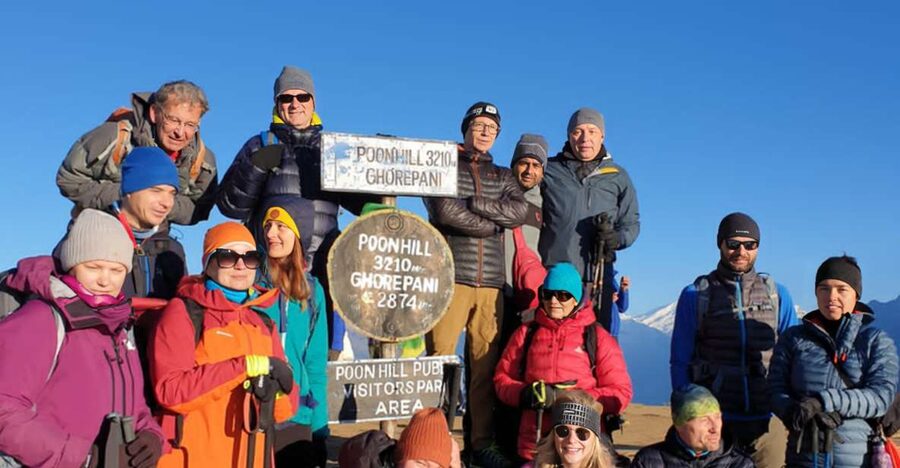
- Poon Hill sunrise at 3,210m, with wide Annapurna views if the sky cooperates
- Rhododendron forest hiking that cools you down on the way up and down
- Ghandruk Gurung culture, including stone homes, temples or monasteries, and local dress for photos
- Tea house nights in Ghorepani, basic but central to the experience
- A guide who can set pace, including help if your group needs to slow down
Poon Hill and Ghorepani at 3210m, the practical why
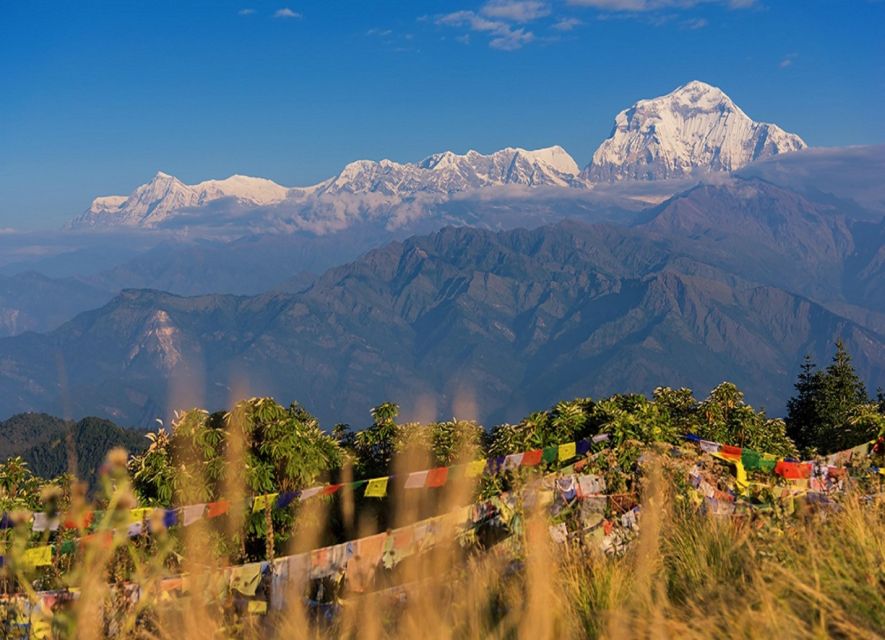
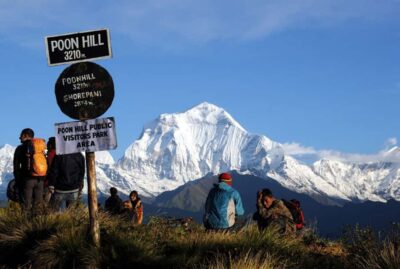
The whole trip is built around one simple idea: earn your views. You start lower near Pokhara, then gain altitude steadily until you’re at 3,210m for sunrise. That height is not only about the view, it changes how the air feels on the hike. Even if you are fit, you’ll notice the climb, especially during the step-heavy sections.
I like that Poon Hill is not a technical climb. You do not need ropes or mountaineering skills. What you do need is stamina for lots of ups and downs and a willingness to wake up early. When the sun finally clears the ridgeline, the payoff is the kind of panoramic moment that makes you forget the sore legs for a few minutes.
Still, be realistic about sunrise crowds. Poon Hill is a famous stop, and you can expect other hikers, quick conversations, and the occasional noisy group. My advice is simple: go with the mindset that you’re sharing the moment, then look for angles where you can breathe, stand back a little, and enjoy the sky.
More Treks in the Annapurna Region
- Pokhara: 7 Day Annapurna Base Camp Trek
★ 4.9 · 38 reviews - Pokhara: 2 & 3 Days Ghorepani Poon Hill Private Guided Trek
★ 4.9 · 27 reviews - Pokhara: 1-Day Scenic Australian Camp & Dhampus Guided Hike
★ 4.9 · 24 reviews
Day 1: Pokhara to Ghorepani, the scenic route to your first big climb
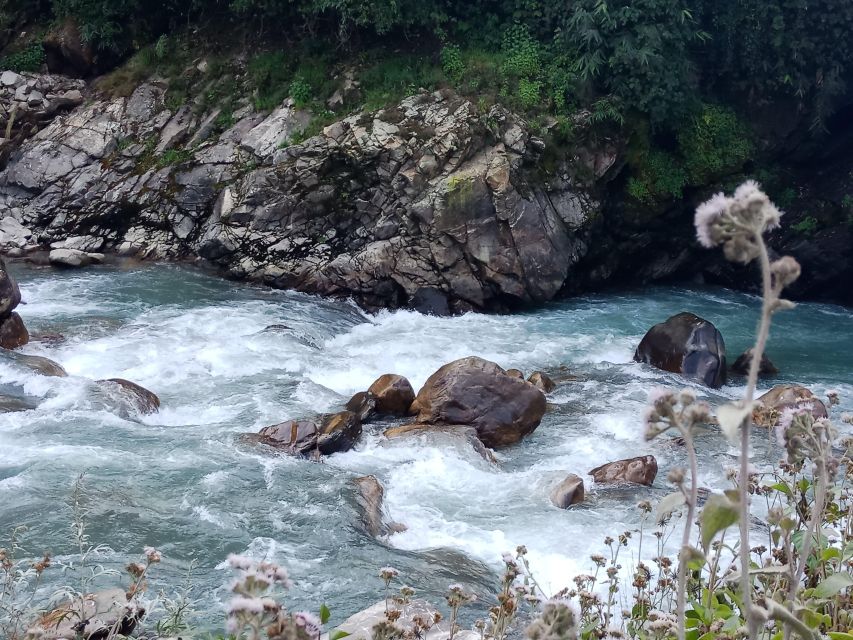
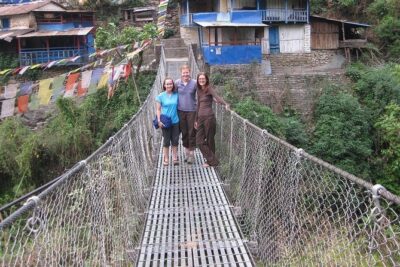
You begin with a 4 wheel jeep ride out of Pokhara toward Nayapul. This is not just transit. The drive is part of the day’s sightseeing, moving through mountain views, rivers, green fields, and forest patches. Along the way you pass small settlements and go by the Modi Khola River, which acts like a thread through the valley.
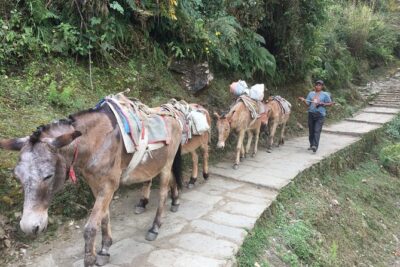
Once you reach Nayapul, the pace turns into hiking. From there, you work up to Tikhedhunga (1,570m) and then continue toward Ulleri at around 2,000m. Ulleri is where the trip’s stair reputation starts to make sense. One detailed experience from a past trek noted plenty of steps both up and down, and that tracks with what this kind of Annapurna foothills route feels like.
From Ulleri, you trek onward for about five hours toward Ghorepani (2,840m), largely through rhododendron forests. That forest section is your reward for climbing. Even on a long day, the trees break up the monotony, and in many seasons the rhododendron scenery adds color when you’re looking for something other than your footing.
At the end of day one, you sleep in a tea house at Ghorepani. Expect basic comforts. Hot showers may or may not be available depending on the lodge, and room quality can vary. The good news is that tea houses here are built for trekkers, so the staff knows exactly what you need after a full hiking day: warm space, a place to eat, and a bed that does the job.
Day 2: Poon Hill sunrise, then the steep run to Ghandruk
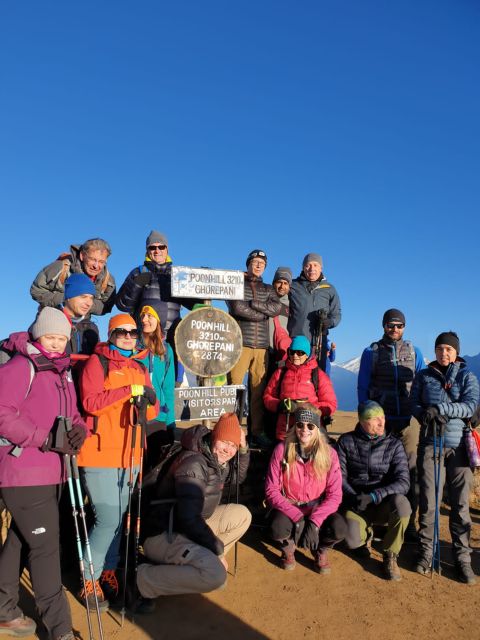
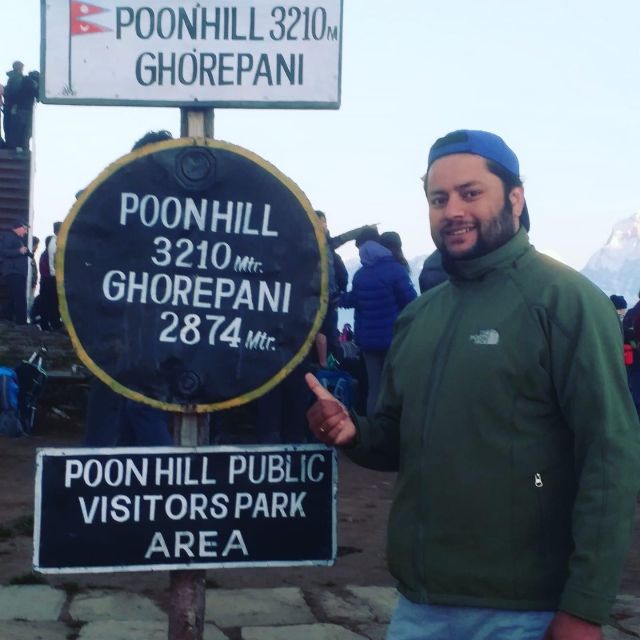
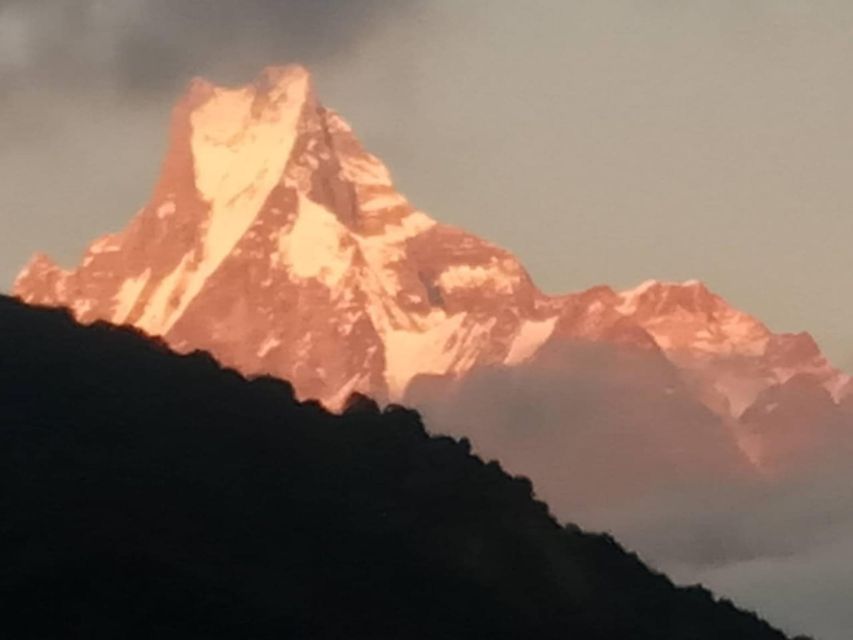
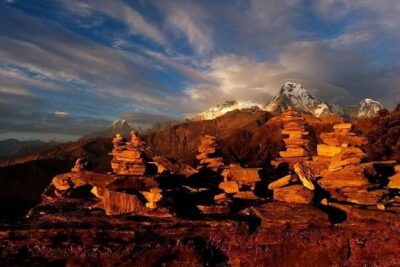
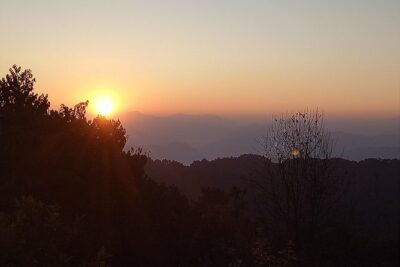
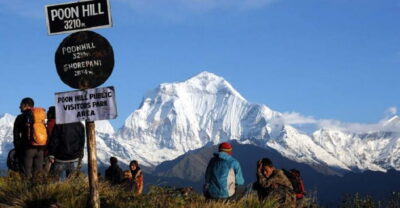
Day two is the emotional peak. You hike up to Poon Hill at 3,210m and you get your sunrise. The route is famous for a reason, and you’ll feel why the second you start looking outward. On a clear morning, the Annapurna range and nearby peaks can fill your view in every direction.
This is also where timing matters. You’re going to climb in the early hours, which means you need layers, not just one warm jacket. Cold morning air plus effort makes you sweat, then freeze when you stop. Pack like you plan to feel both.
After sunrise, you shift from uphill effort to downhill work. The descent route goes via Tadapani and then down toward Ghandruk at 2,000m. You should expect a steep descent. That’s where trekking poles earn their keep. They reduce strain on your knees and ankles, and they help your balance when the trail gets uneven.
A practical note from an experienced trek: the day’s mountain time can feel different from the neat itinerary wording you may see beforehand. In real life, you might spend less time actively trekking uphill or downhill than expected, and more time walking along approaches or connecting paths toward the next pickup point. I would plan for a day where effort is real, but the clock can be slightly messy.
You end day two in Ghandruk with a night in a hotel. This is where opinions can split, because lodge selection in Ghandruk can vary a lot. One detailed account called out a particularly poor stay at a specific place in town, with broken items and dirty bedding. So here’s what I recommend: before you go, ask your operator what hotel they will use in Ghandruk for your dates, or at least what the accommodation standard should be. If they can explain the plan clearly, you reduce the odds of a surprise.
Day 3: Gurung village morning in Ghandruk, then back to Pokhara
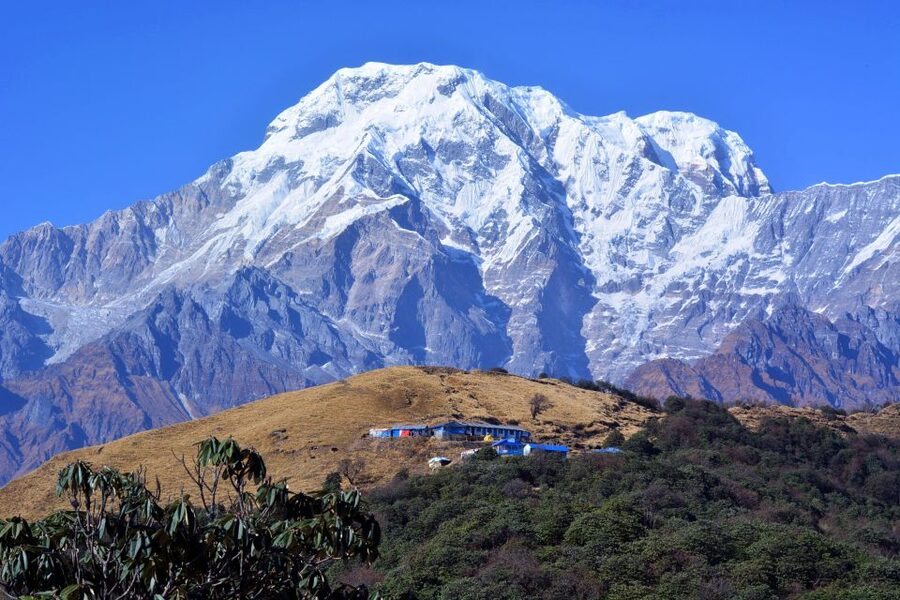
Day three starts gently in the morning with a chance to catch sunrise again, either from a viewpoint or from the terrace of your place in Ghandruk. Then you explore the village itself.
This is the cultural layer that makes the trek feel bigger than a hike. Ghandruk is primarily inhabited by the Gurung community, known for hospitality and strong community life. You’ll be walking among traditional stone houses with intricate wood carvings. You can also visit ancient monasteries and temples and interact with locals.
If you want something fun and hands on, there’s a chance to wear authentic Gurung dress and take photographs. It’s a simple way to learn what you’re seeing, not just look at it. You should still be respectful, take cues from your guide, and understand that community tourism works best when you treat it like a conversation, not a photo shoot.
After the village time, the physical part returns. You trek down to Nayapul along the Modi River. The river valley is a familiar structure from earlier in the trip, so it helps everything feel connected. Finally, you take a drive back to Pokhara, typically around two hours, with the full day feeling like a fade from mountain effort back into lakeside life.
That ride is where you notice the mental shift. You stop counting steps and start absorbing what you actually did. If you’re the type who likes checking off logistics, this day will feel oddly satisfying.
More Poon Hill treks:
- From Pokhara: 10-Day Poon Hill and Annapurna Base Camp Trek
★ 5.0 · 7 reviews - Pokhara: 2-Day Short & Sweet Ghorepani Poon Hill Guided Trek
★ 5.0 · 6 reviews - Pokhara: Poon Hill Trek
★ 5.0 · 3 reviews - Pokhara: 3 days Trek to Poon hill
★ 5.0 · 3 reviews
Food and comfort, tea house reality vs. hotel expectations
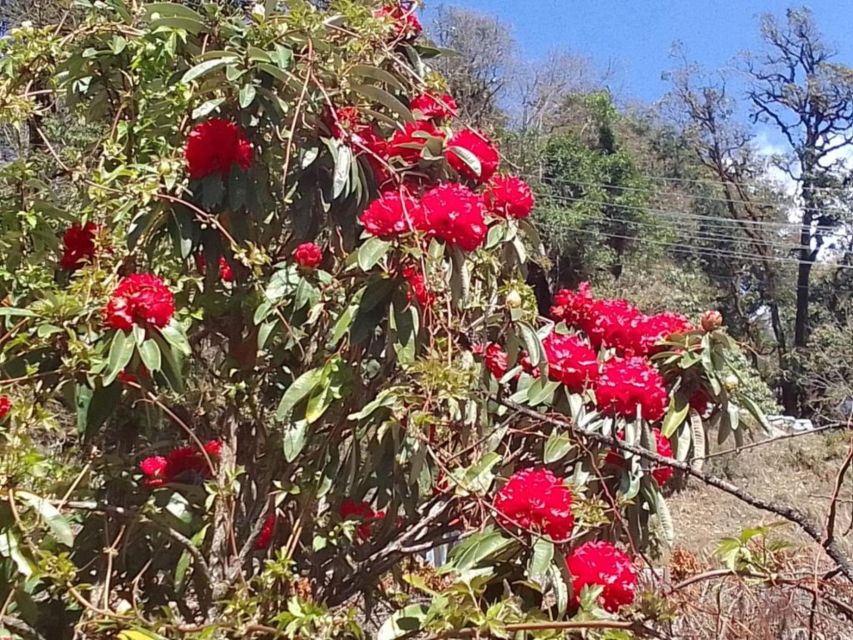
Food on this kind of route is built around fuel that keeps you moving. You’ll have meals during the trek if you’re on the full package, with breakfast, lunch, and dinner included. In practice, you’ll usually see dal bhat on the menu, plus other simple options. The value here is consistency. When you know you’ll eat, you can focus on walking rather than guessing what’s available.
Tea houses are basic by design. On night one in Ghorepani, you should assume simple rooms and straightforward dining. That’s not a complaint. It’s part of why tea houses work: you’re paying for location and access, not luxury.
Where you should be pickier is night two in Ghandruk. Tea house style basics are one thing, but hotel cleanliness and functionality are another. One past experience described a lodge that was essentially a letdown compared with other properties available in the village. That matters because you are tired on day two, and if the room is substandard, you feel it more.
So I’d frame your expectations like this:
- Tea house in Ghorepani: basic, normal, workable
- Hotel in Ghandruk: decent is common, but standards can vary, so confirm ahead if possible
Guides, pace, and why a private group helps
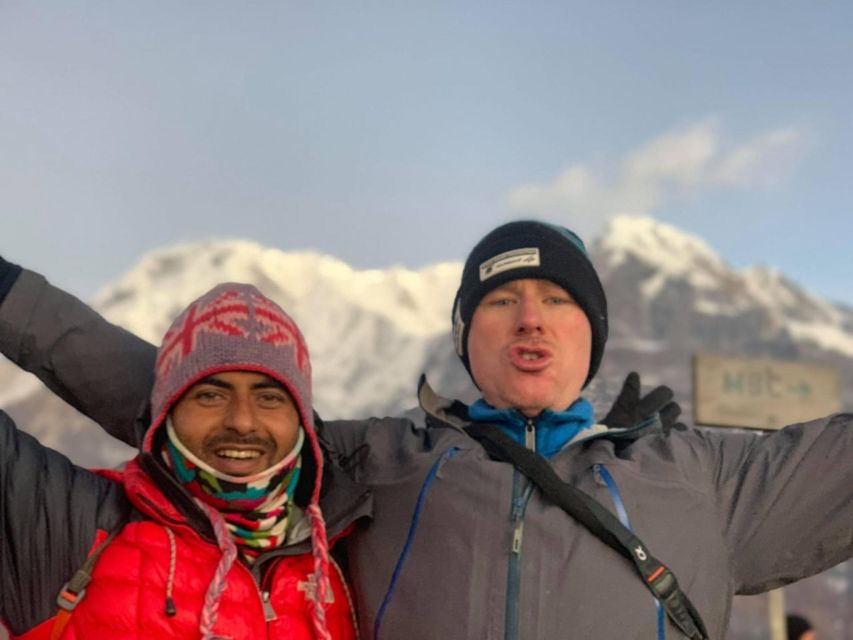
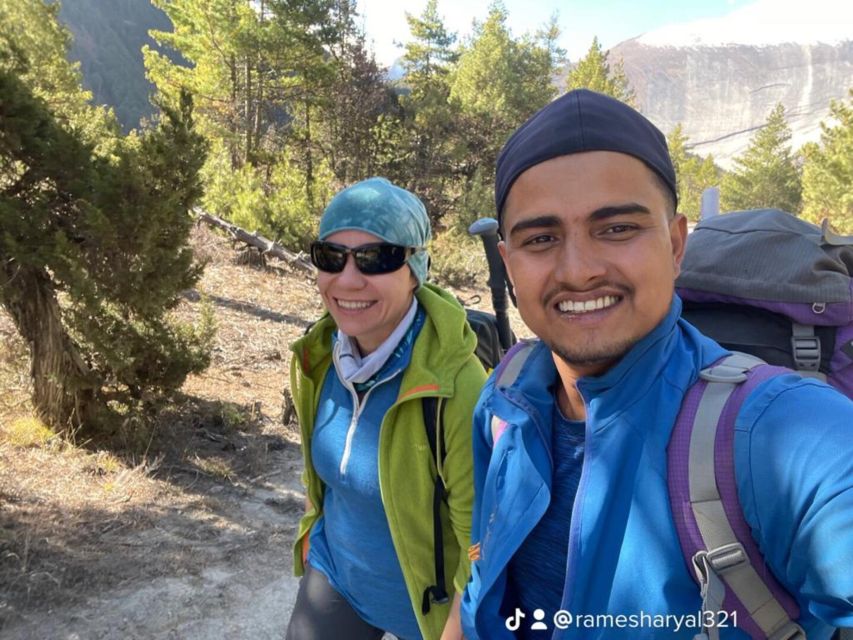
This trek is private, with an authorized licensed English speaking guide available in English and Hindi. Private can sound like a luxury line, but on a trek like this, it’s about control. You can ask for a slower pace, a faster stop, or more time at viewpoints without feeling like you’re holding up a big group.
One detailed experience included a guide named Helen, who trekked with a partner who was not an experienced walker. That kind of guidance makes a difference because the Annapurna foothills can trick you. You think you’re just doing moderate hills until you meet the steps and realize how much your legs do.
The same experience also mentioned that the guide was flexible with changing needs and even supported a revised plan when someone became sick. That’s the best case scenario for a guided trek: you’re not stuck if the day changes.
A final point on pace: you will hike with stairs and slopes. A guide who adjusts for your group helps more than you think, especially at altitude. If you’re not super fit, you do not want to race your own body.
Price value: what you pay for in this $207 per person package
At $207 per person for 3 days, you’re paying for a lot more than the view. You are paying for:
- Pickup and drop-off
- A licensed guide
- Two trekking nights in accommodations (tea house or lodge style) and one hotel night in Pokhara
- All meals during the trek on the full package
- Permits and paperwork, including the TIMS fee
- Transport in the region, plus a farewell Nepalese dinner in Lakeside Pokhara
That last part matters. Permits are not optional in this region, and you do not want to be scrambling at the last minute. Having the guide and paperwork handled is part of the value.
What is not included also helps you plan. Porter is not included, and you’ll need travel and rescue insurance on your own, though the operator says they can assist if needed. Also, soft and hard drinks are not included, so budget for that if you like tea, soda, or bottled water beyond what’s already part of meals.
I’d also treat the included last night hotel in Pokhara as value. The package mentions Hotel Orchid in Pokhara and a farewell Nepalese typical dinner. If your trek ends and you still want a comfortable bed and an easy meal, that’s a good capstone.
What to pack for this specific altitude and early mornings
The trek hits 3210m at Poon Hill, and even lower stops like Ghorepani are at real elevation. That means you pack for cold mornings, warm afternoons, and fast weather changes.
Based on what you are told to bring, I would not skip:
- Comfortable shoes
- Warm clothing and a jacket
- Sunglasses and sunscreen
- A towel
- Trekking poles if you have them
- A water bottle
- A headlamp for early starts
Also, use layers. You’ll climb, sweat, then stop for sunrise viewing and get cold quickly. Layers are how you stay comfortable without needing a wardrobe overhaul.
Finally, pack the mindset of leave no trace. This route depends on villagers and tea house operators, so keep the place clean. If you bring it in, you bring it out.
Who should book this 3-day Ghorepani, Poon Hill, Ghandruk trek
This is a good fit if you:
- Want a guided trek with clear daily structure
- Like Himalayan viewpoints plus a real village stop in Ghandruk
- Are comfortable with stairs and steep descents
- Appreciate basic mountain lodging rather than expecting hotel luxury everywhere
It may not be a fit if you:
- Are pregnant. The trip states it is not suitable for pregnant women
- Want a long, hard multi-day backcountry grind. This one is short and focused, so it’s more about sunrise and culture than remote wilderness time
- Are extremely sensitive to accommodation variation in Ghandruk. Ask what hotel you get so you can set expectations
Should you book this guided trek?
I think this tour is worth booking if you want a compact Annapurna foothills experience: Poon Hill sunrise, rhododendron hiking, and a guided look at Gurung village life in Ghandruk. The guide and meal plan are strong value, and the trip structure is manageable for many fitness levels as long as you respect the steps and the early mornings.
But if accommodation quality is your top priority, do a quick reality check before you lock it in. Specifically, ask about the hotel standard in Ghandruk, because that’s the one area where experiences can swing from fine to frustrating.
FAQ
How high does the trek go?
You reach 3,210m at Poon Hill. You’ll also pass through Ghorepani at 2,840m, Ulleri around 2,000m, and Ghandruk around 2,000m.
What meals are included?
With the full package, the trek includes breakfast, lunch, and dinner during the trekking days.
What kind of accommodation will I have?
You sleep two nights during the trek in tea house or lodge style accommodation, and you have one additional night in Pokhara at Hotel Orchid.
Do I get an English speaking guide?
Yes. The trek includes an authorized licensed English speaking guide, with English and Hindi available.
Is a porter included?
No. A porter is not included.
Is travel insurance included?
No. Travel and rescue insurance is not included, though the operator says they can assist if rescue is needed.
Latest additions near Annapurna Region
- Mardi Himal Trek -5 Day Short Trek From Pokhara★ 5.0 · 8 reviews
- Pokhara: Poon Hill Trek★ 5.0 · 3 reviews
- Pokhara: Day Hiking to Australian Base Camp with Lunch★ 5.0 · 4 reviews
- Pokhara: Hike To Australian Base Camp★ 3.5 · 4 reviews
- Pokhara: Annapurna Foothills Private Day Hike with Transfers★ 5.0 · 3 reviews
- From Pokhara: Annapurna View Day Hike★ 5.0 · 3 reviews
- Pokhara: Amazing 7-Day ABC Trek with Natural Hot Spring★ 5.0 · 5 reviews
- Pokhara: 7-Day Annapurna Base Camp Via PoonHill & Hot Spring★ 5.0 · 6 reviews
Poon Hill Treks, compared.
4-Day Ghorepani, Poonhill & Ghandruk Mountain Trek
Read our review →
Browse the lists this tour appears in