
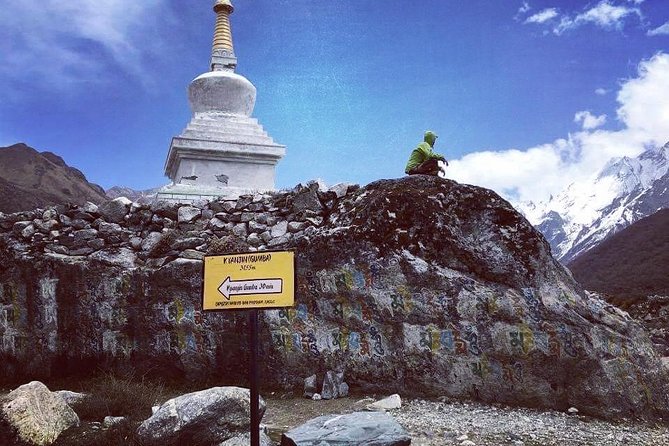
Reviewed · LANGTANG VALLEY TREKS
Langtang Valley Trek from Pokhara Nepal
Snow views come early on this trek. This Langtang Valley trek from Pokhara works well when you have limited time, and I really like how guides such as Mr Milan and Krishna help keep the admin smooth, including the TIMS and national park fees. The one thing to think about upfront is the early alarm for the 4am hike to Kyanjing Ri, which is not a casual start.
You also get a satisfying mix of culture and altitude. I like the way the route includes time around Lama Hotel, Langtang Village, and Kyanjing Bumpa, plus cultural stops like a cheese (yak) factory and a Buddhist monastery. If you prefer a trek where the day plan is clear, and you are not stuck figuring out permits and transport, this format is a good fit.
The tradeoff is that “limited time” means you will spend more of your energy on hiking days and less on slow wandering. You will be rewarded, but you should plan for steady effort and basic trekking comfort.
In This Review
- Key Highlights You Should Know
- Langtang Valley Trek From Pokhara: A Tight Plan That Still Feels Like Nepal
- Day-by-Day Breakdown: From Pokhara to Dhunche With Real Trek Days
- Day 1: Pokhara to Kathmandu by tourist bus, then sleep in Thamel
- Day 2: Kathmandu to Syabrubesi (1,550 m), guesthouse night
- Day 3: Syabrubesi to Lama Hotel (2,450 m), about 7 hours
- Day 4: Lama Hotel to Langtang Village (3,430 m), about 7 hours
- Day 5: Langtang Village to Kyanjing Bumpa (3,730 m), about 5 hours
- Day 6: 4am hike to Kyanjing Ri (4,600 m) sunrise, then descend to Lama Hotel
- Day 7: Lama Hotel to Thulosyabru (2,000 m), about 5 hours
- Day 8: Thulosyabru to Dhunche (1,800 m), then back to Kathmandu
- Permits, National Park Fees, and the Real Value of a Guide
- Tea Houses and Guesthouses: What the Overnight Comfort Really Means
- Price and Logistics: Is $920 Good Value for This Trek?
- Elevation and Fitness: Who This Trek Fits Best
- What You’ll Likely Remember Most
- Should You Book This Langtang Valley Trek From Pokhara?
- FAQ
- Where does the trek start and end for this itinerary?
- What time does the experience start in Pokhara?
- How long is the trek?
- Which key stops are included on the trek route?
- What permits and fees are covered?
- Where do you stay overnight during the trek?
- Is food included during the trek?
- Do I need a passport for booking and travel?
- Is emergency rescue cost included?
- What is the cancellation policy?
Key Highlights You Should Know
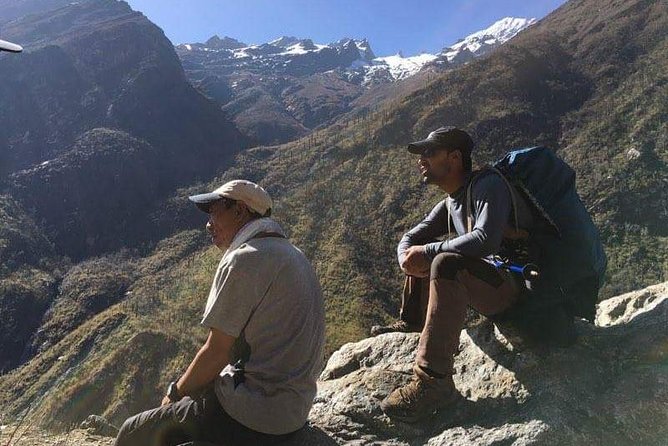
- Kyanjing Ri sunrise viewpoint (4,600 m): a very early hike that pays off with big mountain views.
- TIMS and permit handled by your guide: less paperwork stress, more time getting ready for the trail.
- Yak cheese factory and monastery visit: small stops that add local flavor beyond just scenery.
- Good rhythm of altitude changes: days are paced with guesthouse and tea house overnights.
- Cultural stop at Thulosyabru (Tamang area): you get a real sense of local life, not just trekking checkpoints.
Langtang Valley Trek From Pokhara: A Tight Plan That Still Feels Like Nepal
Langtang Valley is one of those places that delivers the classic Himalayan package: high views, mountain villages, and a trail that slowly pulls you away from everyday noise. What makes this particular trek stand out for you is the structure. You start from Pokhara, route through Kathmandu, and then walk the Langtang region in about 8 days. That is a workable schedule if you are trying to fit the mountains into a shorter trip.
The other big win is that you are not left to chase logistics on your own. A professional trekking guide is part of the experience, and the trek includes national park fees and the TIMS permit. Those details matter because paperwork can easily turn into wasted time if you are scrambling at the last minute.
This trek also gives you a good slice of different altitude zones. You do not only hike to one high point and call it done. You move from Syabrubesi (about 1,550 m) up to Lama Hotel, Langtang Village, and Kyanjing Bumpa (around 3,730 m), then go further to Kyanjing Ri (about 4,600 m), before descending again toward Thulosyabru and Dhunche. For many trekkers, that ups and downs rhythm is exactly what makes the experience feel complete.
More Treks in Pokhara
- Poon hill Trek 3 days
★ 5.0 · 176 reviews - Trekking in Annapurna/Langtang/Everest/Upper Mustang regions
★ 5.0 · 161 reviews - Pokhara: 4-Day Ghorepani, Poonhill & Ghandruk Mountain Trek
★ 5.0 · 132 reviews
Day-by-Day Breakdown: From Pokhara to Dhunche With Real Trek Days
Here is how the trip flows, and what each day is really like in practice.
Day 1: Pokhara to Kathmandu by tourist bus, then sleep in Thamel
You meet around 7:00 am in Pokhara, then transfer and take a scenic tourist bus ride to Kathmandu, about 7 hours. Once you arrive, you move to a hotel in the Thamel area for the night.
Why this day is worth doing as a group: it sets you up for a smooth start without trying to make complicated connections. Also, Kathmandu at the beginning of a trek can be helpful. You can get supplies, charge devices, and get your gear sorted before you head into the mountains.
Possible drawback: it is a long travel day. Even though it is not a trekking day, you will still want to pace yourself after arrival.
Day 2: Kathmandu to Syabrubesi (1,550 m), guesthouse night
Your guide picks you up at 8:00 am, and you take a scenic drive for about 8 hours to reach Syabrubesi at roughly 1,550 m. You sleep in a guesthouse there.
This is an important day because it transitions you from city altitude and traffic to the start of the trek route. Syabrubesi is also a practical base before the first real climb day. You likely will notice the air changing and you will feel that you are headed into a more remote rhythm.
What to watch: the day is mostly driving. If you are the type who gets stiff easily, do a bit of walking after you arrive and before nightfall.
More Langtang Valley treks:
- Langtang Valley Trek
★ 5.0 · 140 reviews - Langtang Valley Trek
★ 5.0 · 61 reviews - 8 Days Tour in Langtang Valley Trek
★ 5.0 · 45 reviews - Private 8 – Day Langtang Trekking
★ 5.0 · 29 reviews
Day 3: Syabrubesi to Lama Hotel (2,450 m), about 7 hours
Today you trek for around 7 hours, passing through the Lama Hotel valley area with green hill views and alongside the Langtang River. You overnight at Lama Hotel at about 2,450 m in a guesthouse.
This is the “warm up with purpose” day. The trail is long enough to start working your legs, but not so extreme that you feel totally blasted before acclimatization. The river and valley views keep it interesting, and you are still in a zone where basic trekking comfort is usually easier than at higher elevations.
Practical note: you may feel slow or heavy if you went hard on travel day 1. Take breaks, drink water, and do not race the group pace.
Day 4: Lama Hotel to Langtang Village (3,430 m), about 7 hours
The trek to Langtang Village takes roughly 7 hours, climbing to about 3,430 m. You spend another night in a guesthouse.
Langtang Village is a key place on this route because it is part of what you came for: a real settlement deep in the valley. You tend to notice how the trail and life here feel more village-centered than tourist-centered.
The good part: the day is long but straightforward. You get those gradual, satisfying gains, and you are building altitude step by step.
The consideration: at this height, sleep and appetite can feel different for some people. If you are prone to altitude issues, keep your energy steady and do not try to “win the day.”
Day 5: Langtang Village to Kyanjing Bumpa (3,730 m), about 5 hours
Today you trek about 5 hours to Kyanjing Bumpa around 3,730 m, and you overnight in a tea house. On the way, you can enjoy mountain views and explore a cheese (from yak) factory plus a Buddhist monastery.
This is one of the best days for variety. You get both the physical effort and small cultural moments that break up the trek rhythm. The yak cheese factory stop is especially memorable because it is a tangible example of how people actually live here, not just how they look in photos.
Why the shorter hiking time matters: it gives you breathing room before the most intense early morning ahead.
Day 6: 4am hike to Kyanjing Ri (4,600 m) sunrise, then descend to Lama Hotel
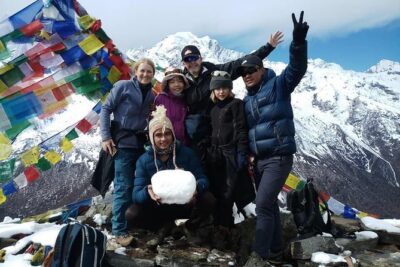
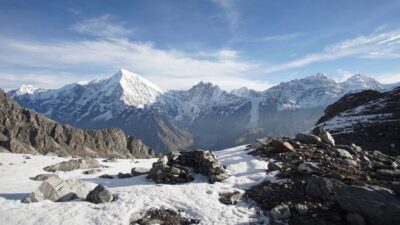
You start the day early, around 4:00 am, for a small hike up to Kyanjing Ri at about 4,600 m. The goal is the sunrise viewpoint over snow-capped mountain views. After that, you descend and trek about 7 hours to return to Lama Hotel, where you sleep in a tea house.
This is the day to be honest with yourself about effort. Early starts at altitude feel harder than they sound, and the short distance up to a viewpoint can still be tough on the lungs. Bring warm layers and be ready for cold wind at dawn.
The payoff is also the point. The viewpoint sunrise is the classic “I am really here” moment. You get the mountains revealed by daylight, and it often feels like the valley is finally fully awake.
Day 7: Lama Hotel to Thulosyabru (2,000 m), about 5 hours
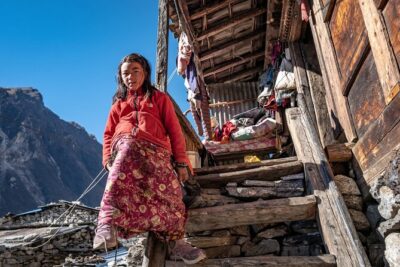
Today you trek to Thulosyabru at about 2,000 m, roughly 5 hours. You overnight in a guesthouse, and the plan includes exploring Tamang culture, heritage, and local life style.
This is a great “reset” day because you descend from the higher zone. Your legs will still work, but it is not the same grind as climbing to Kyanjing Bumpa again.
Cultural value: the best parts of a trek are often the in-between moments. Here, the route gives you time to look at how people live and how the region’s heritage shows up day to day.
Day 8: Thulosyabru to Dhunche (1,800 m), then back to Kathmandu
You trek about 2 hours to Dhunche around 1,800 m. After that, your driver transfers you back to Kathmandu for about 7 hours, dropping you near your hotel.
Ending with a drive makes the trip feel smoother than trekking straight to a far-off point. You also get one last chance to reset your body before leaving Nepal, because you are not packing and trekking at the same time.
Consideration: you may still feel tired after a hiking week. Treat the ride as recovery time, not sightseeing time.
Permits, National Park Fees, and the Real Value of a Guide
In the Himalaya, the scenic part is obvious. The non-obvious part is paperwork and planning. This trek handles national park fees and the TIMS and permit requirements. Your guide is also part of the process for professional trekking support.
Why that matters: if you have ever tried to coordinate permits, entry fees, and correct paperwork while you are traveling, you know how quickly it turns into time loss. Guides like Krishna and Mr Milan are specifically noted for making the organizational stuff feel easy, with no hassle around entry fees.
This is also where private-tour structure helps. You are not competing for attention or waiting on other groups to finish paperwork. Your plan follows the itinerary rhythm, and you are more likely to stay on schedule.
One note for you: the booking process requires passport details. You will need passport name, number, expiry, country, and you should provide scanned copy plus a digital passport-style photo. Start gathering that early, because last-minute delays can stress everyone out.
Tea Houses and Guesthouses: What the Overnight Comfort Really Means
This trek uses a mix of guesthouses in the lower sections and tea houses during trekking nights. You also have hotel accommodation in Kathmandu at the beginning and then tea house or guesthouse nights during the trek.
The practical reality: you should expect basic trekking accommodation. You are paying for location, transport coordination, and the trek itself. Food and drinks are not included, which means you will be buying meals at the stops along the way.
How to handle this: pack a little flexibility with hunger and timing. Tea house meals are usually simple and warming, but there is variability. If you have dietary needs, plan to ask questions early each day so you know what you can get.
You can also use your evenings to dry gear and reset. Nights in the mountains are when you feel the difference between good preparation and rushed packing. If you bring layers you can wash or wipe down, your mornings get easier.
Price and Logistics: Is $920 Good Value for This Trek?
At $920 per person, you are not buying a cheap trek. But you are also not buying only a guide and a trail.
What the price covers is the core “reduce your hassle” stuff: accommodation in Kathmandu and tea houses during the trek, guide support, taxes and fees, national park fees, TIMS and permit, and Pokhara to Kathmandu by tourist bus, plus round-trip private transfers and transport by private vehicle.
For you, value often equals less uncertainty. This trek includes the moving parts that can otherwise eat up your time: getting to Syabrubesi, getting back to Kathmandu, and ensuring you have the right permits. When an experienced operator handles those, you spend more of your energy on the actual hiking.
What is not included is also clear: food and drinks are available for purchase, and rescue cost in an emergency is not included. That means you should budget for meals and you should consider travel insurance that covers trekking and evacuation, even if this trek is planned and guided.
Group discount and mobile ticket are also listed. Even though it is a private tour for your group, discounts can help make the overall cost make more sense if multiple people are traveling together.
Elevation and Fitness: Who This Trek Fits Best
This route is listed for people with moderate physical fitness, and that matches the reality of the itinerary. You have multiple days of trekking around 5 to 7 hours, plus one early climb day that can feel demanding due to early morning and altitude.
If you want a quick way to judge fit, look at the structure:
- You start low-ish at Syabrubesi (~1,550 m)
- You climb steadily to Lama Hotel and Langtang Village
- You reach the higher zones at Kyanjing Bumpa (~3,730 m)
- You go up to Kyanjing Ri (~4,600 m) at dawn
- Then you descend and finish at Dhunche (~1,800 m)
That is a real acclimatization rhythm, but it does not mean it is effortless. You will need steady endurance, good walking habits, and a willingness to keep a controlled pace.
Also, the tour is private for your group only. That is good if you want your own rhythm, but it also means you should align expectations with your guide so you do not fall behind or rush.
What You’ll Likely Remember Most
I think this trek’s memory hooks come from mixing big moments with small details.
You will remember:
- The sunrise viewpoint at Kyanjing Ri, reached via a very early hike.
- The way Langtang Village feels like a real mountain community in the valley.
- The cultural detour with a yak cheese factory and a Buddhist monastery.
- The return toward Thulosyabru and the Tamang cultural and heritage focus.
And from the guide angle, the standout theme in the feedback is how smoothly the organizational stuff runs. When your guide is sharp with permits and entry fees, you can focus on walking, drinking water, and enjoying the fact that you are in the Langtang region and not stuck in an office.
Should You Book This Langtang Valley Trek From Pokhara?
Book it if you want:
- A guided Langtang itinerary that is structured for a shorter trip
- Help with permits and national park fees so you are not juggling paperwork
- A route that includes both high viewpoints and cultural stops
- The right balance of trekking days and manageable transfers
Consider skipping or modifying if:
- You know you struggle with early starts, especially the 4:00 am Kyanjing Ri push
- You want a slower pace with more rest days. This is efficient, not leisurely.
- You are not comfortable with basic tea house and guesthouse comfort, plus food purchased along the route.
If you are aiming for an efficient, well-guided Langtang experience starting from Pokhara, this plan is a strong choice. You trade a bit of slow travel for a clear route, and you get the key moments most people come for.
FAQ
Where does the trek start and end for this itinerary?
The trek begins in Pokhara, then includes travel through Kathmandu, Syabrubesi, and the trek route up to Dhunche. The trip ends with a return drive to Kathmandu after finishing in Dhunche.
What time does the experience start in Pokhara?
The meeting point start time is listed as 7:00 am in Pokhara.
How long is the trek?
The duration is listed as 8 days (approx.).
Which key stops are included on the trek route?
The itinerary includes Syabrubesi, Lama Hotel, Langtang Village, Kyanjing Bumpa (with a stop at Kyanjing Ri viewpoint for sunrise), Thulosyabru, and Dhunche, plus Kathmandu and Pokhara travel.
What permits and fees are covered?
The tour includes national park fees and TIMS and permit costs, as part of the listed inclusions.
Where do you stay overnight during the trek?
Accommodation includes a hotel in Kathmandu at the start and then tea houses and guest houses during the trek as per the itinerary.
Is food included during the trek?
Food and drinks are not included. They are available for purchase along the route.
Do I need a passport for booking and travel?
Yes. You need your passport name, number, expiry, and country at booking time, and a scanned copy plus a digital passport-size photo is required before the trip.
Is emergency rescue cost included?
No. Rescue cost in an emergency is not included.
What is the cancellation policy?
Free cancellation is offered. You can cancel up to 24 hours in advance for a full refund, based on the local time of the experience.
More treks out of Pokhara
- From Pokhara: Sarangkot Sunrise Himalayas Tour
★ 4.7 · 218 reviews - From Pokhara: 3-Day Ghorepani Poon Hill Trek with Guide
★ 4.9 · 68 reviews - 3-Day Poon Hill Trek from Pokhara.
★ 5.0 · 45 reviews - From Pokhara: 2 Day 1 Night Ulleri,Ghorepani Poon Hill Trek
★ 4.9 · 33 reviews
Latest additions near Pokhara
- Pokhara: Pokhara Highlights Tour by Bus★ 3.6 · 10 reviews
- Discover Pokhara in Style: Private Vehicle Service with Driver★ 5.0 · 5 reviews
- Pokhara in 5 Hours: Lake, Museum, Cave, Falls & Pagoda Hill★ 4.5 · 16 reviews
- The World Peace Pagoda in Pokhara★ 4.5 · 7 reviews
- 7-Day Trek to Annapurna Base Camp from Pokhara★ 5.0 · 12 reviews
- 4 Day Mardi Himal Base Camp Trek from Pokhara★ 5.0 · 18 reviews
- Unique Easy Hiking to Foxing Hill from Pokhara★ 5.0 · 4 reviews
- World Peace Stupa Day Hike From Pokhara★ 5.0 · 4 reviews
Langtang Valley Treks, compared.
Trekking in Annapurna/Langtang/Everest/Upper Mustang regions
Read our review →
Browse the lists this tour appears in