
Reviewed · TEMPLE & STUPA TOURS
Kathmandu: Pashupatinath Evening Aarati Tour Private/Group
Evening flames by the Bagmati feel unreal. This short Kathmandu tour gets you from Thamel to Pashupatinath in time for the evening aarti, with a licensed guide and time to explore the temple complex. I really like the evening aarati on the Bagmati River and the simple hotel pick-up and drop-off that keeps you from wrestling with transport.
One thing to consider: your view during the main ceremony can make or break the experience. If you care about standing in a great spot, say so early and be willing to adjust your position, because not every early arrival ends up with the best angle.
In This Review
- Key Things I’d Focus On Before You Go
- How the 2 to 3 Hours Flow From Thamel to the River
- Temple Complex First: What the Guided Walk Adds
- The Big Moment at 6 pm: Evening Aarati on the Bagmati
- Where You’ll Stand Changes Everything (So Ask Early)
- Meet the Guide: How Much You’ll Gain From the Right Person
- Price and Logistics: Is It Good Value at $22 per Person?
- What to Pack and How to Plan Your Evening
- Who This Tour Fits Best (and Who Should Skip It)
- Should You Book This Pashupatinath Evening Aarati Tour?
- FAQ
- How long is the Kathmandu Pashupatinath evening aarati tour?
- What does the tour include?
- Where do pickup and drop-off happen?
- What time does the evening aarati start?
- Do I need to pay entry fees or buy food?
- Is the tour suitable for wheelchair users and young children?
Key Things I’d Focus On Before You Go
- Late-afternoon start from Thamel so you arrive in daylight and can settle in before the mood shifts at dusk
- Guided walk through the Pashupatinath complex with history and religious significance explained as you move
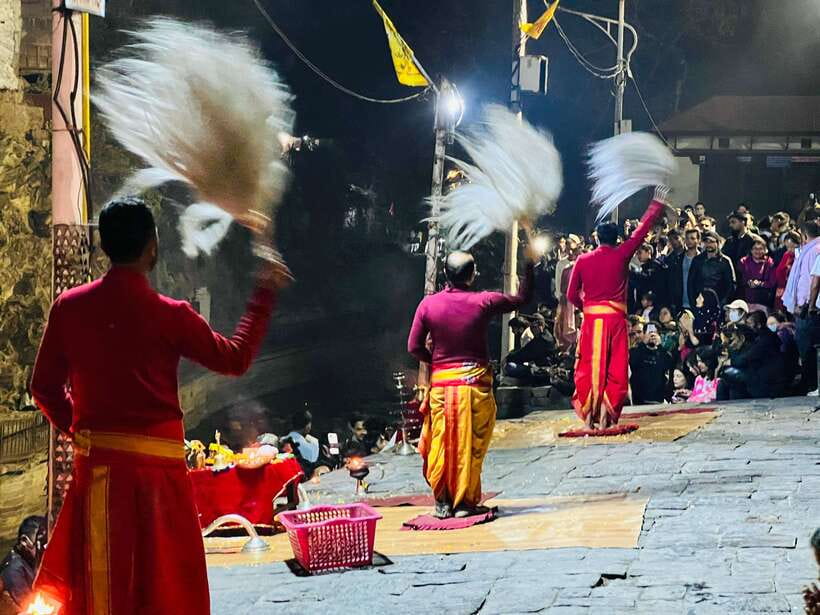
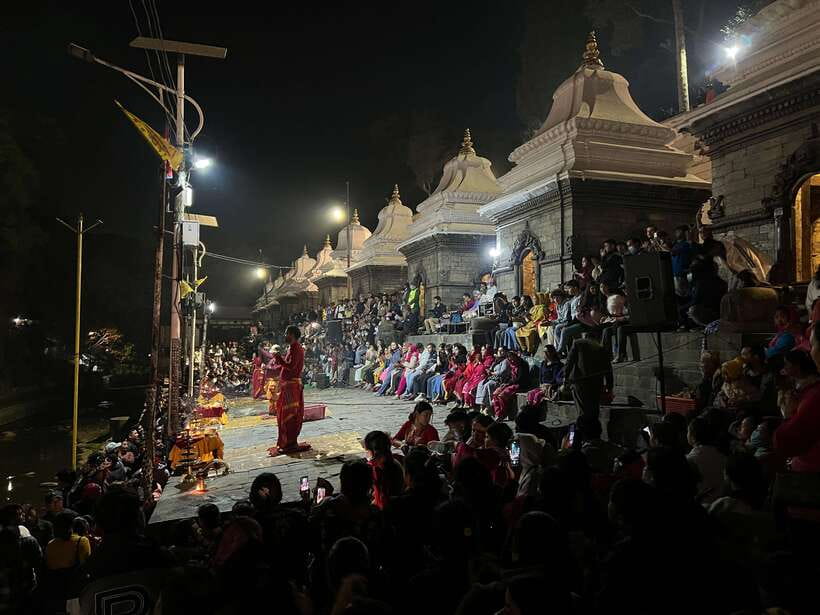
- Around 6 pm eastern-bank aarti with Vedic chanting, bells, incense, oil lamps, and live classical music
- Time to explore on your own after the guided section, which helps you pace the experience
- Bring cash and comfortable shoes since entry fees are not included and you will do some walking
- Short duration, big atmosphere (about 2 to 3 hours total) without turning the day into a full production
How the 2 to 3 Hours Flow From Thamel to the River
This tour is designed to be compact, not rushed, and it fits nicely into a Kathmandu afternoon. You start with pick-up from your area in or near Thamel in the late afternoon, then you head toward Pashupatinath by car. The drive is part of the setup, because you get time to watch the city shift toward the river.
Once you reach the temple complex, your guide gets you oriented first. Then you do a guided visit and walking time, followed by free time. The big payoff comes when you head to the riverside area for the evening ceremony at about 6 pm.
Because the whole experience runs about 2 to 3 hours, it’s a good option if you want something powerful but you do not want a half-day plan that stretches your attention.
More Temple & Stupa Tours in Kathmandu:
- Kathmandu Spiritual Sites: Bodhnath & Pashupatinath Tour
★ 5.0 · 185 reviews - Kathmandu: Chandragiri Cable Car and Monkey Temple Tour
★ 4.8 · 139 reviews - Monkey Temple – Swayambhunath Tour – Private/Small Group
★ 5.0 · 50 reviews
Temple Complex First: What the Guided Walk Adds
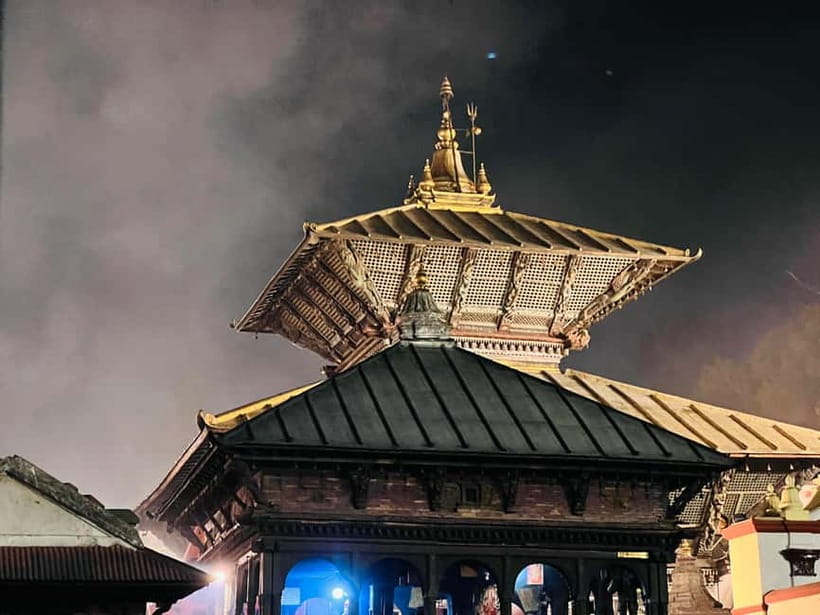
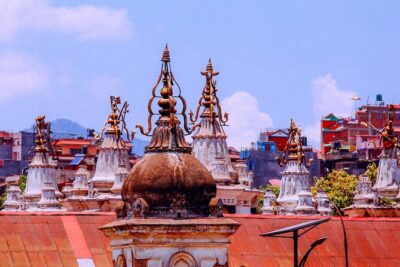
The Pashupatinath temple site can feel confusing at first, even if you’ve seen photos. That’s where the guide matters. You get an explanation of the temple’s religious significance, plus context about its history and architecture as you move through the complex.
You’re also not just standing in one place. You have guided visit time that includes walking, roughly 1.5 hours. That flow is practical. It helps you connect what you’re seeing to what it means, instead of treating the site like a checklist.
Then you get free time after the guided portion. That’s not filler. It’s your chance to take your bearings, slow down, and decide where you want to look next before the ceremony begins.
If you’re hoping to avoid specific areas tied to funeral-related rituals, pay attention to where you’re standing and how the crowd shifts. The ceremony brings people close together, so positioning can affect what you notice.
The Big Moment at 6 pm: Evening Aarati on the Bagmati
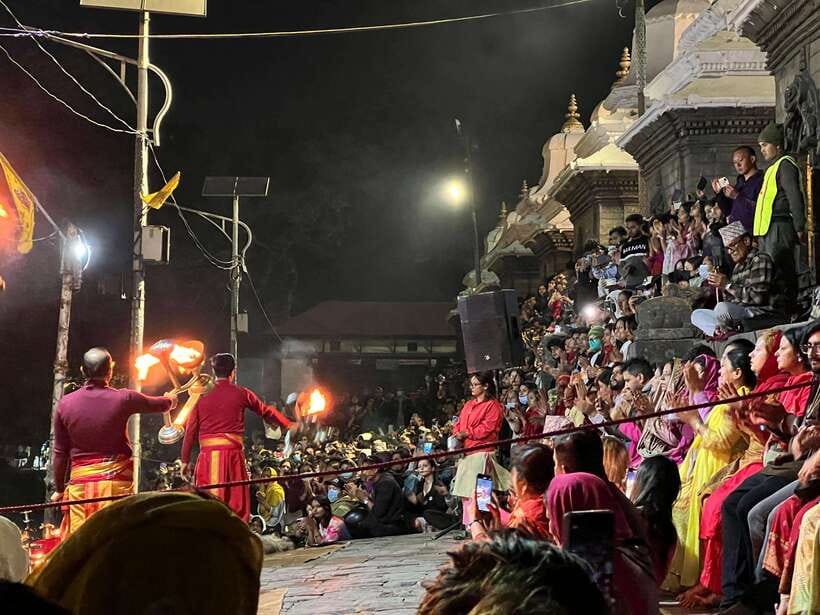
At about 6 pm, the evening aarti starts on the eastern bank of the Bagmati River. This is the part most people remember, and it’s easy to see why once the lights come on and the ritual moves into full rhythm.
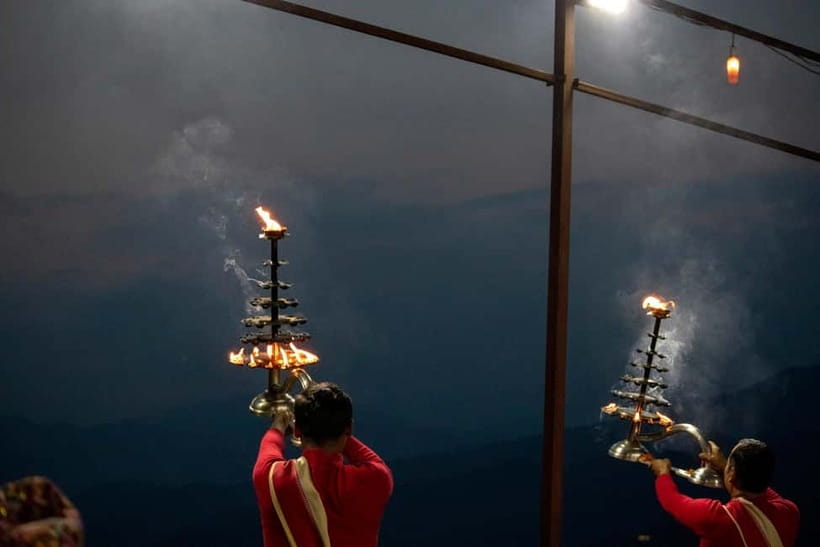
The ceremony blends multiple sensory layers. You’ll hear chanting and prayer, including Vedic mantras, and you’ll likely notice bells ringing as the priests perform the ritual steps. Incense burns in the air, and priests wave oil lamps in intricate patterns.
Then the soundscape turns more musical. Live music plays with classical instruments and devotional hymns, which gives the whole moment a deeper structure than a simple devotional sing-along. The result is a kind of emotional atmosphere that feels very local, not staged for tourists.
The guide’s earlier context pays off here. Even a short explanation of what to watch for helps you follow what’s happening as the ceremony unfolds. And the timing matters. Showing up late can mean you arrive after the first rituals start, which can limit your view when things intensify.
This is the kind of experience where your phone camera can struggle. The light changes fast, and smoke and lamp glow create high contrast. If you plan to take photos, keep your expectations realistic and focus on enjoying the ceremony with your own eyes first.
Where You’ll Stand Changes Everything (So Ask Early)
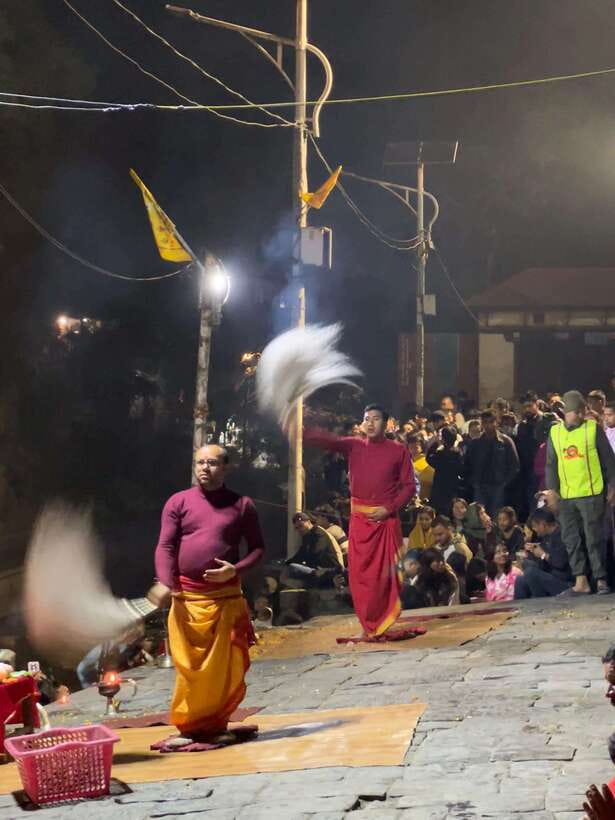
The Pashupatinath riverside area can be crowded, and your viewing position is a real factor. I’ve seen how guides can think they’ve picked the right angle, only to realize after the fact that the view is blocked or awkward.
So here’s my practical advice. When you arrive for the aarti, tell your guide what you need. For example, ask whether you can see clearly from where you’re placed and whether you can adjust positions once the ceremony starts. If you’re early, you still might not automatically get the best spot, so make it clear you want the best line of sight.
Also, decide what you prioritize. Want photos? Then stand where you can shoot without constant obstruction. Want the full feel? Then stand where you can hear the chanting and music without craning your neck the whole time.
One review experience highlighted a common issue: a guest wanted the ceremony focus rather than nearby funeral-related activity, but their initial spot did not match expectations. The takeaway is simple. If your interests are specific, speak up early.
A few more Kathmandu routes to compare
- Private Kathmandu Sightseeing Tour | UNESCO World Heritage sites
★ 5.0 · 756 reviews - Kathmandu: Full Day 7 UNESCO Tour with Lunch – Private/Group
★ 5.0 · 415 reviews - Private Bhaktapur and Nagarkot Day Tour From Kathmandu
★ 5.0 · 305 reviews - Kathmandu: Full Day Top 4 UNESCO Tour with Lunch – Private/Group
★ 5.0 · 269 reviews
Meet the Guide: How Much You’ll Gain From the Right Person
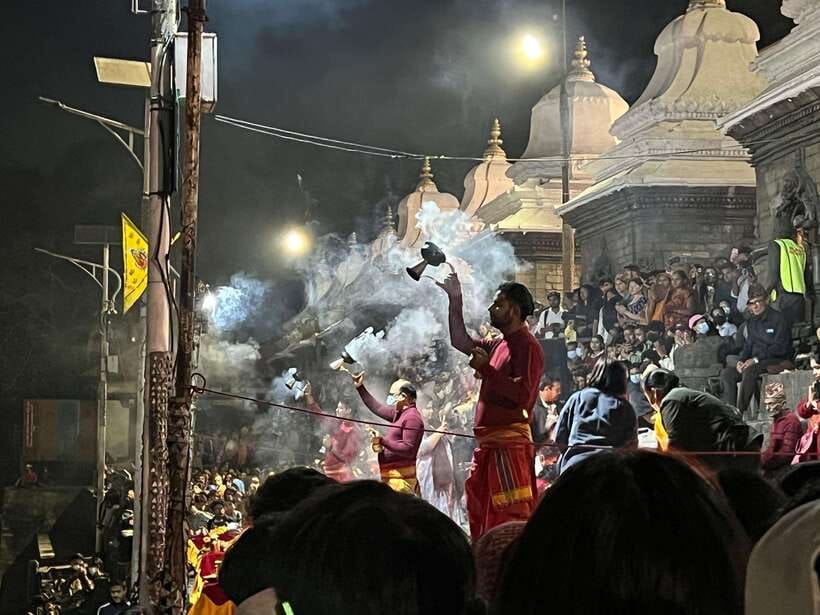
Your experience depends a lot on the guide you get. In one case, a guide named Amrit stood out for being highly informative and for answering lots of questions during the temple visit and around the ceremony.
That matters because aarti rituals are rich in meaning, and you do not need a long lecture to appreciate them. A guide who can answer your questions helps you connect details you’d otherwise miss, like the structure of the ritual actions or what the chanting and instruments are doing within the ceremony.
English is available, and there are other language options too, including Hindi and Chinese. That’s a bonus if you want to understand every part of the explanation rather than just the broad story.
That said, guides are balancing their own pace with group needs. If you are sensitive to awkwardness or interruptions, it’s worth remembering that tours happen in real time, with real conversations, not a movie scene. If something feels off, ask your guide what to focus on during the ceremony.
Price and Logistics: Is It Good Value at $22 per Person?
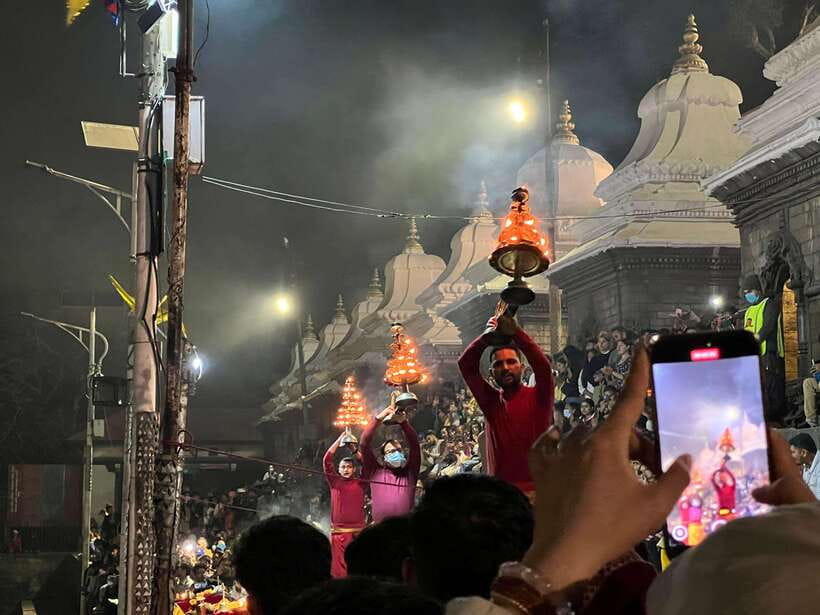
At about $22 per person, this tour is priced as an affordable introduction to a major Kathmandu spiritual event. For the money, you get transportation, a licensed English-speaking guide, and hotel pick-up and drop-off from Thamel or nearby.
What you should factor in is what’s not included. Food and drinks are not covered, and entry fees are not included. That means you’ll want a little extra cash and a plan for where you’ll eat afterward or before you go.
The duration is also part of the value equation. Roughly 2 to 3 hours means you get a high-impact cultural moment without spending your whole evening on logistics. It’s a practical choice when you want to see something genuinely Nepalese but you also need rest or flexibility later.
One more logistics point that affects your experience: pick-up areas are limited to Thamel or nearby. If you’re staying outside that zone, the tour says pick-up is optional using the suitable vehicle for your location, but you should confirm what’s actually possible for your hotel area.
Finally, bring the basics. Comfortable shoes help because you do walking inside the complex. A camera is useful, and cash is handy for entry fees and small needs during the day.
What to Pack and How to Plan Your Evening
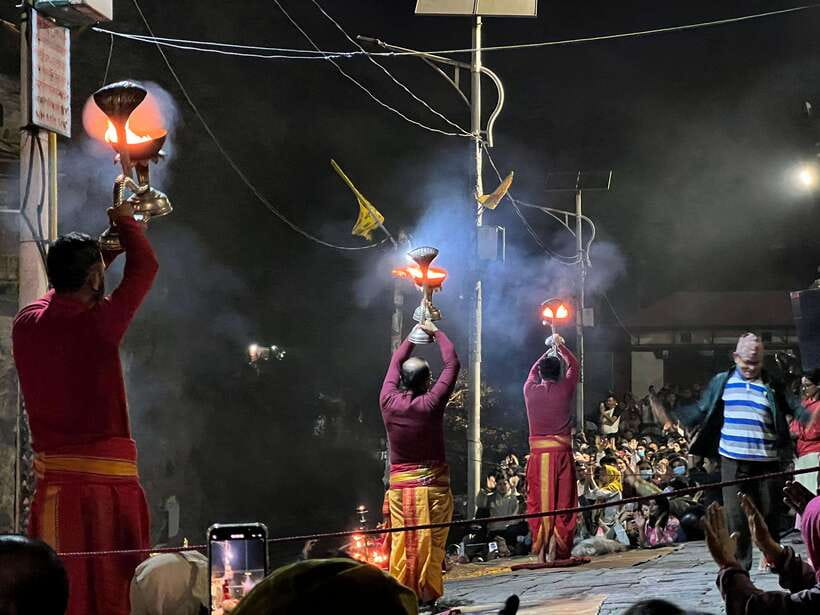
This tour is timed for late afternoon into early evening. That means you can dress for changing conditions. Kathmandu can shift from warm daylight to cooler evening air quickly, especially near river areas where you might feel drafts.
Your packing list is simple for a reason:
- Comfortable shoes for the temple walk
- Camera if you want to capture lamp light and the ritual flow
- Cash since entry fees are not included
If you wear layers, you’ll be happier once the ceremony begins and the lamps start glowing around you. Also, keep your belongings secure and easy to manage, because riverside crowds can make bags feel more annoying than helpful.
For timing, aim to be ready during pick-up. Once you arrive, the guide will handle the temple orientation and then bring you to the right place for the aarti. Your main job is to stay calm, keep your eyes open, and be willing to shift positions if needed.
Who This Tour Fits Best (and Who Should Skip It)
This is a good match if you want:
- A short, guided way to see Pashupatinath without navigating the site alone
- The evening aarti experience with structured context
- A plan that includes hotel transport instead of dealing with taxis at dusk
It’s less ideal if you need wheelchair access. The tour is not suitable for wheelchair users, and it is also listed as not suitable for very young children (under 2, under 5, and babies under 1).
If you’re traveling with kids who can handle walking and crowd conditions, check your comfort level carefully anyway, because this is a temple setting plus a riverside ceremony. For babies and toddlers, the combination of crowds, ritual noise, and uneven movement around temple grounds is likely not a great fit based on the stated restrictions.
If your main goal is purely sightseeing photos, you may still enjoy it, but you’ll get more out of it if you’re curious about what the ceremony means. The guide helps you connect actions to belief, not just locations.
Should You Book This Pashupatinath Evening Aarati Tour?
Yes, I think you should book this if you want a short, efficient way to experience Pashupatinath at dusk with a guide and a real cultural ritual front and center. The timing around 6 pm, the guided orientation in the temple complex, and the included transportation from Thamel make it feel like good planning rather than a chaotic scramble.
Book it especially if you like guided context. A guide who answers questions, like the Amrit example, can turn the ceremony from something you watch into something you understand.
Skip or rethink if you know you’re very picky about viewing angles and you plan to stand in a specific spot no matter what. You can manage this by speaking up early and being flexible once you arrive.
If you want one evening in Kathmandu that feels spiritual, local, and not overly complicated, this tour is a strong choice. Just remember, the best experience comes when you treat it like an event to participate in, not a photo shoot to control.
FAQ
How long is the Kathmandu Pashupatinath evening aarati tour?
The tour lasts about 2 to 3 hours total.
What does the tour include?
It includes hotel pickup and drop-off (from Thamel or nearby), transportation to and from Pashupatinath, a licensed English-speaking guide, and taxes and service charges.
Where do pickup and drop-off happen?
Pickup and drop-off are available in Thamel and nearby areas. The options listed include Thamel and Thamel Marg.
What time does the evening aarati start?
The evening aarati ceremony starts at about 6 pm on the eastern bank of the Bagmati River.
Do I need to pay entry fees or buy food?
Entry fees and food and drinks are not included, so you should plan for those costs separately.
Is the tour suitable for wheelchair users and young children?
No. It is not suitable for wheelchair users. It is also listed as not suitable for children under 2, children under 5, and babies under 1.
Latest additions near Kathmandu
- White Water River Rafting – 1 Day★ 4.3 · 3 reviews
- Traditional Momo Making Class★ 5.0 · 10 reviews
- Kathmandu to Pokhara Premium sofa bus ticket★ 4.0 · 17 reviews
- Ghorepani Poon Hill Trek★ 5.0 · 16 reviews
- Amazing 1 Day Trekking Experience in Kathmandu Nepal★ 5.0 · 24 reviews
- Ghorepani Poonhill Trek★ 5.0 · 5 reviews
- Walking tour of real Kathmandu through back streets.★ 5.0 · 3 reviews
- Wildlife Adventure in Chitwan Nepal★ 4.0 · 4 reviews
Temple & Stupa Tours, compared.
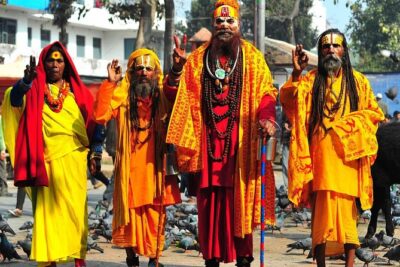
Kathmandu Spiritual Sites: Bodhnath & Pashupatinath Tour
Read our review →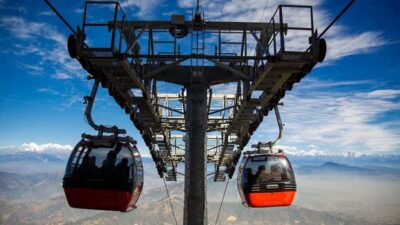
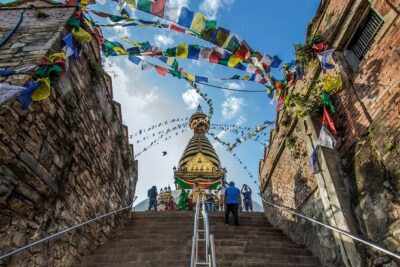
Monkey Temple – Swayambhunath Tour – Private/Small Group
Read our review →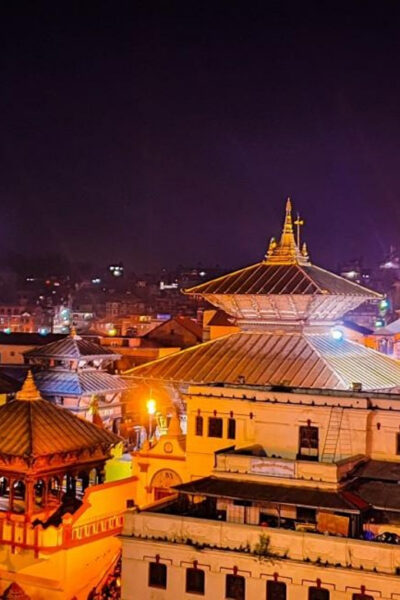
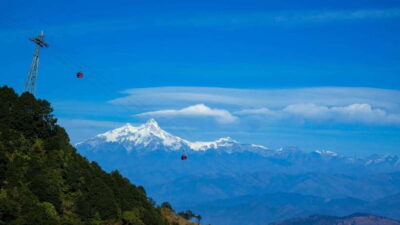
Chandragiri Cable Car & Monkey Temple Tour- Private/Group
Read our review →
Private Chandragiri Cable Car and The Monkey Temple Tour
Read our review →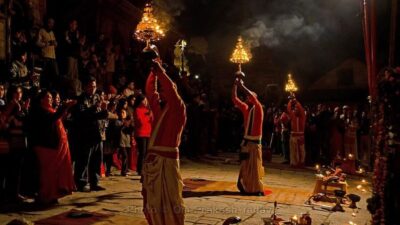
Pashupatinath Temple, Hindu Crematorium and Aarati in-depth Tour
Read our review →Browse the lists this tour appears in