
Reviewed · CITY TOURS
Kathmandu City Tour in 6 Hours – Discover the Cultural Highlights
Kathmandu in one packed drive. This half-day city tour strings together Hindu and Buddhist landmarks in a smart order, with a private vehicle and door-to-door pickup from your accommodation in Kathmandu. I like that it gives you a real feel for Nepal’s architecture and religious life without eating your whole day, and I like that the stops are spaced so you are not rushed through everything. One consideration: there is no guide included, so if you want deeper explanations on the spot, you will likely want to arrange one and budget for entrance fees.
Plan on 5 to 6 hours on the clock, but I suggest planning 6 to 7 hours once you factor in walking, lines, and a bit of temple time. You start at 9:15 am near Satghumti with Mountain Hike Nepal, and you end back at the meeting point. The value here is simple: you get transport and a focused route to the city’s biggest hits, then you can choose how much extra you add with a hired guide and paid site entries.
In This Review
- Key Points Worth Knowing Before You Go
- A Smart Kathmandu Route, Without the Full-Day Burn
- Price and What It Actually Includes (Plus the Extra Costs)
- Private Vehicle, Door-to-Door Pickup, and Only Your Group
- Stop 1: Swayambhu Mahachaitya and the Monkey Temple Scene
- Stop 2: Patan Durbar Square and Newari Red-Brick Detail
- Stop 3: Pashupatinath Temple on the Bagmati River
- Stop 4: Buddha Stupa, the Tibetan Exchange Route Feeling
- Guide Choice: Should You Hire One Here?
- Timing That Actually Works on the Ground
- Best Fit: Who Will Like This Tour Most
- Should You Book This Kathmandu City Tour in 6 Hours?
- FAQ
- FAQ
- How long is the Kathmandu City Tour?
- Is there an age requirement?
- What time does the tour start?
- Where does the tour start?
- Is a guide included?
- Are entrance fees included?
- What is included in the price?
- Is this tour private?
- Will I receive a mobile ticket?
- What happens if weather is bad or I need to cancel?
Key Points Worth Knowing Before You Go
- Private vehicle with driver: fuel, parking, and insurance are handled, so you can focus on sights.
- No guide included: you can hire one if you want more context at temples and squares.
- Entrance fees are extra: plan for site tickets once you arrive.
- Stops are religion-heavy, in a good way: Hindu shrines plus Buddhist stupas, side by side.
- A practical 6- to 7-hour schedule: enough time to look, but not a full-day marathon.
A Smart Kathmandu Route, Without the Full-Day Burn
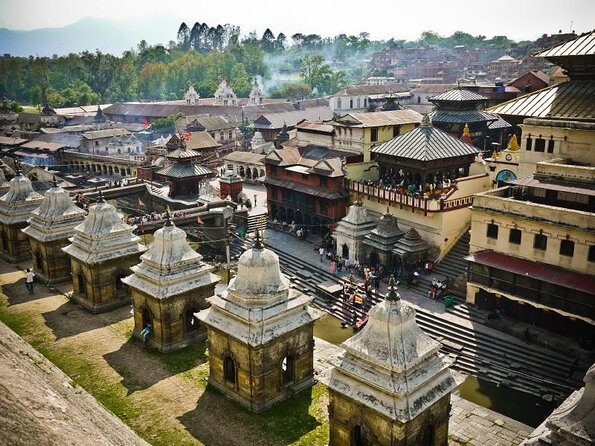
This is the kind of tour that works when you have one good day and you want more than one viewpoint. Instead of bouncing randomly, the drive ties together iconic places that show different parts of Kathmandu Valley culture: ancient courtyards, riverbank worship, and massive stupa traditions that connect Nepal to wider Buddhist routes.
I like the pacing promise. Swayambhu takes about an hour, Patan Durbar Square another hour, Pashupatinath runs a longer two hours, and the Buddha Stupa stop is about an hour. That adds up to a realistic half-day plan where you can actually look up at carvings, notice the way people move through sacred spaces, and take a breath between big moments.
The tour is also built around an easy format: your driver takes you to the major stops, and you are not stuck figuring out roads, entry points, and timing across a large city. If you are traveling with family or you just want a low-stress day, this structure is a big help.
More City Tours in Kathmandu
- Kathmandu: Private City Guided Tour
★ 4.9 · 174 reviews - Kathmandu City Tours
★ 5.0 · 66 reviews - Kathmandu Valley City Day Tour
★ 5.0 · 40 reviews
Price and What It Actually Includes (Plus the Extra Costs)
The price is $54.95 per person, and the way it is packaged is pretty practical. You get a private vehicle with driver, plus the driver’s salary and expenses, along with fuel, parking fees, and insurance. That means the core cost covers the logistics.
What is not included matters, though. Entrance fees for sightseeing and monument visits are an additional cost, and tips are not included either. And since a guide is not included, if you want explanations at each stop, that will be extra.
To judge value, think like this: if you are paying separately for transport and you are going to multiple major sites anyway, having one driver handle the day can be a bargain. It is especially useful when you are not sure about which routes to take or how to stitch together the stops efficiently.
Private Vehicle, Door-to-Door Pickup, and Only Your Group
One of the best parts of this experience is that it is private. Only your group participates, so you are not stuck waiting on strangers at each stop or dealing with a tight group checklist that someone else controls.
The tour uses a private vehicle with driver, and that takes the pressure off immediately. Kathmandu can be busy and traffic can mess with plans, so letting the driver handle the day is a big quality-of-life upgrade.
You also get door-to-door help from your accommodation in Kathmandu, which is huge if you are staying outside the absolute center. The tour ends back at the meeting point, so you keep a clean start and finish even if your pickup is more flexible.
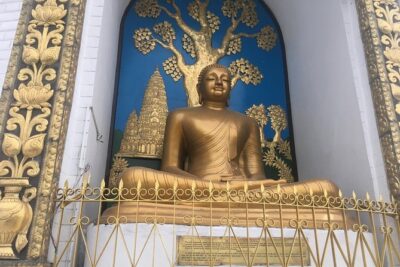
Stop 1: Swayambhu Mahachaitya and the Monkey Temple Scene
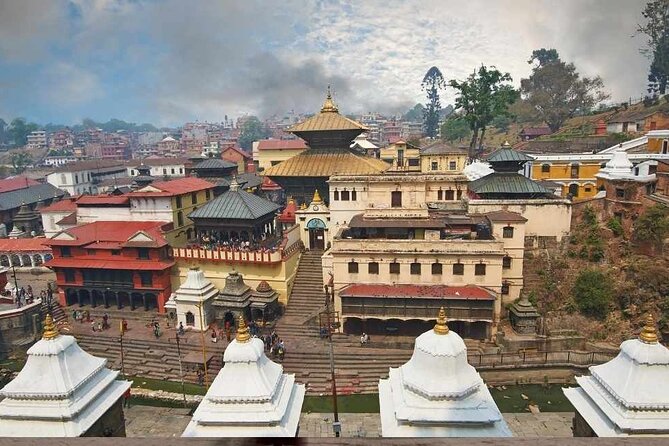
Swayambhu Mahachaitya is the first stop, and it is a clear mood setter. This place blends Hindu and Buddhist shrine elements, so you do not just see one tradition. You see how traditions live next to each other in the same sacred area.
The most famous feature for many visitors is the Monkey Temple effect, thanks to the large monkey population around the area. It is part comedy, part cultural observation, and part reminder to watch your belongings. If you plan to bring snacks or anything tempting in your bag, keep it zipped and secure.
Time-wise, plan on about one hour here. That is enough to climb and look around, but you should use it well. I recommend doing a first circuit just to get oriented, then spend a second chunk looking closely at the stupas and shrines, where the details start to click.
A practical note: Swayambhu is a spiritual place, so keep your clothing respectful. Comfortable walking shoes also help, since you will be moving through an active temple zone.
A few more Kathmandu routes to compare
- 4 UNESCO City Sightseeing in Kathmandu
★ 5.0 · 36 reviews - Full Day Kathmandu City Sightseeing Tour of UNESCO Heritage Sites
★ 5.0 · 36 reviews - Patan and Bhaktapur City Full Day Tour
★ 5.0 · 24 reviews - City tour of Bhaktapur and Patan Durbar Square
★ 4.5 · 20 reviews
Stop 2: Patan Durbar Square and Newari Red-Brick Detail
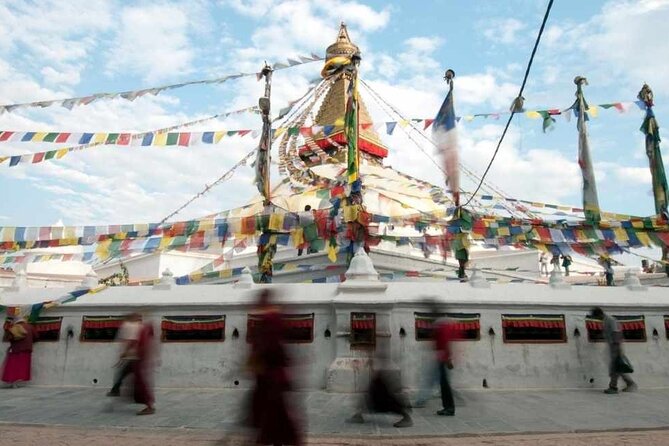
Next you head to Patan Durbar Square, and this is where Kathmandu Valley craftsmanship really shows. This area reflects the history and culture of the Newari community, and you can see that in the way the square is built and how people use the space.
One of the most noticeable visual details is the red-brick flooring, tiled in square shapes. That kind of ground pattern might sound minor, but it changes how the whole place feels. It makes the square read like a true old-city courtyard rather than a generic sightseeing stop.
You also have old residential Newari buildings and numerous temples within the square. The mix matters. You are not just looking at a single monument, you are seeing a lived-in sacred neighborhood layout.
This stop is scheduled for about one hour. If you rush, you will miss the small carvings and the way temple architecture fits into everyday streets. If you slow down a bit, you will start to notice how the square’s design shapes movement, views, and where people pause.
If you like architecture and street-level culture, Patan Durbar Square is often the stop where you feel the city’s age most clearly.
Stop 3: Pashupatinath Temple on the Bagmati River
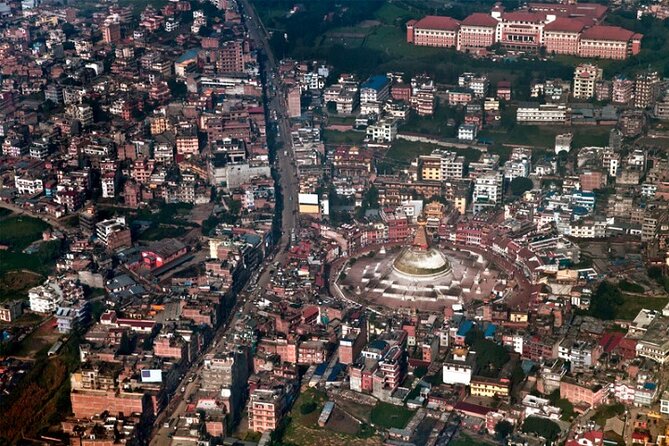
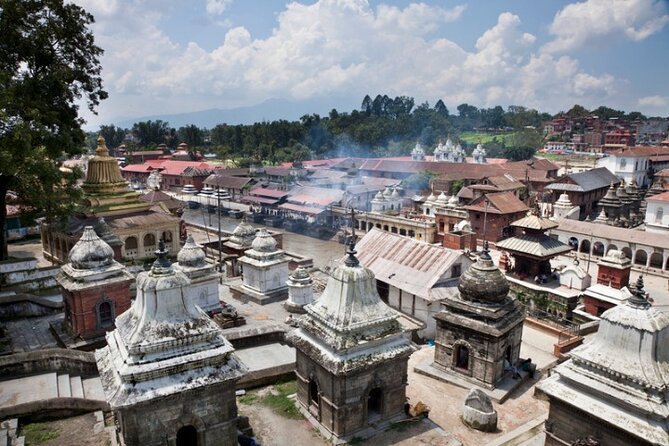
Pashupatinath Temple is the big centerpiece of the third stop, and the schedule gives it the time it needs, about two hours. It sits on the banks of the Bagmati River and is one of the main temples dedicated to Lord Shiva.
This is also a temple area full of smaller temples of different Hindu deities. That means you can spend time moving through layers of sacred space rather than just taking one photo and moving on. The overall atmosphere comes from that variety, plus the river setting that shapes the feel of the place.
Two hours can sound like a lot until you are actually there. Temples like this draw people for different reasons, and you might want to pause for longer around the most important viewpoints. The riverfront setting also means you may naturally slow down.
A balanced expectation helps here. This is not a quiet museum experience. It is a living religious center, so expect real worship activity and real daily routines. If you keep your pace patient and respectful, you get a much more meaningful visit.
If you are sensitive to crowds, go into this stop with a calm mindset. Bring a water bottle, but handle it discreetly. Most importantly, focus on what you can see and understand from the space, even if you do not have a guide explaining every detail.
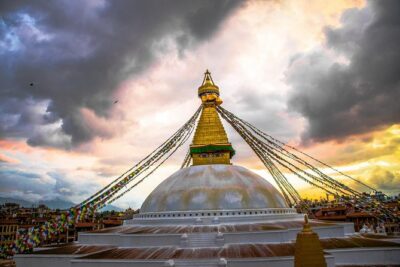
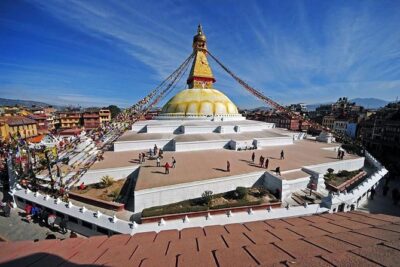
Stop 4: Buddha Stupa, the Tibetan Exchange Route Feeling
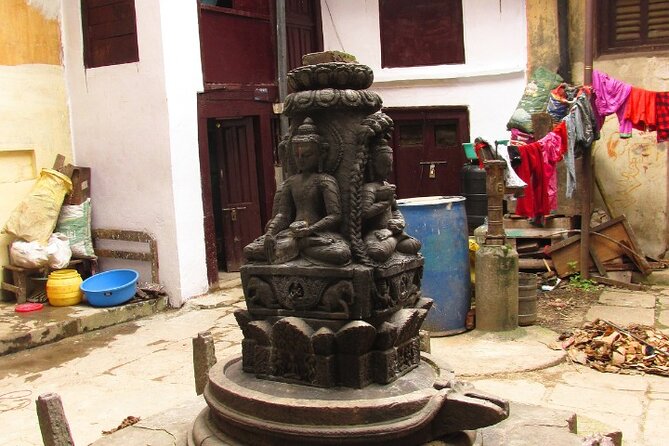
The final major stop is the Buddha Stupa, also known as the huge stupa area many people connect with Boudhanath. The tour describes it as one of the biggest stupas in South Asia and notes its connection to an ancient exchange path to Tibet.
That connection matters because it helps you see the stupa as more than a standalone monument. It becomes a marker of how ideas, trade, and religious traditions moved through the region over long periods of time. Even without extra reading, the scale gives you that sense fast.
You can expect a main stupa built in a Nepali Buddhist fashion, plus additional features in the larger complex area. The stop is scheduled for about one hour, which is enough time to walk around key areas and notice how the complex is arranged.
If you like photo ops, this is often the best place to get wide, steady shots. If you like spirituality and rhythm, pay attention to how people move around the stupa during their visit. The motion becomes part of the experience.
Also, keep your expectations practical. One hour means you will not see everything in exhaustive detail, so I suggest you pick one main viewpoint circle, look carefully, then spend any extra minutes lingering where you feel drawn.
Guide Choice: Should You Hire One Here?
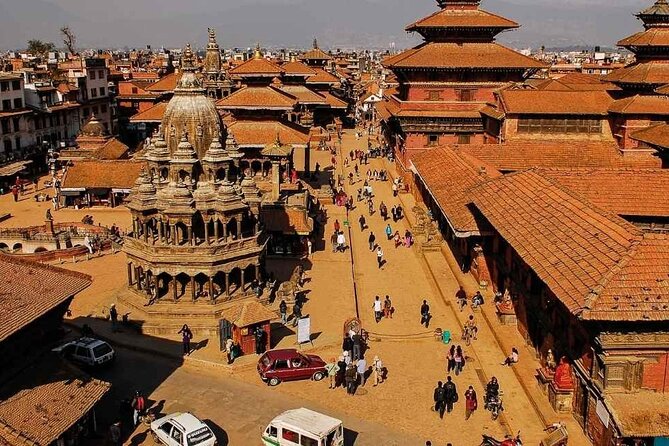
This tour does not include a guide by default, but you can hire one for extra context. That is an important lever, because it changes your experience from sightseeing to story.
When a guide is involved, you get help translating what you see: why shrines sit where they do, how different traditions share space, and what certain architectural choices signal. The information can also help you move with confidence, especially at places like Pashupatinath where the temple area has many smaller shrines.
If you skip a guide, you can still have a strong day. Your driver gets you between sites, and the time blocks are clear enough to allow walking and looking. Just know you might spend more time trying to interpret things on your own.
My suggestion: if you are the type who loves meaning and background, hire a guide for at least part of the day, even if it is only at the longer stop like Pashupatinath. If you are more about visuals and atmosphere, you can keep it simple and skip it.
Timing That Actually Works on the Ground
The tour starts at 9:15 am. That timing helps, because early morning light can make the stone and brick details pop, and it can be easier to navigate sacred sites before crowds fully build.
You should expect the tour to run about 5 to 6 hours, but build in the reality that you might spend a little longer when you are standing in front of something impressive. The tour’s own guidance suggests planning 6 to 7 hours, and I agree with that buffer for comfort.
Also, since it is a driver-led transport day, you will feel the value when the itinerary stays tight. Your best experience comes when you are ready at each stop and not trying to cram in extra errands.
Best Fit: Who Will Like This Tour Most
I think this tour is a strong match if you want a single-day overview of Kathmandu’s religious and architectural highlights. It is especially good when you do not want to research routes, worry about timing, or solve transport problems while you are also trying to see temples and squares.
It is also a good option for families and people who prefer a calmer structure. The tour is for ages 10 and above, which makes it easier to plan family days, as long as everyone can handle temple walking.
If you are a hardcore history buff who wants deep, stop-by-stop interpretation, the lack of an included guide might feel limiting. In that case, plan to hire a guide or use audio materials before you go so you have a basic framework.
Should You Book This Kathmandu City Tour in 6 Hours?
Book it if you want an efficient half-day route with private transport and a clear hit list: Swayambhu Mahachaitya, Patan Durbar Square, Pashupatinath Temple, and the Buddha Stupa area. The schedule fits well, and the cost includes the heavy lifting of getting you around safely and on time.
Skip it or modify your expectations if you want a guided narrative included in the price. Since entrance fees are extra and a guide is not included, you will want to budget a bit more for site entries and potentially a hired guide.
FAQ
FAQ
How long is the Kathmandu City Tour?
It runs about 5 to 6 hours, though you should plan for 6 to 7 hours to allow for time at the sites.
Is there an age requirement?
Yes, this tour is for ages 10 and above.
What time does the tour start?
The start time is 9:15 am.
Where does the tour start?
It starts at Mountain Hike Nepal, Official Tours & Trekking Company, Satghumti, Kathmandu 44600, Nepal.
Is a guide included?
No, a guide is not included, but you can hire one if you want.
Are entrance fees included?
No. Entrance fees for sightseeing or monument visits are additional.
What is included in the price?
You get a private vehicle with driver, plus the driver salary and expenses, vehicle fuel, parking fees, and insurance.
Is this tour private?
Yes, it is private, and only your group participates.
Will I receive a mobile ticket?
Yes, the tour includes a mobile ticket, and confirmation is received at the time of booking.
What happens if weather is bad or I need to cancel?
If poor weather causes cancellation, you will be offered a different date or a full refund. For cancellations, it is free up to 24 hours in advance for a full refund.
Latest additions near Kathmandu
- White Water River Rafting – 1 Day★ 4.3 · 3 reviews
- Traditional Momo Making Class★ 5.0 · 10 reviews
- Kathmandu to Pokhara Premium sofa bus ticket★ 4.0 · 17 reviews
- Ghorepani Poon Hill Trek★ 5.0 · 16 reviews
- Amazing 1 Day Trekking Experience in Kathmandu Nepal★ 5.0 · 24 reviews
- Ghorepani Poonhill Trek★ 5.0 · 5 reviews
- Walking tour of real Kathmandu through back streets.★ 5.0 · 3 reviews
- Wildlife Adventure in Chitwan Nepal★ 4.0 · 4 reviews
City Tours, compared.
Sarangkot Sunrise with Half or Full-Day City Tour
Read our review →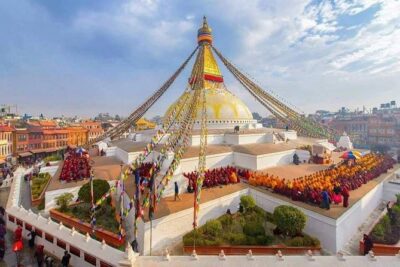
Full Day Kathmandu City Sightseeing Tour of UNESCO Heritage Sites
Read our review →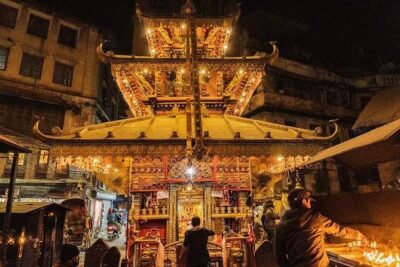
Browse the lists this tour appears in