
Reviewed · CITY TOURS
Kathmandu at Sunset: Explore the City on Rickshaw
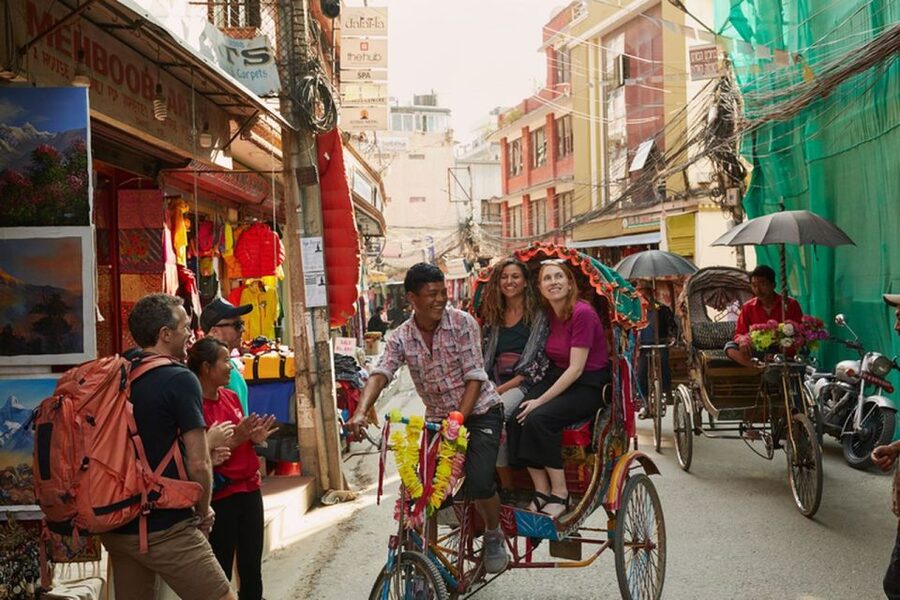
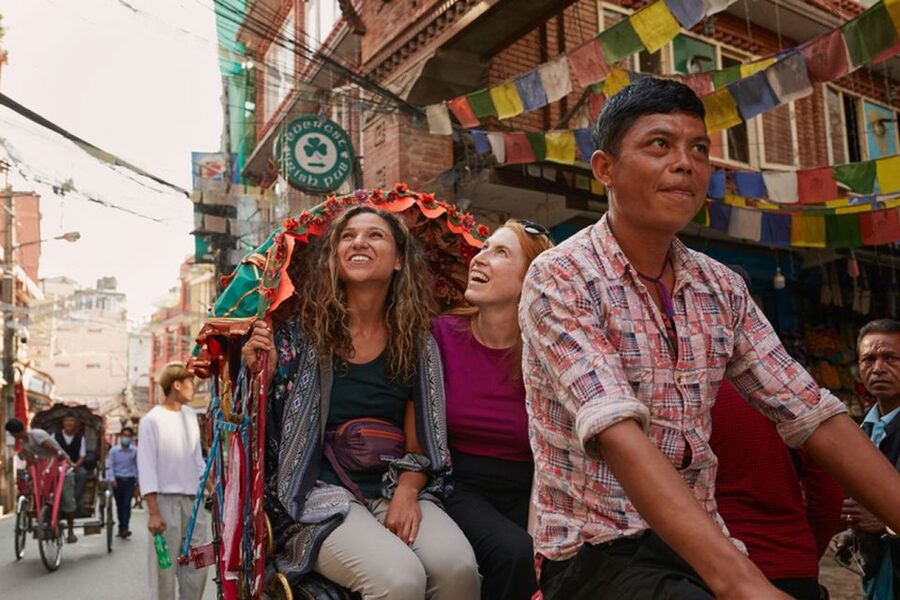
Sunset in Kathmandu is made for slow wheels. This rickshaw ride threads Thamel lanes to Kathmandu Durbar Square, with stops that let you smell the spices at Asan and sit in the square to watch chai cups, prayers, and pigeons. I like the way your guide connects temple details to daily life, and how the markets feel like real work, not a show. One possible drawback: the tour may feel closer to about 2 hours for some departures, rather than the full 2.5 to 3 hours.
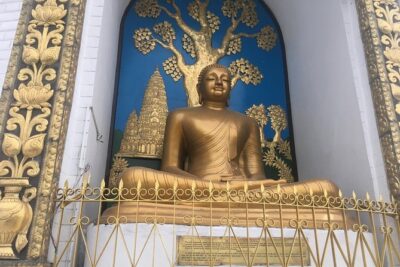
Your evening starts at Hotel Marshyangdi in Thamel, then you hop off for a calm breather at the Sigal Buddhist shrine before heading toward the city’s UNESCO-listed core. It’s designed for a small group of up to 12 people, with an English-speaking Nepali guide and entrance fees to Kathmandu Durbar Square included. Add in the fact that this is carbon neutral, and it also supports rickshaw drivers directly by hiring their pedicabs for the route.
In This Review
- Key things you will love on this Kathmandu sunset rickshaw ride
- Why a sunset rickshaw route makes Kathmandu feel real
- Meeting at Hotel Marshyangdi and warming up in Thamel
- The pedicab ride through busy lanes, why the pace is part of the value
- Sigal shrine stop in a side alley, calm when you need it
- Asan Market and the spice-and-vegetable rhythm near Annapurna Temple
- Kathmandu Durbar Square at dusk, watching devotion in motion
- Small group size, English guide, and rickshaw-driver support you can feel
- Price and value: what you get for $49 and what to plan for
- Timing and expectations: a 2.5 to 3 hour plan with real-world flexibility
- Who should book this Kathmandu sunset rickshaw tour
- Should you book Kathmandu at Sunset: Explore the City on Rickshaw?
- FAQ
- How much does Kathmandu at Sunset: Explore the City on Rickshaw cost?
- How long is the tour?
- Where does the tour start and end?
- What is included in the price?
- Are food and drinks included?
- What are the key stops during the tour?
- What language is the guide?
- Is the tour a small group?
- Is the tour suitable for children?
- Is there an entrance fee covered for Durbar Square?
Key things you will love on this Kathmandu sunset rickshaw ride
- Thamel to Durbar Square by rickshaw: an actual ride through backstreets, not just quick photo stops
- Asan Market at nightfall: spices and everyday market life around Annapurna Temple
- Sigal shrine visit: a quiet Buddhist pause in a side alley
- Kathmandu Durbar Square at dusk: a front-row seat for devotion, chai sipping, and temple-square rhythms
- Small group of up to 12: you get personalized attention from your English-speaking Nepali guide
- Support for heritage and drivers: entrance fees help preserve the site, and rickshaws are hired from working drivers
Why a sunset rickshaw route makes Kathmandu feel real
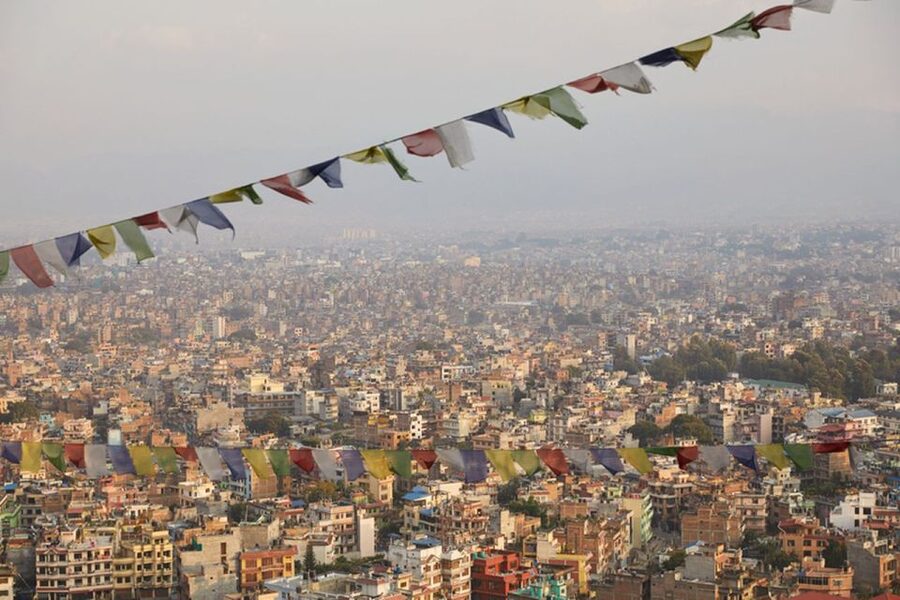
Kathmandu at sunset runs on a slower rhythm than daytime. The light softens, the streets get less chaotic, and people shift from errands to evening routines. That timing matters, because this tour is built around seeing the city as locals actually experience it, temple square to market lane to quiet shrine alley.
The rickshaw part is also the point. Modern cars and motorbikes dominate many city roads, so rickshaws can be rare in day-to-day life. Here, you’re not just looking at a rickshaw, you’re using one, so you feel the street texture and hear the sounds the way pedestrians do.
Finally, the best payoff is how the route strings together three different types of spaces: a tourist-heavy starting area, a working market district, and a major heritage square. You get variety without changing neighborhoods every ten minutes.
More City Tours in Kathmandu
- Kathmandu: Private City Guided Tour
★ 4.9 · 174 reviews - Kathmandu City Tours
★ 5.0 · 66 reviews - Kathmandu Valley City Day Tour
★ 5.0 · 40 reviews
Meeting at Hotel Marshyangdi and warming up in Thamel
You meet at Hotel Marshyangdi, on Chaksibari Marg in Thamel. That location is handy because Thamel is the tourist heart of Kathmandu, meaning you’ll likely be able to find your way to the start point without stress.
Once the tour begins, you spend a short block of time in Thamel. It’s not meant to be a long sightseeing lecture. Instead, it helps you get your bearings quickly, understand what the neighborhood feels like, and notice how the city transitions once you’re moving away from the main traffic of tourists and shops.
If you want the best experience, arrive a bit early and take a quick look around before you start rolling. You’ll get more out of the later stops when you can mentally map what you’re leaving behind.
The pedicab ride through busy lanes, why the pace is part of the value
A core piece of this tour is time on the pedicab itself, about one hour riding through Kathmandu streets. That’s long enough to feel like you’re part of the flow, but not so long that you’re sitting through a long transfer.
On a route like this, the guide’s job is to turn movement into understanding. As you pass along backstreets and neighborhood edges, your English-speaking Nepali guide points out what you’re seeing and why it matters, from temple sightlines to market activity to the logic of where people gather.
One practical consideration: pedicab streets can involve uneven pavement and narrow lanes. If you’re carrying a bulky bag, consider keeping it simple. Comfortable closed-toe shoes help a lot when you hop off for short visits.
Sigal shrine stop in a side alley, calm when you need it
After rolling through the city, you hop off for a visit to Sigal, a tranquil Buddhist shrine. The best part here is that it feels like a pocket of quiet in the middle of Kathmandu’s energy. The shrine is reached just a few steps inside an alley, which helps you switch mental gears from street-level movement to slower observation.
This stop is more than a checkbox for temples. It gives you a chance to experience how religious spaces sit within everyday city life. You’re not walking through a museum setting, you’re stepping into a place where devotion is happening in real time.
If you’re the type who enjoys small moments, this is your reward stop. Keep your eyes open for how people approach the shrine, how they pause, and how silence can still exist next to busy movement.
A few more Kathmandu routes to compare
- 4 UNESCO City Sightseeing in Kathmandu
★ 5.0 · 36 reviews - Full Day Kathmandu City Sightseeing Tour of UNESCO Heritage Sites
★ 5.0 · 36 reviews - Patan and Bhaktapur City Full Day Tour
★ 5.0 · 24 reviews - City tour of Bhaktapur and Patan Durbar Square
★ 4.5 · 20 reviews
Asan Market and the spice-and-vegetable rhythm near Annapurna Temple
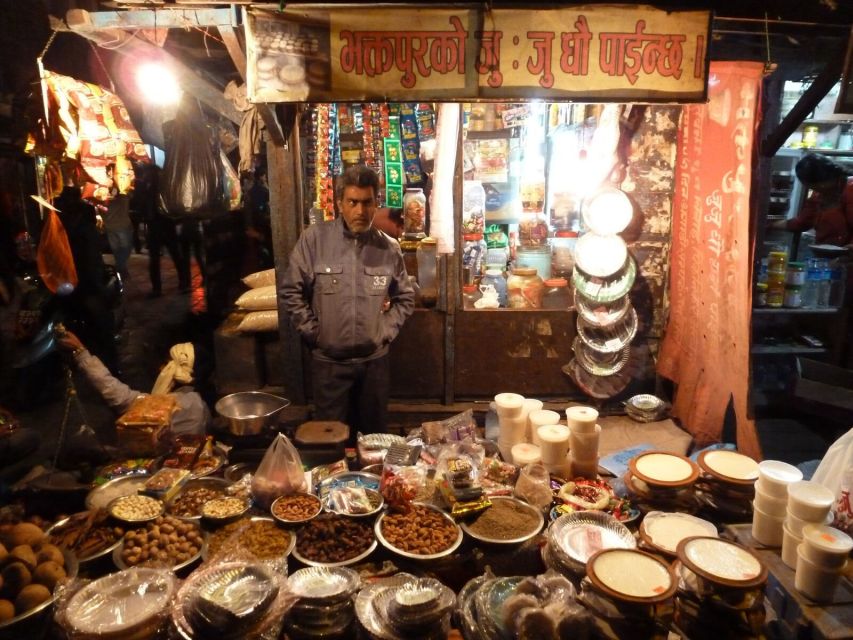
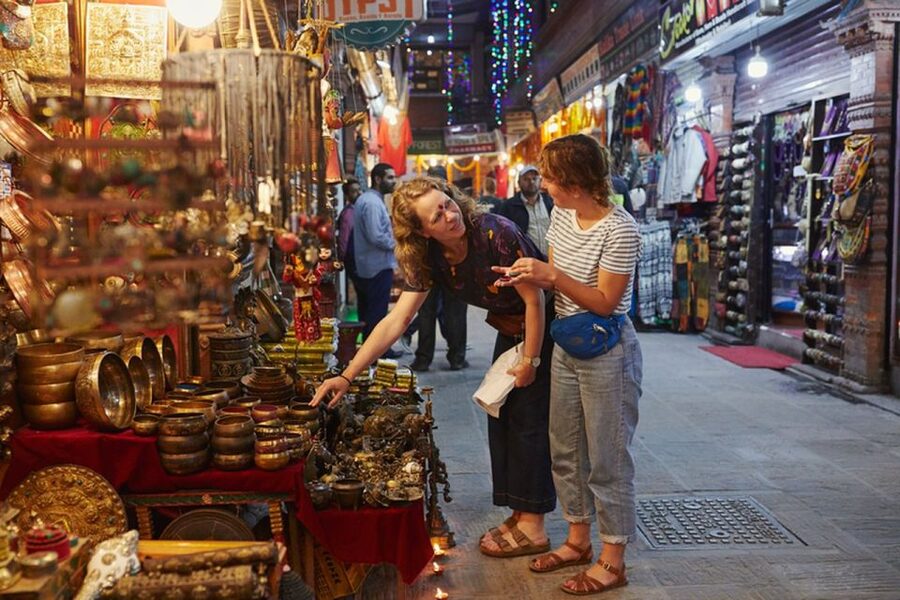
Next comes Asan, a market area known for its vegetable and spice trade. Expect about one hour here, and expect your senses to do some work. This is the kind of market stop where you notice smells, hear vendors calling, and watch shoppers negotiate the day’s needs.
A key detail is that Asan sits with temple views in the background, overlooked by Annapurna Temple. That matters because markets in Kathmandu often feel intertwined with religion. You’ll start to see why temple squares and market lanes are linked in how people plan their days.
What you should take away from this portion is how food and faith overlap. Even if you do not buy much, you learn to read the place. You begin to understand Kathmandu’s daily logic: eat, visit, pray, repeat.
Practical note: because the tour does not include food or drinks, you might want to decide ahead of time whether you plan to snack during the market hour or save it for after. There’s plenty to see either way.
Kathmandu Durbar Square at dusk, watching devotion in motion
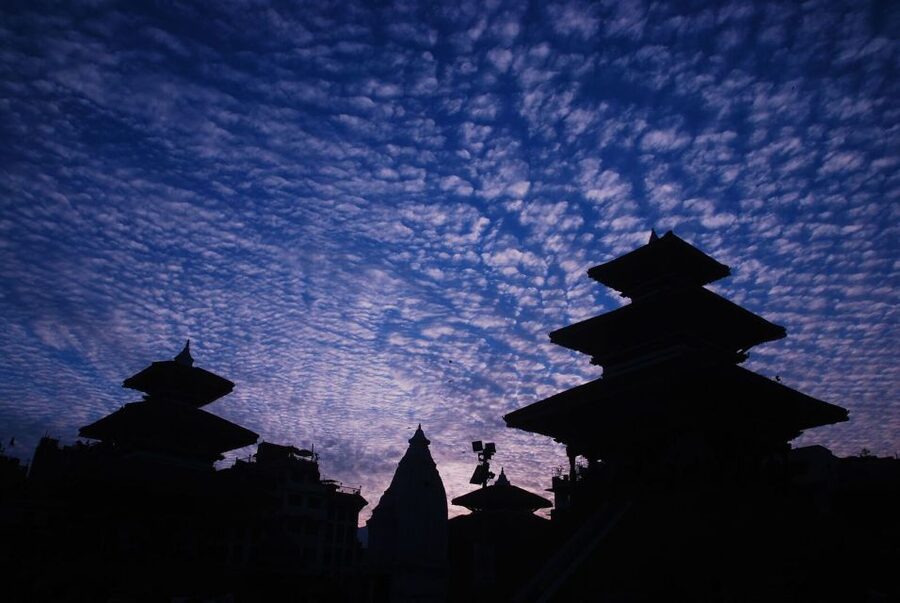
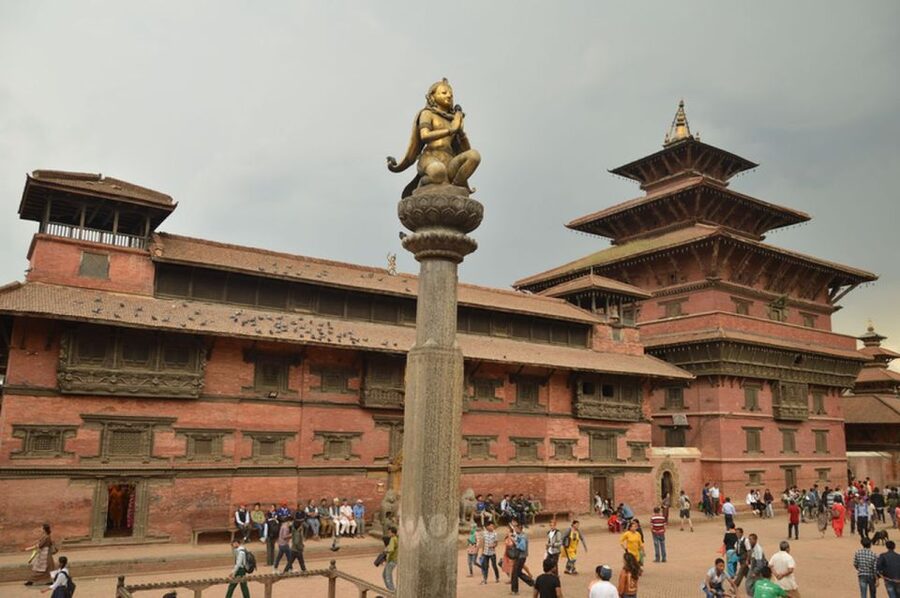
This is the big heritage moment of the evening. You spend about 1.5 hours at Kathmandu Durbar Square, a UNESCO heritage site. Entrance fees are included, which is nice because you avoid the separate payment step and you know your ticket supports preservation efforts for the cultural site.
At dusk, the square works like a living room for the city. Sit or stand in one of the temple spaces and you’ll see people sip hot chai, devotees move through prayer, and pigeons flutter around the edges. That’s the kind of detail that turns a landmark into a scene.
This stop is also where the guide’s storytelling pays off. Instead of treating the temples as distant architecture, your guide helps you understand what you’re looking at and what people may be doing inside and around the structures. If you care about context, this is where you feel it most.
One more consideration: Durbar Square is active. If you want clear photos, it helps to stay patient and let crowds shift. In temple areas, people pause in groups, and your best vantage points may come when the flow changes.
Small group size, English guide, and rickshaw-driver support you can feel
This tour is designed for a small group, up to 12 people, with an English-speaking Nepali guide. In practical terms, that means questions do not get swallowed, and you can get more specific answers. It also makes the walking and hopping on and off the rickshaw feel smoother.
What I particularly like from a value-and-ethics angle is the way rickshaws are handled. In Kathmandu, modern cars and motorbikes have largely replaced pedicabs in many daily situations. Here, rickshaws are hired directly from the drivers. That gives working rickshaw drivers real business and a direct financial benefit, rather than using a photo-friendly prop that has no link to livelihoods.
Combine that with the fact that the tour is described as carbon neutral and operated by a B Corp certified company committed to using travel as a force for good, and it becomes more than a sightseeing loop. It’s a route that tries to reduce impact and increase local benefit.
Price and value: what you get for $49 and what to plan for
At $49 per person for about 2.5 to 3 hours, this is not a bargain tour. But it also isn’t priced like a cheap transfer with a quick stop. You are paying for four real components:
- Rickshaw hire for part of your route
- An English-speaking Nepali guide
- Entrance fee to Kathmandu Durbar Square
- A Buddhist shrine visit to Sigal
Then there’s the hidden value: the route avoids big gaps between stops. You spend time where the atmosphere is strong, like Asan and Durbar Square, and you get context so you know what you’re looking at. If you just show up on your own late in the day, you can still see a lot, but you might miss the why behind the where.
What is not included is food and drinks. That matters because markets can make you hungry fast, especially when you’re watching hot chai and food activity everywhere. Plan to either bring a small snack, buy something on your own, or make a meal your next stop after the tour ends back at Hotel Marshyangdi.
Timing and expectations: a 2.5 to 3 hour plan with real-world flexibility
The tour is listed as 2.5 to 3 hours, and it starts and ends back at Hotel Marshyangdi. In practice, street conditions, crowd levels at Durbar Square, and how long people linger at each stop can shift the feel of timing.
So go in with the mindset of an evening outing, not a stopwatch appointment. You’ll get the most out of it if you focus on the atmosphere: market sounds, temple-square routines, and the quiet shift when you step into Sigal.
If you’re trying to squeeze this tour between other evening plans, build in a buffer. That way, even if the pacing runs quicker, you won’t feel rushed, and if it runs slower, you won’t be stressed.
Who should book this Kathmandu sunset rickshaw tour
This works well if you want:
- A structured route that still feels like real street life
- A guide who helps you connect temples, markets, and daily routines
- Evening energy without doing a full all-night walking marathon
- A small group size, up to 12, rather than a crowded big-bus style tour
It might not be the best match if you need fully predictable minute-by-minute timing, or if you dislike rickshaw rides and prefer only long museum-style stops. Also, if you hate crowded heritage sites at popular times, consider that Durbar Square is active.
Should you book Kathmandu at Sunset: Explore the City on Rickshaw?
I think you should book this tour if you want Kathmandu to feel lived-in, not staged. The combination of rickshaw street time, a calm shrine pause at Sigal, a working market stop at Asan, and a dusk visit to Kathmandu Durbar Square gives you variety in a short window. The included entrance fee and the small-group guide time add real value to the $49 price.
Skip it if you only want major attractions with minimal sensory experience, or if you are looking for food included and long meal breaks. Since food and drinks are not part of the price, plan your post-tour meal.
If your idea of a great evening is street rhythm plus temple atmosphere, this is a smart, practical way to spend your sunset in Kathmandu.
FAQ
How much does Kathmandu at Sunset: Explore the City on Rickshaw cost?
It costs $49 per person.
How long is the tour?
The tour lasts about 2.5 to 3 hours.
Where does the tour start and end?
It starts and ends at Hotel Marshyangdi, Chaksibari Marg, Thamel, Kathmandu.
What is included in the price?
Included are rickshaw hire, an English-speaking Nepali guide, entrance fee to Kathmandu Durbar Square, and a Buddhist shrine visit to Sigal.
Are food and drinks included?
No. Food and drinks are not included.
What are the key stops during the tour?
You visit Thamel, Asan Market, Kathmandu Durbar Square, and you also stop at the Sigal Buddhist shrine.
What language is the guide?
The guide speaks English.
Is the tour a small group?
Yes. It is described as a small group walking tour with up to 12 people. Private group options are also available.
Is the tour suitable for children?
Children must be 6 years old to 11 years old inclusively. Children below 6 are permitted on this tour.
Is there an entrance fee covered for Durbar Square?
Yes. The entrance fee to Kathmandu Durbar Square is included.
Latest additions near Kathmandu
- Traditional Momo Making Class★ 5.0 · 10 reviews
- White Water River Rafting – 1 Day★ 4.3 · 3 reviews
- Kathmandu to Pokhara Premium sofa bus ticket★ 4.0 · 17 reviews
- Ghorepani Poon Hill Trek★ 5.0 · 16 reviews
- Amazing 1 Day Trekking Experience in Kathmandu Nepal★ 5.0 · 24 reviews
- Ghorepani Poonhill Trek★ 5.0 · 5 reviews
- Walking tour of real Kathmandu through back streets.★ 5.0 · 3 reviews
- Wildlife Adventure in Chitwan Nepal★ 4.0 · 4 reviews
City Tours, compared.
Sarangkot Sunrise with Half or Full-Day City Tour
Read our review →
Full Day Kathmandu City Sightseeing Tour of UNESCO Heritage Sites
Read our review →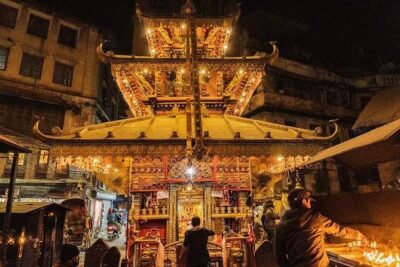
Browse the lists this tour appears in