
Reviewed · NEPALI COOKING CLASSES
Pokhara: Nepali Cooking Class and Momo Making Workshop
Your hands smell like Nepal in three hours. In Pokhara, this hands-on class lets you shop for vegetables, spices, and meat, then cook with a local Aama chef while learning classic momo methods in a small group of up to 8.
I love how you can choose your main dish, either dal bhat or momo, and learn the technique behind it rather than just copying a recipe. I also like the warm, family-style teaching, plus the tasting session and nepali masala tea served during the lesson.
One thing to plan for: this class is not suitable if you have food allergies, since it uses typical Nepali ingredients.
In This Review
- Key things that make this Pokhara cooking class worth your time
- Pokhara Kitchen Reality Check: What This 3-Hour Class Actually Does
- Dal Bhat or Momo, You Choose: The Core Dishes and How You Learn Them
- The Morning Market Stop and Why It Changes Everything
- Pickup, Timing, and the 3-Hour Flow in Pokhara
- Inside the Nepali Home Kitchen: Tools, Teaching Style, and Group Size
- Your Meal Break: Tasting Session, Nepali Masala Tea, and What You’ll Eat
- Price and Value in Pokhara: Is $42 Fair for 3 Hours?
- Who This Cooking Class Suits Best (and Who Should Rethink It)
- Logistics to Get Right: What to Bring, What to Expect, and Simple Tips
- Should You Book This Pokhara Nepali Cooking Class?
- FAQ
- How long is the Pokhara Nepali cooking class?
- What does the class cost?
- Is hotel pickup and drop-off included?
- How large is the group?
- What language is the instructor?
- Can I choose between dal bhat and momo?
- What fillings are available for momo?
- Do we visit a market to buy ingredients?
- Is nepali masala tea and a meal included?
- Are alcoholic beverages included?
Key things that make this Pokhara cooking class worth your time
- Market ingredients first: you pick vegetables, spices, and meat before you cook
- Small group pace: limited to 8 participants, so questions get answered
- Dal bhat or momo choice: you’ll focus on your selected classic dish set
- You eat what you make: tasting session, plus the meal you prepared
- A personal ending: some sessions include a completion certificate and tika blessing
Pokhara Kitchen Reality Check: What This 3-Hour Class Actually Does
This is a straightforward, hands-on Nepal food class that fits neatly into a day in Pokhara. In about 3 hours, you go from picking ingredients to cooking a classic Nepali meal, with an English-speaking instructor and step-by-step guidance in a real home kitchen.
The key here is that you are not just watching. You’re doing the work, learning why certain ingredients matter, and getting your hands on the techniques that make dishes taste like Nepal, not like a simplified cooking demo. If you like food that comes with context, this format has that built-in: the class covers techniques and the cultural significance of what you’re making.
The setting matters too. The experience is built around a local Aama chef instructor and a home-kitchen feel, which is why it lands as welcoming and patient, not mechanical.
More Cooking Classes in Pokhara
- Nepalese Momos or Dal Bhat Cooking Class (Cook with Delight)
★ 5.0 · 99 reviews - Nepalese Kitchen in Pokhara: Momos or Dal Bhat Cooking Class
★ 5.0 · 67 reviews - MoMo or Dal Bhat Cooking Class at Aama Kitchen in Pokhara
★ 4.9 · 28 reviews
Dal Bhat or Momo, You Choose: The Core Dishes and How You Learn Them
You choose what you want to cook: dal bhat or momo. That choice changes the “center of gravity” of your lesson, but the teaching style stays the same: hands-on, guided, and paced for beginners as well as experienced cooks.
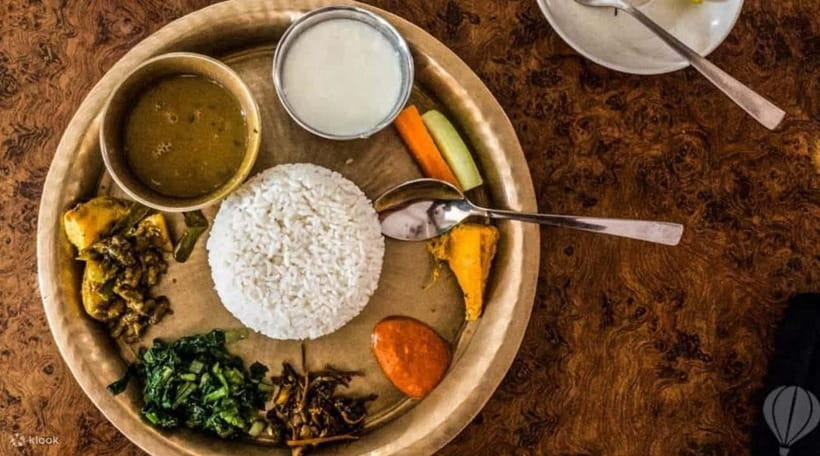
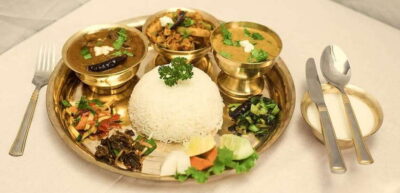
Dal bhat is the quintessential Nepali meal: rice served with lentil soup and curry components. In a class like this, you typically learn how to balance the lentils, how to build flavor in the curry portion, and how to put the plate together so it feels like a real meal, not just separate dishes on a tray.
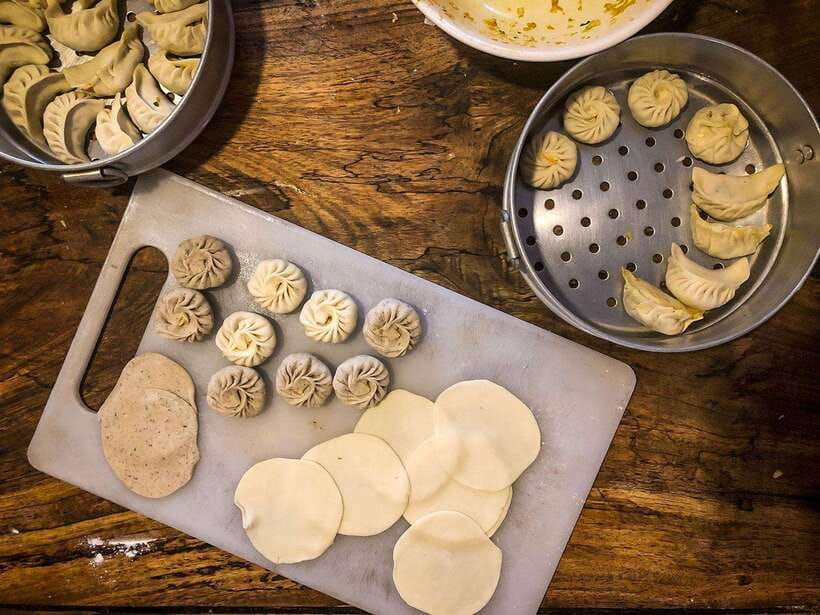
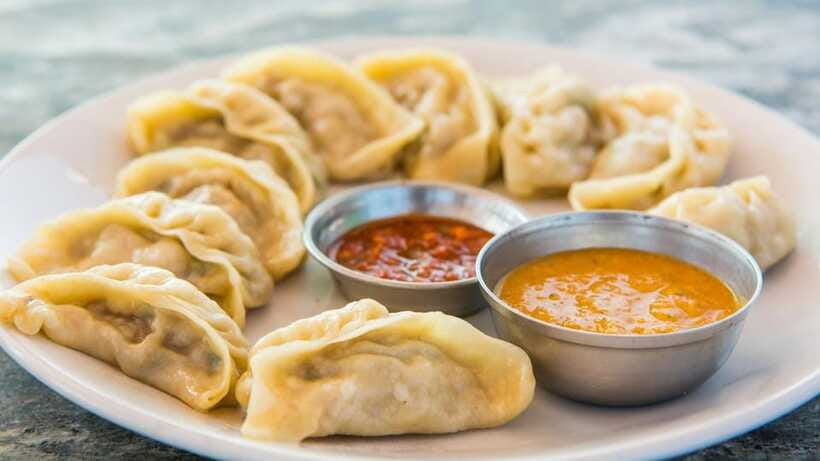
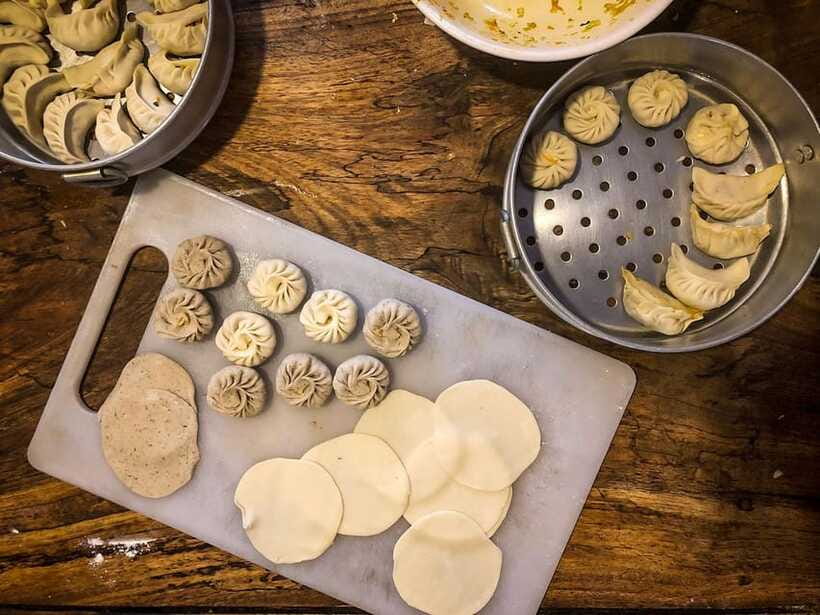
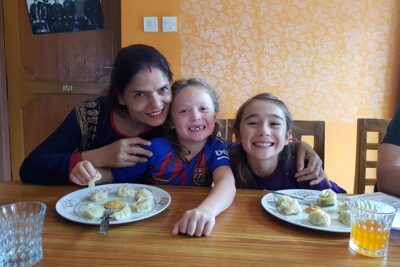
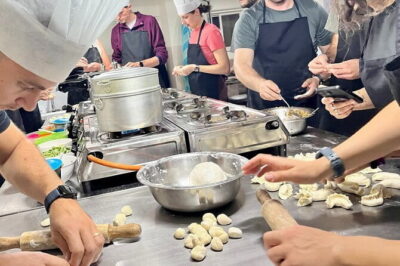
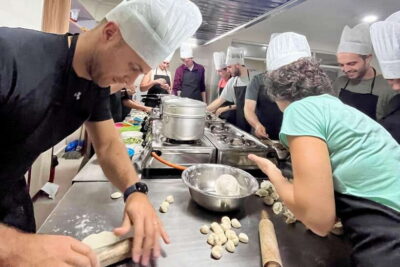
Momo is Nepali dumplings, and your class lets you pick the filling style: chicken or vegetarian. Dumplings are a great choice for a cooking class because the process teaches both technique and repetition. Once you understand the dough and the shaping, you start to feel how Nepalese home cooks get consistent results.
This also means you’ll take home practical memory, not just a plate of food. You should leave knowing the steps that matter: prep choices, cooking timing, seasoning, and how to serve.
The Morning Market Stop and Why It Changes Everything
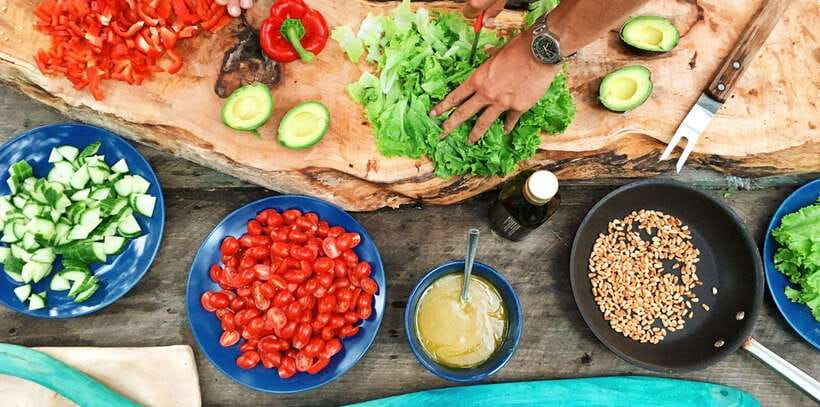
A big part of the class is shopping for ingredients for a selected meal. You’ll explore the local market to buy vegetables, spices, and meat for your cooking session.
Why does this matter? Because Nepali cooking depends heavily on freshness and specific spice blends. When you select the ingredients yourself, you learn what cooks are actually reaching for in everyday life. You also get a better feel for portioning. That is hard to learn from a recipe on your phone.
Also, it’s a chance to connect the food to place. You see the inputs, not just the output. Even if you’re not a “market person,” this segment tends to be energizing because it gives you a clear purpose: you’re buying for the exact meal you’ll cook in the next few hours.
Pickup, Timing, and the 3-Hour Flow in Pokhara
Your day is simple. The experience includes hotel pickup and drop-off in Pokhara. You start with pickup, you spend the cooking class in the Pokhara area for 3 hours, and you return to your original base.
What makes this schedule work is that it avoids the “full-day cooking tour” problem. You get enough time to learn and taste, without losing your entire afternoon. For Pokhara sightseeing, that matters. You can pair this with an easy walk after class, especially because the cooking location has been described as convenient for Lakeside strolls.
A small-group setup also keeps timing realistic. The class is limited to 8 participants, which helps the instructor manage pacing, answer questions, and keep the station moving.
If you’re the type who likes to plan around food, this is a clean block to put on your calendar.
Another way to spend the time in Nepal:
- ZipFlyer Nepal – The World’s Steepest Zip-line
★ 5.0 · 608 reviews - Bungee Pokhara by HighGround Adventures
★ 5.0 · 366 reviews - From Pokhara: Sarangkot Sunrise Himalayas Tour
★ 4.7 · 218 reviews - ATV Adventure Tour in Pokhara, Nepal
★ 5.0 · 194 reviews
Inside the Nepali Home Kitchen: Tools, Teaching Style, and Group Size
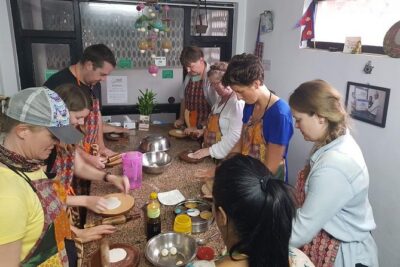
You’re stepping into a traditional Nepali kitchen, and the vibe is domestic, not staged. Expect the scent of spices, the rhythm of cooking, and direct teaching from the Aama chef instructor, who gives step-by-step instructions throughout.
English instruction is included, which is a genuine comfort factor. It means you can ask about technique without worrying about a language gap, and it also makes it easier to remember the steps later when you try to recreate the dishes.
The hands-on format is also built for patience. Based on the experience feedback, the teaching style tends to be accommodating even when people are new to cooking. If you’re comfortable in the kitchen, you’ll likely get plenty of chances to take over key tasks rather than just doing one small role.
What about the practical side?
- Wear comfortable clothing and shoes you can cook in.
- Bring a camera if you want photos of the process and the finished meal.
- Smoking indoors is not allowed.
Your Meal Break: Tasting Session, Nepali Masala Tea, and What You’ll Eat
This is not a class where you make food and then rush out. You get a tasting session of the food you prepared, and you also enjoy a meal of the prepared dishes.
Nepali masala tea is part of the lesson, served during the class. It’s a small detail, but it adds something important: it turns cooking into a full experience rather than a set of tasks. You’re tasting along the way, not waiting until the end.
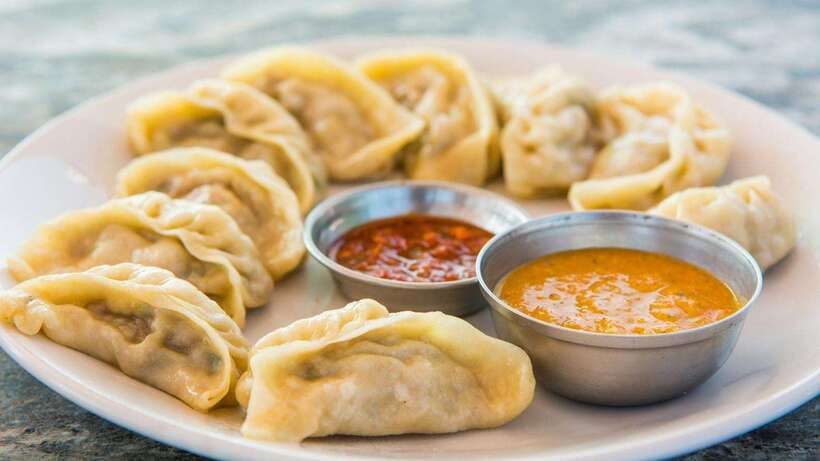
For momo-focused sessions, you typically finish with your dumplings plus sides that fit the meal. One of the most praised elements in the feedback is that the momos come out well, and that sides like pickle can be part of the setup alongside the dumplings.
For dal bhat-focused sessions, the value is in the balanced plate. You learn how the rice and lentil curry work together, and how curry flavors land when everything is served as a set.
Either way, you should leave satisfied, not hungry, and with real confidence about the dishes.
Price and Value in Pokhara: Is $42 Fair for 3 Hours?
At $42 per person for a 3-hour experience, you’re paying for more than “watching cooking.” You’re paying for:
- hotel pickup and drop-off
- market ingredient selection
- all cooking ingredients and equipment
- step-by-step instruction
- the meal and nepali masala tea
In Pokhara, classes can vary a lot in what’s included. Here, the value feels strong because the session is practical and complete. You’re not bringing your own ingredients, and you’re not stuck doing cleanup while someone else eats. Your participation is baked into the experience.
Also, the small group size matters for value. Limited to 8 participants means your instructor can actually correct technique and explain choices. For cooking classes, that’s a big difference between “nice idea” and “I can repeat this later.”
One cost consideration: alcoholic beverages are not included. If you want beer or similar, plan on buying it elsewhere.
Who This Cooking Class Suits Best (and Who Should Rethink It)
This class is a strong match for:
- novice cooks who want a guided first run in Nepali techniques
- experienced home cooks who want authentic methods and a new dish skill
- anyone who wants a cultural connection through food, not through a lecture
It’s also well-suited to groups who want something more personal than a large tour. The family-style welcome described in feedback signals a warm atmosphere where people feel comfortable asking questions.
Who should rethink it?
- If you have food allergies, this is not suitable.
- If you’re allergic to common Nepali ingredients, you’ll need to be extra cautious because the class uses typical ingredients and shared kitchen setup.
Wheelchair accessibility is listed, so if mobility is a concern, this is worth considering. Still, you should look for details with the provider ahead of time if you have specific needs beyond the basics.
Logistics to Get Right: What to Bring, What to Expect, and Simple Tips
To get the most out of the class, show up ready to cook, not just to watch:
- Bring a camera if you want photos.
- Wear comfortable clothing and shoes you can work in.
- If you have dietary restrictions, inform the provider in advance.
The instructor is listed as English-speaking, so you can expect communication to be clear. The activity is wheelchair accessible, and the class is structured for small groups, limited to 8 participants, which usually makes it easier to move around the kitchen.
If you’re planning the rest of your day, consider that the class location can be convenient for a Lakeside walk afterward. That’s useful if you want your meal experience to lead directly into some fresh air and views.
Should You Book This Pokhara Nepali Cooking Class?
If you want a hands-on Nepali cooking experience that stays focused, this is an easy yes.
Book it if:
- you want to learn momo or dal bhat with real step-by-step guidance
- you appreciate the market ingredient piece because it makes the cooking choices make sense
- you like a small-group, home-kitchen atmosphere with English support
Skip or reconsider if:
- you have food allergies
- you’re looking for a long multi-stop day tour, because this is a compact 3-hour class built around cooking and eating
Overall, this class tends to score high for one reason: it’s not just food. It’s technique, warmth, and a meal you actually helped create. For $42, that’s a fair deal in Pokhara, especially when pickup, ingredients, instruction, and your finished meal are included.
FAQ
How long is the Pokhara Nepali cooking class?
The class lasts 3 hours.
What does the class cost?
The price is $42 per person.
Is hotel pickup and drop-off included?
Yes, hotel pickup and drop-off are included.
How large is the group?
The group is small, limited to 8 participants.
What language is the instructor?
The instructor is listed as English.
Can I choose between dal bhat and momo?
Yes, you can choose either Dal Bhat or Momo.
What fillings are available for momo?
Momo can be made with chicken or vegetarian fillings.
Do we visit a market to buy ingredients?
Yes, you will explore local markets to buy vegetables, spices, and meat for the class.
Is nepali masala tea and a meal included?
Yes, nepali masala tea is included, and you also get to eat the prepared dishes.
Are alcoholic beverages included?
No, alcoholic beverages are not included. Also, smoking indoors is not allowed, and the class is not suitable for people with food allergies.
Latest additions near Pokhara
- Pokhara: Pokhara Highlights Tour by Bus★ 3.6 · 10 reviews
- Discover Pokhara in Style: Private Vehicle Service with Driver★ 5.0 · 5 reviews
- Pokhara in 5 Hours: Lake, Museum, Cave, Falls & Pagoda Hill★ 4.5 · 16 reviews
- 4 Day Mardi Himal Base Camp Trek from Pokhara★ 5.0 · 18 reviews
- The World Peace Pagoda in Pokhara★ 4.5 · 7 reviews
- 7-Day Trek to Annapurna Base Camp from Pokhara★ 5.0 · 12 reviews
- Unique Easy Hiking to Foxing Hill from Pokhara★ 5.0 · 4 reviews
- World Peace Stupa Day Hike From Pokhara★ 5.0 · 4 reviews
Nepali Cooking Classes, compared.
Nepalese Momos or Dal Bhat Cooking Class (Cook with Delight)
Read our review →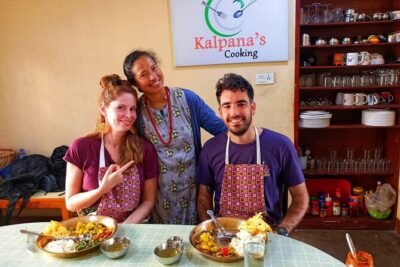
The best Private Nepali Cooking Class in Kathmandu
Read our review →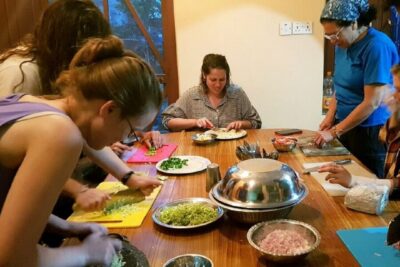
Nepalese Kitchen in Pokhara: Momos or Dal Bhat Cooking Class
Read our review →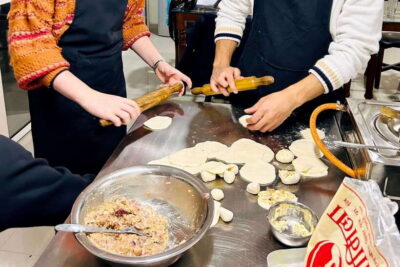
Browse the lists this tour appears in