
Reviewed · NEPALI COOKING CLASSES
MoMo or Dal Bhat Cooking Class at Aama Kitchen in Pokhara
You will cook Nepal, not just watch it. At Aama Kitchen in Pokhara, a family head guides you through momo or dal bhat step by step, and I love the no-pressure pace plus the chance to eat what you make. The one catch, if you have dietary restrictions, is that this is a hands-on cooking class and it is not suitable for people with food allergies.
What makes it especially appealing is the setting. You’re heading from Lakeside into a homely family apartment kitchen, where you can ask questions in real time, not shout over a loud demo. I also like that you get a recipe to take home, so the experience follows you past the last bite.
Price wise, it’s $28 per person for 3 hours, and that includes round-trip transport within Lakeside, ingredients, and equipment. Just go in expecting cooking work, including folding momos, so wear comfy clothes and plan to get a little flour on your life.
In This Review
- Key highlights to know before you go
- Aama Kitchen in Pokhara, where cooking happens in a real home
- Momo or dal bhat, choosing your plate and learning what really matters
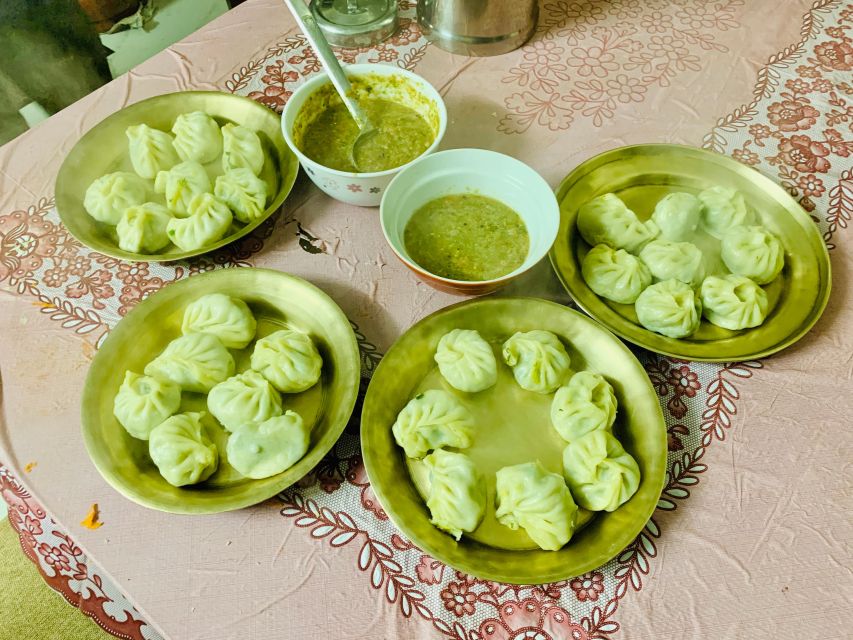
- If you choose momo
- If you choose dal bhat
- The 3-hour flow: pickup, cooking, eating, and back to Lakeside
- What you learn beyond the recipe: spices, curries, and cultural context
- Taking your Nepali cooking home: notes, recipes, and repeat value
- Price and value: $28 for a private, transport-included, real-instruction class
- Who this cooking class fits best, and who should consider another plan
- Practical tips so you feel comfortable in Aama’s home kitchen
- Should you book the MoMo or Dal Bhat class at Aama Kitchen?
- FAQ
- How long is the momo or dal bhat cooking class?
- Where does pickup happen in Pokhara?
- Do I choose momo or dal bhat when I book?
- What is included in the class price?
- What languages are used during the class?
- Is the class suitable for people with food allergies?
- What should I bring, and what should I avoid?
- Is the cooking class wheelchair accessible?
Key highlights to know before you go
- You choose momo or dal bhat when booking, and the class teaches from scratch rather than a quick shortcut
- Hotel pickup and drop-off within Pokhara Lakeside makes it feel easy, even if you’re new to the city
- Aama, the family head, leads instruction, with lots of patience built into the teaching style
- You get Q and A time to clarify spices, curries, and technique as you cook
- You leave with a take-home recipe and notes, so you can repeat the flavors at home
- Small cultural touches may happen during festival season, including examples like tika and a simple ceremony
Aama Kitchen in Pokhara, where cooking happens in a real home
This is the kind of activity that feels more like visiting a kitchen family than attending a staged show. You start with pickup from your hotel within Pokhara Lakeside, then ride about 25 minutes to Aama’s home. The key detail here is that you’re cooking in a family apartment kitchen, not a polished classroom with strict boundaries.
The vibe matters. Several people highlight that they felt at home, even when cooking on their own. Because it’s a private group, you’re not competing with a big crowd for attention, and the pace stays human. And yes, you’ll hear cooking guidance in English and Hindi, which helps if you want to ask specific questions about spice levels or why something works a certain way.
More Cooking Classes in Pokhara
- Nepalese Momos or Dal Bhat Cooking Class (Cook with Delight)
★ 5.0 · 99 reviews - Nepalese Kitchen in Pokhara: Momos or Dal Bhat Cooking Class
★ 5.0 · 67 reviews - Pokhara: 3 Hour MoMo cooking class
★ 4.5 · 10 reviews
Momo or dal bhat, choosing your plate and learning what really matters
When you book, you pick the dish: momo or dal bhat. That choice determines the focus of your 3-hour session, but the teaching approach stays the same: hands-on steps, family-style explanations, and plenty of room to ask.
If you choose momo
Momo is all about technique, especially the folding. In particular, one of the most repeated themes is patience when people struggle. If you end up horrible at folding, that’s normal, and the instruction is designed to help you correct your grip, your thickness, and your sealing approach without making it awkward.
You’re not just learning the final shape. You’re learning the logic behind the dough and filling steps, so when you try again later, you know what to adjust instead of copying a picture.
If you choose dal bhat
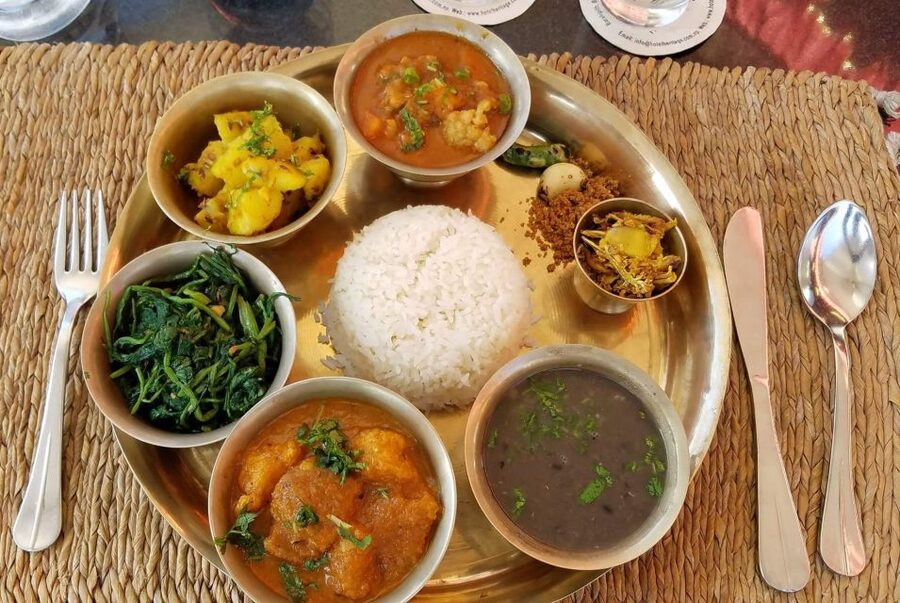
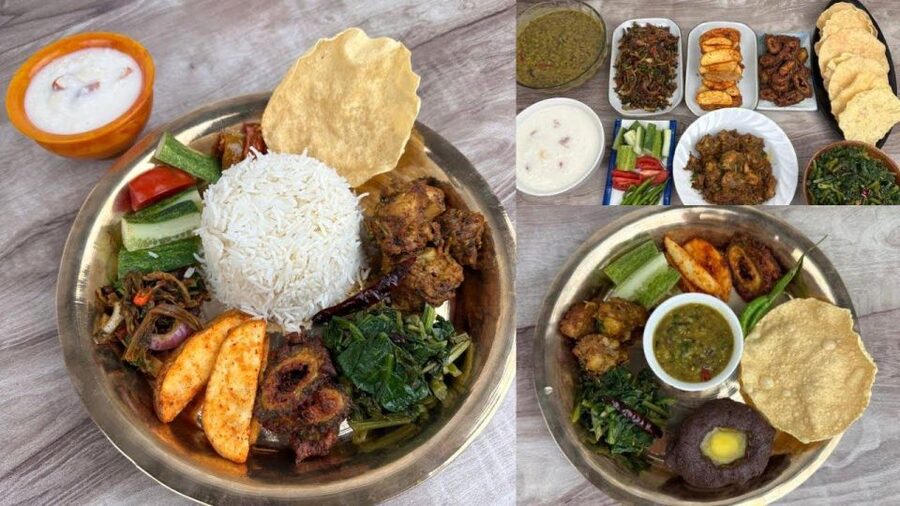
Dal bhat is Nepal’s comfort food base, and this class treats it like more than a dish. People mention that they learned about the spices, vegetables, and curries used in the meal, including their origins and context such as harvest timing. That kind of info is valuable because it explains why the flavors taste the way they do, instead of leaving you with a list of ingredients you cannot connect to the result.
If you like your meals rooted in everyday cooking, dal bhat is a great pick. It also tends to translate well to home cooking because the structure is straightforward, even if you still need the right spice blend and balance.
Another way to spend the time in Nepal:
- ZipFlyer Nepal – The World’s Steepest Zip-line
★ 5.0 · 608 reviews - Bungee Pokhara by HighGround Adventures
★ 5.0 · 366 reviews - From Pokhara: Sarangkot Sunrise Himalayas Tour
★ 4.7 · 218 reviews - ATV Adventure Tour in Pokhara, Nepal
★ 5.0 · 194 reviews
The 3-hour flow: pickup, cooking, eating, and back to Lakeside
Timing here is simple, and that simplicity is a big part of the value. Plan for a total duration of about 3 hours, including transport.
1) Pickup from your Lakeside hotel
You’ll be asked to wait in the hotel lobby about 10 minutes before your scheduled pickup. This small detail saves time, especially in Pokhara when traffic and small delays can happen.
2) Drive around 25 minutes to the Aama Kitchen home
The ride is short, so you’re not losing your day to transit. When you arrive, you’ll be set up for the cooking part right away.
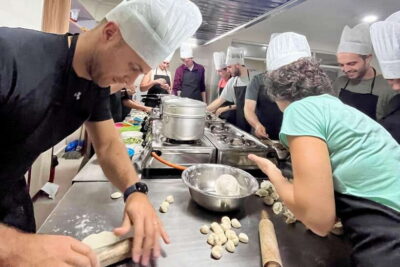
3) Hands-on cooking with Aama and family
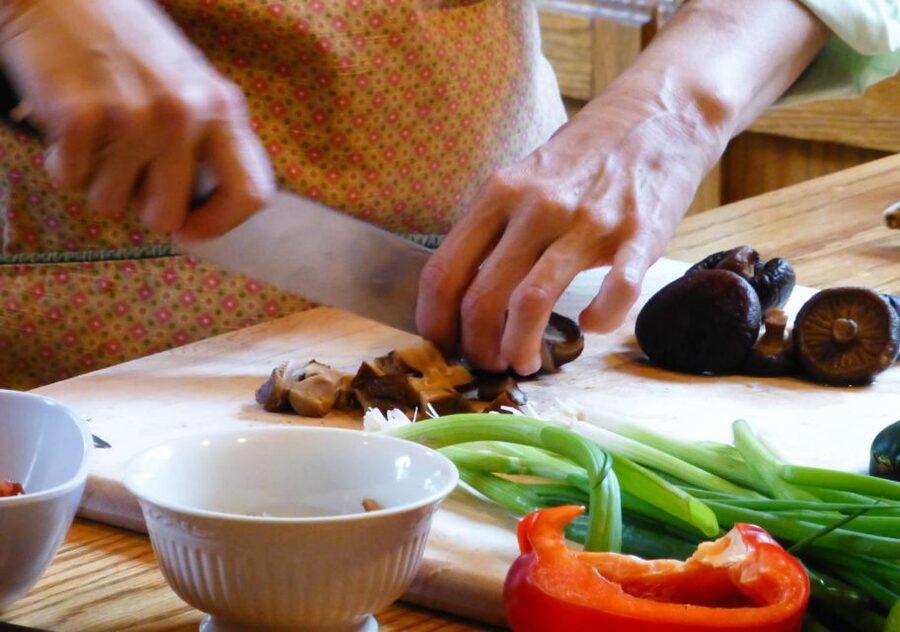
You craft, cook, and savor what you make. Expect active involvement, not a spectator seat. People repeatedly describe the homely, cozy kitchen feel, along with lots of explanations during the process.
4) Eat what you cooked, then leave with the recipe
A major highlight is taking a recipe home. Some participants also mention taking notes, which makes sense if you want to reproduce the spice combinations later.
5) Drop-off back at your hotel in Lakeside
After the class ends, you ride back and get dropped near where you started.
What you learn beyond the recipe: spices, curries, and cultural context
The cooking instruction is the core, but the conversation is where the class becomes more than food.
I like that Q and A is built in. You can ask about spice balance, how curries are structured, and what vegetables are doing in the meal. One person specifically called out learning about spices and vegetables, including their origins and harvest time. That kind of context makes the dish feel grounded in place, not just generic comfort food.
Names that show up in recent instruction include Aama as the family head, and in some sessions, hosts named Shanta and Sadaha were mentioned. Either way, you’re learning from house cooks who have done this at home, season after season, which shows in the teaching style.
And if your dates line up with a festival period, you might get small cultural additions. One class during festival time included a tika and a small ceremony tied to Hindu celebration in October. It’s not something you should count on year-round, but it’s a nice reminder that food and tradition walk together here.
Taking your Nepali cooking home: notes, recipes, and repeat value
A common reason people love these kinds of classes is repeatability. This one explicitly includes a recipe you can take home, and multiple participants talk about writing notes during the session.
For you, that means the experience doesn’t end when you leave Aama’s kitchen. You’ll have a practical reference for making momo or dal bhat again, plus enough understanding to tweak the results when you cook with different spice brands or slightly different produce.
If you’re traveling with friends or family, you can also share the recipe quickly. You’re essentially returning with a mini cooking kit: technique plus instructions plus the reason behind flavor choices.
Price and value: $28 for a private, transport-included, real-instruction class
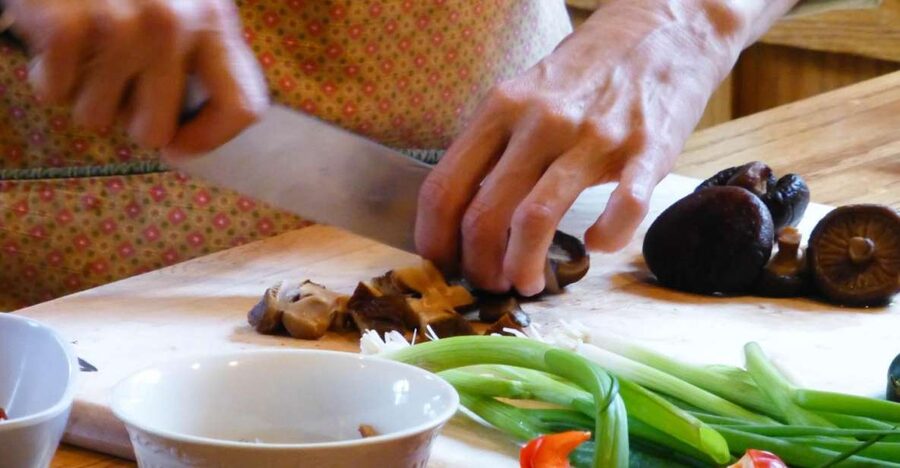
At $28 per person for 3 hours, this is good value because the price covers more than just the food lesson. Included are round-trip transfers within Pokhara Lakeside, all ingredients, cooking equipment, and instruction from the family head. You also get a Q and A session, which turns the class into a learning experience rather than a one-way meal prep.
There’s also the practical side of getting there. Transport is described as highly rated, and a large share of reviews gave perfect scores for transport quality. For Pokhara, where routes can be confusing for first-timers, that smooth pickup and drop-off matters.
And because it’s a private group, you tend to get more attention. That matters most if you’re not confident in cooking technique. Several people mention being solo and still feeling comfortable, which is what you’d want from a class that is family-run and not designed to overwhelm.
Who this cooking class fits best, and who should consider another plan
This works especially well for:
- Food lovers who want to learn, not just taste
- Solo travelers who still want a personal, family-style experience
- People who enjoy cooking technique, especially folding and seasoning
- Anyone interested in Nepalese daily flavors, particularly dal bhat and momo
It may not be the right choice if:
- You have food allergies (this is not suitable for allergies, based on the activity notes)
- You want a passive, sit-and-watch experience (this one is hands-on)
- You hate cooking mess or getting a little warm from active prep
One more practical point: the class takes place in a homely atmosphere and family apartment setting. That’s part of the charm, but it also means you should expect a more casual environment than a commercial cooking studio.
Practical tips so you feel comfortable in Aama’s home kitchen
A few small details can make or break your experience. Here’s what I’d plan for.
- Wear comfortable shoes. You’ll be moving around while working, and being stable matters when you’re folding or prepping.
- Wear comfortable clothes. You are cooking. Even with careful handling, you might get flour or spice on fabric.
- Avoid bringing luggage or large bags. The activity notes say it is not allowed, so travel light for this one.
- If you’re sensitive to heat or smells from spices, keep that in mind. Cooking in a home kitchen means you’ll be close to the real aromas.
Also, come with a mindset of questions. The best results happen when you ask why something works, how to adjust seasoning, or what to watch for during cooking.
Should you book the MoMo or Dal Bhat class at Aama Kitchen?
If you want a memorable Pokhara experience that connects food to real daily life, I think you should seriously consider booking. For the price, you’re getting more than a meal. You’re getting family-led instruction, a private setting, transport from Lakeside, and the chance to leave with a recipe you can actually use.
Book this if:
- You love momo or dal bhat and want to learn how they’re made
- You enjoy cooking and want technique, not just tasting
- You like cultural conversation in a kitchen home setting
Skip it if:
- You have food allergies
- You want a hands-off, classroom-style demonstration
- You need to carry luggage, or you hate moving around during active cooking
If you’re flexible, I’d also pick the dish you’re most excited to eat. The energy and focus of the class will follow that choice, and your enjoyment will be higher when you’re working on something you genuinely crave.
FAQ
How long is the momo or dal bhat cooking class?
The class lasts 3 hours.
Where does pickup happen in Pokhara?
Pickup is included from your hotel within the Lakeside area. You should wait in the hotel lobby about 10 minutes before pickup.
Do I choose momo or dal bhat when I book?
Yes. You choose momo or dal bhat at the time of booking by leaving the choice in the comment.
What is included in the class price?
You get round-trip transfer within Lakeside, hands-on guidance, all necessary ingredients and cooking equipment, instruction from the family head, and a Q and A session.
What languages are used during the class?
Instruction is offered in English and Hindi.
Is the class suitable for people with food allergies?
No. The activity is not suitable for people with food allergies.
What should I bring, and what should I avoid?
Bring comfortable shoes and comfortable clothes. Large bags or luggage are not allowed.
Is the cooking class wheelchair accessible?
Yes, the activity is listed as wheelchair accessible.
Latest additions near Pokhara
- Pokhara: Pokhara Highlights Tour by Bus★ 3.6 · 10 reviews
- Discover Pokhara in Style: Private Vehicle Service with Driver★ 5.0 · 5 reviews
- Pokhara in 5 Hours: Lake, Museum, Cave, Falls & Pagoda Hill★ 4.5 · 16 reviews
- The World Peace Pagoda in Pokhara★ 4.5 · 7 reviews
- 7-Day Trek to Annapurna Base Camp from Pokhara★ 5.0 · 12 reviews
- 4 Day Mardi Himal Base Camp Trek from Pokhara★ 5.0 · 18 reviews
- Unique Easy Hiking to Foxing Hill from Pokhara★ 5.0 · 4 reviews
- World Peace Stupa Day Hike From Pokhara★ 5.0 · 4 reviews
Nepali Cooking Classes, compared.
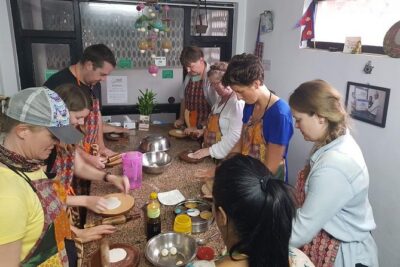
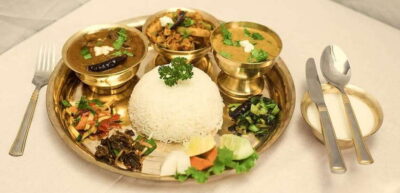
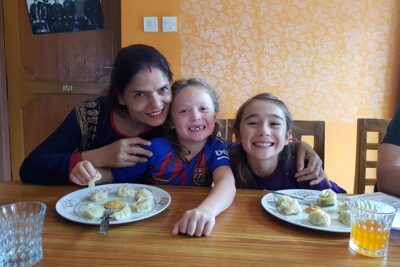
Nepalese Momos or Dal Bhat Cooking Class (Cook with Delight)
Read our review →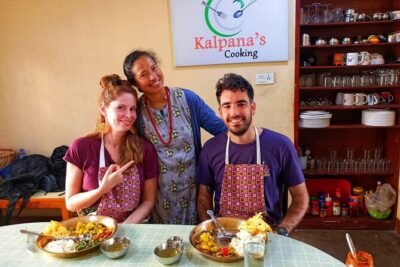
The best Private Nepali Cooking Class in Kathmandu
Read our review →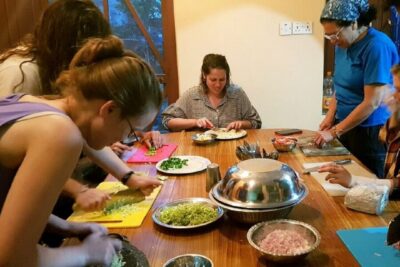
Nepalese Kitchen in Pokhara: Momos or Dal Bhat Cooking Class
Read our review →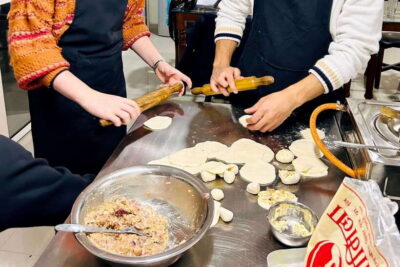
Browse the lists this tour appears in