

Reviewed · NEPALI COOKING CLASSES
Pokhara: 3 Hour MoMo cooking class
Momo folding is a workout for your hands. In Pokhara, this 3-hour cooking class walks you through momos from dough to fillings, then finishes with sauces and a proper tasting. You also get hotel pickup from the Lakeside area, which keeps the day easy.
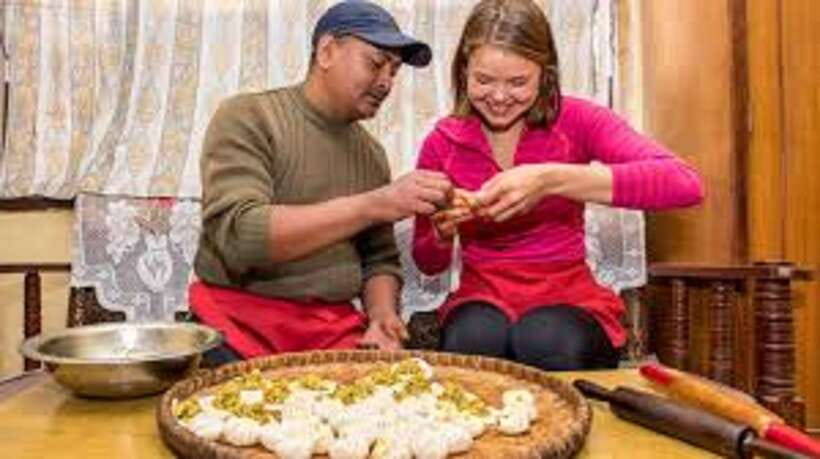
I like that it is truly hands-on, not just watching someone else cook. You practice the dough, make your own filling, and then work on shaping techniques like classic pleats and crescent styles. I also like the flexibility in fillings, since you can choose vegetarian, chicken, or meat options based on what you want to eat.
One consideration: folding takes a little practice, so your first batch may not look perfect right away. The good news is that the class format expects that and focuses on getting you to the finish line with solid technique and tasty results.
In This Review
- Key points
- Why Momos Are the Perfect Pokhara Lesson
- Meeting in Pokhara, Getting to the Café Kitchen Smoothly
- What the 3-Hour Rhythm Feels Like (And Why It Works)
- Step 1: A Quick Momo Intro That Saves You Later Confusion
- Step 2: Filling Creations, From Vegetarian to Chicken or Meat
- Step 3: Making the Dough, Not Just Mixing It Once
- Step 4: Rolling Wrappers and Getting Thickness Right
- Step 5: Folding Technique, Pleats and Crescent-Moon Styles
- Step 6: Steaming the Momos Until Tender
- Step 7: Dipping Sauces, Because Dumplings Need Friends
- Tasting and Feedback: Eat What You Made, Ask What You Need
- What You Should Pay Attention To, So This Becomes a Real Skill
- Price and Value: Is $29 Fair for a 3-Hour Class?
- Who This Class Is Best For (And Who Might Not Enjoy It)
- Rain or Shine in Pokhara, Plan Around the Kitchen Time
- Should You Book the 3-Hour Momo Cooking Class in Pokhara?
- FAQ
- How long is the Pokhara 3 hour momo cooking class?
- Is hotel pickup and drop-off included?
- What is included in the price?
- What language will the instructor teach in?
- Do I need to bring anything?
- Is this class suitable for mobility impairments?
Key points
- Hands-on momo making, from dough and filling to shaping
- Folding technique practice (pleats and crescent-moon styles)
- Steaming focus, with sauce-making so you can dial in flavor
- Private group feel, usually small enough for real interaction
- Pickup and drop-off in Lakeside, plus materials and a cold drink included
Why Momos Are the Perfect Pokhara Lesson
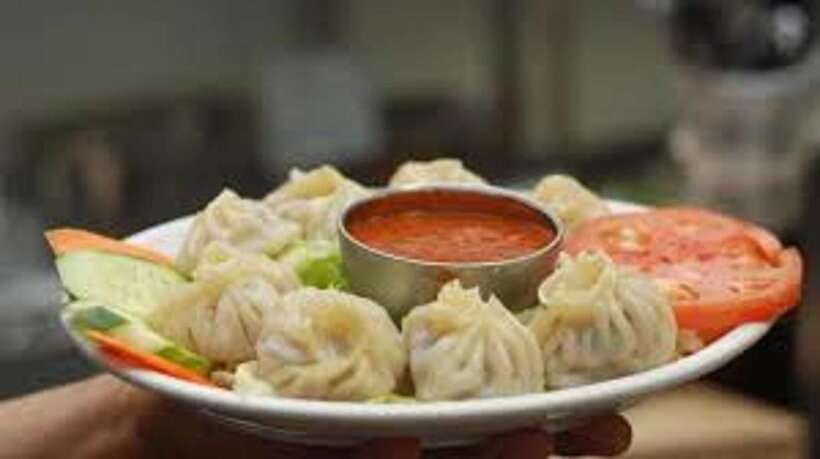
If you want a food activity that feels both Nepalese and practical, momos hit the mark. They are compact, shareable dumplings, but the method is very teachable: dough, filling, fold, steam, and sauce.
This class is interesting because it does not treat momo like a mystery. It breaks the craft into chunks you can actually learn in one afternoon. You come away with technique, not just a meal.
More Cooking Classes in Pokhara
- Nepalese Momos or Dal Bhat Cooking Class (Cook with Delight)
★ 5.0 · 99 reviews - Nepalese Kitchen in Pokhara: Momos or Dal Bhat Cooking Class
★ 5.0 · 67 reviews - MoMo or Dal Bhat Cooking Class at Aama Kitchen in Pokhara
★ 4.9 · 28 reviews
Meeting in Pokhara, Getting to the Café Kitchen Smoothly
Your day starts with pickup from a location in Pokhara, specifically within the Lakeside area. Hotel pickup and drop-off are included, and you skip the hassle of figuring out transport for a short, skills-based class.
The class takes place at a local café. In one commonly described setup, the venue is Cafe Nirvana, which makes it feel like a real neighborhood kitchen rather than a polished tourist studio. You will also get a glass of cold drinks per person, which helps when you step into the working-food vibe.
What the 3-Hour Rhythm Feels Like (And Why It Works)
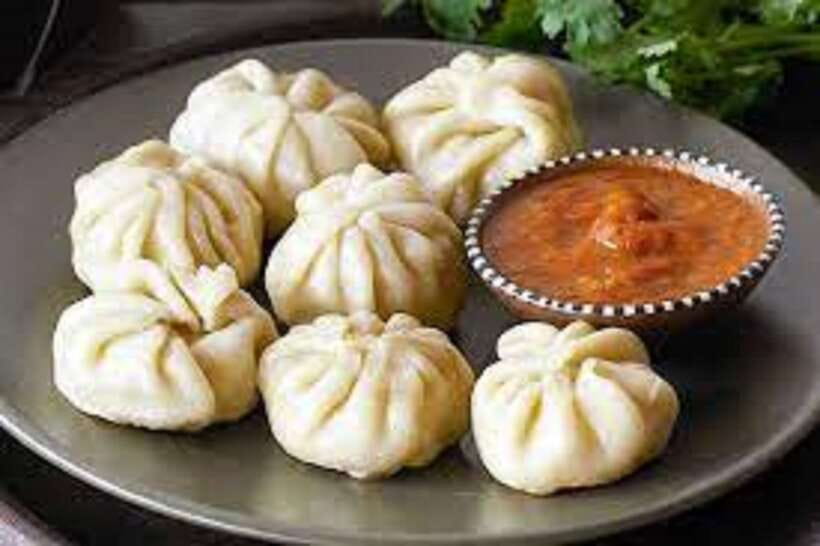
Three hours sounds short, but for dumplings it is the right size. You get time for every step that matters, without the class dragging into a long lecture.
The structure is simple and effective:
- Intro to momo and equipment
- Filling practice
- Dough mixing and resting
- Rolling and shaping
- Steaming (and cooking, depending on the session flow)
- Sauce and tasting
- Quick Q and A to clear up anything you missed
You should like this pacing if you learn best by doing. You should also like it if you are trying to keep Pokhara daytime plans from running late.
Step 1: A Quick Momo Intro That Saves You Later Confusion
The session starts with a welcome and a brief overview of what momos are and why they matter culturally. Then you get an introduction to the ingredients and equipment used during the class.
I find this part useful because it sets expectations for what you are about to touch. Dumpling dough can feel tricky if you do not know what the instructor is trying to achieve, and the class sets that baseline early.
Another way to spend the time in Nepal:
- ZipFlyer Nepal – The World’s Steepest Zip-line
★ 5.0 · 608 reviews - Bungee Pokhara by HighGround Adventures
★ 5.0 · 366 reviews - From Pokhara: Sarangkot Sunrise Himalayas Tour
★ 4.7 · 218 reviews - ATV Adventure Tour in Pokhara, Nepal
★ 5.0 · 194 reviews
Step 2: Filling Creations, From Vegetarian to Chicken or Meat
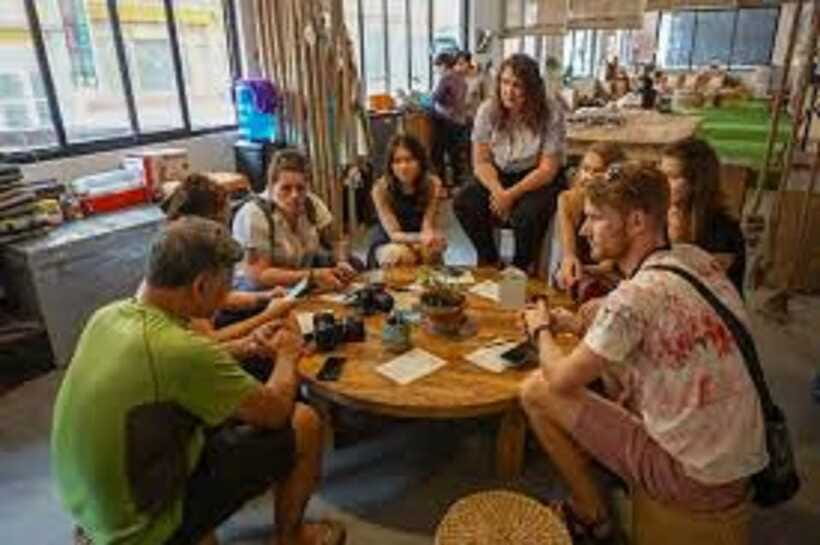
Next comes the main flavor decision: your filling. You get explained filling options, including vegetarian, chicken, or meat-based versions.
What I like here is that you are not locked into one flavor just because the class exists. The class is built around chosen ingredients and then translating that choice into a workable filling texture. Once you see the demo and then do it yourself, you will understand how the filling behaves when it meets dough.
In practice, expect a hands-on filling session where you work with the ingredients the class provides. You will also learn the thinking behind the mix, because it needs to fold cleanly and cook through without turning watery.
Step 3: Making the Dough, Not Just Mixing It Once
Then you move to the dough. The class explains the dough ingredients and why they matter, followed by step-by-step kneading and preparation.
You make your own dough and then let it rest for a few minutes. That rest matters more than people expect, and in a class like this you can feel the dough change. It is also a good moment to reset, because your hands will be busy again soon.
If you have never worked with dumpling dough before, this is where you learn the biggest skill: how to get elasticity and workable texture. The class gives you instructions, and you get repetition without needing to practice for weeks before you eat.
Step 4: Rolling Wrappers and Getting Thickness Right
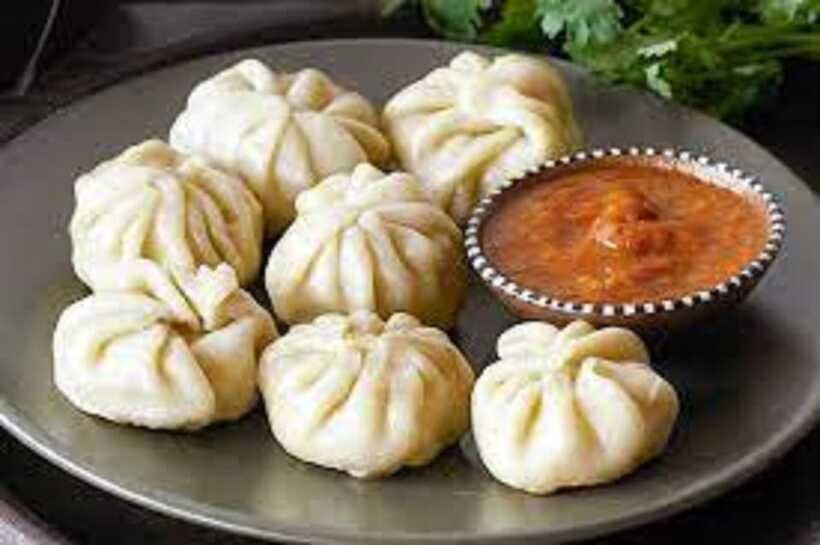
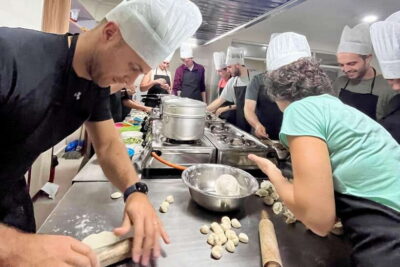
After the dough, you learn rolling and shaping. The instructor demonstrates how to roll wrappers out to a proper thickness, which is key for two reasons.
First, thickness affects cooking. Too thick and the dumpling can feel heavy. Too thin and the wrapper can be harder to fold.
Second, thickness affects folding confidence. If the dough is too thick, your fold may resist. If it is too thin, it may tear or feel delicate. This is why the class treats rolling as its own step, not a throwaway detail.
Step 5: Folding Technique, Pleats and Crescent-Moon Styles
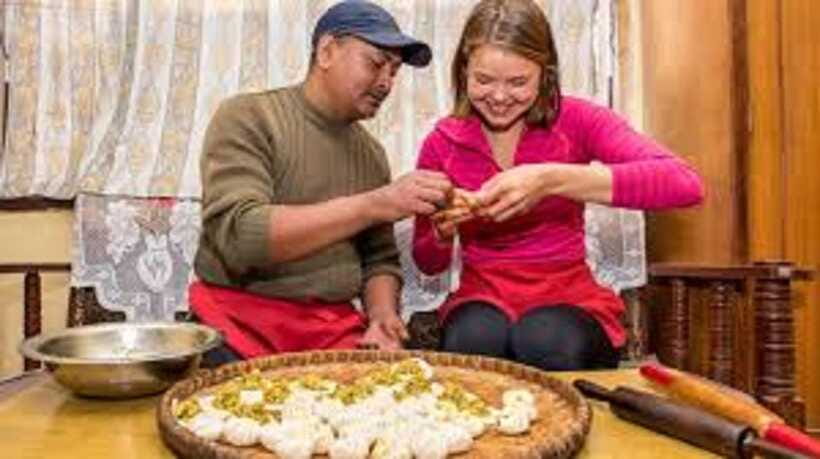
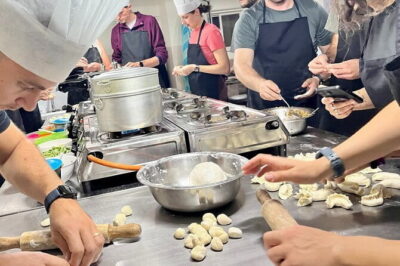
This is the part most people picture when they think of momos. You get shown techniques for shaping different momo styles, including traditional pleats and crescent-moon options.
The important reality is that folding is physical skill, not just knowing the steps. You will practice, and it may not look perfect on your first attempt. That is normal. The value is that you learn what good folds look like and how to fix common issues.
In a smaller, more interactive private setup, you are also more likely to get quick feedback on your technique during practice. That helps you correct things while you are still in the process, instead of after everything is finished.
Step 6: Steaming the Momos Until Tender
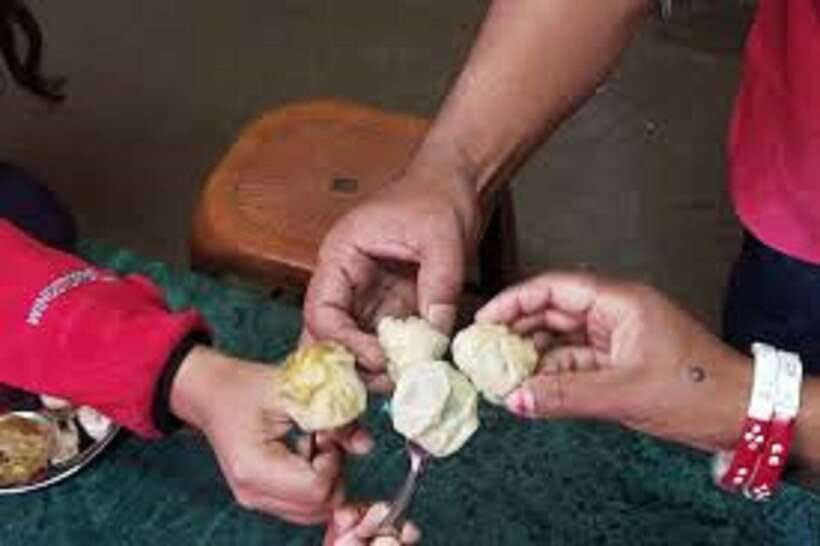
Cooking is where your work becomes food. The class explains the steaming process and why it is important, plus tips for setting up a steamer and preparing it for cooking.
Then you steam your momos until fully cooked and tender. Steaming is a great lesson technique because it is forgiving. Even if your fold is not identical to your neighbor’s, the steam cooks through in a way that helps you learn consistency.
Some class flows may also include frying alongside steaming, depending on how the session is run. If frying is part of your specific session, you will typically be able to taste both styles and compare texture.
Step 7: Dipping Sauces, Because Dumplings Need Friends
Momos without sauce are like dumplings without personality. The class covers multiple dipping sauce styles, including spicy and mild options, plus soy-based choices.
You get demonstrations on making sauces and then you create your own. This is a big deal for value, because sauces are what you can replicate at home without needing special equipment.
A useful way to taste is to notice how the sauce changes the dumpling experience. Spicier sauces tend to make the filling taste brighter. Mild or soy-based sauces often let the wrapper and steamed texture stay front and center.
Tasting and Feedback: Eat What You Made, Ask What You Need
After everything is cooked, you gather to taste the momos you made. The instructor provides feedback and answers questions, which turns the session into a learning loop instead of a one-way workshop.
I like that you do not leave with only theory. You taste your results while everything is fresh in your mind. That makes it easier to connect your technique with flavor and texture.
If your folds were uneven, you can often see and taste where the difference shows up. If your filling turned out well, you learn what worked so you can repeat it later.
What You Should Pay Attention To, So This Becomes a Real Skill
If you want this class to be more than a fun afternoon, focus on a few things while you work. You do not need perfection. You need understanding.
Here are the practical details that tend to matter most:
- Wrapper thickness and how it affects folding
- Filling moisture level, since it impacts texture and ease of sealing
- How much pressure you use when folding, so it seals without breaking dough
- Sauce balance, especially when mixing a mild base with spice
During your Q and A, ask one question that connects to something you noticed during tasting. For example, if your wrapper felt thick, ask what rolling adjustment the instructor recommends next time.
Price and Value: Is $29 Fair for a 3-Hour Class?
At $29 per person for a 3-hour class, this is positioned as a straightforward food experience that includes the parts most people struggle to organize themselves.
What you get for your money:
- Hotel pickup and drop-off (within Lakeside area)
- A cold drink per person
- All momo cooking materials
- An instructor working with you in English or Hindi
- The steps from dough to steaming plus sauce making
- Food tasting of what you created
What you do not get:
- Extra food or drinks beyond what is part of the class
- A long meal experience, since this is a skill session
In my view, the value comes from the full arc. You are not just assembling or watching. You do multiple steps and you also learn sauce, which is a home-cooking win.
Who This Class Is Best For (And Who Might Not Enjoy It)
This class fits well if you enjoy cooking activities and you like learning through hands-on practice. You will probably have the best time if you are curious about traditional Nepalese dumplings and you want technique you can repeat later.
It is also a strong choice for a private group. A smaller group tends to make shaping and sauce questions easier to answer on the spot. That is especially useful for the folding practice step.
It is not suitable for people with mobility impairments. If that applies to you, it is better to look for a different kind of food experience in Pokhara that does not require active standing and hands-on work.
Rain or Shine in Pokhara, Plan Around the Kitchen Time
The class takes place rain or shine. That matters in Pokhara because weather can shift quickly, but your schedule is still designed to run.
Because you are going to a local café and working with cooking steps, the best approach is to dress comfortably and be ready to get a bit involved. This is not a bring-your-camera-and-watch show. It is a cook, fold, steam, and eat kind of afternoon.
Should You Book the 3-Hour Momo Cooking Class in Pokhara?
Book it if you want a hands-on Nepalese cooking experience that teaches the real process, not just the idea of momos. You get a full flow, dough to folding to steaming, plus sauce making, and then you taste what you made. For $29 with pickup and materials included, that is a tidy deal.
Skip it if you strongly prefer a more passive food outing, or if you need an activity that works for mobility limitations. Also be aware that folding is a skill, and your first attempts may look imperfect even if they taste great.
If you are in Pokhara and you want a practical, authentic food activity you can carry home, this is a smart use of a half-day.
FAQ
How long is the Pokhara 3 hour momo cooking class?
The class lasts 3 hours.
Is hotel pickup and drop-off included?
Yes. Hotel pickup and drop-off are included, and pickup is within the Lakeside area.
What is included in the price?
The price includes hotel pickup and drop-off, a glass of cold drinks per each person, and all momo cooking materials.
What language will the instructor teach in?
The instructor teaches in English and Hindi.
Do I need to bring anything?
You should bring a passport or ID card. The activity also does not allow luggage or large bags.
Is this class suitable for mobility impairments?
No. It is not suitable for people with mobility impairments.
Latest additions near Pokhara
- Pokhara: Pokhara Highlights Tour by Bus★ 3.6 · 10 reviews
- Discover Pokhara in Style: Private Vehicle Service with Driver★ 5.0 · 5 reviews
- Pokhara in 5 Hours: Lake, Museum, Cave, Falls & Pagoda Hill★ 4.5 · 16 reviews
- The World Peace Pagoda in Pokhara★ 4.5 · 7 reviews
- 7-Day Trek to Annapurna Base Camp from Pokhara★ 5.0 · 12 reviews
- 4 Day Mardi Himal Base Camp Trek from Pokhara★ 5.0 · 18 reviews
- Unique Easy Hiking to Foxing Hill from Pokhara★ 5.0 · 4 reviews
- World Peace Stupa Day Hike From Pokhara★ 5.0 · 4 reviews
Nepali Cooking Classes, compared.
Nepalese Momos or Dal Bhat Cooking Class (Cook with Delight)
Read our review →
The best Private Nepali Cooking Class in Kathmandu
Read our review →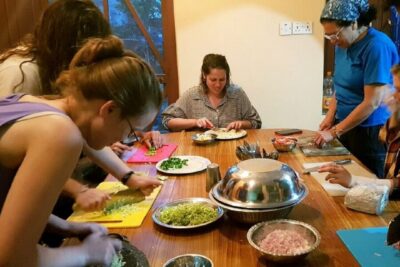
Nepalese Kitchen in Pokhara: Momos or Dal Bhat Cooking Class
Read our review →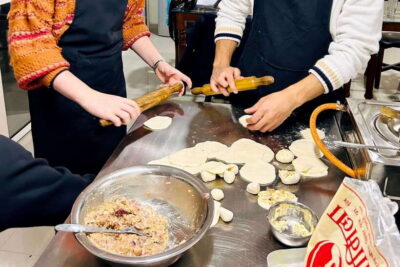
Browse the lists this tour appears in