
Reviewed · TREKS IN POKHARA
Pokhara: Day Hike to Australian Camp
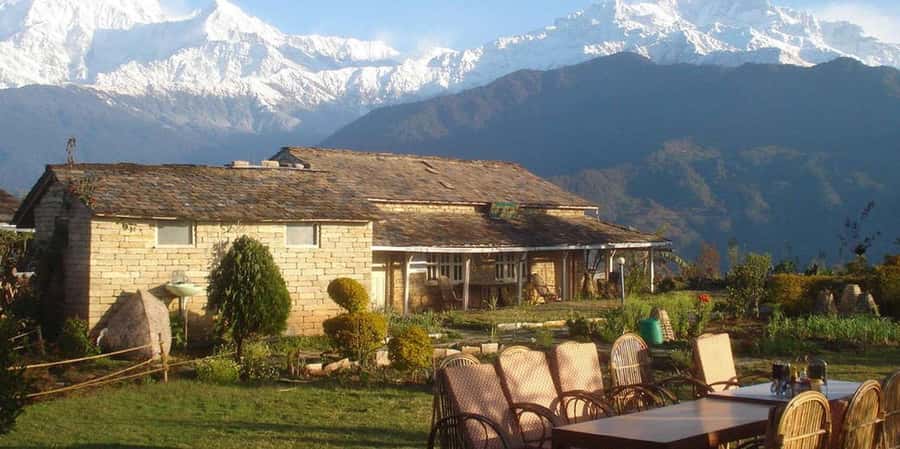
Himalaya views in a single day hike. The Dhampus to Australian Camp trek is an easy-to-moderate mountain outing that starts with ridge views right from the road. You’ll also get those big, clean panoramas toward the Annapurna and Manaslu ranges as you climb.
I especially like the mix of Gurung village life and actual hiking time. Dhampus feels human and lived-in, and a good guide, like Moti, helps you connect with what you see, from architecture to mountain trail basics. The walk through rhododendron forest and terraced fields makes it more than just a viewpoint scramble.
One heads-up: weather can turn fast, and rain can mean wet shoes and slick footing. If you go in monsoon season, plan for that, bring grip, and don’t count on sandals.
In This Review
- Key Highlights You Should Not Miss
- From Pokhara to Dhampus: where the day actually starts
- Dhampus Village Time: culture without the museum feeling
- The Dhampus to Australian Camp Trail: easy to moderate, scenic the whole way
- Australian Camp: the 360-degree reward at about 2,100 meters
- Sunrise or sunset at Australian Camp: plan for wind, not just light
- The human moment: tea and small breaks on hard weather days
- Timing back to Pokhara: a full morning that turns into an early afternoon
- Price and logistics: what $30 really means for value
- What to bring, and the one shoe rule that saves days
- Who this hike is perfect for, and who should skip it
- Should you book the Dhampus to Australian Camp day hike?
- FAQ
- What’s the starting point for the hike?
- How long is the drive from Pokhara to Dhampus?
- How difficult is the Dhampus to Australian Camp hike?
- How long does it take to hike to Australian Camp?
- What elevation is Australian Camp?
- What views should I expect at Australian Camp?
- What’s included in the $30 price?
- What’s not included in the package price?
- Is the hike suitable for wheelchair users or people with back problems?
Key Highlights You Should Not Miss

- Dhampus ridge drive that already gives you mountain views before you hike
- Warm Gurung village atmosphere in Dhampus, with culture you can actually walk through
- Rhododendron and terrace farms along the trail, especially March to April
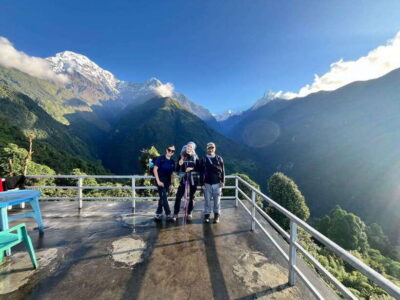
- Major photo targets like Machhapuchhre (Fishtail), Annapurna South, Hiunchuli, and Lamjung Himal
- Australian Camp 360-degree viewpoint at about 2,100 meters
- Sunrise and sunset potential when clouds cooperate and wind stays reasonable
From Pokhara to Dhampus: where the day actually starts
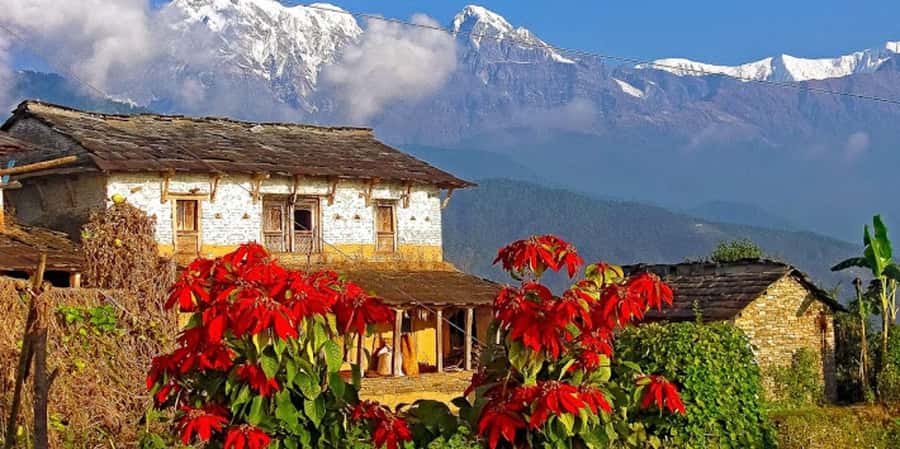
Most day hikes from Pokhara start with transport. This one starts with views. You leave Pokhara for a 1.5-hour scenic drive to Dhampus, a village built on a ridge with outlooks you can see from the road and at the start of the walk.
When you reach Dhampus, you’re not just stepping onto a trail, you’re stepping into a real Gurung village. I like this part because it grounds the hike. You get a sense of daily life, traditional building styles, and how people live with these mountains close by, not as a postcard fantasy.
Dhampus is also where you set your expectations for the rest of the day. From here, you can already catch mountain silhouettes in clear moments, and you’ll understand why Australian Camp is such a magnet for photographers.
Practical note: you’ll want to be ready for a range of temperatures. Even on a day that looks good when you leave Pokhara, it can feel cooler higher up, and the wind at viewpoints can change the mood quickly.
More Treks in Pokhara
- Poon hill Trek 3 days
★ 5.0 · 176 reviews - Trekking in Annapurna/Langtang/Everest/Upper Mustang regions
★ 5.0 · 161 reviews - Pokhara: 4-Day Ghorepani, Poonhill & Ghandruk Mountain Trek
★ 5.0 · 132 reviews
Dhampus Village Time: culture without the museum feeling
The Dhampus section isn’t long, but it matters. You’ll have time to wander and notice the details: local architecture, the way paths and homes fit the hillside, and the rhythm of people going about their day.
This is also where a good guide earns their pay. A guide like Moti, for example, doesn’t just point out views. He’ll explain Nepal and the kind of hikes people take, and he’ll help you strike up conversations when it feels appropriate. That changes the whole tone of the day hike because you stop treating the village like a stop, and start treating it like a place.
If you’re traveling solo, this part is a confidence boost. Being alone with an English-speaking guide makes the cultural side easier to handle, especially when you’re not fluent in local languages. The experience provider lists guide language support including English, Japanese, and Chinese, which can be helpful if you’re more comfortable in one of those.
The Dhampus to Australian Camp Trail: easy to moderate, scenic the whole way
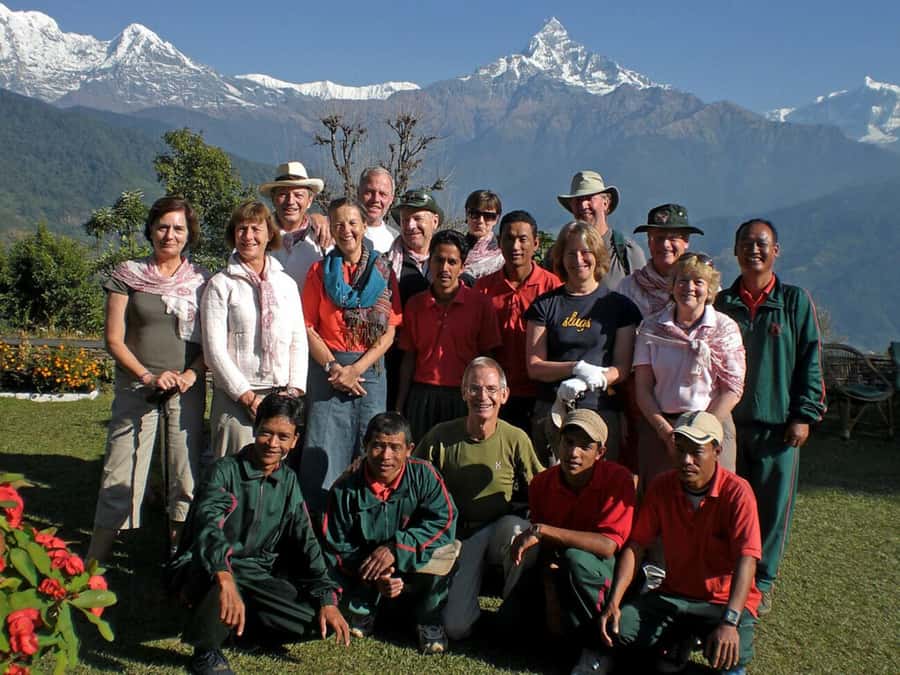
The hike itself is described as easy to moderate, which matches what you’ll likely feel on the ground. This is not a technical climb, but it is still a real hillside trek. Plan for steady walking rather than sprinting.
You walk through a changing set of environments, and that variety is a big part of why I like this route:
- Lush rhododendron forests, especially impressive from March to April
- Terraced farmlands carved into the hills
- Open clearings where mountain views appear like picture windows
Along the way, you’ll likely get repeated chances to spot big peaks and landmarks. Look for the chance to see Machhapuchhre (Fishtail) and also Annapurna South, Hiunchuli, and Lamjung Himal when visibility is decent. Some days those peaks will be crisp and dramatic, other days you’ll get partial views, and that’s the mountain reality.
The trail is also where weather habits matter. One day can bring a calm breeze and clear sightlines. Another day can bring rain for hours, with strong wind pushing around your plans. In those conditions, you’ll appreciate having comfortable clothing and shoes with real traction.
Australian Camp: the 360-degree reward at about 2,100 meters
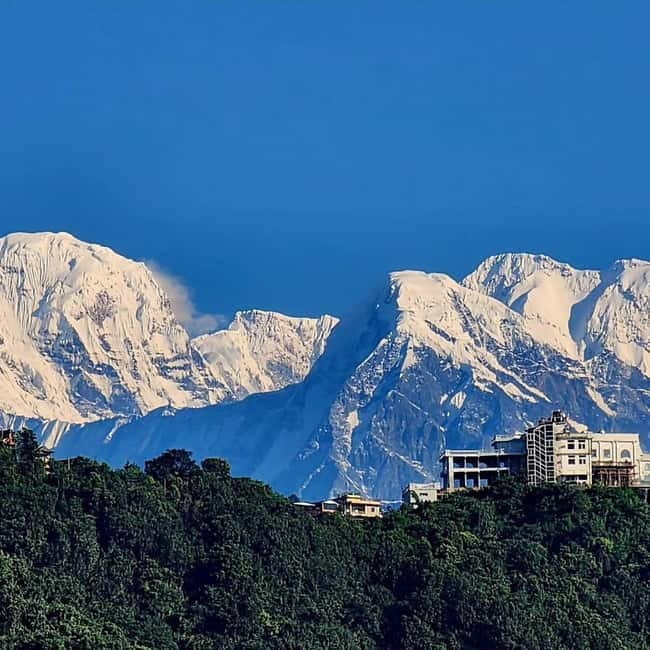
Australian Camp, also called Australian Base Camp, is why you do the hike. After about 1 to 2 hours of hiking, you reach a viewpoint area at roughly 2,100 meters (6,889 feet).
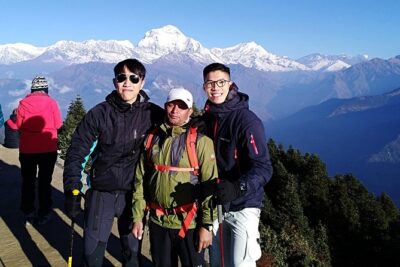
This spot is known for its sweeping outlook, with 360-degree views of the Annapurna and Dhaulagiri ranges. In plain terms: you turn your head and you keep seeing more. It’s one of the few places on a day hike where the payoff feels big enough to justify the effort.
You’ll usually want time here to do three things:
- Let your eyes adjust so you can pick out peaks by shape.
- Check the sky, because sunrise or sunset often depends on cloud timing.
- Take breaks without rushing, since you’re already at the top.
If the weather is rainy, you might not get perfect visibility, but you can still feel the scale of the mountains. Even in wind, standing at that elevation helps you understand how far these valleys stretch.
Another way to spend the time in Nepal:
- ZipFlyer Nepal – The World’s Steepest Zip-line
★ 5.0 · 608 reviews - Bungee Pokhara by HighGround Adventures
★ 5.0 · 366 reviews - From Pokhara: Sarangkot Sunrise Himalayas Tour
★ 4.7 · 218 reviews - ATV Adventure Tour in Pokhara, Nepal
★ 5.0 · 194 reviews
Sunrise or sunset at Australian Camp: plan for wind, not just light
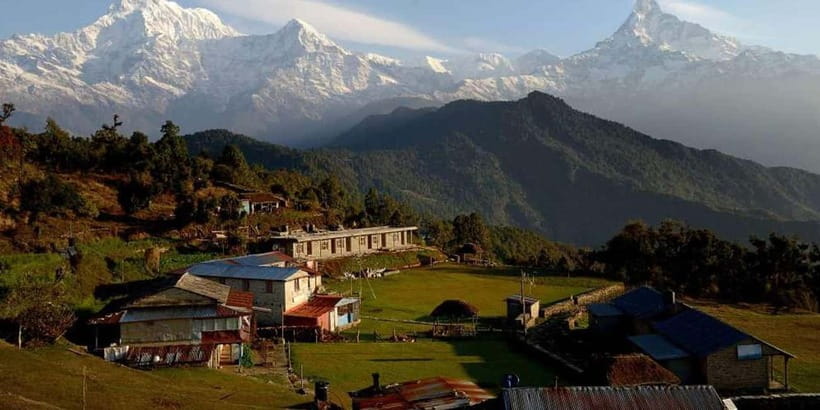
Australian Camp is especially popular for sunrise and sunset. That makes sense because the sun hits the snowcapped peaks in dramatic angles, and the viewpoint gets you a wide range of viewing directions.
That said, remember two things:
- Light is only half the story. Wind and clouds decide the rest.
- If it’s a rainy day, you might still feel the mood, but expect fewer clear peak views.
One helpful approach is to treat it like a flexible photo session. Don’t just wait in one direction. Look around. When clouds thin, peaks can pop into view quickly, then disappear again.
Also, temperatures can change fast at elevation. Bring warm layers even if Pokhara feels mild. Your body will thank you when you’re standing still at the viewpoint.
The human moment: tea and small breaks on hard weather days
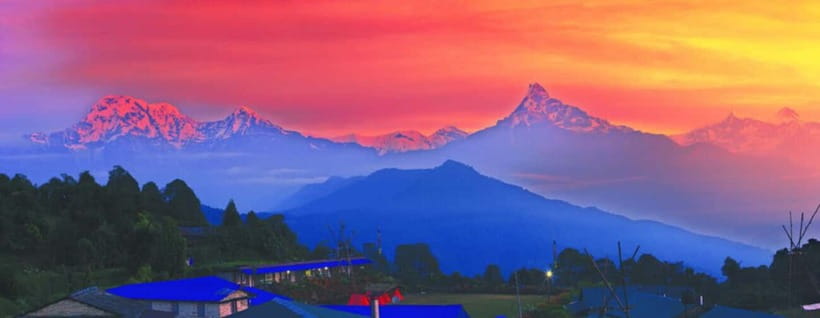
Even with a simple route, you’ll appreciate breaks. On rougher days, you might stop at a local home for tea and snacks, like roasted corn. It’s a small memory, but it’s also practical: it’s warm, it’s steady energy, and it gives you a chance to talk with people living right along the trail.
This matters because the Dhampus to Australian Camp trek is not just about reaching a landmark. It’s about moving through communities and seeing how mountains shape ordinary life. Those short cultural interruptions help you do that without adding hours to your schedule.
Timing back to Pokhara: a full morning that turns into an early afternoon
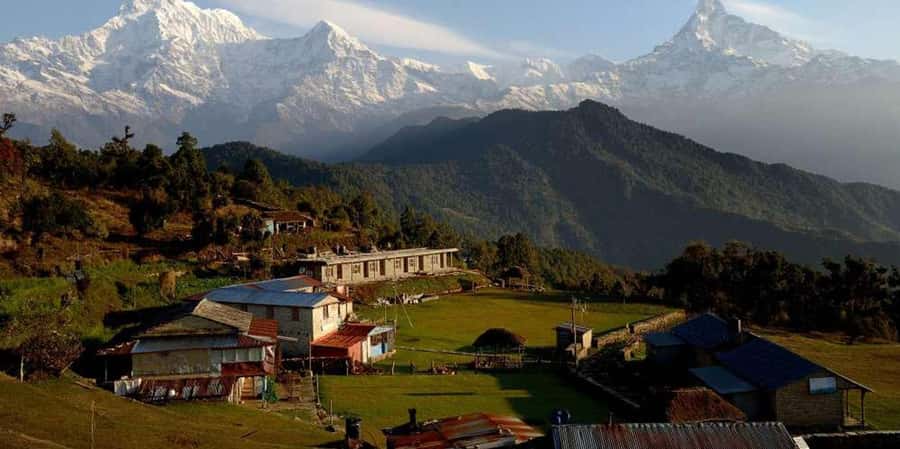
This hike is built to fit a day. In one typical rhythm, you might be picked up around 8 am and returned to your hotel around 3:30 pm.
That schedule usually works well if you want mountain time without eating your entire travel day. It also makes logistics easier for people who prefer simple planning.
The return is straightforward: you retrace your steps back to Dhampus, where transport is waiting to take you back to Pokhara. Plan to walk at a comfortable pace on the downhill sections. Your legs may feel fine at the start, but fatigue shows up on the way down.
Price and logistics: what $30 really means for value
The listed price is $30 per person, and that base cost includes several things that usually add up on their own:
- Hotel pickup and drop-off in Pokhara
- An English-speaking trekking guide
- Entry permits such as ACAP/TIMS if required
- Drinking water
- All local taxes
Then there’s the transfer detail to watch closely. The car for the transfer is described like this: you will arrange a car and pay $20 directly to the driver, with no commission.
So in real budgeting terms, you should expect something like:
- $30 for the hike package
- plus about $20 for the car transfer you pay directly to the driver
That’s still solid value for a guided hike with permits and pickup included. The bigger question is whether the experience matches your travel style. If you like hiking but prefer the guide to handle permits and direction, this price structure is sensible. If you’re the type who loves to DIY everything, you might feel the cost is higher than expected, especially if you’re already comfortable navigating routes on your own.
Meals are not included. You’ll want to bring or buy snacks as needed, and you’ll want water too, even though drinking water is listed as included.
What to bring, and the one shoe rule that saves days
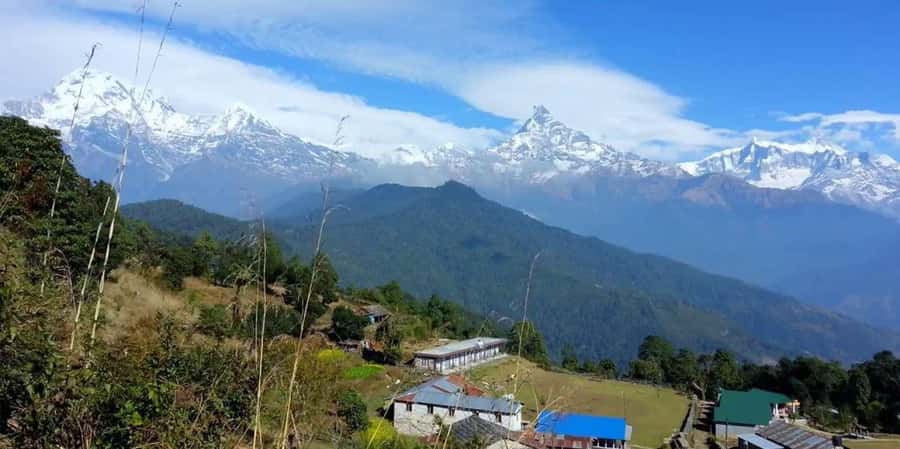
Here’s the packing list that actually helps you enjoy this hike:
- Comfortable shoes
- Sunglasses
- Hat
- Camera
- Sunscreen
- Water
- Cash
You’ll also want a few mindset choices. Wear layers, because temperatures can shift as you gain elevation. And check the weather before you go. Rain and wind are not rare here, and they affect how comfortable your hike feels.
Now the shoe rule, because it’s the difference between a pleasant day and a sweaty, slippery one. During rainy or monsoon periods, shoes can get wet, and footing can feel slick. Bring shoes with grip, and consider socks that you’re happy to keep on damp trails. If you show up with minimal tread, you’ll feel it fast.
One more rule: smoking is not allowed. Keep it simple, follow local expectations, and don’t plan around smoking breaks.
Who this hike is perfect for, and who should skip it
This is a great choice if you want:
- A day hike that’s easy to moderate
- Mountain viewpoints without committing to a multi-day trek
- Culture time in Dhampus without long detours
- A viewpoint designed for big moments, especially around sunrise or sunset
It’s also a strong solo-friendly hike because you’re paired with a guide, and the language options include English, Japanese, and Chinese.
But it’s not ideal if you have mobility constraints. It’s listed as not suitable for:
- People with back problems
- Wheelchair users
If you fall into either of those categories, you’ll likely want a different kind of Pokhara outing, one with less walking.
Should you book the Dhampus to Australian Camp day hike?
If you’re in Pokhara and want a hike that feels both scenic and social, I think you should book it. The Dhampus to Australian Camp route delivers the rare combo of village culture plus meaningful mountain views in a day. You also get a guided experience that handles permits if required, and you’ll have water included to help the day feel manageable.
Book it if you can handle basic hiking and you’re ready for weather swings. That means bringing grip shoes, warm layers, and snacks, and being flexible if clouds decide to stay put.
Skip it or rethink it if walking for much of the day will be a problem for your body. Also, if you hate the idea of rain or wind altering the views, you might want to choose a different day hike with more protected trails. But if you can embrace the mountain’s mood, this one is a rewarding way to spend a morning.
FAQ
What’s the starting point for the hike?
You start with a drive from Pokhara to Dhampus, where the hike begins.
How long is the drive from Pokhara to Dhampus?
The drive is about 1.5 hours.
How difficult is the Dhampus to Australian Camp hike?
It’s described as easy to moderate, suitable for hikers who can handle uphill walking for part of the day.
How long does it take to hike to Australian Camp?
You’ll arrive after about 1 to 2 hours of hiking, depending on pace and conditions.
What elevation is Australian Camp?
Australian Camp is at approximately 2,100 meters (6,889 feet).
What views should I expect at Australian Camp?
You get sweeping 360-degree views of the Annapurna and Dhaulagiri ranges, with possible sunrise and sunset views over snowcapped peaks.
What’s included in the $30 price?
Hotel pickup and drop-off in Pokhara, an English-speaking trekking guide, entry permits if required (ACAP/TIMS), drinking water, and local taxes.
What’s not included in the package price?
Meals and drinks are not included. Also, a car transfer may require paying $20 directly to the driver.
Is the hike suitable for wheelchair users or people with back problems?
No. It’s listed as not suitable for people with back problems and not suitable for wheelchair users.
Latest additions near Pokhara
- Pokhara: Pokhara Highlights Tour by Bus★ 3.6 · 10 reviews
- Discover Pokhara in Style: Private Vehicle Service with Driver★ 5.0 · 5 reviews
- Pokhara in 5 Hours: Lake, Museum, Cave, Falls & Pagoda Hill★ 4.5 · 16 reviews
- The World Peace Pagoda in Pokhara★ 4.5 · 7 reviews
- 7-Day Trek to Annapurna Base Camp from Pokhara★ 5.0 · 12 reviews
- 4 Day Mardi Himal Base Camp Trek from Pokhara★ 5.0 · 18 reviews
- Unique Easy Hiking to Foxing Hill from Pokhara★ 5.0 · 4 reviews
- World Peace Stupa Day Hike From Pokhara★ 5.0 · 4 reviews
Treks in Pokhara, compared.
Trekking in Annapurna/Langtang/Everest/Upper Mustang regions
Read our review →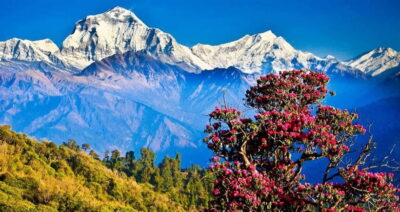
4-Day Ghorepani, Poonhill & Ghandruk Mountain Trek
Read our review →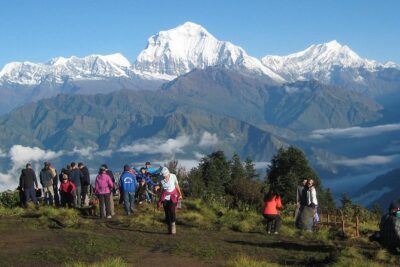
Kathmandu/Pokhara: 5-Day Annapurna Base Camp (ABC) Trek
Read our review →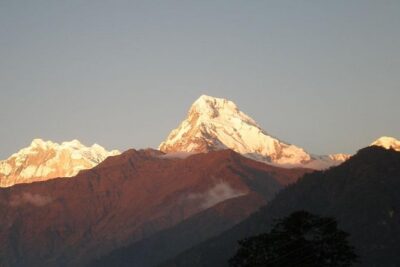
Browse the lists this tour appears in