
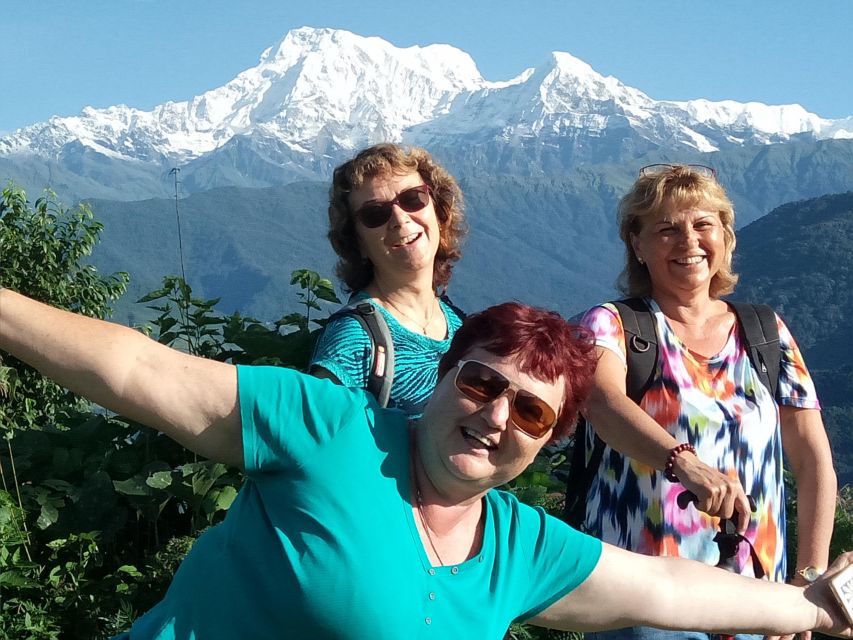
Reviewed · TREKS IN POKHARA
Pokhara: 3-Day Trek
Three days from Pokhara to Himalaya views. I love how this trek gives you a real Himalayan feel without the big, stressful commitment, and you get panoramic Annapurna Range views from two nights in great spots. The other thing I like is the practical comfort built into the route, including en-suite lodging and hot shower on the first night. The main drawback to consider is that it is not suitable for everyone, since it is listed as not suitable for pregnant women or people with mobility impairments.
This is a private trek, so your pace matters. You can also shorten parts of the walking by using drive options to reach higher starting points, which makes the days feel more flexible than most short treks.
In This Review
- Key highlights worth your attention
- Where this trek fits, and what you are actually walking toward
- Getting to the start: Lakeside pickup, a briefing day, and easy pacing
- Day 1: Naudanda down to Dhampus, then up to Australian Camp
- Day 2: A ridge walk to Astam and the Annapurna Eco Village Resort highlight
- Day 3: Down to the highway, then back to Pokhara
- Lodges and bathrooms: what “comfortable” means on this route
- The guide and porter setup that makes this feel safe
- Meals: how to plan your food without it slowing the trek down
- What to bring, and what to wear for an “easy” but active trek
- Price and value: is $250 a fair deal for three days?
- Who this trek suits best, and who should skip it
- Should you book the Pokhara 3-Day Trek?
Key highlights worth your attention
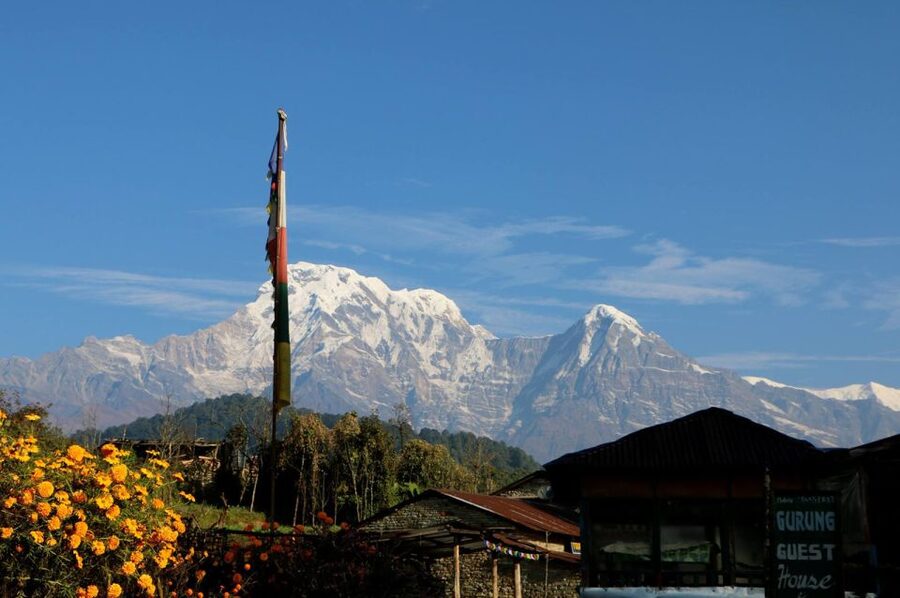
- Australian Camp sunrise setup: A rhododendron-forest teahouse settlement above Dhampus with serious panorama potential
- Ridge walking between villages: Scenic ridge route linking Dhampus, Pothana, and Astam for valley views and village life
- Eco-minded Astam stay: Annapurna Eco Village Resort with attached facilities and eco-friendly water and farming practices
- Private guide plus porter: A licensed English guide leads the walk, and a porter carries luggage to keep you focused
- Easy-with-eyebrow-raise difficulty: Short days with gradual stages, built for people who want trekking but not punishment
- Meals on your own schedule: Meals are not included, so you can order at teahouses when you want
Where this trek fits, and what you are actually walking toward
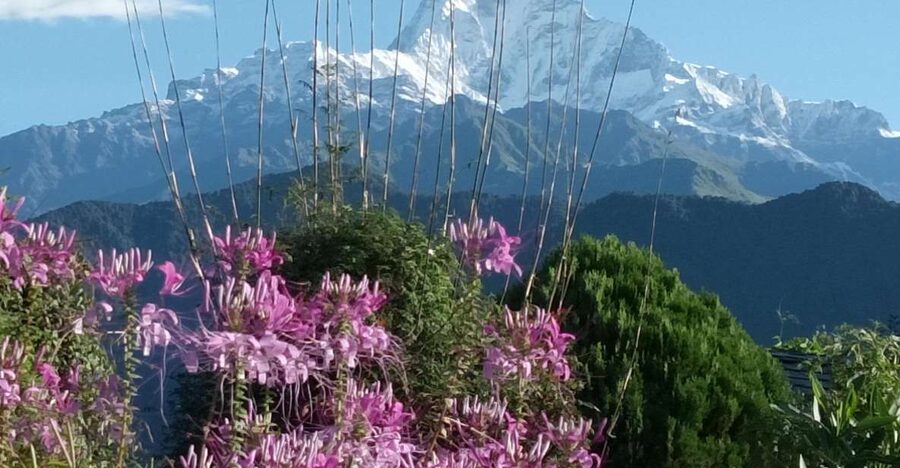
This 3-day trek is based out of the Pokhara area, then heads about 30 kilometers northwest of the city toward the foothills of the Annapurna Himalayas and the Mount Fishtail region. You are close enough to feel like you are staying “near Pokhara,” but far enough to walk away from traffic and into terraced countryside and ridge paths.
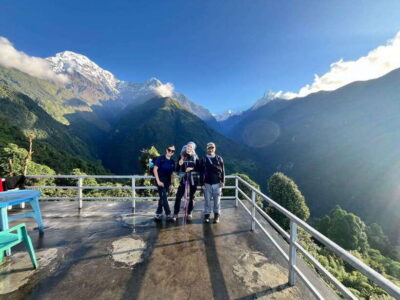
The big selling point is that you still get the Himalayan drama, especially around sunrise and sunset. The route is timed and designed for viewing from your overnight bases, including a famous teahouse settlement called Australian camp, plus an eco village resort in Astam.
If you want the “I can’t believe I’m that close to the Annapurnas” moment but you do not want a heavy trekking plan, this fits that sweet spot.
More Treks in Pokhara
- Poon hill Trek 3 days
★ 5.0 · 176 reviews - Trekking in Annapurna/Langtang/Everest/Upper Mustang regions
★ 5.0 · 161 reviews - Pokhara: 4-Day Ghorepani, Poonhill & Ghandruk Mountain Trek
★ 5.0 · 132 reviews
Getting to the start: Lakeside pickup, a briefing day, and easy pacing
The trip starts with pickup from your hotel in the Lakeside area of Pokhara. If your hotel is outside that area, there is extra cost for pickup, so it is worth checking your exact location early.
One thing I appreciate is the rhythm of the organization. The operator meets you at your hotel a day earlier for a trek briefing and to set the departure time. That matters because short treks still benefit from clear expectations, like how the drive time works and what your walk days look like.
You also travel as a private trek, customized to match your pace. That customization is not just marketing. In a short itinerary, a few minutes of pacing changes can make the difference between enjoying the views and feeling rushed.
Day 1: Naudanda down to Dhampus, then up to Australian Camp
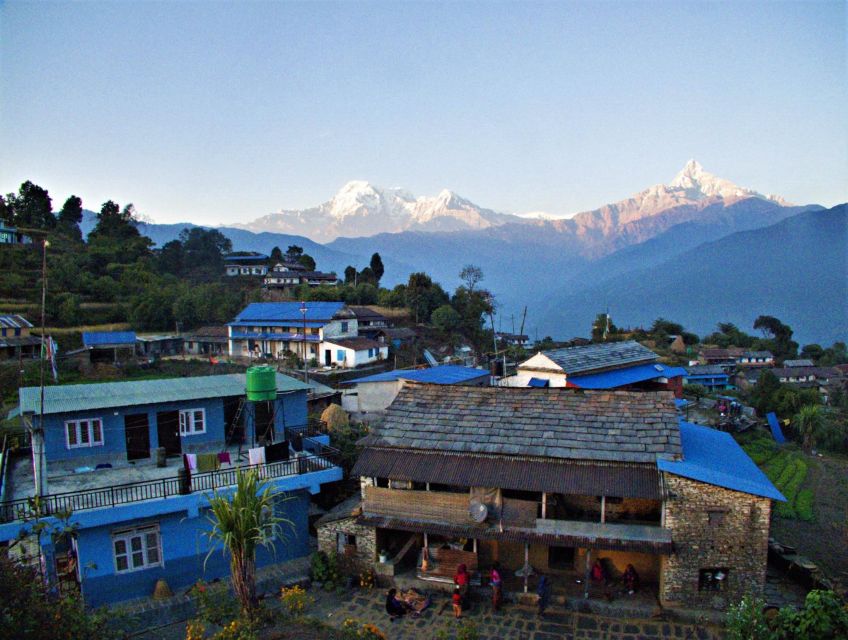
Your first day is all about setting the tone: walk gently, see how the valley opens up, and finish in a place built for early morning views.
Route flow (timing as planned):
- Drive about half an hour to Naudanda
- Walk gradually down toward a stream, then climb to Dhampus (about 2 hours)
- Continue to Pothana village (about 1 hour) for lunch
- After lunch, walk about 30 minutes to Australian camp for the night
What makes this day special is the mix of trail textures and village rhythms. You climb to Dhampus and then keep moving through a countryside pattern of terraces and settlements. Pothana is your lunch stop, so you get a planned break instead of “whatever time you feel like it.”
Australian camp is a small teahouse settlement in a rhododendron forest above Dhampus. The teahouses there are established and set up for trekkers, and this is also your best bet for a memorable sunrise view over the Annapurna Range.
A realistic consideration: this day includes walking segments that are uphill and downhill. It is described as short and easy, but comfortable footwear still matters. If you are someone who struggles with repeated steps, you will want to keep a steady pace and use your guide to pace the climbs.
Day 2: A ridge walk to Astam and the Annapurna Eco Village Resort highlight
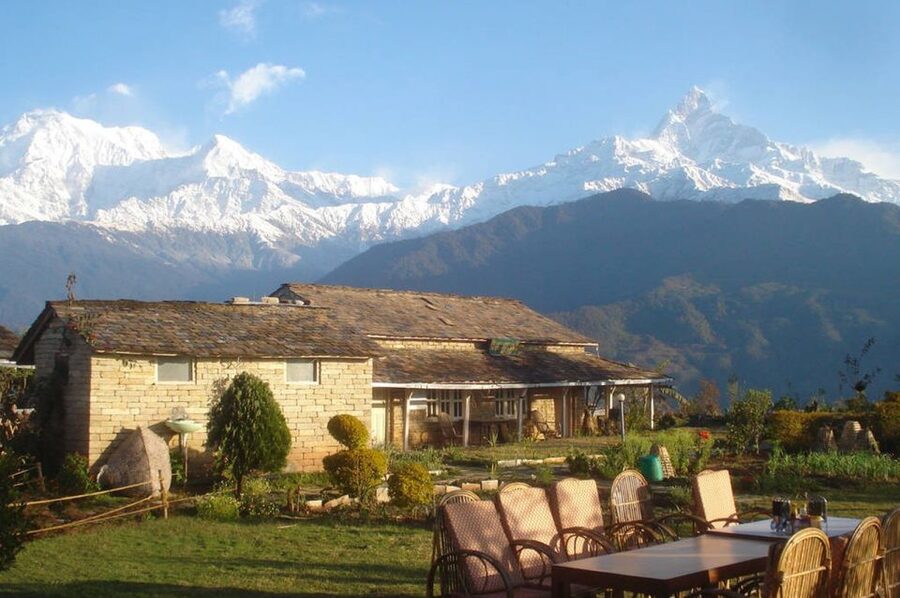
Day 2 is the “views and village-to-village movement” day. You leave Australian camp after breakfast and work your way along the ridgeline toward Astam.
Planned walking time: about 4 hours.
The day starts with breakfast with Himalaya views, then you head along the scenic ridge, finishing at Astam village. After check-in at Annapurna Eco Village Resort, the experience shifts from hiking to slowing down.
Here is what I think you should care about with the resort stay: it is not just comfortable. It is described as adopting eco-friendly measures like reusing water, rainwater harvesting, and organic farming. That means you are more likely to understand the place you are staying, not just sleep in it.
The meals at the resort are described as organic, and you can learn about the organic farm, village, and eco practices. If you like “how people live here” more than just “look at views,” this is where the trek feels most meaningful.
A possible drawback: since the day centers on the ridge route, you can feel more exposed to weather changes. The good news is that this is a short trek, so you are not out there for multiple long days.
Another way to spend the time in Nepal:
- ZipFlyer Nepal – The World’s Steepest Zip-line
★ 5.0 · 608 reviews - Bungee Pokhara by HighGround Adventures
★ 5.0 · 366 reviews - From Pokhara: Sarangkot Sunrise Himalayas Tour
★ 4.7 · 218 reviews - ATV Adventure Tour in Pokhara, Nepal
★ 5.0 · 194 reviews
Day 3: Down to the highway, then back to Pokhara
Day 3 is the easy finish. It is designed to let you enjoy your last morning without rushing.
Planned walking time: about 2 hours down to the highway, followed by driving back to Pokhara.
That structure matters. A lot of trekking plans squeeze in a hard last climb. This one flips it, giving you a descent and then the reward of being back near comfortable civilization quickly.
If you still have energy, you can use the rest of the day however you like. If you are tired, you will have an easier time recovering because the final hiking day is short.
Lodges and bathrooms: what “comfortable” means on this route
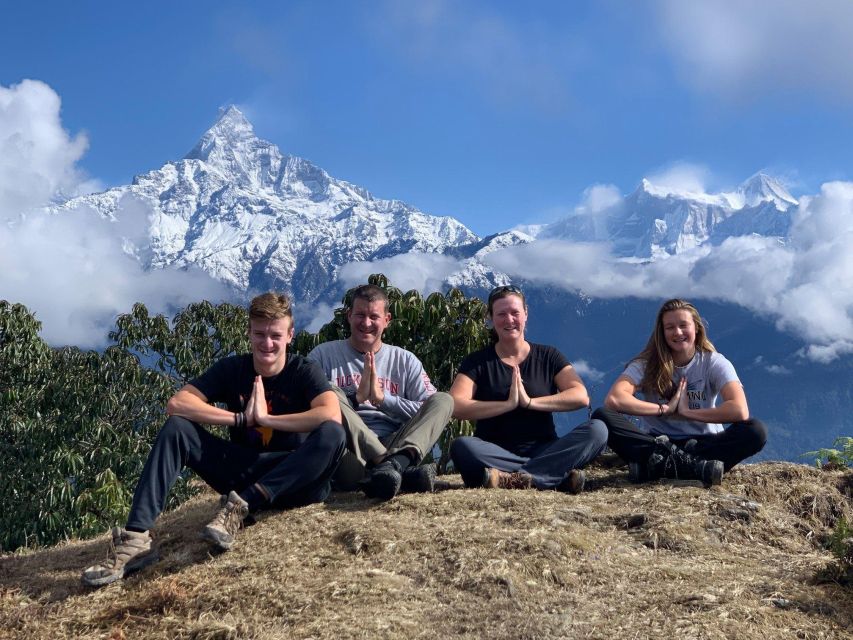
The accommodations are a major part of why this trek feels doable.
Night 1: Australian camp teahouse settlement
- Teahouses have an attached toilet and bathroom
- Hot shower is included, and the teahouse setup is described as professionally catered to trekkers
This is the kind of comfort that changes your whole experience. After a day of walking, having a hot shower is not a luxury, it is recovery. It also helps when you are doing a multi-day itinerary and want to stay relaxed.
Night 2: Annapurna Eco Village Resort in Astam
- Simple but comfortable rooms
- Attached toilet and bathroom
On this second night, the tone shifts to “clean and functional with a calm setting,” plus the eco-focused setting around the village.
A practical consideration: hot shower availability is explicitly mentioned for the first night’s teahouse accommodation. For the second night, the listing emphasizes attached facilities, but it does not explicitly repeat hot shower as a guaranteed feature. If hot water is a dealbreaker for you, ask your operator before you book.
The guide and porter setup that makes this feel safe
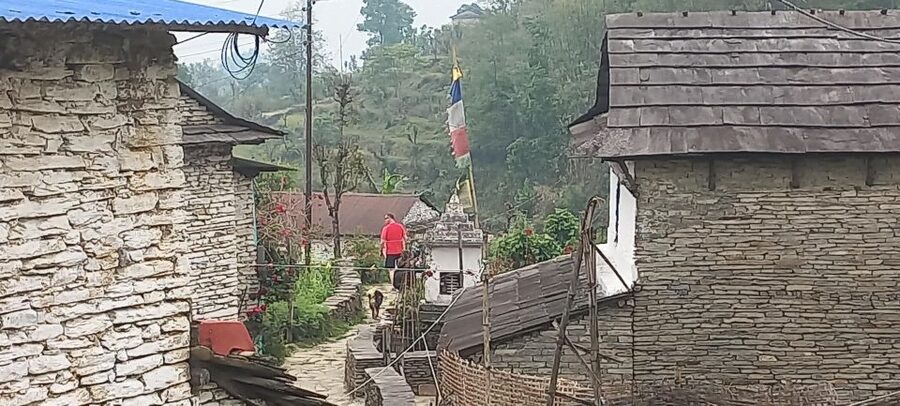
This trek runs with a professional, licensed English-speaking guide, plus a porter to carry luggage to your daily destination.
That combination matters in two ways:
- You spend your energy on the walking and views, not on hauling gear uphill and down.
- You get context about Nepalese countryside life and mountain stories. Multiple past guides highlighted cultural and practical details in the way they explained the region.
The names from prior trips include Jit, Prabin (also spelled Probin in one account), Dansay, and Basanta. Regardless of the individual, the consistent theme is experienced guidance, with people who pay attention to safety and comfort.
If you want an efficient trek where you do not have to think too much about route decisions, this guide-led structure is a big part of the value.
Meals: how to plan your food without it slowing the trek down
Meals are not included in the package price, but meals can be ordered at teahouses, paid directly.
What that means for you day to day:
- You can eat when you want, and adjust to your appetite after walking.
- You are not locked into one meal schedule.
Teahouses in these areas serve simple but delicious international cuisines, so you should not feel stuck with only local food unless you want it. This helps on a short trek when you might want something familiar.
One practical tip from actual trekking experiences on similar routes: bring sunscreen and mosquito spray. The trek moves through countryside areas, and it is smart to be prepared even on a short walk.
What to bring, and what to wear for an “easy” but active trek
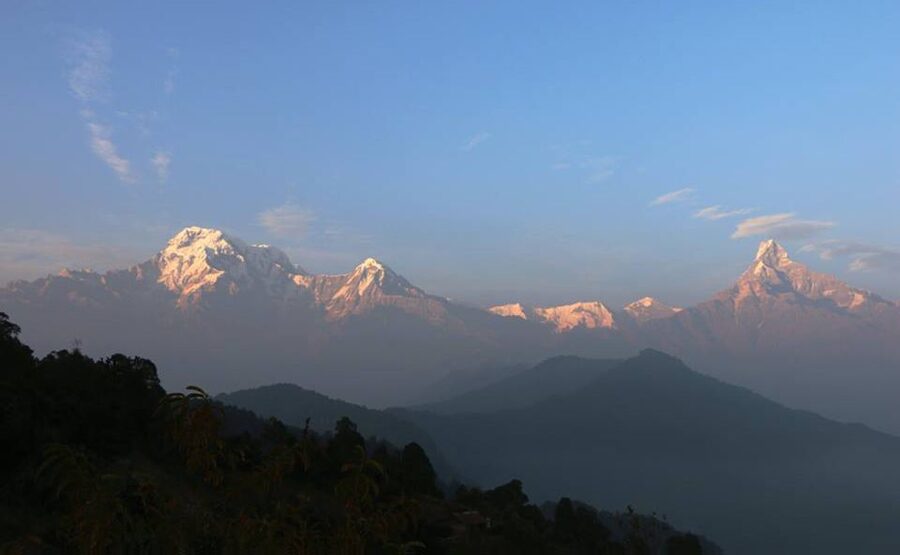
The essentials are straightforward:
- Comfortable shoes
- Sunglasses
In real terms, comfortable shoes are the difference between enjoying the ridge and counting blisters. Even if the trek is described as short and easy, you still have multiple hours of walking across uneven paths.
If you want an extra safety margin, pack a small sun-and-bite protection kit. Many people working with this itinerary recommend sunscreen and mosquito spray.
Price and value: is $250 a fair deal for three days?
At $250 per person for 3 days, this trek is not the cheapest way to see the Annapurna foothills, but it is also not priced like a luxury expedition. The value comes from what is included.
What you get included:
- Private transportation to and from the trailhead
- Comfortable teahouse accommodation with attached bathroom and toilet (with hot shower mentioned for the first night)
- Trekking guide and porter
What is not included:
- Insurance
- Meals (you order at teahouses and pay directly)
- Any extra pickup cost if you are not staying in the Lakeside area
So the value logic is this: you are paying for comfort and reduced planning stress. You are not just “buying a route,” you are buying reliable logistics, lodging that meets basic comfort needs, and human support.
If you are staying in Lakeside, the pickup is included. If you are staying elsewhere, check what extra pickup might cost before assuming the listed value is fully realized.
Who this trek suits best, and who should skip it
This trek is designed for people who want the feeling of trekking in the Himalayas with less stress.
It is a good fit if you:
- Want a short trek around Pokhara
- Care about sunrise and sunset views over the Annapurna Range
- Like the idea of comfortable lodge-based walking with attached facilities
- Prefer a private plan customized to your pace
It is not suitable if you:
- Are pregnant
- Have mobility impairments
One more thought: this is a ridge and village route, so if you have strong sensitivity to uneven footing or wind exposure on ridgelines, you should talk with the guide about pace and breaks early.
Should you book the Pokhara 3-Day Trek?
I would book this if you want a short, well-supported introduction to trekking in the Annapurna foothills, with real mountain views and comfort that keeps the trip from feeling rough. The biggest reasons are the Australian camp sunrise potential, the eco-focused Astam stay, and the practical support from a licensed English guide plus porter.
I would think twice if hot water is non-negotiable, if you need guaranteed inclusions for meals, or if you are outside the Lakeside pickup area and would rather avoid extra transport costs.
If your ideal trip is not about suffering for bragging rights and more about easy progress, good views, and a human-powered, culturally informed walk, this is a strong match.
Latest additions near Pokhara
- Pokhara: Pokhara Highlights Tour by Bus★ 3.6 · 10 reviews
- Discover Pokhara in Style: Private Vehicle Service with Driver★ 5.0 · 5 reviews
- Pokhara in 5 Hours: Lake, Museum, Cave, Falls & Pagoda Hill★ 4.5 · 16 reviews
- The World Peace Pagoda in Pokhara★ 4.5 · 7 reviews
- 7-Day Trek to Annapurna Base Camp from Pokhara★ 5.0 · 12 reviews
- 4 Day Mardi Himal Base Camp Trek from Pokhara★ 5.0 · 18 reviews
- Unique Easy Hiking to Foxing Hill from Pokhara★ 5.0 · 4 reviews
- World Peace Stupa Day Hike From Pokhara★ 5.0 · 4 reviews
Treks in Pokhara, compared.
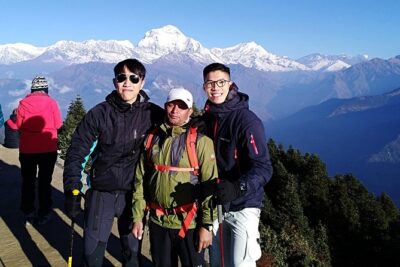
Trekking in Annapurna/Langtang/Everest/Upper Mustang regions
Read our review →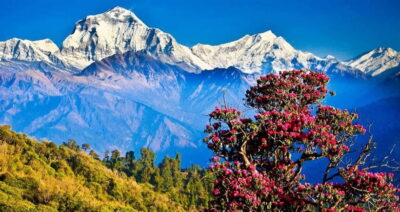
4-Day Ghorepani, Poonhill & Ghandruk Mountain Trek
Read our review →
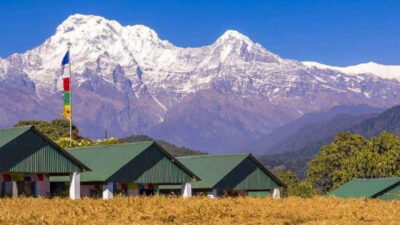
Kathmandu/Pokhara: 5-Day Annapurna Base Camp (ABC) Trek
Read our review →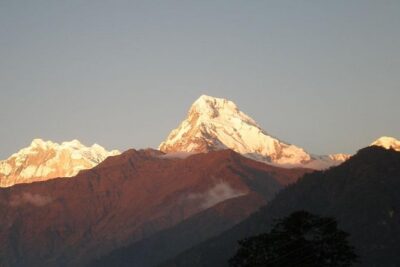
Browse the lists this tour appears in