
Reviewed · FOOD
Kathmandu Local Food Hunt Tour
Kathmandu street food has a pulse. This 4.5-hour local food hunt turns everyday street corners into a tasting route, with hotel pick-up and drop so you start eating fast instead of figuring out transit. I like that the guide works with your dietary needs too, including vegan or vegetarian options if you tell them ahead of time.
One of my favorite parts is the pacing and the payoff: you should sample at least 5 dishes and drinks without feeling rushed. You also get the setting behind the food, walking through market lanes and historic temple areas, with an in-the-moment explanation of what you are seeing.
One consideration: it is not suitable for people with food allergies. If allergies are your main concern, this is the one detail I would not gloss over.
In This Review
- Key things to know before you go
- Why This Kathmandu Food Hunt Feels Worth It
- Hotel Pick-Up and an English-Speaking Guide That Keeps It Simple
- From Asan Market Lanes to Temple Streets, What the Guide Actually Shows You
- A small pacing tip
- Kathmandu Durbar Square: Incense, Bells, and the 16th Century Palace Setting
- What to watch for
- What You’ll Eat: Minimum 5 Dishes and Drinks Without the Guesswork
- My advice for maximizing tastings
- Culture and Tradition Stops: How This Tour Teaches Without Lecture
- The benefit for real travelers
- Price and Logistics: A Clear Half Day Package at $55
- Walking Tips, Sunscreen, and the Small Stuff That Makes It Smooth
- Who This Tour Fits Best (And Who Should Skip It)
- Should You Book the Kathmandu Local Food Hunt Tour?
- FAQ
- What is the duration of the Kathmandu Local Food Hunt Tour?
- How much does the tour cost?
- Is hotel pick-up and drop-off included?
- What does the tour include for food?
- Are alcoholic beverages included?
- Is the tour suitable for vegan or vegetarian travelers?
- Is the tour wheelchair accessible?
- Is this a private group tour?
- What should I bring?
- Is the tour suitable for people with food allergies?
Key things to know before you go
- Hotel pick-up included makes a huge difference in Kathmandu, especially for a half day plan.
- English-speaking guide keeps the food choices and culture stops clear and easy to follow.
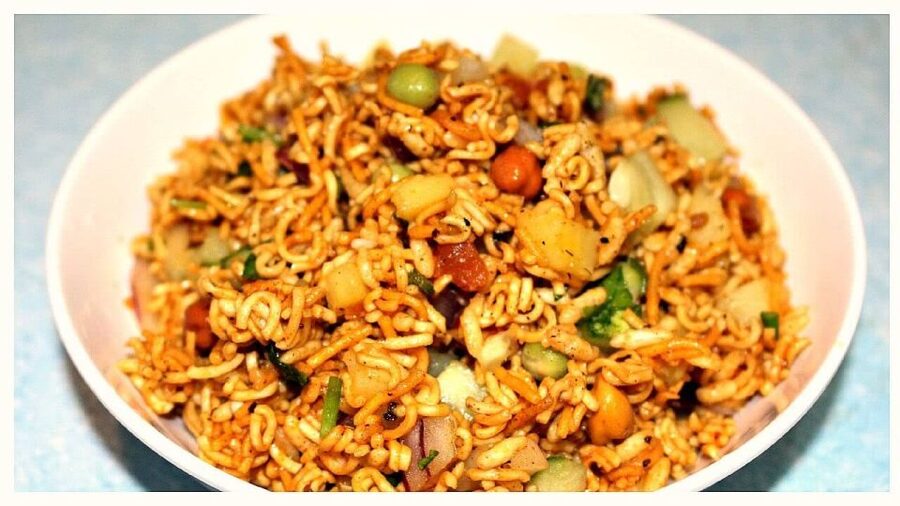
- Minimum 5 dishes and drinks gives you real variety, not just one quick snack.
- Asan market + Kathmandu Durbar Square mixes street food with historic temple atmosphere.
- Vegan or vegetarian friendly if you tell your guide in advance.
- Bring comfortable shoes since this is a walking-focused outing.
Why This Kathmandu Food Hunt Feels Worth It
A good Kathmandu street food tour should do two things well. First, it should get you to places where the food is moving and the locals actually rely on it. Second, it should explain what you are looking at, so you leave with food memories and a better sense of how daily life works.
This one fits the bill for a half day format. At 4.5 hours, you can taste, ask questions, and still keep the rest of your day flexible. You also get a bottle of drinking water, which is a small inclusion that helps on a walking route in Nepal’s warmer stretches.
The price, $55 per person, is easiest to judge by what you receive up front. You are not paying just for a guide and a route. You are paying for a guided market walk, food sampling across multiple stops, hotel pick-up and drop, and an English-speaking host to translate the culture around the snacks. For a short time window, that combination usually adds up to strong value.
More Food Tours in Nepal:
- Kathmandu: Food and Drink Walking Tour
★ 4.9 · 292 reviews - Kathmandu Food and Drink Walking Tour
★ 5.0 · 266 reviews - Kathmandu: Food and Drink Walking Tour
★ 4.9 · 119 reviews
Hotel Pick-Up and an English-Speaking Guide That Keeps It Simple
Kathmandu can be busy, and food tours work best when you remove friction early. Here, you get pick-up from your hotel lobby and drop-off at the end. That matters more than it sounds, because the best street food moments often happen a little off the main tourist routes.
You will also travel with an English-speaking guide, which helps with two practical things. You can understand what each market stop is about, and you can get clear guidance about what you can eat.
There is also a flexibility point I really like: the tour can be tailored for vegan or vegetarian needs. You just have to tell your guide. That is a big deal on a food-focused outing, because the worst-case scenario is showing up hungry and then leaving with only bread and tea.
And for a name reference you might appreciate, one past participant specifically highlighted a guide named Mr. Rajan for taking them to strong places to eat in Kathmandu. That suggests the operator pays attention to guiding quality, not just routing.
From Asan Market Lanes to Temple Streets, What the Guide Actually Shows You
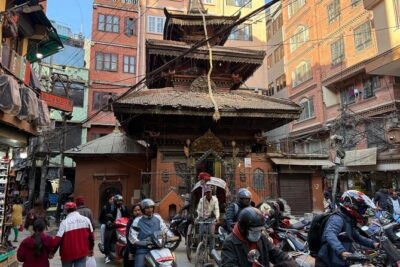
The heart of the tour is the walk through Kathmandu’s street market world, anchored around Asan. This is where you feel the city operating at close range: vendors, shoppers, small shops, and that constant flow of people. The tour description focuses on your guide explaining what you’ll see at each level of the route, including where to experience local markets, old ancient temple areas, street vendors, and street food.
Here is what you should expect in practical terms. Your guide is not only naming places. They are helping you read the scene. Markets in Kathmandu often feel layered, with activity changing block by block and sometimes level by level. When someone points out what is happening where, it becomes much easier to choose confidently what to try next.
Asan is also the kind of stop where sensory details do a lot of the work. You will pass shops selling things like spices and tea, plus smaller snack items such as cookies. That matters because street food culture often links directly to the products people buy and use at home. You are tasting, but you are also learning the ingredients and preferences behind the flavors.
A small pacing tip
Wear clothes that you can move in and shoes that grip. Even if you do not think you will walk much, market areas have stop-and-go movement built in. You will likely pause often to sample food and to listen to explanations.
Another way to spend the time in Nepal:
- Everest Base Camp Trek – 14 Days
★ 5.0 · 1,499 reviews - Everest Base Camp Trek
★ 5.0 · 842 reviews - Private Kathmandu Sightseeing Tour | UNESCO World Heritage sites
★ 5.0 · 756 reviews - Kathmandu: 7 UNESCO Sites with Lunch
★ 4.8 · 744 reviews
Kathmandu Durbar Square: Incense, Bells, and the 16th Century Palace Setting
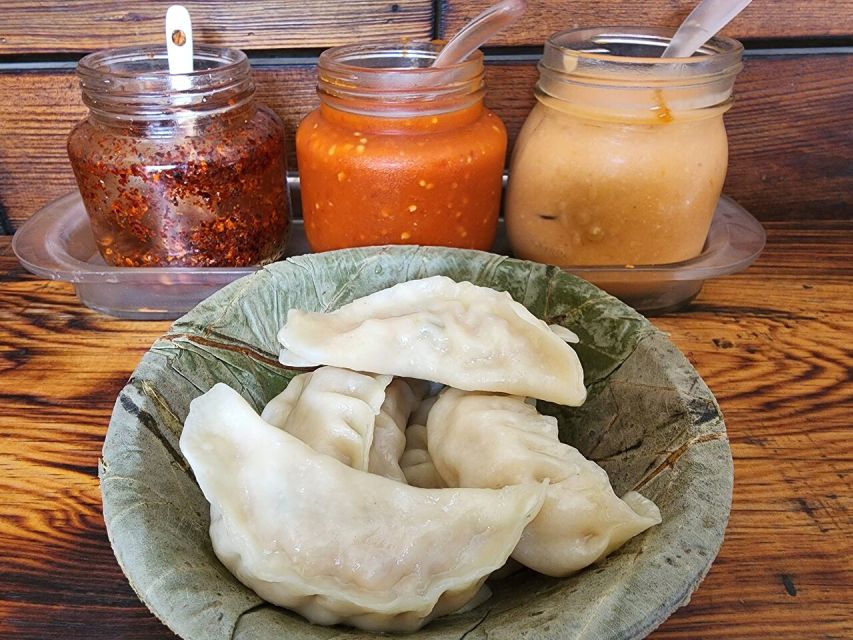
After Asan, the tour shifts into the atmosphere around Kathmandu Durbar Square. This area centers on the 16th-century palace of Pratap Singh Malla, and it shows. The space blends old shopfronts, temple activity, and crowds moving through the same historic corridors.
What makes Durbar Square special on a food tour is that it adds a cultural layer to the eating. This is not just about grabbing snacks and moving on. The tour environment includes the soundscape of devotion. You can encounter people praying in temples, along with the ringing bells and the smell of incense.
You will also see old shops in the nearby area, where you might find items like spices, tea, and cookies again, but in a different context than Asan. It is the same overall Kathmandu food mindset, but with a more historic, ceremonial backdrop. That contrast helps you understand why certain foods are sold where they are, and why markets and temples often sit close together in daily life.
What to watch for
Try to notice what happens when the crowd is praying or waiting. Food vendors and snack stops often work around those rhythms. If you pay attention, you will learn more than just what you ate. You will learn how people time the day, how they move, and how food fits into short pauses in the flow.
What You’ll Eat: Minimum 5 Dishes and Drinks Without the Guesswork
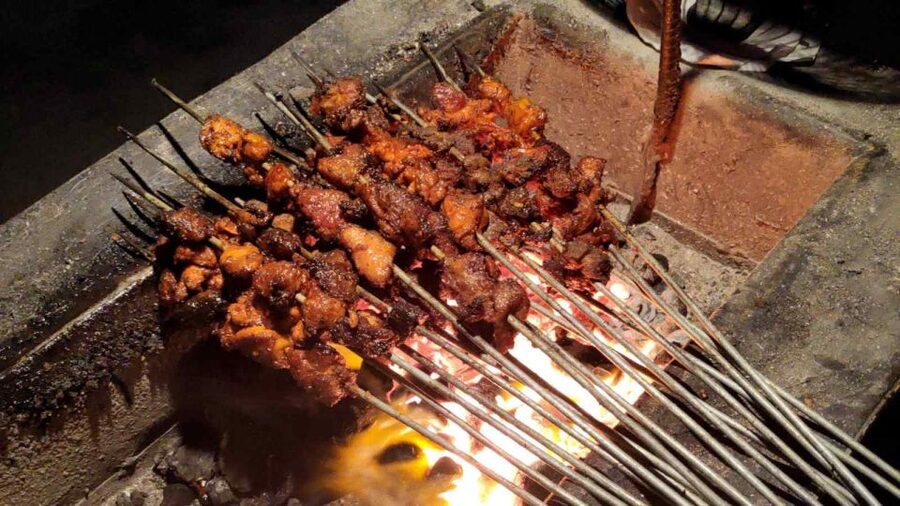
This tour’s headline promise is that you will try at least 5 dishes and drinks. That is a practical promise because it sets a minimum variety standard. Many half day food tours stretch into a string of tiny bites. Here, the structure supports real sampling, including both food and drinks.
The information you get about dietary needs is also important. The tour states you do not have to worry if you are vegan or vegetarian. Your guide can tailor the tastings easily, as long as you let them know.
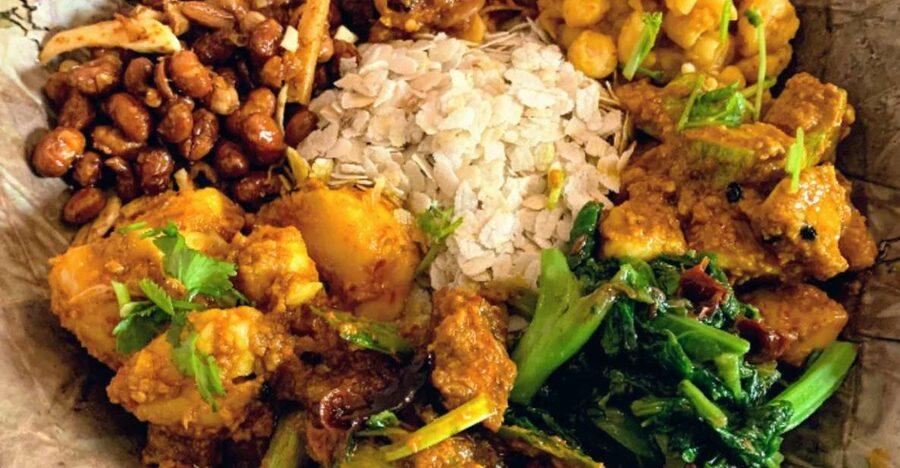
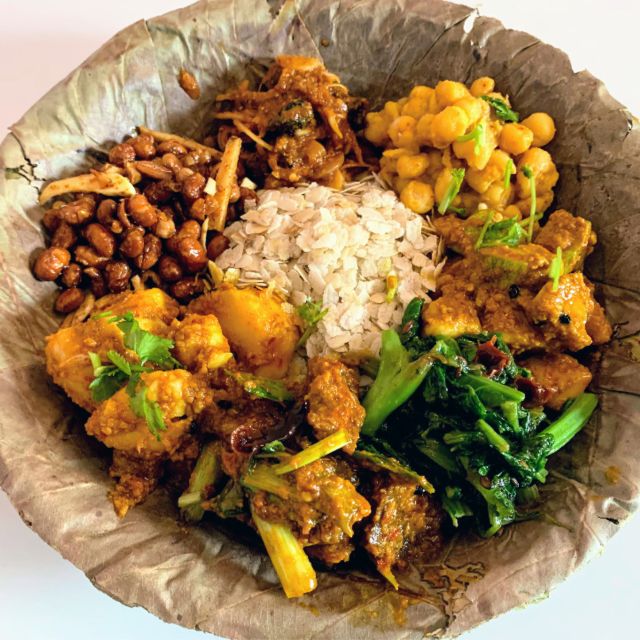
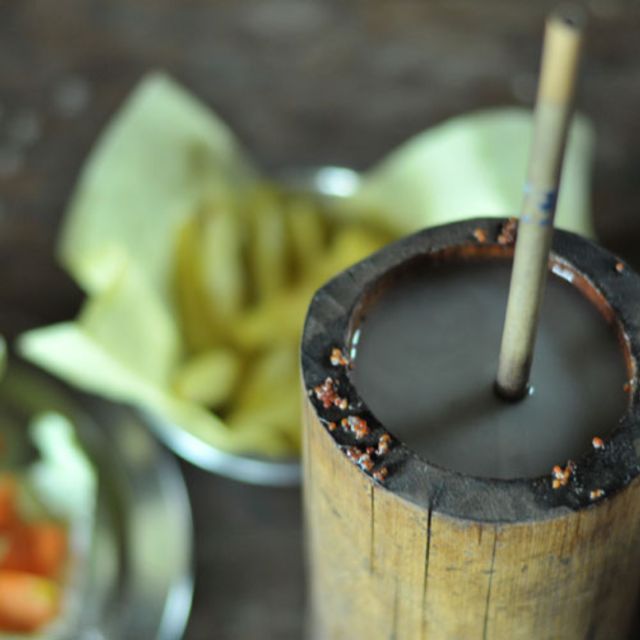
What you may eat is described broadly as traditional Nepali food, street food, and snacks. The tour does not list specific dish names in the details you provided, so your best expectation is variety across savory bites and sweet or snack-style items, plus Nepal-style drinks like tea. Since the route passes through spice and tea shops, tea and spice-based flavor profiles are likely part of the experience.
My advice for maximizing tastings
If you have dietary restrictions, communicate them clearly at the start. If you have preferences like less spicy or no dairy, say so early. On a market walk, choices narrow fast once a stop is happening.
Also, take your time during each tasting, even if you feel tempted to rush ahead. The value here is the pairing of food with culture. When you understand what the guide is pointing out, the flavors make more sense.
Culture and Tradition Stops: How This Tour Teaches Without Lecture
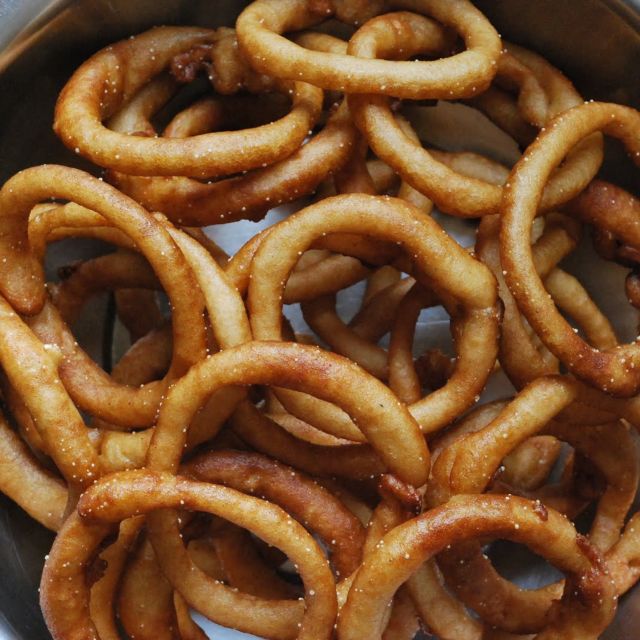
A food tour can turn into a checklist. This one aims to do something more useful: tie food to culture as you walk.
The description repeatedly highlights temples and cultural tradition along the way. That can sound vague, but it matters because Kathmandu’s street food scene is not separated from religion and daily routines. When you pass temples with people praying, hear bells, and smell incense, you understand that food is part of community life, not just an attraction.
The guide also accompanies you while explaining what you will see at each level of the route leading toward the busiest street market. That kind of guidance keeps you from getting lost in the noise. You still experience the energy of Kathmandu, but you also get a framework for interpreting what is around you.
The benefit for real travelers
If you like authentic experiences, this format usually works better than a museum-style lesson. You learn by looking at the everyday things locals use: shops, vendor setups, crowded lanes, and temple spaces. You are not learning only from words. You are learning from context.
Price and Logistics: A Clear Half Day Package at $55
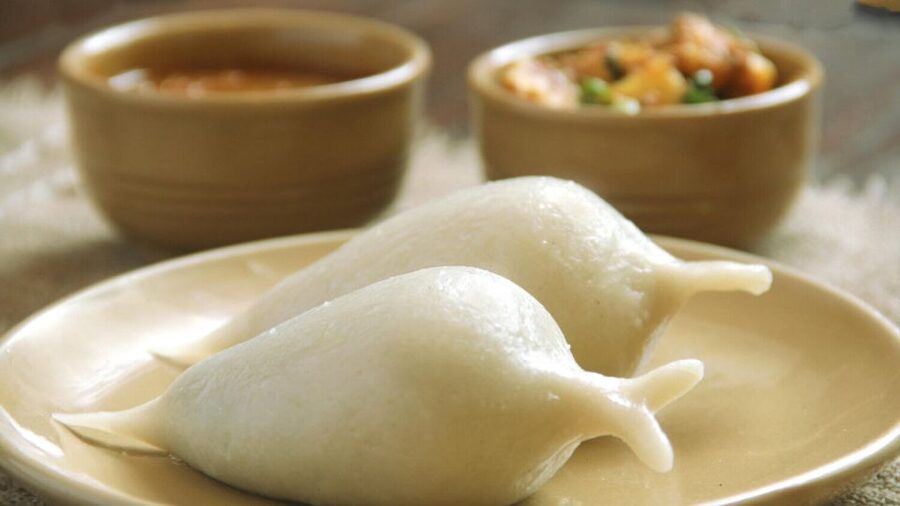
Let’s talk value with the actual inclusions in mind.
Included in the tour:
- Different varieties of food
- Hotel pick-up and drop
- English-speaking guide
- Local market tour
- A bottle of drinking water
Not included:
- Alcoholic beverages
- Anything not mentioned in the inclusions
So you are getting a planned route with a guide, tastings, and the transportation convenience of hotel pick-up. In a city like Kathmandu, time is valuable. Removing the work of finding starting points and coordinating rides can make a half day tour feel easy, even if the city itself is lively.
If you are comparing this to DIY street food, the trade is simple. DIY costs less in cash, but it costs more in decision-making. You have to choose where to eat, and you risk wasting time on places that are not a good match for your dietary needs. Paying $55 is basically buying guidance, route efficiency, and a minimum tasting count.
One more practical note: alcoholic beverages are not included, and alcohol is also listed as not allowed. That keeps the tour focused on food and walking rather than turning into a drinking outing.
Walking Tips, Sunscreen, and the Small Stuff That Makes It Smooth
Even a short food tour can feel long if you plan for sitting. This one recommends comfortable clothes and comfortable shoes. Bring sunscreen too, since outdoor walking is part of the experience.
Since you receive a bottle of drinking water, you’re not starting empty-handed. Still, pace yourself. Market areas have crowded spots, and you will stop often. If you get lightheaded or overheated, say so. A good guide will adjust the pace to keep you comfortable.
Finally, remember the basic activity rule: no alcohol and no drugs. It keeps the atmosphere appropriate for a shared group experience.
Who This Tour Fits Best (And Who Should Skip It)
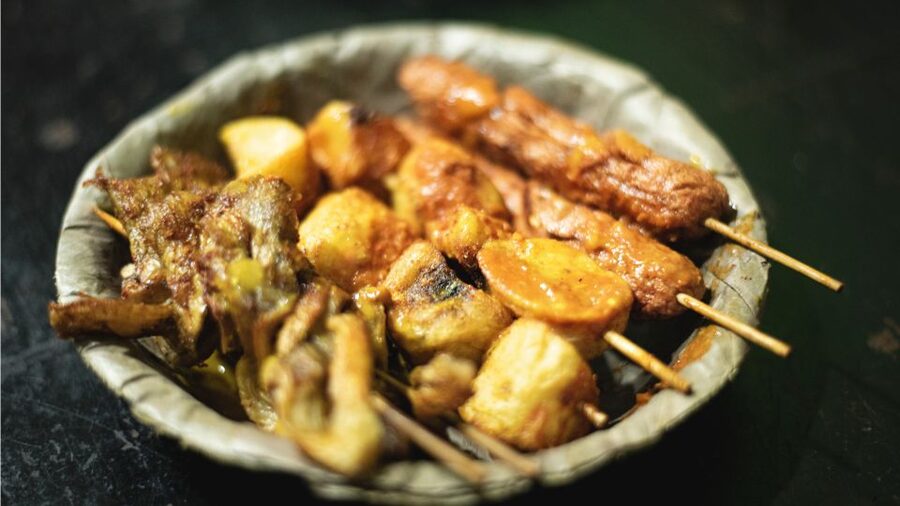
This is a strong choice if you want:
- A half day Kathmandu street food tour with real market time
- A guided plan that includes tastings and culture stops
- Vegan or vegetarian-friendly options with advance notice
- An English-speaking guide who can explain what you are seeing
It is also a good match if you prefer private group travel. A private group means you are not competing with other schedules, and you can ask more direct questions to your guide. That kind of attention matters a lot when you are choosing food.
Who should think twice:
- People with food allergies. The tour explicitly says it is not suitable for this. If you are in that category, I would treat the warning seriously and look for a different setup designed around allergy safety.
Should You Book the Kathmandu Local Food Hunt Tour?
I think it is a smart booking if you want an efficient, guided way to experience Kathmandu street food and the temple area atmosphere in one go. The biggest strength is the combination of hotel pick-up, an English-speaking guide, and at least 5 dishes and drinks in about 4.5 hours.
Book it if you:
- Want a practical half day plan without worrying about finding food stops
- Need vegan or vegetarian flexibility, and you will tell the guide your needs
- Like market walking and cultural context, not just eating
Skip it if you:
- Have food allergies
- Want a sit-down, restaurant-only experience with no street walking
If your goal is to taste Nepal in the streets of Kathmandu, with guidance that connects the food to what is happening around the temples and markets, this is the kind of tour that makes your time count.
FAQ
What is the duration of the Kathmandu Local Food Hunt Tour?
The tour lasts 4.5 hours.
How much does the tour cost?
The price is $55 per person.
Is hotel pick-up and drop-off included?
Yes, hotel pick-up and drop are included. You should wait in your hotel lobby for the scheduled pickup time.
What does the tour include for food?
You will try different varieties of food, with a minimum of 5 dishes and drinks. A bottle of drinking water is also included.
Are alcoholic beverages included?
No. Alcoholic beverages are not included, and alcohol is listed as not allowed.
Is the tour suitable for vegan or vegetarian travelers?
Yes. The tour says vegan and vegetarian travelers can be catered to easily. Let your guide know ahead of time.
Is the tour wheelchair accessible?
Yes, it is listed as wheelchair accessible.
Is this a private group tour?
Yes. It is a private group activity, meaning only your group participates.
What should I bring?
Bring comfortable shoes, sunscreen, and comfortable clothes.
Is the tour suitable for people with food allergies?
No. It is not suitable for people with food allergies.
Latest additions near Nepal
- Jeep safari (4-5 hrs. Sharing) inside Chitwan National Park.★ 4.5 · 8 reviews
- Pokhara: Pokhara Highlights Tour by Bus★ 3.6 · 10 reviews
- White Water River Rafting – 1 Day★ 4.3 · 3 reviews
- Traditional Momo Making Class★ 5.0 · 10 reviews
- Jungle Towernight Stay: 4-Day Tour in Chitwan National Park★ 5.0 · 4 reviews
- Private Jeep Safari (8-10 hrs.)inside Chitwan National Park.★ 5.0 · 3 reviews
- Mission Tiger, 4 days tour inside Chitwan National Park.★ 5.0 · 4 reviews
- Discover Pokhara in Style: Private Vehicle Service with Driver★ 5.0 · 5 reviews
Food, compared.
Secret Food Tour – Food Bites and Sights Kathmandu 14+ Testings
Read our review →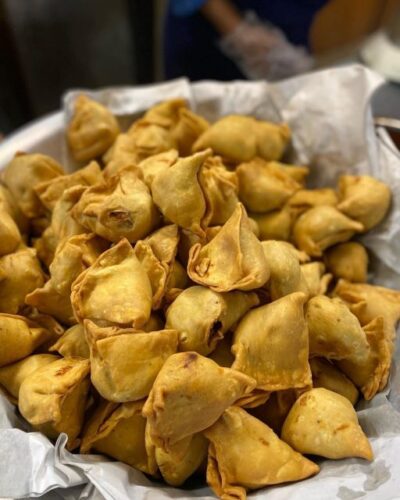
Kathmandu Food & Drink and Shopping Rickshaw Tour
Read our review →
Walking Food Tour in Hidden Local Eateries of Kathmandu
Read our review →Browse the lists this tour appears in