
Reviewed · TREKS IN POKHARA
Independent Trekking Guide in Pokhara
Planning your Nepal trek gets way easier with the right guide. This independent setup in Pokhara pairs you with an experienced pro who helps you choose the best Annapurna route for your pace and goals, then handles the back-office work so you can focus on the mountains. I especially like the private, group-only vibe, and the fact that your guide can tailor the trek length and daily timing to fit your ability.
Two more big wins: the guide organizes the essential logistics like permits, transport, lodging, and food (with options to do it as a full package), and you’re not walking in cold and wet unprepared. One consideration: the posted $50 price is for 1 day only, not the entire trek, so you’ll want to confirm how many trekking days you’re actually booking.
This kind of guided treking also depends on weather, and you do need a moderate fitness base. If you’re hoping for a super casual stroll every day, you might find the daily rhythm of Himalayan tea houses, climbs, and altitude conditions a bit demanding.
In This Review
- Key things that make this Pokhara trekking guide work
- Private guide in Pokhara, how it changes the trek
- Price and real value, what the $50 per group means
- What’s included: gear and support you’ll feel on day one
- Tea houses, food, and how the guide handles the details
- How your guide picks the trek route (and lets you change plans)
- A realistic 5-day flow in the Annapurna region
- Photography support that adds value without slowing you down
- Safety approach and equipment prep for changing mountain weather
- Who should book this independent guide in Pokhara
- Should you book this Pokhara trekking guide?
- FAQ
- What time does the trekking guide meet you in Pokhara?
- How much does the guide cost?
- Is the trek duration fixed?
- What does the guide provide for trekking gear?
- What’s included if I book only the guide?
- Can I book a full package with permits, transport, and lodging?
- Do I need trekking insurance, and are permits included?
Key things that make this Pokhara trekking guide work
- You choose the trek length, and the guide helps you match the route to your ability and desire
- Permits, transport, and tea-house lodging can be arranged for you, reducing planning stress
- Trekking gear is provided (poles, sleeping bag, waterproof poncho, head lamp), which lowers what you need to pack
- Photo-minded support, including binoculars and a Canon 5D Mark IV with a landscape lens carried by the guide
- Flexible alternatives, including the note that some treks start in Kathmandu (Annapurna Circuit, Langtang, Gosaikunda)
- Porters are optional for extra charge, helping with up to 20 kg of luggage
Private guide in Pokhara, how it changes the trek
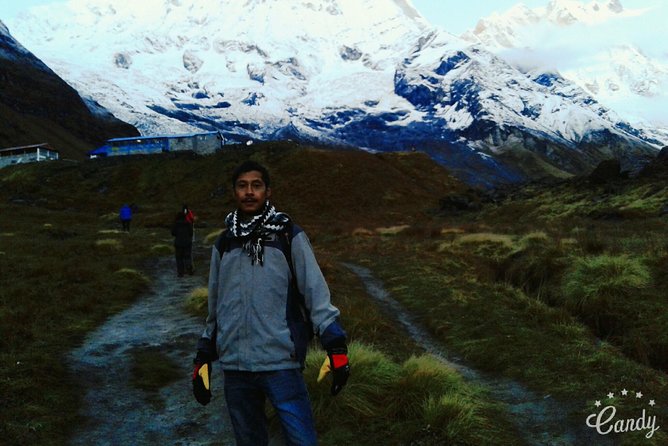
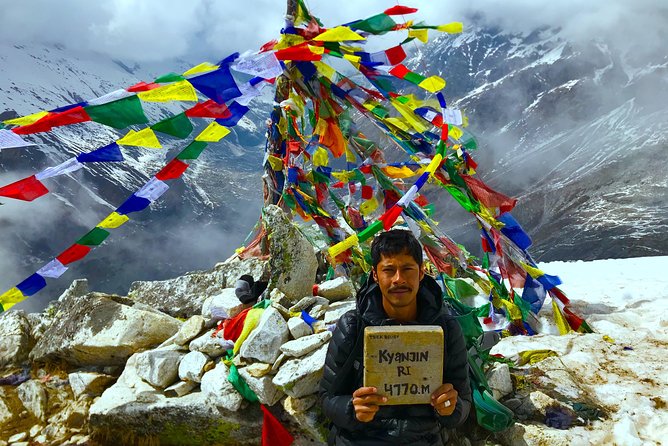
I like independent trekking that still feels supported. With this arrangement, you’re not getting jammed into a fixed itinerary with strangers. Instead, you’re traveling with a guide assigned to your group, which matters in Nepal where weather, trail conditions, and energy levels can change quickly.
In practice, that flexibility is what helps people get a better trek outcome. If your group is fit, the guide can steer you toward a longer or more scenic option. If you want a slower pace, you should be able to adjust the daily trekking time. The point is simple: you tell the guide what you want, and the guide works backward from your answers.
The other key advantage is that the guide handles the paperwork and planning. Permits, transport coordination, and tea-house lodging do not sound exciting, but they can eat an entire day when you’re trying to figure them out yourself. This guide approach is built to remove that hassle, so your time goes to walking, looking, and soaking up mountain life.
More Treks in Pokhara
- Poon hill Trek 3 days
★ 5.0 · 176 reviews - Trekking in Annapurna/Langtang/Everest/Upper Mustang regions
★ 5.0 · 161 reviews - Pokhara: 4-Day Ghorepani, Poonhill & Ghandruk Mountain Trek
★ 5.0 · 132 reviews
Price and real value, what the $50 per group means
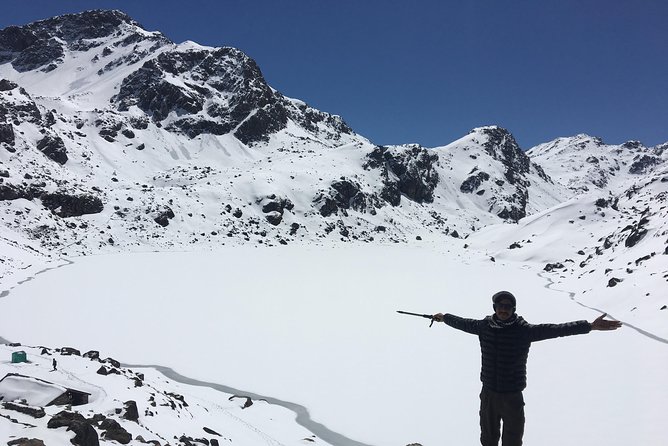
Let’s talk money clearly, because the best trekking value is the kind that avoids surprises.
The pricing is listed as $50.00 per group (up to 8), and the important detail is that it’s for 1 day only, not the full trek. So a 5-day trek can mean five separate day payments, depending on how the operator structures your booking. Before you commit, confirm the number of trekking days you plan to pay for.
Now, what are you getting for that daily rate?
You receive an English-speaking professional guide, plus guide insurance and coverage for food and accommodation. You also get trekking gear on the included list, which is a real cost saver if you were planning to rent poles, a sleeping bag, or a rain layer near Pokhara.
Where value can swing is food and lodging. The listing says foods and accommodations are not included unless you book a full package trek. In that package, the operator says guide, porters (if you want them), meals, accommodations, transports, and trekking permits can be bundled. If you want a low-effort experience, that package format is what you should aim for, because it collapses several moving pieces into one plan.
So, who is this best for?
- Groups who want privacy and flexibility more than strict group tours
- People who already know they want an Annapurna-region trek and just need the route and logistics managed
- Travelers who would rather pay for guidance than spend days on research and coordination
What’s included: gear and support you’ll feel on day one
One thing I genuinely like here is that you start the trek with practical gear already covered. You get:
- Trekking poles
- A sleeping bag
- Pair of rain ponchos, described as 100% waterproof
- A head lamp
This matters because Nepal weather is unpredictable. Even in the Annapurna region, rain and cold can show up when you least want it. Having a waterproof poncho and head lamp ready means you can keep moving safely, even if your day ends later than expected.
Also included is the photo gear carried by your guide. The guide brings 8×21 Bushnell binoculars and a Canon 5D Mark IV with a landscape lens. If you care about mountain photography, this is a thoughtful perk, since it reduces the need for you to bring heavy gear. If you do bring your own camera, you’ll still appreciate the binoculars for spotting viewpoints and details from a distance.
Porters are not automatically included. If you want help carrying extra luggage, the porter rate is listed as USD 20 per porter per day, and porters can help up to 20 kg. That option is great for families, groups with mixed fitness, or anyone who packed too much.
Tea houses, food, and how the guide handles the details
A trek in Nepal is part walking, part living. Most nights are in tea houses, basic lodges where you eat and sleep. The guide’s job here is to arrange lodging on the best tea house options on your route.
That should translate into fewer headaches for you. Without a guide, you often end up negotiating, searching, or changing plans because the tea house you thought was available is full or closed. With a guide coordinating stays, your days can follow a smoother rhythm.
Food is the other big piece. The information you have says foods and accommodations can be included in a full package booking. If you’re booking guide-only, you’ll need to plan your own meals and lodging, at least for the trekking days you choose.
Here’s the practical tip: even if meals are not included, ask your guide for realistic advice on what to expect to pay and what’s typically available at tea houses. Mountain food is usually simple and filling, but the menu and quality can vary by altitude and remoteness. Getting grounded early helps you avoid last-minute scrambling.
Another way to spend the time in Nepal:
- ZipFlyer Nepal – The World’s Steepest Zip-line
★ 5.0 · 608 reviews - Bungee Pokhara by HighGround Adventures
★ 5.0 · 366 reviews - From Pokhara: Sarangkot Sunrise Himalayas Tour
★ 4.7 · 218 reviews - ATV Adventure Tour in Pokhara, Nepal
★ 5.0 · 194 reviews
How your guide picks the trek route (and lets you change plans)
This guide is explicit about the core service: the experienced guide will recommend the best trek after learning your details. Those details include your ability and what you want from the trek. The operator also notes you can book a trek, then later change to a next one, or cancel for free after contact.
That flexibility is useful because treks are not one-size-fits-all. In the Annapurna region, options vary in difficulty, altitude exposure, and daily walking time. Even if you have a general idea, you might be surprised by what fits your group once you see how you respond to the altitude and the trail pace.
You also have choice in trekking days. The guide says trekking days will be your choice, which reinforces the point about pricing being per day only. If you’re trying a shorter intro trek, you can. If your group is ready for longer days, you can plan for more. Just remember that the more days you add, the more you should expect to spend on the total package components like lodging and meals.
Finally, there are trek-start differences depending on which route you pick. The operator states that for Annapurna Circuit, Langtang, and Gosaikunda, the guide can pick you up from Kathmandu. Other treks start from Pokhara. So when you plan, match your starting city to your chosen trek, otherwise you can end up coordinating extra transport on your own.
A realistic 5-day flow in the Annapurna region
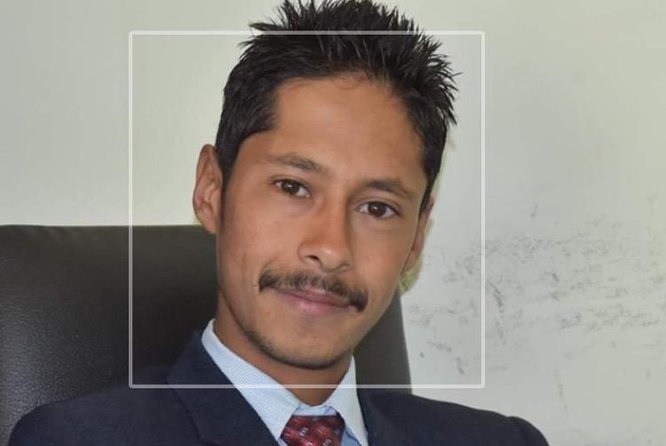
You’re told the duration is about 5 days, but the important truth is that your guide can run the trek to your chosen number of days. With that in mind, here’s the practical rhythm you should expect if you land on a typical 5-day plan.
Day 1: Meet your guide and set up for the trail
The meeting time is 8:00 am, and a pickup is offered. You’ll confirm the trek option your guide recommended and make sure your gear is ready. This is also where you’ll get your trekking poles, sleeping bag, poncho, and head lamp. If your group needs to adjust your plan based on fitness or comfort, this is usually the time to do it.
Day 2 to Day 4: Trekking days with tea-house nights
On these days, you’re moving through the Annapurna region trails with lodging arranged in tea houses. The guide’s job is to keep the logistics flowing: selecting the next day’s walking plan and making sure you have a place to sleep. If rain comes in, your waterproof poncho and head lamp help you keep your footing and manage visibility after dusk.
One practical reality to keep in mind: Himalayan treks often feel slower than you expect. Even if the route is not technical, you’ll be climbing, descending, and working with altitude. The guide’s ability to calibrate pace should help your group stay comfortable enough to enjoy the views.
Day 5: Wrap up your chosen trekking time
If you booked closer to the 5-day window, day five is your final trekking day. Your guide should handle the plan for how you end your trek based on your route choice and pickup or transport needs. Since the operator says transport and permits can be included in a full package booking, it’s worth clarifying what parts are covered for your specific booking style.
Photography support that adds value without slowing you down
I love when a guide adds something useful rather than forcing a rigid activity. Here, your guide is also a trekking guide trainer from Nepal’s Ministry of Tourism, and they’re described as a scenery photographer. That means photography is not an afterthought.
You get binoculars and a Canon 5D Mark IV carried by the guide. In practical terms, that can help with:
- spotting viewpoints early
- finding good angles without stopping for long stretches
- getting better mountain framing opportunities
The key is balance. A good photo-focused guide does not treat your trek like a photo shoot where you never move. Instead, they help you notice what’s worth capturing while keeping the day on track. If your group cares about photos, ask the guide how they like to work photos into breaks.
Safety approach and equipment prep for changing mountain weather
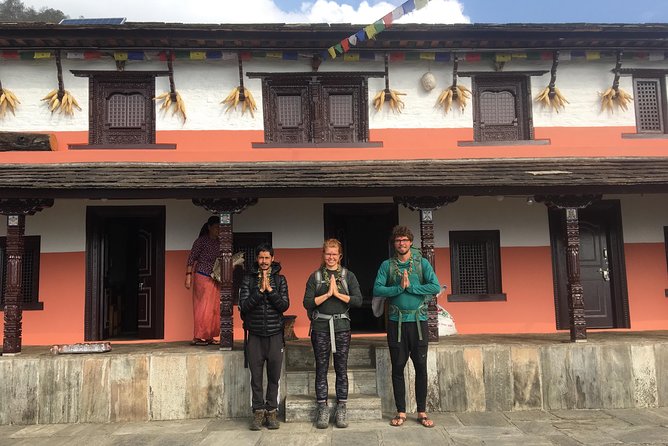
The operator says the guide gets prepared to the highest extent possible for safety. While no trek is risk-free, that statement is backed up by the included gear list: waterproof ponchos, head lamps, poles, and a sleeping bag all help reduce common trekking problems.
Also, the experience is described as requiring moderate physical fitness. That’s a good sign for matching expectations. You should be comfortable with daily walking and basic climbs and descents, even if you’re not an elite hiker.
A final note: the experience requires good weather. If it’s canceled due to poor weather, you’re offered a different date or a full refund. That’s especially important in Nepal, where storms can turn trail plans into a safety issue quickly. If your schedule is tight, choose buffer time around your trek days so you have flexibility if weather forces a shift.
Who should book this independent guide in Pokhara
This setup is a strong fit if you:
- want a private trek rather than a large group
- like the idea of a guide who matches the trek to your ability and preferences
- care about having permits and tea-house logistics organized
- appreciate having trekking essentials provided (especially rain protection and night visibility)
- are traveling in a group of up to 8, where the per-day group rate can feel like good value
It may be less ideal if you:
- only want to pay a small single amount for everything and dislike that price can be per day
- don’t want to think about meal and lodging planning unless you book the full package
- need a super low-activity, no-walking trip, since moderate fitness is expected
Should you book this Pokhara trekking guide?
If you’re planning to trek in the Annapurna region and you’d rather spend your energy on the trail than on logistics, I’d lean toward booking. The combination of private guiding, permit and tea-house coordination, and included trekking gear reduces a lot of friction. Add the photo-focused touches like binoculars and the Canon 5D kit, and you get more than just directions.
My one caution is budgeting: the $50 figure is for 1 day only, not automatically the full trek. If you want predictable costs, push toward the full package option described in the details so meals, accommodations, transport, and permits are bundled. Do that, and you’ll likely feel what this service is aiming for: less hassle, more Himalayan time.
FAQ
What time does the trekking guide meet you in Pokhara?
The start time is 8:00 am, and pickup is offered.
How much does the guide cost?
The price is $50.00 per group (up to 8). The info provided also says the price is payment for 1 day only, not the whole trek.
Is the trek duration fixed?
The experience is listed at about 5 days, but the guide says trekking days will be your choice, and you can book a trek and later change to another one.
What does the guide provide for trekking gear?
The guide provides trekking poles, a sleeping bag, pair of rain ponchos (described as 100% waterproof), and a head lamp.
What’s included if I book only the guide?
The included items list an English speaking professional trekking guide, plus food, accommodation, and insurance for the guide. Foods and accommodations for you are listed as not included unless you book a full package.
Can I book a full package with permits, transport, and lodging?
Yes. The guide states you can book a full package trek that includes guide, porters, foods, accommodations, transports, and trekking permits up to a group of 50 pax (recommended).
Do I need trekking insurance, and are permits included?
Trekking insurance is not included, so you should get trekking insurance. Trekking permits, tickets, and transportation are listed as not included unless you book a full package.
Latest additions near Pokhara
- Pokhara: Pokhara Highlights Tour by Bus★ 3.6 · 10 reviews
- Discover Pokhara in Style: Private Vehicle Service with Driver★ 5.0 · 5 reviews
- Pokhara in 5 Hours: Lake, Museum, Cave, Falls & Pagoda Hill★ 4.5 · 16 reviews
- The World Peace Pagoda in Pokhara★ 4.5 · 7 reviews
- 7-Day Trek to Annapurna Base Camp from Pokhara★ 5.0 · 12 reviews
- 4 Day Mardi Himal Base Camp Trek from Pokhara★ 5.0 · 18 reviews
- Unique Easy Hiking to Foxing Hill from Pokhara★ 5.0 · 4 reviews
- World Peace Stupa Day Hike From Pokhara★ 5.0 · 4 reviews
Treks in Pokhara, compared.
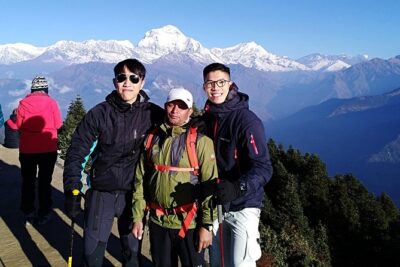
Trekking in Annapurna/Langtang/Everest/Upper Mustang regions
Read our review →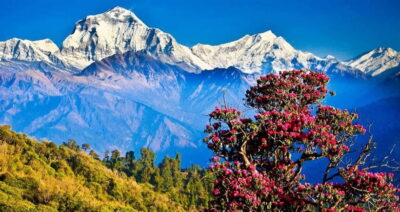
4-Day Ghorepani, Poonhill & Ghandruk Mountain Trek
Read our review →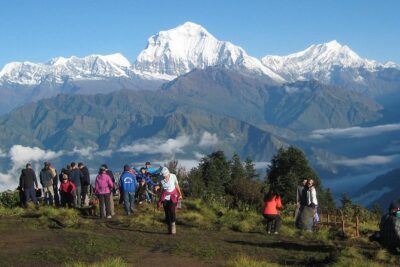
Kathmandu/Pokhara: 5-Day Annapurna Base Camp (ABC) Trek
Read our review →
Browse the lists this tour appears in