
Reviewed · HISTORICAL TOURS
Half day Tibetan cultural tour
In Pokhara, Tibetan culture feels close. This half-day tour gives you a guided look at Tibetan life in Nepal, led by Mr. Thupten Gyatso, a Tibetan native from the area, with Buddhist symbols explained in everyday terms. I like how the day balances faith, schooling, craft, and health, instead of turning it into a quick photo stop.
You’ll spend the morning at a Tibetan refugee settlement near the Pokhara Valley, with a gentle mix of walking, sightseeing, and time to talk with people. Expect a monastery visit, time in the school setting, a look at the photo gallery that shows the settlement story from the early 1960s, and a carpet workshop plus showroom. You also get a real cultural conversation through a visit to a Tibetan medical center and consultation with a Tibetan doctor, then a Tibetan lunch.
One thing to consider is logistics. Pickup and drop-off are included only around Lakeside, and there’s an extra transportation fee if your hotel is outside that area, so plan around that if you’re staying farther out.
In This Review
- Key takeaways before you go
- A 4.5-Hour Cultural Hit, Not a Quick Photo Sprint
- Tashiling Tibetan Settlement: Refuge Life and Preserved Identity
- Monastery Visit and Buddhist Symbols in Daily Life
- Tibetan Schools Inside the Settlement System
- Handmade Tibetan Carpets, Workshop Details, and the Showroom Browse
- Tibetan Medicine: Meet a Doctor and Hear Traditional Treatments Explained
- Lunch of Tibetan Momos and Thenthuk, Plus Real Dietary Options
- Price and Logistics: Is It Good Value at $61?
- Who Should Book This Tour in Pokhara
- Should you book the Tibetan Cultural Tour?
- FAQ
- How long is the Tibetan cultural tour?
- Where does pickup and drop-off happen?
- What is included in the tour price?
- What food do you get for lunch, and are there dietary options?
- Is the tour focused on Buddhist symbols and Tibetan education?
- Is there a limit on who can join?
Key takeaways before you go
- Mr. Thupten Gyatso’s guiding style ties culture to real daily life, not just facts.
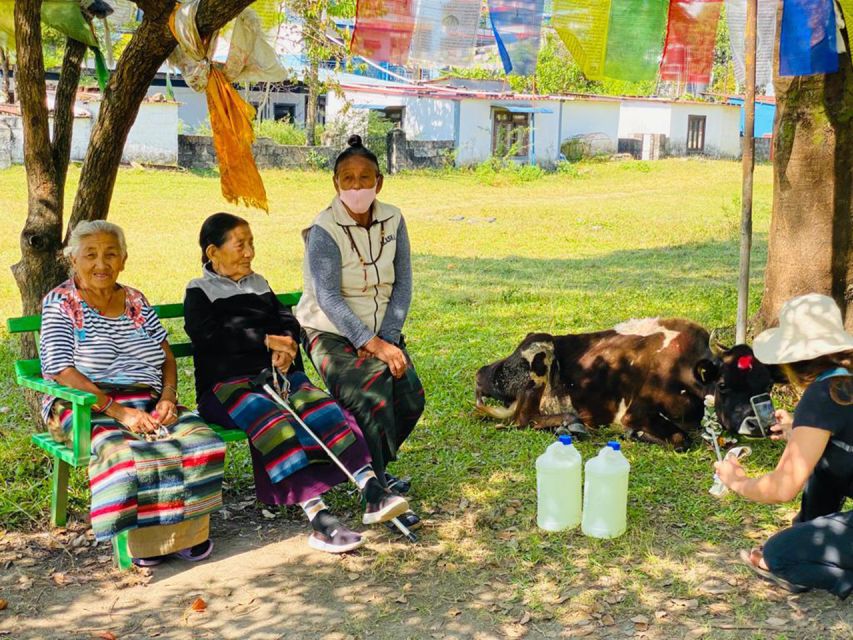
- Buddhist symbols explained in context, including prayer wheels, prayer flags, and stupas.
- Carpet making is hands-on to watch, then you can browse designs in the showroom.
- A Tibetan doctor visit makes traditional medicine feel practical and personal.
- Small group size (up to 8) keeps the experience relaxed and question-friendly.
- Lunch is part of the deal, including momos and thenthuk, with vegetarian, non-vegetarian, and gluten-free options.
A 4.5-Hour Cultural Hit, Not a Quick Photo Sprint
This tour works because it’s short, focused, and layered. In just 4.5 hours, you don’t just see Tibetan culture, you see the supporting systems around it: faith, education, traditional medicine, and craft. That matters because Tibetan culture in Nepal is not stuck in a museum. It’s lived, practiced, and taught day after day inside settlements.
I especially like the way the tour flows from everyday life to meaning. You move from settlement streets and daily routines into a monastery where symbols have purpose, then into the school environment where education keeps identity strong. After that, you shift into something tactile, like carpet making, and finish with something practical, like food and medicine. If you like understanding how people function, not just what they believe, this structure will click fast.
You’ll also enjoy the pacing. It’s not a hard hike day. There’s walking and viewing, but it’s built for learning. The group is limited to 8 participants, so it feels more like a small class than a cattle-herding operation.
More History Tours in Pokhara
- Full-Day Tibetan Cultural Tour to Tibetan Settlements Pokhara
★ 5.0 · 184 reviews - Afternoon Tibetan Cultural Tour to Tibetan Settlements Pokhara
★ 5.0 · 106 reviews - Morning Tibetan cultural tour to Tibetan settlements Pokhara
★ 5.0 · 66 reviews
Tashiling Tibetan Settlement: Refuge Life and Preserved Identity
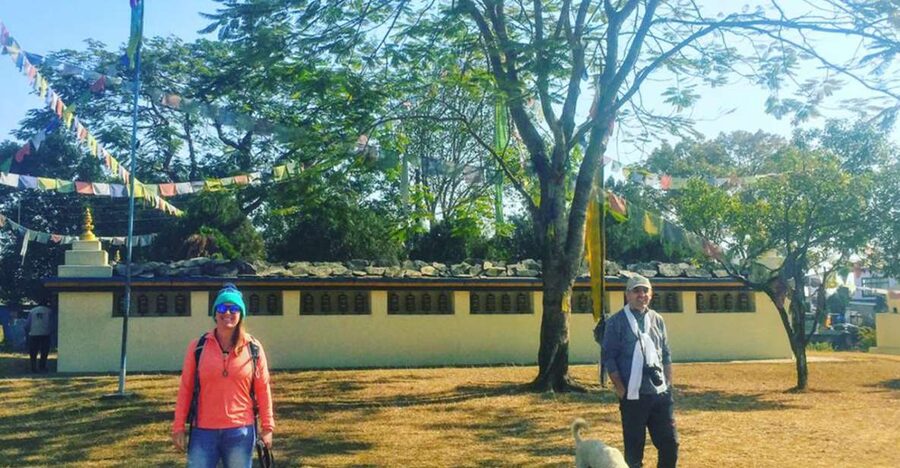
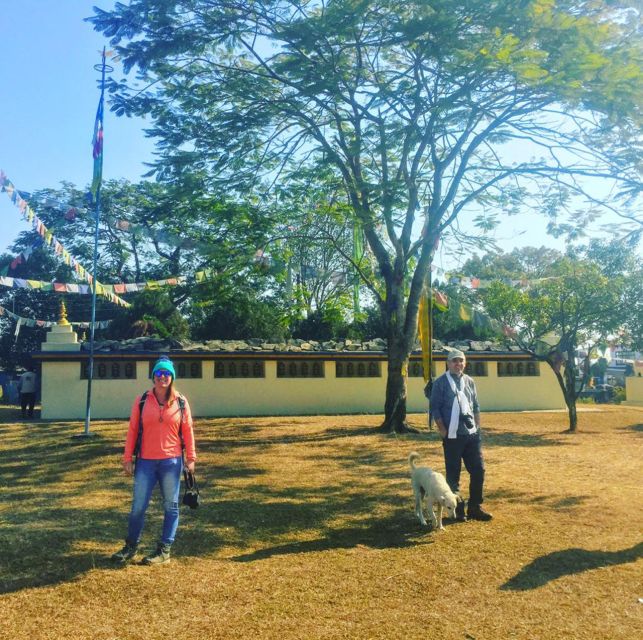
The day starts with pickup around Lakeside, then you head out to a Tibetan refugee settlement near the Pokhara Valley, in this case Tashiling. Early on, there’s a photo stop and time for coffee or tea, which sounds simple, but it’s a smart way to settle in before you start absorbing history and context.
What you’re really doing at the settlement is getting a front-row look at how Tibetan communities have maintained identity in exile. The tour includes a photo gallery showing the settlement story from the early 1960s, so you can connect what you see today with how the community began. This is the kind of background that makes later visits feel meaningful. A prayer wheel you spot in daily life, a school you tour, and a craft you watch being made all connect back to staying Tibetan, even after displacement.
You’ll also get guided walking and sightseeing, not just a single stop and run. That’s important. Settlement culture is in the small things: routines, signage, and the way people organize daily spaces. If you’re the type who likes asking questions, this stop is when your guide can answer a bunch at once.
One practical note: this is a cultural walking tour, not a “sit in air conditioning” experience. Wear comfortable shoes. And if you’re sensitive to dust or sun, bring something light for the route.
Monastery Visit and Buddhist Symbols in Daily Life
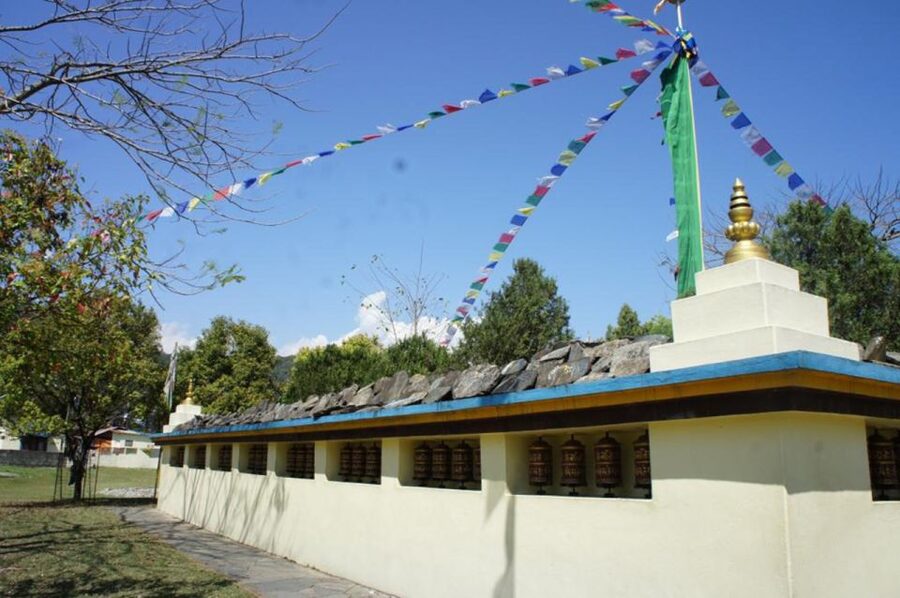
A highlight here is the monastery stop, where you learn how Buddhist symbols function beyond artwork. You’re not only told what prayer items look like. You’re guided through the meanings of things that often show up around settlements: prayer wheels, prayer flags, stupas, and other signs linked to practice.
This is where the tour earns its cultural value. If you’ve ever seen Buddhist symbols on photos and wondered what they actually mean, this is the kind of explanation that helps you read the environment correctly. You start noticing patterns, placement, and the everyday logic of religious practice.
You’ll also learn about monastery life and monks’ roles as part of the broader community. That shift, from “religion as decoration” to “religion as daily structure,” is exactly why this tour feels more educational than sightseeing-only tours.
Tibetan Schools Inside the Settlement System
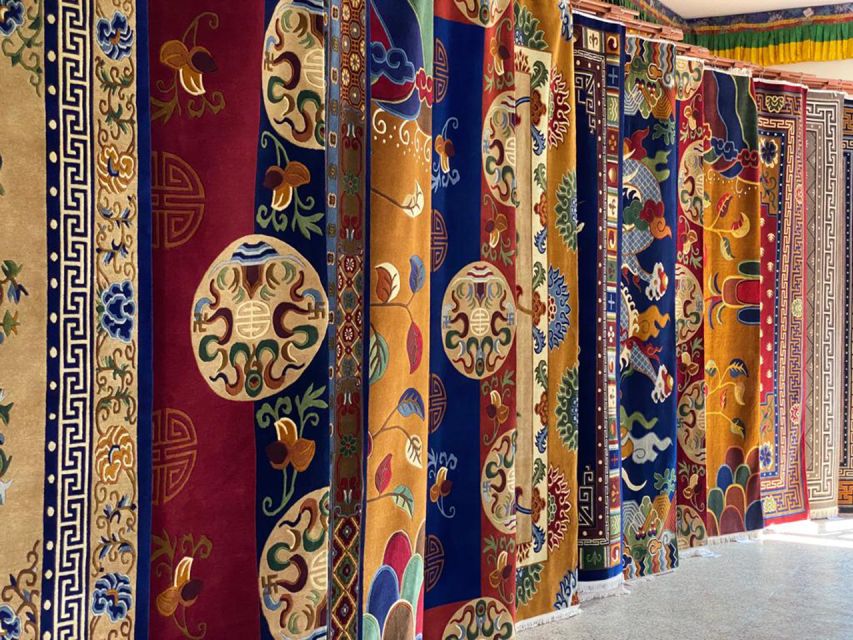
Another stop that’s easy to underestimate is the school component. The tour includes exploring Tibetan schools and the educational system inside the settlements. This is valuable because education is one of the strongest tools a community has for preserving language, traditions, and identity.
Even in just a short half-day format, you get enough framing to understand the stakes. When you’re learning in exile, school isn’t only academics. It becomes cultural continuity. You can see how teaching supports belonging.
If you’re traveling with family and are curious about how communities keep culture alive, this portion adds depth. Adults often leave thinking about identity in a more practical way, not just as a sentiment.
Another way to spend the time in Nepal:
- ZipFlyer Nepal – The World’s Steepest Zip-line
★ 5.0 · 608 reviews - Bungee Pokhara by HighGround Adventures
★ 5.0 · 366 reviews - From Pokhara: Sarangkot Sunrise Himalayas Tour
★ 4.7 · 218 reviews - ATV Adventure Tour in Pokhara, Nepal
★ 5.0 · 194 reviews
Handmade Tibetan Carpets, Workshop Details, and the Showroom Browse
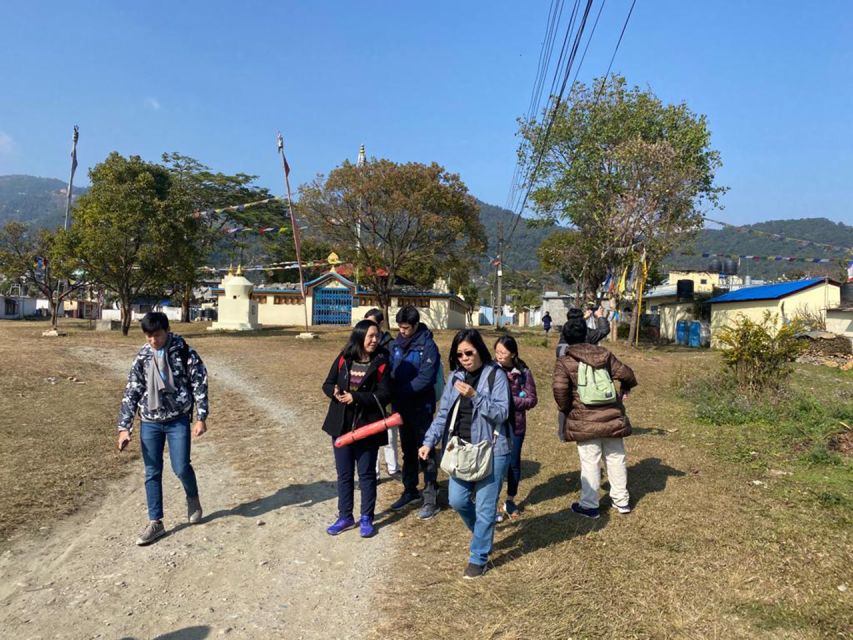
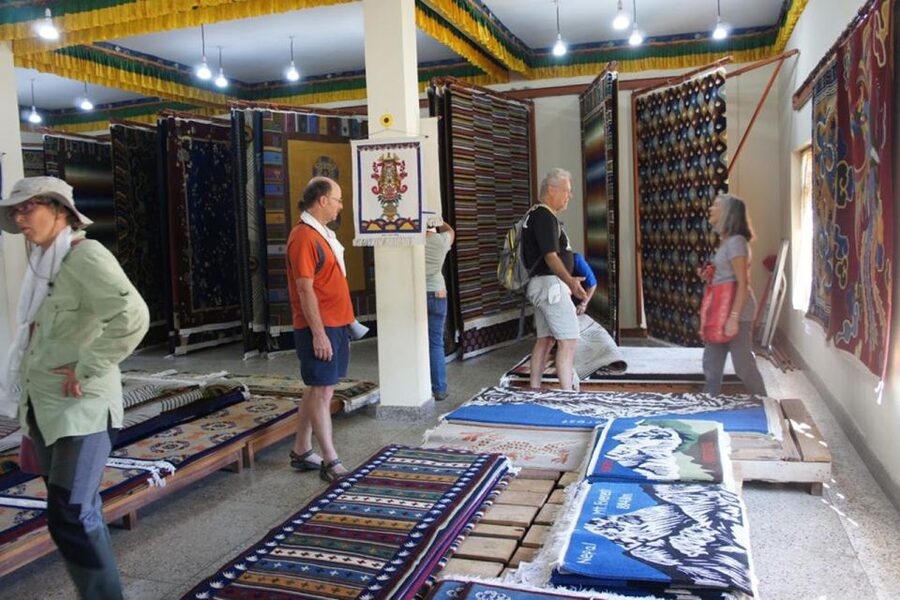
Next up is the craft side, with a visit to a carpet workshop and then a carpet showroom. Watching the process matters because it turns “nice souvenir” into “real work.” You see handmade carpet production step by step and learn what goes into it, from the care of the process to the design choices you can spot later.
Carpet culture in Tibetan contexts can be hard to understand just from a sales pitch. This tour avoids that by giving you a foundation: you watch and learn what you’re looking at before you browse. When you step into the showroom afterward, you’re not scanning randomly. You’re noticing design differences with better context.
This is also a good opportunity to take your time. If you want a smaller, practical keepsake, you can compare designs and colors. If you’re serious about textiles, you’ll likely enjoy asking questions about craftsmanship and what makes certain pieces distinct.
If you’re trying to avoid shopping pressure, just remember you can browse at your own pace. The value of the workshop visit is the learning, even if you don’t buy.
Tibetan Medicine: Meet a Doctor and Hear Traditional Treatments Explained
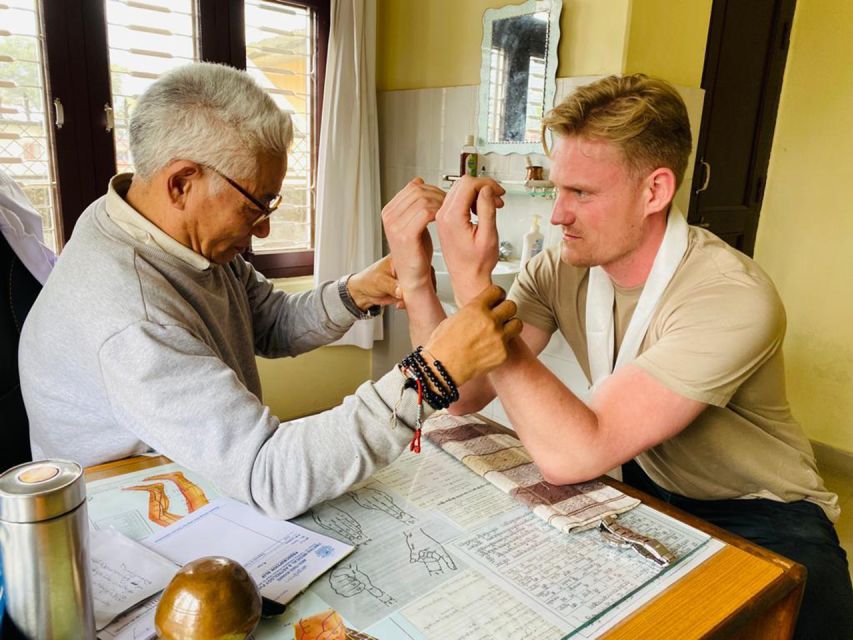
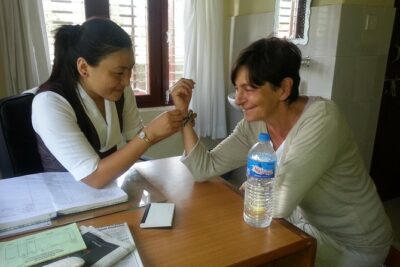
One of the most memorable pieces is the visit to the Tibetan medical center and a consultation with a Tibetan doctor. This is not treated like a magic show. You learn basic knowledge about Tibetan medicine and how treatments are approached.
The tour also includes first-hand experience with medical check-ups from the doctor. That personal angle is what makes this section stand out. It’s easy to learn about traditional practices from books, but it’s different when a doctor explains what they’re looking for and how they think about treatment.
If you’re curious about alternative medicine, you’ll likely appreciate how grounded this seems in routine care. If you’re more skeptical, you’ll still benefit from hearing how another medical tradition is practiced and discussed in real settings.
A small planning tip: this part can be emotionally intense, because it’s health-focused and personal. Give yourself a calm mood for the consultation and ask questions if you have them.
Lunch of Tibetan Momos and Thenthuk, Plus Real Dietary Options
By the time you sit down for lunch, the day feels complete. You’ll enjoy authentic Tibetan food at a local Tibetan restaurant, with momos and thenthuk (a nourishing soup made with freshly kneaded dough, meat, and vegetables). Vegetarian and non-vegetarian options are available.
What I like is that the tour doesn’t just promise food. It gives you specifics, so you can anticipate what you’ll taste. You’ll also hear explanations about Tibetan cuisine, which helps you understand why these dishes matter in daily life.
Dietary needs are also handled with clear options. There’s a gluten-free approach that includes plain rice and vegetable curry. If you have dietary restrictions, it’s worth checking with the provider in advance so you get the right meal without last-minute stress.
And yes, the drinks are included too, including mineral water, fresh juice, and tea or coffee. For a half-day tour, that’s a solid value add.
Price and Logistics: Is It Good Value at $61?
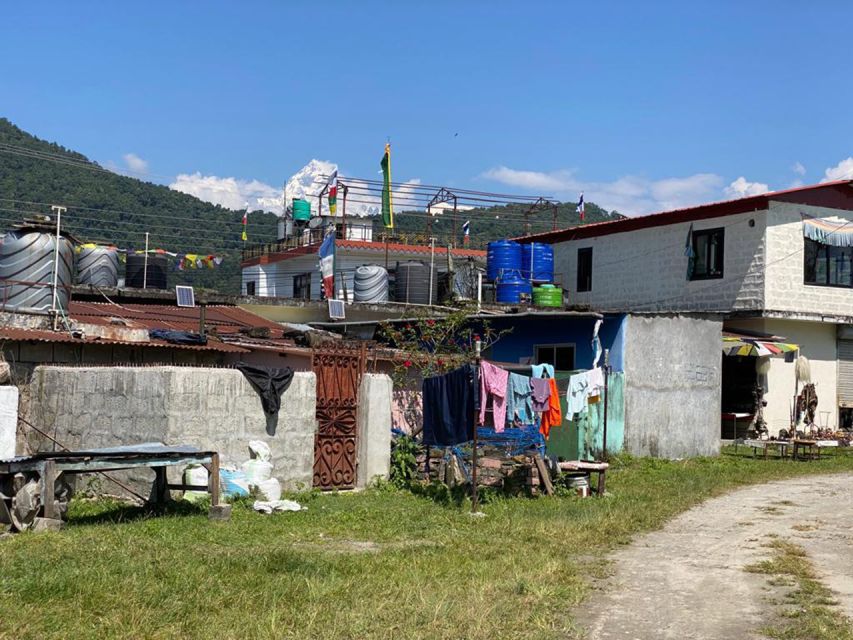
At $61 per person for a half-day, the price makes sense if you look at what’s included. You’re paying for more than transport and a guide. The ticket covers guided visits across a settlement area, a monastery visit, a carpet workshop plus showroom time, the photo gallery history component, and the Tibetan medical center consultation with a doctor. Lunch is included along with drinks.
For many cultural tours in Pokhara, you might get one or two of these, not all of them in one smooth half-day window. Here, the structure gives you multiple lenses on Tibetan life: belief, learning, craft, health, and food. That mix is the real value.
Logistics are the main consideration. Pickup and drop-off are included around Lakeside. If your hotel is outside that zone, you’ll pay an extra transportation fee depending on location. Before you book, it’s worth confirming your pick-up area so there are no surprises.
The other practical point is timing. A 4.5-hour tour means you’ll see a lot, but you won’t have unlimited time to linger in every place. If you prefer slow travel where you read every sign for an hour, this tour might feel a bit scheduled.
Who Should Book This Tour in Pokhara
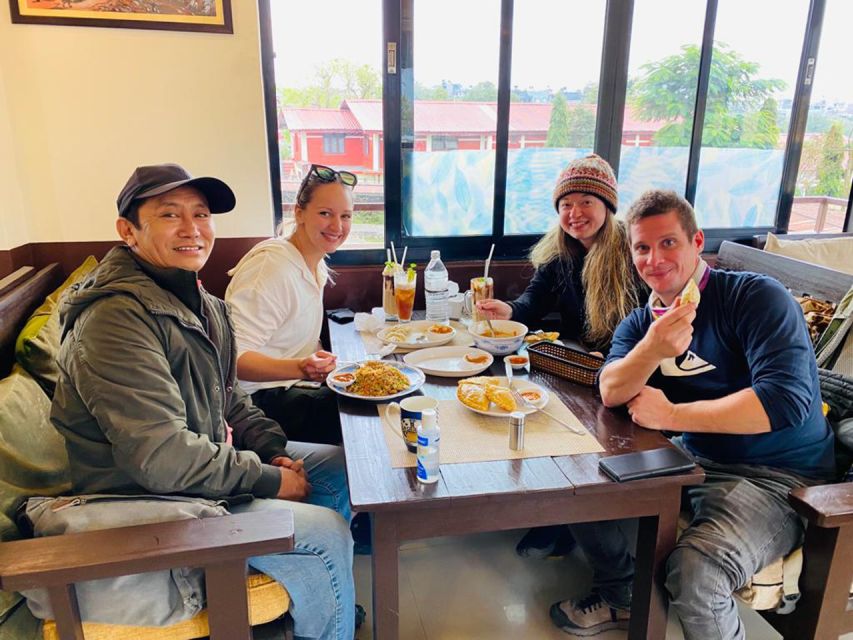
This experience is a great match if you want cultural context, not just sights. It’s especially good for you if:
- you’re curious about how Tibetan refugees maintain language and identity in Nepal
- you like learning the meaning behind religious symbols you see around settlements
- you want a guided look at craft and daily life, including carpet making
- you’re interested in Tibetan medicine and the idea of consultation-based care
- you appreciate small groups and a conversational guide style
It’s not a fit for every traveler. It’s not suitable for children under 5, and it isn’t designed for wheelchair users based on what’s stated.
Should you book the Tibetan Cultural Tour?
If your goal is a compact, meaningful introduction to Tibetan culture in Nepal, I’d say yes. The combination of a settlement visit, monastery symbols, Tibetan school learning, carpet craft, and a doctor consultation gives you a rare breadth for a half-day. Plus, the included Tibetan lunch is not an afterthought, it’s part of the story.
If you’re staying outside Lakeside, check the extra transportation cost before committing. And if you hate short schedules, consider whether a 4.5-hour format is your style.
Done right, this tour leaves you with more than photos. You leave with a clearer way to interpret what you’ll see in Tibetan communities around Pokhara.
FAQ
How long is the Tibetan cultural tour?
The tour duration is 4.5 hours.
Where does pickup and drop-off happen?
Pickup and drop-off are included around Lakeside area. If your hotel is outside Lakeside, an additional transportation fee applies depending on your hotel location.
What is included in the tour price?
You get a Tibetan tour guide, round-trip pickup and drop-off around Lakeside, visits to a Tibetan refugee settlement, a Buddhist monastery, a carpet workshop and showroom, a photo gallery about the refugee history, a Tibetan medical center with consultation from a Tibetan doctor, and lunch at a local Tibetan restaurant, plus mineral water and tea/coffee (and fresh juice).
What food do you get for lunch, and are there dietary options?
Lunch includes Tibetan momos and thenthuk, with both vegetarian and non-vegetarian options available. Gluten-free food options are also offered, including plain rice and vegetable curry.
Is the tour focused on Buddhist symbols and Tibetan education?
Yes. The tour includes learning the meanings of Buddhist signs and symbols during a monastery visit, and it also includes Tibetan schools and their educational system inside the settlements.
Is there a limit on who can join?
Children under 5 years are not suitable, and the tour is not suitable for wheelchair users. The tour is offered in English, and the group is limited to 8 participants.
Latest additions near Pokhara
- Pokhara: Pokhara Highlights Tour by Bus★ 3.6 · 10 reviews
- Discover Pokhara in Style: Private Vehicle Service with Driver★ 5.0 · 5 reviews
- Pokhara in 5 Hours: Lake, Museum, Cave, Falls & Pagoda Hill★ 4.5 · 16 reviews
- 4 Day Mardi Himal Base Camp Trek from Pokhara★ 5.0 · 18 reviews
- The World Peace Pagoda in Pokhara★ 4.5 · 7 reviews
- 7-Day Trek to Annapurna Base Camp from Pokhara★ 5.0 · 12 reviews
- Unique Easy Hiking to Foxing Hill from Pokhara★ 5.0 · 4 reviews
- World Peace Stupa Day Hike From Pokhara★ 5.0 · 4 reviews
Historical Tours, compared.
Private Kathmandu Sightseeing Tour | UNESCO World Heritage sites
Read our review →
Full-Day Tibetan Cultural Tour to Tibetan Settlements Pokhara
Read our review →
Nepal Discovery Tour: Heritage Sites & Scenic Hill Easy Hike
Read our review →
Kathmandu Private Sightseeing Tour | UNESCO World Heritage Sites
Read our review →
Afternoon Tibetan Cultural Tour to Tibetan Settlements Pokhara
Read our review →

Nagarkot Sunrise & Bhaktapur UNESCO Heritage Private Tour
Read our review →Browse the lists this tour appears in