
Reviewed · HISTORICAL TOURS
Morning Tibetan cultural tour to Tibetan settlements Pokhara
Tibetan life in Pokhara starts early. This morning tour takes you through Jangchub Choeling Tibetan Buddhist Monastery and several Tibetan community stops, with the guide Mr. Thupten Gyatso connecting culture, religion, and refugee life in a way that feels practical, not textbook. I especially like the small-group size (up to 15) and the hands-on feel of meeting people and seeing daily routines up close. The main drawback is the very early departure, 5:30 a.m., so if you hate mornings, plan your night well.
You get a full 8 to 9 hours that’s structured like a gentle walking and visiting day, not a frantic hit list. You’ll eat a real local lunch (including momos and thukpa), plus you’ll have a chance to experience Tibetan food at a local home. One thing to consider: this tour runs in all weather, so bring layers and rain protection, even if skies look fine.
In This Review
- Key Points Before You Go
- Why This Morning Tibetan Tour Works in Pokhara
- Price and Value: What You Get for $85
- Your 5:30 a.m. Start, and How to Prepare
- Stop 1: Jangchub Choeling Tibetan Buddhist Monastery
- Stop 2: Tashi Palkhel Tibetan Settlement and a Home-Style Food Taste
- Stop 3: Pema Ts’al Sakya Monastic Institute and a Young Monk’s Perspective
- Stop 4: Shree Gaden Dhargay Ling Monastery and the Meaning of Symbols
- Stop 5: Tashi Ling Tibetan Village Walk, Schools, and Daily Life
- Lunch: Momos and Thukpa That Keep the Day Grounded
- Small Group Size and the Guide Style That Drives Reviews
- Weather, Timing, and Comfort Tips
- Who This Tour Is Best For
- Should You Book This Tour?
- FAQ
- What time does the morning tour depart?
- How long is the Tibetan cultural tour in Pokhara?
- Where in Pokhara does the tour take place?
- What is included in the price?
- Is lunch provided during the tour?
- Are there dietary options?
- What are the main stops on the tour?
- Do I need to pay admission fees for the stops?
- How big is the group?
- What is the cancellation policy?
Key Points Before You Go
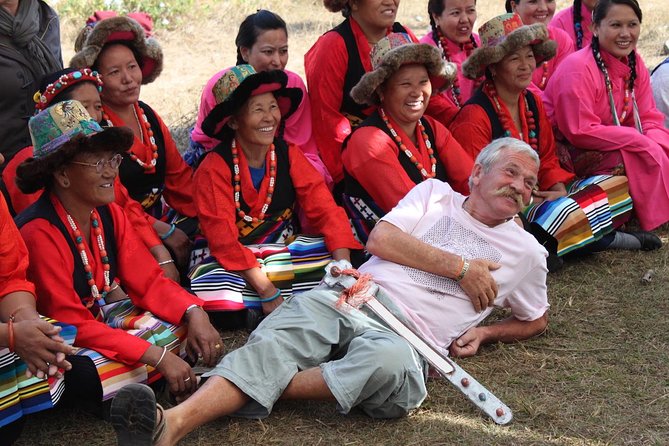
- Mr. Thupten Gyatso guides you through Tibetan culture, religion, and refugee life in Nepal
- Small group max 15 means you get more direct attention and time for questions
- Hotel transfers included with pickup offered for an easy start at 5:30 a.m.
- Monastery + settlement + village stops show religion and everyday life side by side
- Lunch includes momos and thukpa, with vegetarian/non-vegetarian and gluten-free options
- Free admission tickets are listed for each major stop, so your budget stays predictable
Why This Morning Tibetan Tour Works in Pokhara
Pokhara is famous for lakes and trekking routes, but it also has a quieter side: a sizable Tibetan community living with the rhythms of daily life and the care of their traditions. This tour is a good way to see that side without needing to research on your own.
What makes it work is the mix of places. You do not just stand outside big buildings. You visit a monastery first, then you move into settlement and village settings where you can better connect religion with routine. You also get a lunch that tastes like the place, not like a tourist-only cafeteria.
You’re also starting at 5:30 a.m., which sounds brutal until you remember how many religious sites are simply calmer in the morning. The day feels more like a conversation than a rush. If you like travel that helps you understand how communities function, not just what they look like, this fits your style.
Still, the early start is real. If you are coming off late nightlife plans in Lakeside, you’ll feel it. I’d set an alarm, keep expectations simple, and treat the day like a cultural sampler you can actually process.
More History Tours in Pokhara
- Full-Day Tibetan Cultural Tour to Tibetan Settlements Pokhara
★ 5.0 · 184 reviews - Afternoon Tibetan Cultural Tour to Tibetan Settlements Pokhara
★ 5.0 · 106 reviews - Afternoon Tibetan cultural tour
★ 5.0 · 41 reviews
Price and Value: What You Get for $85
At $85 per person, you’re paying for a full morning-to-early-afternoon program: guided visits, a structured route, lunch, and hotel transfers. The big value play here is that the tour includes transportation from your hotel area, and the visit stops include admission tickets listed as free.
Duration matters with cultural tours. 8 to 9 hours is long enough to avoid the feeling that you only touched the surface, especially because stop 5 runs about 4 hours. Many short tours cram in a lot and leave no time for questions. Here, you actually have time to ask what you want and get answers in context.
You also get dietary options: vegetarian and non-vegetarian, plus gluten-free food is served. That matters because food is often where cultural tours either become complicated or where you lose comfort. If you have dietary needs, this tour is set up to handle them.
Where cost can feel tricky is if you are staying far from pickup areas or you end up paying extra for private transport to make the start time work. Since hotel transfers are included and the activity is near public transportation, you’re usually covered either way. Just make sure you share your hotel details at booking so pickup is smooth.
Your 5:30 a.m. Start, and How to Prepare
You’ll depart at 5:30 a.m. and you should expect a long, active day. That means practical prep beats gear perfection.
Bring:
- A light layer you can remove later, and a warmer layer for early hours
- Rain protection, since the tour operates in all weather conditions
- Water (there’s lunch built in, but mornings can be dry and busy)
- Comfortable shoes for walking around villages and settlement areas
Dressing matters in monasteries. The tour includes multiple Buddhist sites, and it’s a respectful setting where modest, clean clothing usually makes things easier.
Also, keep your brain in question mode. This type of tour is best when you ask simple things like:
- How does daily life connect to religious practice?
- What do certain symbols mean in everyday routines?
- How do people maintain culture after displacement?
With Mr. Thupten Gyatso leading, the day is built for that back-and-forth.
Stop 1: Jangchub Choeling Tibetan Buddhist Monastery
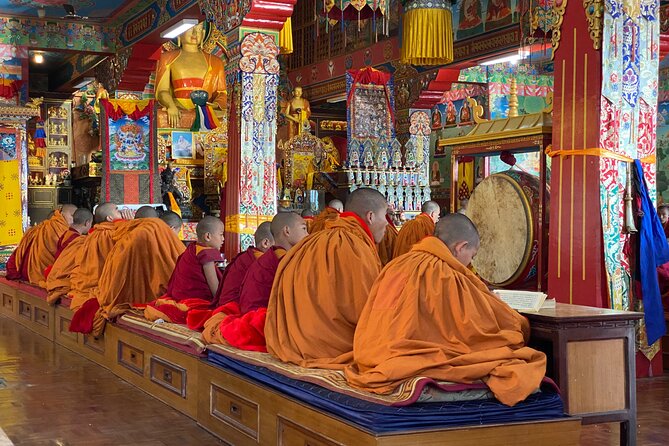
Your first major stop is Jangchub Choeling Tibetan Buddhist Monastery, lasting about 1 hour. This is your foundation stop. It sets the tone for the rest of the morning by giving you core context for Tibetan Buddhism and why these monasteries are more than sightseeing.
What you’re looking for here is understanding the logic of the place. Buddhist architecture, prayer practices, and the way visitors behave all reflect deeper ideas about community and discipline. Even if you know nothing about Buddhism beforehand, starting here helps you avoid feeling lost at the later symbols and daily-life stops.
One practical benefit: the earlier you go, the easier it is to stay focused. Morning visits are less hectic, so you can hear explanations without the constant “look around, keep moving” pressure.
A small consideration: an hour can fly by if you’re not asking questions. If something catches your eye, speak up. This tour is designed for interaction, and the guide’s role is to translate culture into something you can understand quickly.
Another way to spend the time in Nepal:
- ZipFlyer Nepal – The World’s Steepest Zip-line
★ 5.0 · 608 reviews - Bungee Pokhara by HighGround Adventures
★ 5.0 · 366 reviews - From Pokhara: Sarangkot Sunrise Himalayas Tour
★ 4.7 · 218 reviews - ATV Adventure Tour in Pokhara, Nepal
★ 5.0 · 194 reviews
Stop 2: Tashi Palkhel Tibetan Settlement and a Home-Style Food Taste
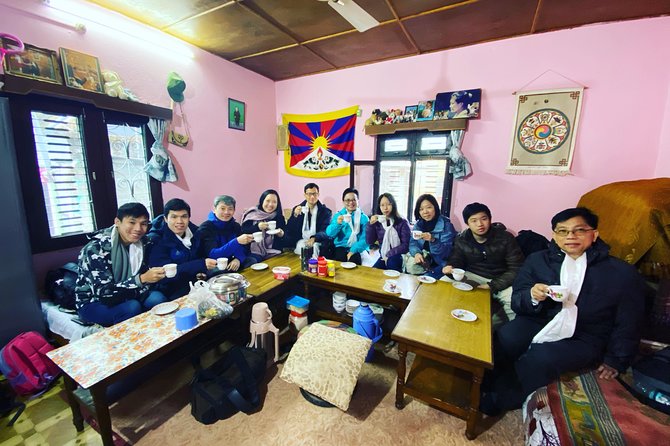
Next is Tashi Palkhel Tibetan Settlement for about 1 hour. This is where the tour shifts from religious context to lived culture.
You get a chance to visit a local Tibetan family and taste Tibetan food in a home setting. The experience is described as featuring breakfast with a Tibetan food taste, guided by Mr. Thupten, who introduces what you’re seeing and why it matters.
This stop is valuable because it’s not just a meal. It’s a cultural bridge. Food is often a fastest route into understanding everyday values, comfort, and community. Even if you’re not able to pronounce everything on the menu, you can recognize the warmth of a home-style welcome.
What to watch for: home settings can be casual, but they still deserve respect. Follow the guide’s cues, keep your questions thoughtful, and go slow with photos if people seem to be in the middle of family routine.
Also, since dietary needs are supported, tell the team clearly if you need vegetarian, non-vegetarian, or gluten-free food. A home meal can still be adapted when organizers plan ahead, and this tour explicitly offers options.
Stop 3: Pema Ts’al Sakya Monastic Institute and a Young Monk’s Perspective
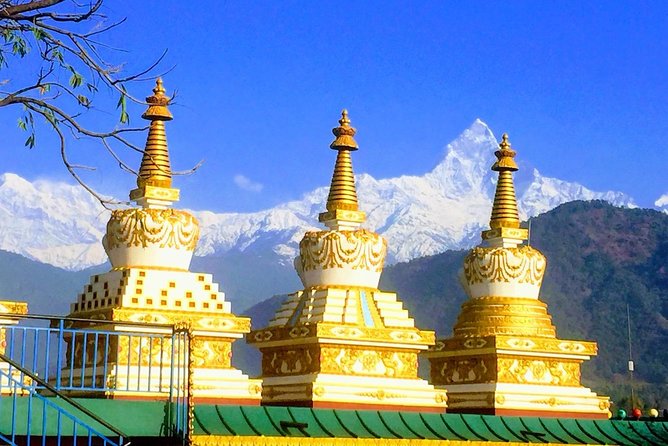
Then you move to the Pema Ts’al Sakya Monastic Institute for about 1 hour. Here, the experience gets more personal. You’ll visit a Buddhist monastery and meet with a young monk who is eager to share insights into monastic life and education.
This is one of the stops where the tour’s small-group setup becomes a real advantage. When you can ask questions directly, you learn faster. You also get a better sense of what education looks like in a monastic setting, and how daily routines connect to belief.
The institute setting also gives you contrast. You already saw the monastery atmosphere at Jangchub Choeling. Now you’re seeing another angle, with education and youth emphasized. That combination helps you understand Tibetan Buddhism as something lived and taught, not just ritual performed in silence.
A practical consideration: ask open, respectful questions. If you’re unsure what to ask, you can start with simple topics like:
- what a typical day feels like
- how monks learn
- what students find most important
The guide can also help translate your questions so you get answers that actually fit what you’re curious about.
Stop 4: Shree Gaden Dhargay Ling Monastery and the Meaning of Symbols

Stop 4 is Shree Gaden Dhargay Ling Monastery for about 45 minutes. This shorter stop still packs useful learning because it focuses on Buddhist signs and symbols that show up in daily life.
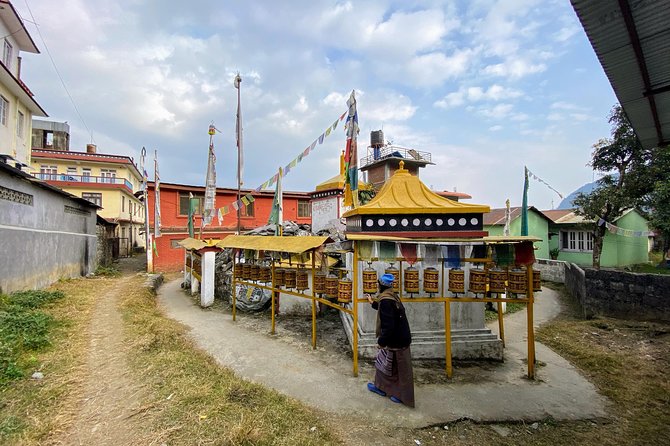
You learn meanings behind items and practices like prayer wheels, prayer flags, and stupas. The goal here is not to memorize a list. It’s to understand why these things are everywhere and what they’re doing for practitioners day after day.
This is a great stop for people who like to look closely. Once someone explains what you are seeing, you notice details you would otherwise walk right past. Prayer flags, for example, can look like decoration, until you understand their purpose. Prayer wheels can seem like objects you spin for luck, until you understand the idea behind repetition and devotion.
The time is tight at 45 minutes, so keep your attention sharp. If symbols are your focus, this is the moment to ask about the ones you spot.
Stop 5: Tashi Ling Tibetan Village Walk, Schools, and Daily Life
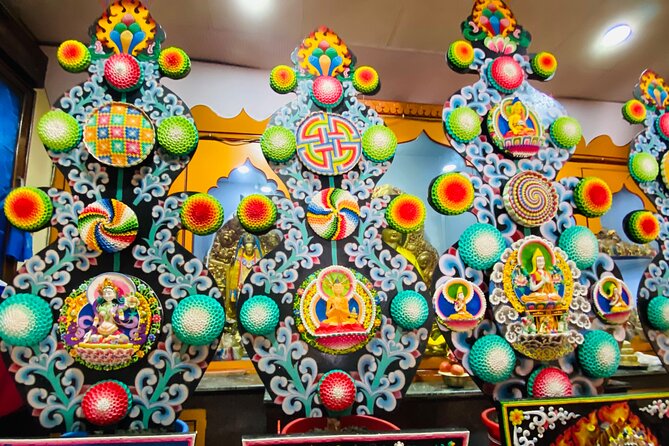
The final stop is the long one: Tashi Ling Tibetan Village for about 4 hours. This is where you get to slow down and watch life happen.
The tour includes walking around the village to see daily routines, plus time to explore Tibetan schools. You’re not just touring buildings. You’re trying to understand how families, learning, and community spaces connect.
Why this stop is often the highlight for culture-focused travelers is simple: you can’t fake observation. When you watch how people move through a normal day, cultural understanding becomes less theoretical.
You may also find you remember things better from this stop because it’s active. You’ll likely spend more time looking, listening, and asking than in earlier monastery segments. The guide helps translate what you’re seeing so it sticks.
A practical note: four hours is a lot. Bring a snack mindset even if lunch is included, and take small pauses when needed. If it rains, the village walk might feel longer, so wear shoes that handle uneven ground.
Lunch: Momos and Thukpa That Keep the Day Grounded
Lunch is part of the experience and is specifically noted as momos and thukpa. That matters because it’s the easiest way to anchor a cultural day in real food.
Momos and thukpa are common Tibetan-influenced comfort foods, and eating them during the tour makes the culture feel immediate. You’re not just hearing about cuisine, you’re tasting it while the day’s context is fresh.
The tour also states that vegetarian and non-vegetarian food as well as gluten-free food are served. If you have dietary needs, this is one of the biggest practical wins of the tour.
If you’re sensitive to spice or specific ingredients, I’d ask your guide what’s in the dishes before you get seated. Since the lunch is planned for the group, staff can usually steer you toward the best option.
Small Group Size and the Guide Style That Drives Reviews
A major strength is the group size: maximum of 15 travelers. With that number, it’s easier to get personalized attention and keep your questions from being lost.
The guide, Mr. Thupten Gyatso, plays a central role. The tour description emphasizes that he shares information about Tibetan culture, religion, and refugee life. In practice, this type of guide helps you avoid the common problem of cultural tours where explanations are generic.
You can expect interactive moments at multiple stops. Meeting a young monk and visiting a home-based family meal are naturally conversational settings. That’s where a guide’s ability to link questions back to context becomes important.
If you like learning with conversation rather than audio guides and rigid schedules, this is the right format.
Weather, Timing, and Comfort Tips
Because it operates in all weather, plan like this could be cloudy or wet. Even if Pokhara skies look good the night before, early mornings can surprise you.
- Wear layers so you can adjust as you warm up walking
- Bring a compact rain jacket or poncho
- Don’t plan on heavy shopping right before pickup, because the day starts early and runs long
- Keep your phone charged, because you’ll want photos, but focus on respectful viewing first at religious sites
Timing is structured across five stops, with a total 8 to 9 hours. The long village segment at stop 5 can feel like the “real day” portion, while monasteries and institutes give you interpretive context.
Who This Tour Is Best For
This tour is a strong match if you:
- Want culture and history with direct explanations, not just monuments
- Like respectful, people-focused travel
- Prefer smaller groups where you can ask questions
- Are interested in Tibetan Buddhism but also want to understand modern life in Nepal
It also works well as a complement to a trekking trip. If you’re in Pokhara for hikes or viewpoints, this adds human context without demanding extra physical strain beyond walking.
If you’re traveling with kids, you might find it manageable because most travelers can participate, but the early start and multiple walking sections will be the main challenge. If you are sensitive to long mornings, plan extra rest the night before.
Should You Book This Tour?
I’d book it if you want a thoughtful morning that mixes monasteries, meals, and village life with a guide who connects the dots. The value is solid at $85 because hotel transfers and lunch are included, and the day is long enough to feel real, especially with the extended village time.
I would not book it if you can’t do early mornings or if you hate outdoor walking in changing weather. You’re also committing to a culture-focused day, so if you want mainly views and free time, you might prefer a slower Pokhara itinerary instead.
If you’re curious about Tibetan communities in Nepal, this tour gives you a clear, structured way to understand them in just one day.
FAQ
What time does the morning tour depart?
The tour departs at 05:30 a.m.
How long is the Tibetan cultural tour in Pokhara?
The experience runs about 8 to 9 hours.
Where in Pokhara does the tour take place?
The tour is based in Pokhara, Nepal, and it visits multiple Tibetan settlement and monastery sites in the area.
What is included in the price?
The price is $85.00 per person and includes features such as pickup offered and hotel transfers. Lunch is also part of the experience, including momos and thukpa.
Is lunch provided during the tour?
Yes. You’ll have lunch, with momos and thukpa mentioned.
Are there dietary options?
Yes. Vegetarian and non-vegetarian food are served, and gluten-free food is also available.
What are the main stops on the tour?
The tour includes visits to Jangchub Choeling Tibetan Buddhist Monastery, Tashi Palkhel Tibetan Settlement, Pema Ts’al Sakya Monastic Institute, Shree Gaden Dhargay Ling Monastery, and Tashi Ling Tibetan Village.
Do I need to pay admission fees for the stops?
Admission tickets are listed as free for the stops included in the itinerary.
How big is the group?
The tour has a maximum of 15 travelers.
What is the cancellation policy?
Free cancellation is available, and you can cancel up to 24 hours in advance for a full refund.
Latest additions near Pokhara
- Pokhara: Pokhara Highlights Tour by Bus★ 3.6 · 10 reviews
- Discover Pokhara in Style: Private Vehicle Service with Driver★ 5.0 · 5 reviews
- Pokhara in 5 Hours: Lake, Museum, Cave, Falls & Pagoda Hill★ 4.5 · 16 reviews
- The World Peace Pagoda in Pokhara★ 4.5 · 7 reviews
- 7-Day Trek to Annapurna Base Camp from Pokhara★ 5.0 · 12 reviews
- 4 Day Mardi Himal Base Camp Trek from Pokhara★ 5.0 · 18 reviews
- World Peace Stupa Day Hike From Pokhara★ 5.0 · 4 reviews
- Unique Easy Hiking to Foxing Hill from Pokhara★ 5.0 · 4 reviews
Historical Tours, compared.
Private Kathmandu Sightseeing Tour | UNESCO World Heritage sites
Read our review →
Full-Day Tibetan Cultural Tour to Tibetan Settlements Pokhara
Read our review →
Nepal Discovery Tour: Heritage Sites & Scenic Hill Easy Hike
Read our review →
Kathmandu Private Sightseeing Tour | UNESCO World Heritage Sites
Read our review →
Afternoon Tibetan Cultural Tour to Tibetan Settlements Pokhara
Read our review →

Nagarkot Sunrise & Bhaktapur UNESCO Heritage Private Tour
Read our review →Browse the lists this tour appears in