
Reviewed · TREKS IN POKHARA
4Nights 5Days PoonHill Trek
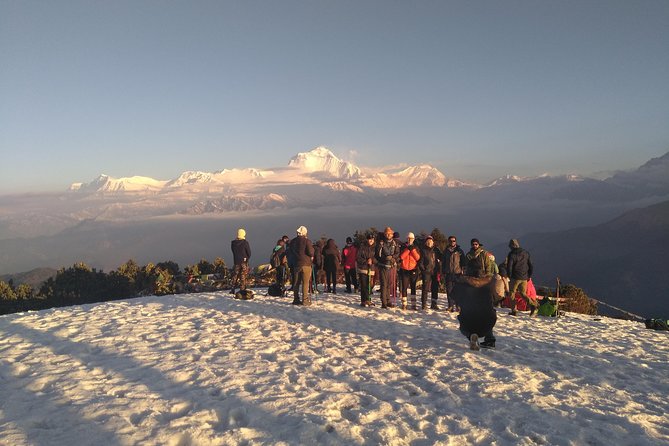
That sunrise hits hard. This 4-night, 5-day Poon Hill trek from Pokhara strings together river walks, jungle and forest sections, and village life, then pays you back with an unforgettable sunrise view from 3,210 meters.
What I especially like is the way the route keeps things human-scale. You spend real time moving through rivers, forests, and small settlements, not just racing from viewpoint to viewpoint. I also really value having Dadhi Ram Thapa, since the guiding style is careful, safety-first, and genuinely friendly, with a good sense of humor that makes early mornings feel less painful.
One consideration: meals and drinks are not included, so you’ll want to budget for food on top of the tour price. Also, even though the overall trekking is described as doable for most people, you should expect plenty of stairs at points.
In This Review
- Key highlights to know before you go
- Why Poon Hill sunrise is the reason you book this trek
- Price and logistics: what $300 covers, and what it doesn’t
- Entering the trail from Pokhara: car to Nayapul, then Ulleri’s steps
- Day two to Ghorepani: river and forest walking with mountain views
- Poon Hill sunrise: the view toward Annapurna and Dhaulagiri
- Tadapani to Jhinu Danda hot spring: steam as a reward
- Final day back to Nayapul and Pokhara Lakeside unwind
- The guide experience: Dadhi Ram Thapa makes a big difference
- Who should book this 4Nights 5Days Poon Hill trek
- Should you book it?
- FAQ
- How long is the Poon Hill trek?
- Where does the trek start and end?
- What is included in the tour price?
- Are meals included?
- Is pickup offered?
- What about group size and privacy?
- What is the cancellation policy?
Key highlights to know before you go
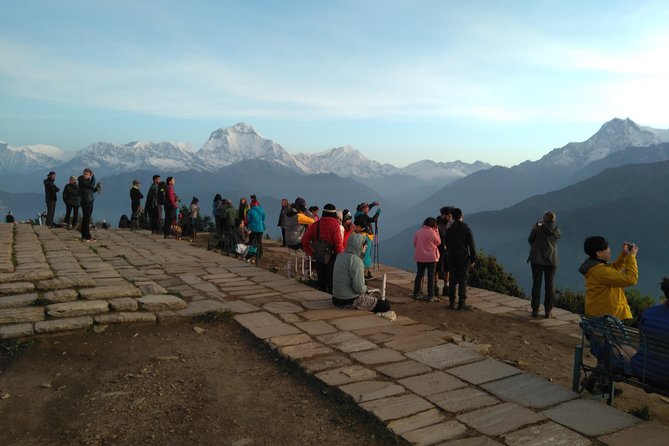
- Sunrise at Poon Hill (3,210m) with views toward the Annapurna and Dhaulagiri range
- Dadhi Ram Thapa’s guiding is described as professional, caring, and safety-minded
- Tea house accommodation keeps you close to the trail and simplifies the trip logistics
- Hot spring reset at Jhinu Danda after trekking days, including the hot spring admission
- Some stop fees are handled while others have admission listed as free, so your daily spending is simpler
Why Poon Hill sunrise is the reason you book this trek
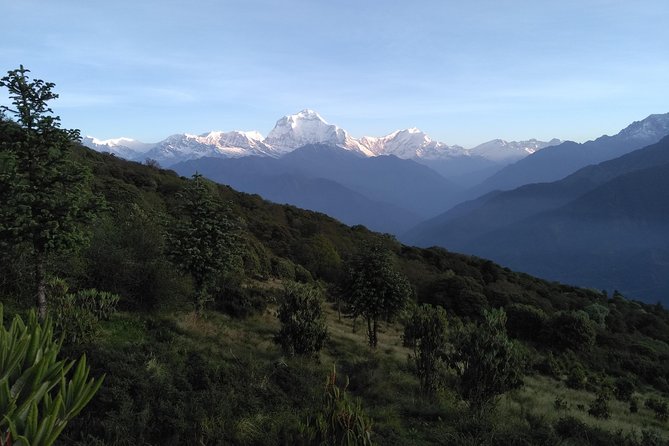
If you’re doing a Poon Hill trek, you’re doing it for the moment when the day turns on. The big promise here is sunrise from 3,210 meters, and the view is aimed at the Annapurna and Dhaulagiri range. In plain terms, it is the payoff scene you plan your sleep schedule around.
I like that the plan doesn’t try to trick you with extra hype. The sunrise is the main event on the trek’s third day, and the rest of the day is about getting you back on your feet after the morning viewing. You’ll also spend time on the trail between Ghorepani and Tadapani, so the day has flow, not just one photo stop and a return to the hotel.
Timing matters for sunrise treks. You’ll be leaving early, and you’ll feel it most in your legs and your mood before breakfast. The best part of having Dadhi Ram Thapa as your guide is that the early start feels managed, not chaotic. From what people consistently describe, he keeps the group moving safely and calmly, with enough patience to handle different walking paces.
One more practical detail: bring layers. Even if the day later warms up, sunrise at higher elevation is usually cooler, and you’ll be standing around for the best light. This is exactly the kind of trek where a light jacket and a hat pay off fast.
More Treks in Pokhara
- Poon hill Trek 3 days
★ 5.0 · 176 reviews - Trekking in Annapurna/Langtang/Everest/Upper Mustang regions
★ 5.0 · 161 reviews - Pokhara: 4-Day Ghorepani, Poonhill & Ghandruk Mountain Trek
★ 5.0 · 132 reviews
Price and logistics: what $300 covers, and what it doesn’t
At $300 per person, this trek price is trying to cover the hard parts of travel, not just a walking route. You get TIMS and permits handled, an English speaking trekking guide, private transfers, and accommodation in tea houses. Pickup is offered, and the tour also notes mobile ticket support and group discounts, which is helpful if you’re not going solo.
That inclusion list is the value story. Permits plus a guide plus transport from Pokhara to the trail area are the pieces that can turn into time-wasting headaches if you try to DIY it. Here, you can focus on the trek itself and your daily packing, rather than chasing paperwork and arranging every segment.
What’s not included is equally important. All meals and drinks are extra, as are tips. Rescue costs in an emergency are also not included, which is a standard but serious reminder to have travel insurance that covers trekking. If you usually travel light, you’ll also want to plan for how you’ll pay for food on the trail, since you won’t have those costs wrapped into the trek price.
Overall, I think this is good value if you want a guided experience that handles the basics, without paying for luxury add-ons you don’t need on this type of trek. It is the kind of price point that makes sense for a short trek where your main goal is the views, not complicated planning.
Entering the trail from Pokhara: car to Nayapul, then Ulleri’s steps
Your trekking rhythm starts on day one. First you’re driven from Pokhara to Nayapul by private car, which is a smart move because it gets you off road time and onto walking time. Once you reach Nayapul, the trek to Ulleri is listed as about 5 to 6 hours, and it’s described as passing rivers, forest, and villages.
Stop-wise, day one includes Ulleri Football Ground, with an admission ticket included. The exact ticket purpose isn’t explained, but the practical point is simple: you’re not paying out-of-pocket for that specific stop. You’re also not just walking through scenery, you’re moving through lived-in areas where trails connect daily routines.
This day is also a good “fit check.” Even if you’re in decent shape, going from car to a full hiking stretch can surprise you. I like that the route begins with a walk through river and forest, because it’s visually rewarding and mentally easier than starting with a steep grind right away.
What you should consider: day one can set your pace for the whole trek. If you go out too fast, the later stairs can feel worse. The tour structure with a guide helps here. A professional, safety-minded guide (Dadhi Ram Thapa, in this case) can nudge you toward a pace that won’t blow up your legs before sunrise.
Also, pack smart for villages. You’ll be walking through areas where you may stop more than you expect, and you’ll want essentials accessible. Water and a layer you can zip up quickly are usually the two most-used items on this kind of trek.
Day two to Ghorepani: river and forest walking with mountain views
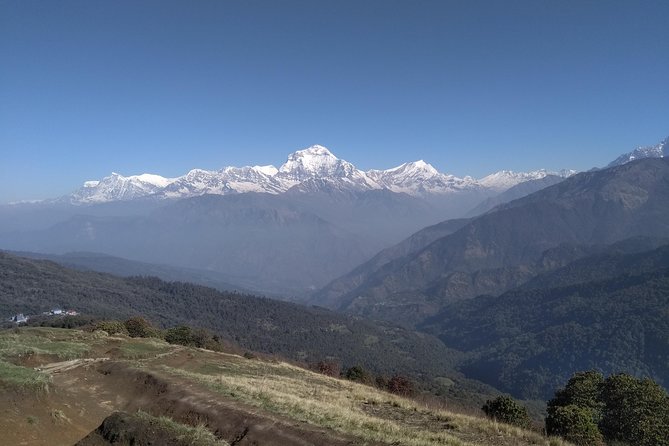
Day two shifts you from Ulleri to Ghorepani, listed at about 5 hours. This stretch is described as green forest, river scenery, and mountain views. It’s not just pretty. It’s the kind of trail that keeps your senses busy while your lungs do their job.
The listed stop is Ghorepani Community hospital, and the admission ticket there is marked as free. Again, you won’t have to budget for that stop fee, which makes the day’s spending feel less unpredictable.
What I find useful about a day like this is the way it balances effort and comfort. You’re still working, but the trail environment helps you stay relaxed. When people say the route is easy, they also mention there are lots of stairs. That matches the typical feeling on these routes, where the walking is doable but the step count adds up.
This is also when your body starts adapting to trekking pace. You’ll likely notice that you’re breathing a little harder, especially as you gain elevation toward higher viewpoints. If you’ve been on short city walks only, this is the day to slow down, drink water, and keep steady. The guide’s job includes that pacing support, and the reviews’ consistent praise for Dadhi’s care suggests he pays attention to how everyone is doing.
Even on a “not too hard” trek, the difference between enjoying the day and suffering through it can be how you handle the first two days. Day two is your setup day for sunrise.
Another way to spend the time in Nepal:
- ZipFlyer Nepal – The World’s Steepest Zip-line
★ 5.0 · 608 reviews - Bungee Pokhara by HighGround Adventures
★ 5.0 · 366 reviews - From Pokhara: Sarangkot Sunrise Himalayas Tour
★ 4.7 · 218 reviews - ATV Adventure Tour in Pokhara, Nepal
★ 5.0 · 194 reviews
Poon Hill sunrise: the view toward Annapurna and Dhaulagiri
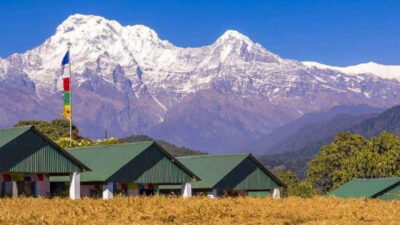
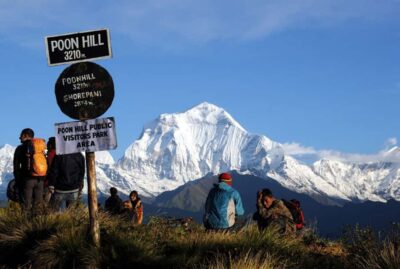
Then comes the highlight morning: early departure to Poon Hill for sunrise. This is the step in the plan that you’ll remember long after the trail dust is gone. You’re aiming for views of the Annapurna and Dhaulagiri range, and you’re doing it from the highest point noted in your tour summary, 3,210 meters.
Here’s the thing about sunrise treks: you won’t just be looking at a photo backdrop. You’ll also be managing cold air, low light, and a slow start. That’s why guidance matters. When people describe Dadhi Ram Thapa as professional and caring, it usually means he keeps the group organized, makes sure everyone stays safe on the uneven ground, and helps you enjoy the moment instead of worrying about timing or footing.
After sunrise, you trek back to Ghorepani and continue onward to Tadapani. This keeps the day from turning into a long wait. Instead of just standing around for the best light and then heading back immediately, you get both the reward and the movement.
A practical point: bring eye protection. Sunrise glare plus mountains can be bright, and a light scarf or sunglasses can make the experience more comfortable. Also, have a small plan for warmth. A cold head is the fastest way to ruin a great sunrise.
If you’re sensitive to stairs or uphill walking, this is still a good trek option because the walking is spread across multiple days and the tour is described as suitable for most travelers. But do not ignore the altitude feel. Even if this isn’t an extreme climbing trip, stepping up to 3,210 meters is enough to change how you breathe.
Tadapani to Jhinu Danda hot spring: steam as a reward
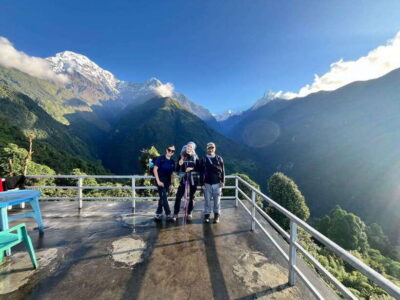
On day four, the trek goes from Tadapani to Jhinudanda, about 6 hours, with a mix of scenery including Annapurna views, Fishtail mountain views, forest, and river. That combination matters. It means you get mountain focus, not just a long walk in trees.
The stop is Jhinu Danda Hot spring, and the hot spring admission ticket is included. This is one of the best ideas on the whole schedule: it gives your legs a real reset day after trekking days that include plenty of steps. Even if you don’t consider yourself a spa person, hot spring steam after a hike is one of those simple comforts you understand instantly.
You’ll also be around forest and river settings on the way, so the day doesn’t just revolve around one viewpoint. The guide’s role is important here too. With a professional, safety-first approach, you can focus on enjoying the area rather than constantly checking your route.
Consider what hot springs typically mean for comfort planning. If you’re prone to cold, you may want a dry change of clothes ready for afterwards. If you’re the kind of person who doesn’t like crowds, go when you can and ask your guide what the timing looks like, since your group schedule is built around the trekking flow.
This day is also a reminder of why tea house treks work. You have a structured day, but you still end in a meaningful reward that isn’t just another night with a view. It’s the kind of experience that makes the whole trek feel balanced.
Final day back to Nayapul and Pokhara Lakeside unwind
Day five is when the trek wraps and you slide back toward civilization. You trek to Nayapul, then drive to Pokhara, with the full day listed as about 6 hours. The end stop is Pokhara Lakeside, and the admission ticket there is listed as free.
I like end days like this because they don’t leave you stranded with a full-day hike right before you have to return to your next plan. You get movement, fresh air, and then a clear path back to a proper meal and a real bed (depending on your onward schedule).
Also, after four nights of tea house sleeping, you’ll appreciate the mental shift. Even if you loved the trail, your body will probably welcome a softer pace. Lakeside Pokhara is a convenient way to decompress without adding extra transfers.
If you still want to move around after the trek, this is the day to do it. You’ll have a built-in “done” feeling, and you can spend time lingering over photos and shopping for small trekking souvenirs if you’re inclined. Just keep some energy reserved. You’ll likely feel pleasantly tired rather than wiped out, but long stairs add up.
The tour’s structure also helps you avoid the chaos of coordinating transport on your own. That private transfer piece matters most on day five, when you want the exit plan to be reliable.
The guide experience: Dadhi Ram Thapa makes a big difference
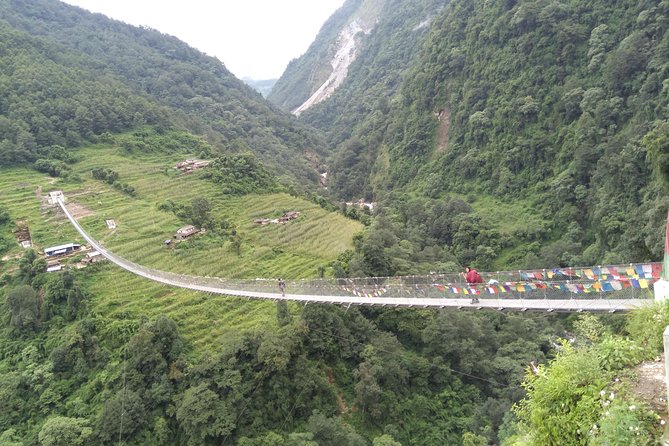
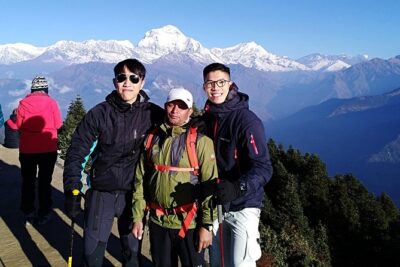
One of the strongest reasons to choose this trek is not only the scenery. It’s the people management. Dadhi Ram Thapa is highlighted repeatedly as a best-in-class guide, and the themes are consistent: professional care, attention to safety and well-being, and a calm, patient vibe that helps the group stay comfortable.
I take that seriously because Poon Hill treks can be simple, but they are still mountain walking. You’re dealing with early mornings, stairs, uneven paths, and weather shifts. A guide who cares about group safety changes your experience. Instead of just hoping your pace works, you get help adjusting it.
The reviews also mention humor and hospitality. That matters more than you’d think. When you are cold in the morning and your legs feel heavy, a light moment can keep the mood up. And when you want reassurance, patience matters too. People describe feeling safe throughout the trek, which is exactly what you want from a guide leading a group on a high-altitude sunrise mission.
If you want an experience that feels human, not mechanical, this is the right setup. You’re paying for the trail experience, but you’re also paying for guidance that helps you enjoy it.
Who should book this 4Nights 5Days Poon Hill trek
This trek fits best if you want a short, classic Annapurna region experience with real viewpoints and a manageable time commitment. It’s described as suitable for most travelers, and the route is often described as easy, with the reality check that stairs are part of the deal.
You’ll probably love it if:
- You prioritize sunrise views and don’t want a long multi-week commitment
- You want tea house accommodation instead of luxury hotels during the trekking days
- You prefer guided logistics, including permits and private transfers
- You like the idea of ending back in Pokhara rather than pushing onward immediately
You might think twice if:
- You hate early mornings, since sunrise is the main event
- You have a tight budget for food and tips, since meals and drinks are not included
- You dislike stairs. The trail is doable, but step-heavy sections are part of the experience
Should you book it?
I would book this trek if your dream trip is simple: walk through river and forest scenery, chase the sunrise at 3,210 meters over the Annapurna and Dhaulagiri range, then recharge with hot spring steam and a calm return to Pokhara. With Dadhi Ram Thapa as the guide, the experience reads as safety-first and comfortable, not just a checklist.
You should also be honest with yourself about one thing: food costs and tips are on you here. If you plan for that, you’ll find the included value adds up nicely, especially with TIMS and permits, private transfers, and tea house nights handled for you.
If you’re ready for an early start, lots of stairs, and one major sunrise moment, this is a strong choice.
FAQ
How long is the Poon Hill trek?
The tour runs for 4 nights and 5 days, with about 5 days total.
Where does the trek start and end?
The trek is based in Pokhara, with a drive from Pokhara to Nayapul at the start and a return to Pokhara after trekking back to Nayapul.
What is included in the tour price?
The tour includes TIMS and permits, private transfer, accommodation in tea house, and an English speaking trekking guide.
Are meals included?
No. All meals and drinks are not included.
Is pickup offered?
Yes, pickup is offered.
What about group size and privacy?
It is private in the sense that only your group participates.
What is the cancellation policy?
Free cancellation is available up to 24 hours in advance for a full refund. If you cancel less than 24 hours before the start time, you do not receive a refund.
Latest additions near Pokhara
- Pokhara: Pokhara Highlights Tour by Bus★ 3.6 · 10 reviews
- Discover Pokhara in Style: Private Vehicle Service with Driver★ 5.0 · 5 reviews
- Pokhara in 5 Hours: Lake, Museum, Cave, Falls & Pagoda Hill★ 4.5 · 16 reviews
- The World Peace Pagoda in Pokhara★ 4.5 · 7 reviews
- 7-Day Trek to Annapurna Base Camp from Pokhara★ 5.0 · 12 reviews
- 4 Day Mardi Himal Base Camp Trek from Pokhara★ 5.0 · 18 reviews
- Unique Easy Hiking to Foxing Hill from Pokhara★ 5.0 · 4 reviews
- World Peace Stupa Day Hike From Pokhara★ 5.0 · 4 reviews
Treks in Pokhara, compared.
Trekking in Annapurna/Langtang/Everest/Upper Mustang regions
Read our review →
4-Day Ghorepani, Poonhill & Ghandruk Mountain Trek
Read our review →
Kathmandu/Pokhara: 5-Day Annapurna Base Camp (ABC) Trek
Read our review →
Browse the lists this tour appears in