
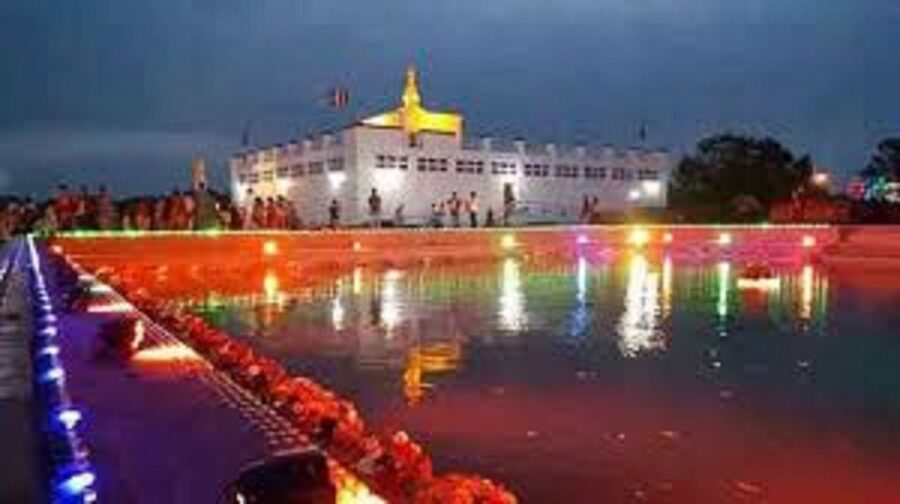
Reviewed · LUMBINI & BUDDHA TOURS
Lumbini Full day tour with Guide
Lumbini feels quiet even when it is busy. This full day tour focuses on the place most Buddhists consider the birthplace of Siddhartha Gautama, and it connects the spiritual sites with the archaeology and living monastic culture around them.
I like the way the tour is set up for convenience, including hotel pickup and drop-off within the Lumbini area, so you spend less time figuring out logistics. I also like that you get a professional English speaking guide who can explain what you are seeing in plain terms.
One thing to keep in mind: entrance fees are not included, so ticketed areas and some monastery visits can add costs, especially if you plan to see extra sites beyond the core gardens.
In This Review
- Key points at a glance
- From hotel pickup to the first sacred stop near Mayadevi Temple
- Mayadevi Temple and the birth marker, where the story becomes physical
- The Sacred Garden and the UNESCO heart of Lumbini Development Zone
- Monasteries and shrines from many countries, one spiritual map
- Lumbini Museum, archaeology that turns legends into evidence
- Time for meditation and reflection, plus an honest local break
- Price and value: $38 for a private guided day in a sacred complex
- What to bring, what to skip, and how to not stress the day
- Who this tour fits best, and who should choose something else
- Should you book this Lumbini full day guided tour?
- FAQ
- How long is the Lumbini full day tour?
- Where does pickup happen?
- Is the tour private?
- What is included in the price?
- Are food and drinks included?
- Are entrance fees included?
- What language will the guide speak?
- What should I bring and what is not allowed?
Key points at a glance
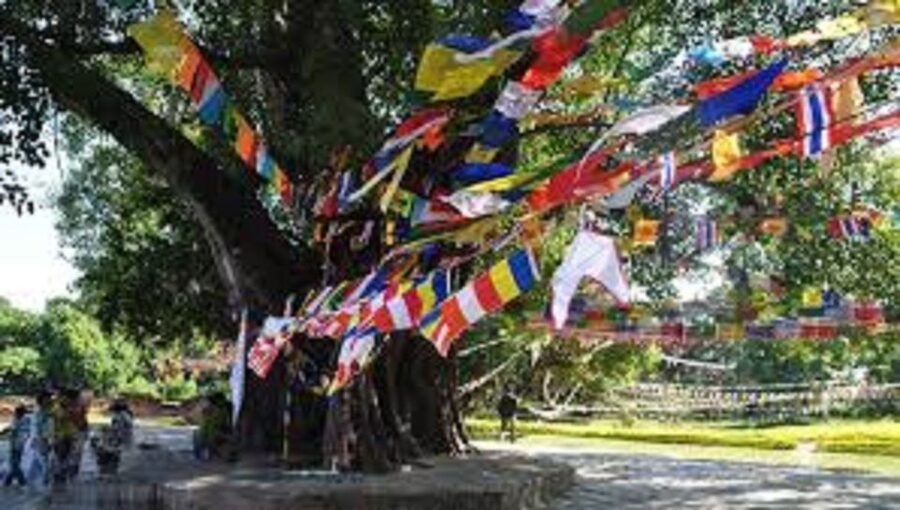
- Mayadevi Temple first, so the birth story is fresh in your mind before you walk the Sacred Garden
- Sacred Garden / Lumbini Development Zone, the UNESCO heart of the visit
- Monasteries from different countries, showing how Buddhism spread and adapted
- Lumbini Museum, good for making sense of artifacts and archaeology
- Private, English-speaking guide, with flexible, helpful explanations
- Food not included, so you’ll plan for lunch and drinks on your own
From hotel pickup to the first sacred stop near Mayadevi Temple
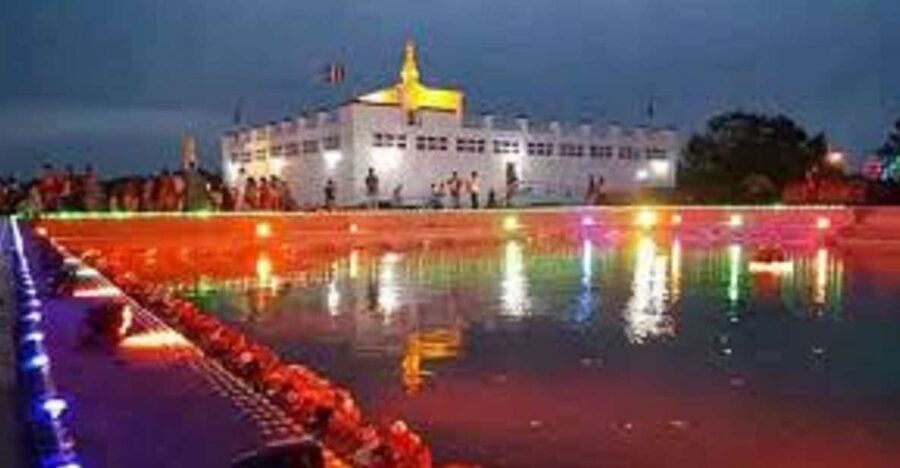
This tour starts with pickup within about a 3 km radius of Mayadevi Temple, so you are not crossing the whole area just to begin. You are also not stuck on a rigid bus circuit. It is a private format, which matters in Lumbini because the pace is part of the experience. If you want time to stand, read a plaque, or ask questions, a private guide gives you that space.
You’ll begin with a guided walking style tour, described as a hiking tour. That means comfortable shoes are more than a suggestion, it’s how you keep the day pleasant. You are also going rain or shine, so it helps to come ready for weather changes. Lumbini is generally calm, but any wet ground can slow movement, so think practical.
If you’re not staying right inside the temple complex, pickup is still close enough that you can jump directly into the main story of the day.
More Lumbini and Buddhist trips:
- Mount Everest Scenic Flight by Buddha Air with Free Transfers
★ 5.0 · 25 reviews - Namo Buddha and Thrangu Tashi Yangtse Monastery Half-Day Tour
★ 5.0 · 24 reviews - Full Day Lumbini Tour
★ 4.5 · 23 reviews
Mayadevi Temple and the birth marker, where the story becomes physical
Most people start at Maya Devi Temple, and this tour follows that logic. The temple marks the exact area associated with Queen Maya Devi giving birth to Siddhartha Gautama, the person who later became Gautama Buddha. That connection matters because it turns “a site you toured” into “a place you understand.”
Inside, you’ll see the elements that people come to recognize:
- a sacred marker stone
- a pond connected to the belief that Queen Maya Devi bathed there before giving birth
Even if you’ve read about Lumbini before, it is different when your guide points out what the marker refers to and how the pond is tied to the birth narrative. You get a sense of why this spot is treated with such respect. It’s not just a monument, it is a living pilgrimage focus.
Practical note: this is usually a place where you slow down. You’ll want a moment to look, then listen, then look again. A patient guide helps you do that without rushing through.
The Sacred Garden and the UNESCO heart of Lumbini Development Zone
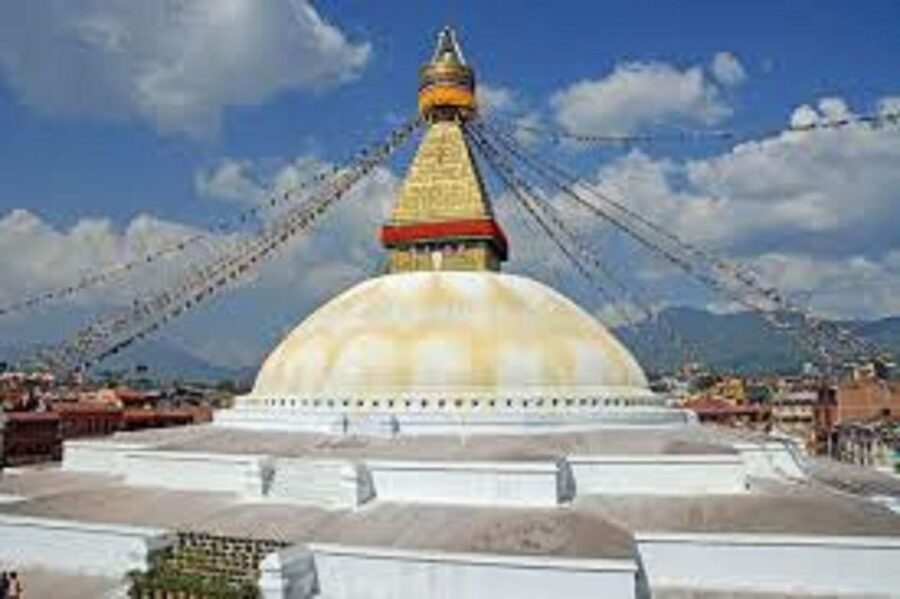
After Mayadevi Temple, the day’s main highlight is the Sacred Garden in Lumbini, known as the Lumbini Development Zone. This is the UNESCO World Heritage area that people point to when they talk about Lumbini’s core importance.
What makes the garden special is not just its layout. It is the layering of meaning. As you move through the zone, you are walking through the recognized birthplace area while your guide explains how different parts of the complex fit into the tradition of pilgrimage and reflection.
This is also where the tour’s tone shifts from “sightseeing” to “spiritual breathing room.” Lumbini’s atmosphere is described as serene, with gardens and a quiet rhythm. That matters because you’ll get moments to sit, think, and reset. If you’ve been on the go in Nepal, this part is often the payoff.
Expect to see the garden area as the center of activity, then notice how other shrines and buildings relate to it. Your guide’s explanations can help you avoid the common trap of treating the grounds like a checklist. Instead, you’ll start seeing relationships, like which spaces feel ceremonial, which ones feel commemorative, and which ones invite reflection.
Monasteries and shrines from many countries, one spiritual map
One of the best parts of this tour is the chance to see monasteries, temples, and shrines built by Buddhist communities from different countries. Lumbini is international, and you can feel that in the architecture and artwork.
In a private guided visit, you can actually read what you’re seeing. A guide can explain why a monastery’s style differs from another, and what it signals about local Buddhist traditions. That transforms the “same type of building” effect into something more informative.
You’ll likely move through a sequence of sacred structures within the Lumbini complex, and the experience becomes a kind of walking map of Buddhism’s global reach. Even when you cannot read every inscription, you can understand the intention behind each site: remembrance, learning, and devotion.
One practical consideration: some areas or specific places may require separate entrance fees, and that is where the tour can become more expensive than the base price. If you have a wish list of monasteries you want to visit, ask your guide early which ones are free versus ticketed.
Also, keep expectations realistic. A sacred complex is large, and you’ll be walking. If you choose to add extra transport options inside the area to cover more ground, that can add costs on top of the private tour.
A few more Nepal routes to compare
- Kathmandu: Private City Guided Tour
★ 4.9 · 174 reviews - From Pokhara: 3-Day Ghorepani Poon Hill Trek with Guide
★ 4.9 · 68 reviews - Full Day Guided Tour in Kathmandu
★ 5.0 · 61 reviews - Kathmandu Guided Tour
★ 5.0 · 59 reviews
Lumbini Museum, archaeology that turns legends into evidence
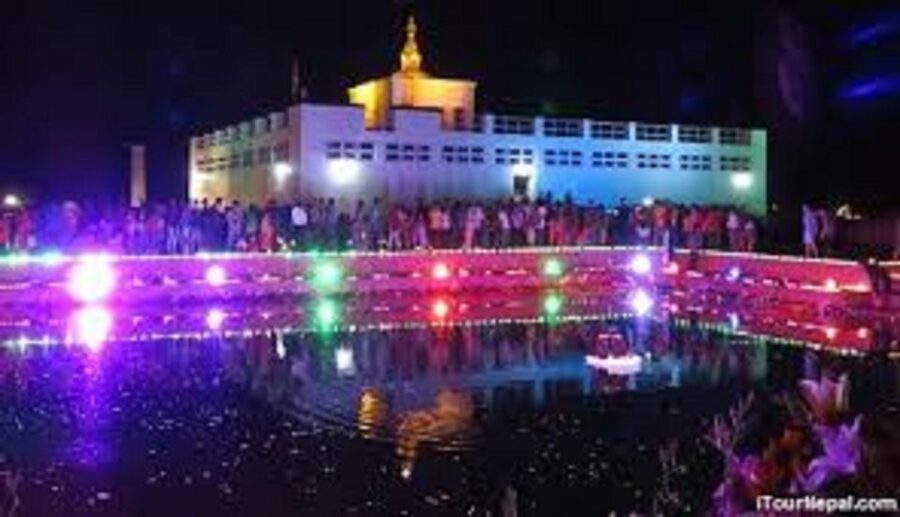
The tour also includes time at the Lumbini Museum, which holds artifacts and archaeological findings related to Buddha’s life and the history of Buddhism in the region.
For many visitors, temples and gardens feel obvious. The museum does a different job. It gives you context that helps the holy sites feel less like isolated places and more like part of a long timeline. You can also compare what you’ve seen outside with what the museum explains.
What you get out of the museum depends on your attention span and your interest level. If you like photos, inscriptions, and objects you can circle around, this is where you slow down and learn efficiently. If museums normally feel like work for you, treat it as a short orientation tool: you want enough background that the garden and temples make more sense.
Either way, your guide can usually point you toward the key sections to focus on so you don’t spend the entire time reading everything at once.
Time for meditation and reflection, plus an honest local break
Lumbini is often described as peaceful, and this tour fits that. After the main sacred area, you’ll have room for meditation and reflection, which is exactly what the setting encourages.
This is not meditation instruction, it is a moment. The value is that you can pause without feeling like you’re wasting tour time. If you’ve been sightseeing all day, Lumbini’s calm can be a kind of reset button.
Outside the main Development Zone, the tour can also include a look at nearby villages and local communities. That’s a good add-on because it helps you see that Lumbini is not only a visitor bubble. You may also have a chance to taste traditional Nepali cuisine, though food is not included and is for purchase. If you want a specific meal or snack, plan to ask your guide where to go once you have a feel for the day’s timing.
A small reality check: because lunch and snacks are on your own, it helps to carry some cash, since cash is listed as something to bring.
Price and value: $38 for a private guided day in a sacred complex
At $38 per person for an 8-hour private tour with hotel pickup and drop-off within the Lumbini area, the price feels fair for what you get. The big value drivers are:
- a guide who speaks English, Nepali, and Hindi
- private pacing inside a complex space where time matters
- water provided (one bottle per person)
Where cost can shift is mostly not the tour fee itself. It’s the extras:
- entrance fees are not included
- food and drinks are not included
So the real question is how you plan to spend your time inside Lumbini. If you stick to the core sacred garden areas plus the museum, you can usually keep costs predictable. If you also add monastery visits that require admission, or if you use extra transport to cover more parts of the complex quickly, your day can climb.
This is also why a guide’s knowledge is part of the value. When someone knows where to go and what you’re actually looking at, you spend your hours more efficiently. That matters in a place where you can easily lose time wandering without context.
One more practical point: the tour is described as 8 hours, but pacing can vary. To protect yourself, ask your guide how they plan to fit in Maya Devi Temple, the Sacred Garden, monasteries, and the museum within your time window.
What to bring, what to skip, and how to not stress the day
This tour keeps it simple with clear rules.
Bring:
- passport or ID card
- cash (useful for entrances and your own meals)
- comfortable shoes
Skip:
- luggage or large bags, since the tour notes that luggage is not allowed
The no-large-bags rule is common in sacred areas. It’s also a convenience issue. If you travel with a backpack, keep it manageable. For day comfort, wear shoes you can walk in for hours.
Rain or shine means you should also think about a light rain layer, even if you travel with just a small umbrella. Wet pavement can be slippery, and safe footing helps you stay focused on the spiritual content instead of the next step.
Language support is also practical. If you want explanations in English, you’re covered. If you prefer help in Nepali or Hindi for certain terms, the guide can switch.
Finally, note that this tour is not suitable for pregnant women. If that applies to you, you’ll want a different plan with lower physical strain.
Who this tour fits best, and who should choose something else
This experience is a strong match if you:
- want a structured day focused on the birthplace story of Buddha
- like understanding what you see, not just taking photos
- appreciate a guided approach to monasteries and cultural details
- want a peaceful day that still includes context from the museum
It may be less ideal if you:
- need a fully seated, low-walking itinerary
- want all entrance fees and meals bundled into one price
- are expecting a quick tour with zero on-your-own costs
If you’re traveling alone or with a small group and you want your questions answered in real time, the private format helps a lot. In fact, guides like Suhail are described as friendly and well connected, even helping people find places to stay after the tour. That kind of local knowledge can save you time when you’re deciding where to sleep next.
Should you book this Lumbini full day guided tour?
Book it if you want a day that actually explains Lumbini, not just passes through it. The combination of Mayadevi Temple, the Sacred Garden (Lumbini Development Zone), monasteries, and the Lumbini Museum gives you both the spiritual markers and the historical context. With hotel pickup nearby, a private guide, and water included, the setup is practical.
Consider booking a different format or plan your budget carefully if you expect the price to cover everything. Since entrance fees and food are extra, you’ll want cash ready and a clear idea of which extra monastery stops you truly care about.
If you want a thoughtful, well-paced guided day in one of the most important Buddhist pilgrimage sites on earth, this is a solid choice.
FAQ
How long is the Lumbini full day tour?
The tour duration is 8 hours.
Where does pickup happen?
Pickup is included within the Lumbini area, specifically within a 3 km radius from Mayadevi Temple.
Is the tour private?
Yes, it is a private tour.
What is included in the price?
The tour includes hotel pickup and drop-off within the Lumbini area, a professional English speaking tour guide, a bottle of water per person, and the private tour.
Are food and drinks included?
No. Food and drinks are available for purchase.
Are entrance fees included?
No. Entrance fees are not included.
What language will the guide speak?
The guide offers live interpretation in English, Nepali, and Hindi.
What should I bring and what is not allowed?
Bring a passport or ID card, cash, and comfortable shoes. Luggage or large bags are not allowed.
Latest additions near Nepal
- Pokhara: Pokhara Highlights Tour by Bus★ 3.6 · 10 reviews
- Jeep safari (4-5 hrs. Sharing) inside Chitwan National Park.★ 4.5 · 8 reviews
- White Water River Rafting – 1 Day★ 4.3 · 3 reviews
- Traditional Momo Making Class★ 5.0 · 10 reviews
- Mission Tiger, 4 days tour inside Chitwan National Park.★ 5.0 · 4 reviews
- Jungle Towernight Stay: 4-Day Tour in Chitwan National Park★ 5.0 · 4 reviews
- Private Jeep Safari (8-10 hrs.)inside Chitwan National Park.★ 5.0 · 3 reviews
- Discover Pokhara in Style: Private Vehicle Service with Driver★ 5.0 · 5 reviews
Lumbini & Buddha Tours, compared.

Mount Everest Scenic Flight by Buddha Air with Free Transfers
Read our review →
Namo Buddha and Thrangu Tashi Yangtse Monastery Half-Day Tour
Read our review →
6-Day Nepal Buddhist Pilgrimage Tour Package (Kathmandu and Lumbini)
Read our review →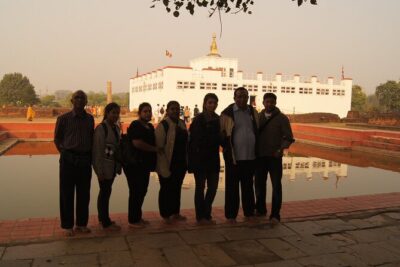
Lumbini Tour Package From Kathmandu or Pokhara: 2 Night 3 Days
Read our review →
Bhaktapur Sightseeing & Dhulikhel, Namo Buddha, Panauti Tour
Read our review →
10 Day Kathmandu, Nagarkot, Chitwan, Lumbini, Pokhara Luxury Tour in Nepal
Read our review →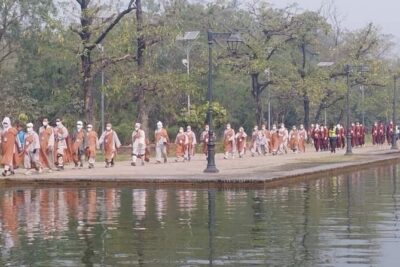
Browse the lists this tour appears in