
Reviewed · SARANGKOT SUNRISE TOURS
3 Days Hiking from Pokhara-Dhampus-Sarangkot
Two sunrise spots in three days. The Dhampus-Sarangkot trek is a short hike with big payoff, linking Annapurna foothill viewpoints and mountain panoramas in under a week.
I also like the on-the-ground ease, with English-speaking guiding and tea-house or lodge stays that let you focus on the trail instead of logistics.
One thing to consider: this route is weather-dependent, and cloudy skies can dull the famous Sarangkot sunrise and sunset views.
In This Review
- Key things to know before you go
- Dhampus-Sarangkot: the “short trek, big views” formula
- Getting to the trailhead: early start, private rides, and real time on your feet
- Day 1: from Phedi toward Australian Camp, a calm intro to the hills
- Day 2: the long walk to Sarangkot, your main “wow” day
- Day 3: back down to Pokhara, short hiking with optional paragliding
- What you actually get for $200: value in logistics and human guidance
- Tea houses, food, and the comfort level you can expect
- Culture on the trail: Gurung communities and small moments
- Who this trek suits, and who should think twice
- The weather reality: why your timing matters more than you think
- Should you book the 3-day Dhampus-Sarangkot trek?
- FAQ
- What time does the trek start?
- Is pickup from Pokhara included?
- What is included in the $200 price?
- Are lunch and dinner included?
- How long is the hiking on day two and day three?
- Is paragliding included?
Key things to know before you go
- Short, low-stress hiking that still hits two major viewpoints
- Early hill start for timed views from Sarangkot
- Tea house or lodge nights during the trekking days
- Culture on the route, including Gurung and local ethnic communities
- Group size capped at 16, which usually keeps the pace friendly
- Breakfast included, lunch and dinner on you, so plan your budget day to day
Dhampus-Sarangkot: the “short trek, big views” formula
This is one of those Nepal treks that proves the mountains do not require a week-long slog to reward you. In roughly three days, you hike between Pokhara’s hills and two famed viewpoints, Dhampus and Sarangkot. You are up high enough to feel the Himalayan scale, while the trail stays mild enough that most people can handle it if they bring decent walking shoes and a steady pace.
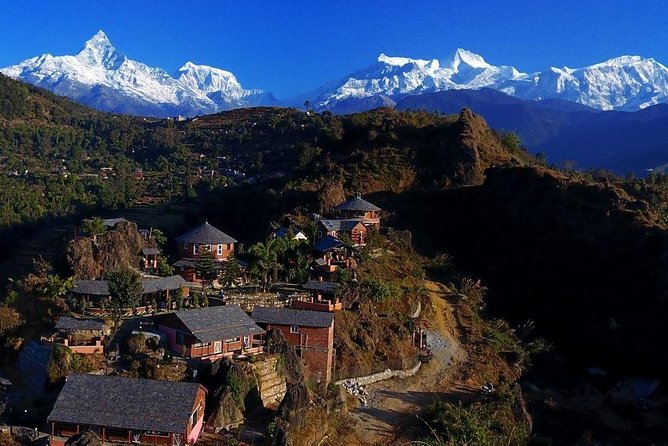
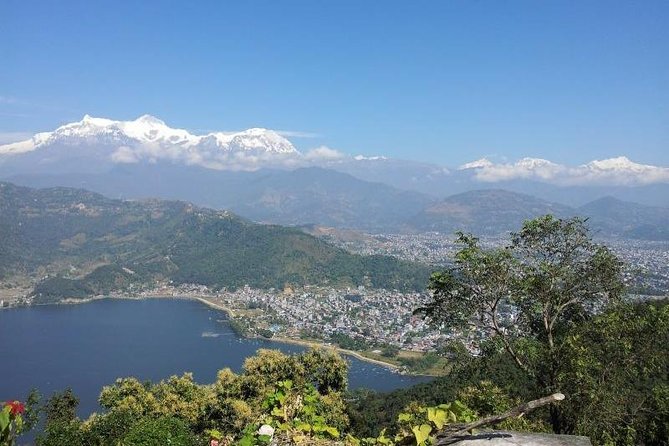
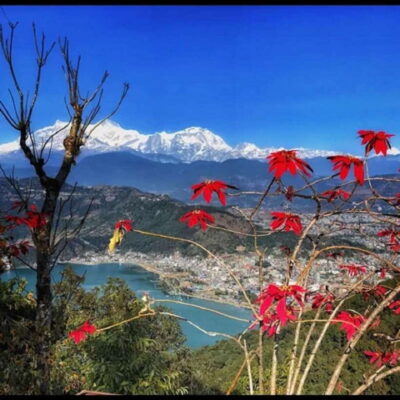
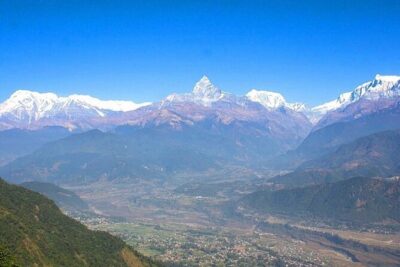
I like the way this trek is framed around “seeing” instead of “surviving.” From the hills you get wide views toward the Annapurna region, and you also catch perspectives on peaks such as Dhaulagiri and Manaslu when conditions are clear. The best part is that you are not just hiking for one view. You get multiple lookouts and a sunrise or sunset option that makes the whole schedule feel purposeful.
If you want a nature and culture mix without committing to a heavy multi-week itinerary, this one fits. You are also walking through areas where you may meet Gurung communities and other local ethnic groups, which adds a real human layer to what would otherwise be just a viewpoint hop.
More Treks in Pokhara
- Poon hill Trek 3 days
★ 5.0 · 176 reviews - Trekking in Annapurna/Langtang/Everest/Upper Mustang regions
★ 5.0 · 161 reviews - Pokhara: 4-Day Ghorepani, Poonhill & Ghandruk Mountain Trek
★ 5.0 · 132 reviews
Getting to the trailhead: early start, private rides, and real time on your feet
The trek runs on a morning schedule. You meet at 6:45 am, then head out from Pokhara by private vehicle. On day one, the ride to the departure point is about 30 minutes, and the trek starts at Phedi. That matters more than it sounds. Rather than spending time figuring out transport, you arrive ready to walk.
Another value point here is that you get private transportation rather than a shared chaotic pickup. You can keep your day structured. You also avoid the common problem of trekking companies leaving you to wrestle with taxis or timing once you are already tired from travel.
What you should watch for is the calendar effect. An early departure can feel fine when you are fresh, but if you arrived in Pokhara late the night before, you will want to go to bed early. This trek is short, so the timing is part of the experience. You are hiking in the cooler morning hours and catching views at specific times.
Day 1: from Phedi toward Australian Camp, a calm intro to the hills
Day one begins right after breakfast with transport from your hotel area in Pokhara to Phedi, then your first stretch of hillside walking. You are not thrown onto a steep “challenge” right away. Think of this as a warm entry to the ridgeline world, with gradual climbing that helps you settle into the rhythm of the trail.
A key stop on day one is Australian Camp. Even if you do not stay there all day, it is a name people remember for a reason. It is a viewpoint-style stop that helps you understand how this trek is designed: you are always moving toward higher, wider angles. You also start to feel the Annapurna region opening up in front of you.
Practical tip: keep your first day light on gear. The trek is mild, but you still want to be comfortable. If you pack too much, you will notice it more because the days are tightly planned. A small day bag with water, a light layer, and sun protection is usually enough.
Day 2: the long walk to Sarangkot, your main “wow” day
Day two is the biggest hiking block. The route runs from Australian Camp to Sarangkot, typically a 5 to 6 hour walk. This is where you earn your view time.
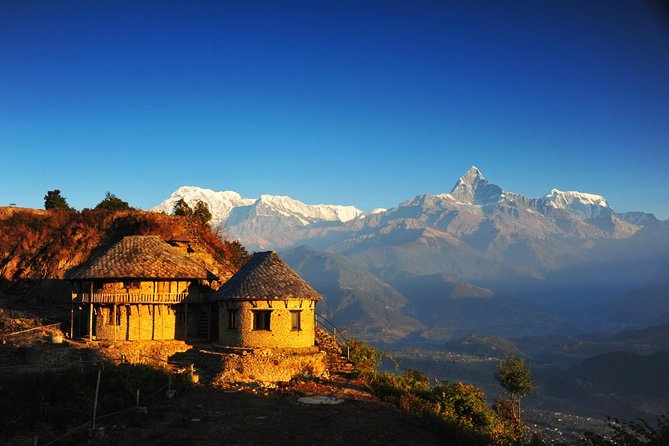
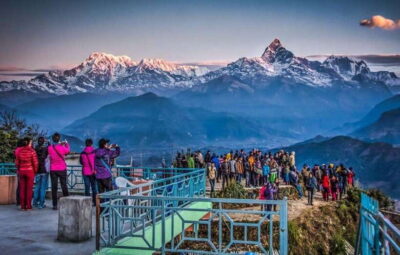
Sarangkot is the other half of the Dhampus-Sarangkot story. It is known for sunrise and sunset watching, which is a big reason this trek is popular even for people with limited time. You are not just passing through. The schedule gives you the chance to enjoy the hilltop atmosphere and take in mountain silhouettes when the sky is clear.
If you care about photography, Sarangkot is the day you plan around. Bring layers because mornings and evenings can feel cooler, even when the lowlands are warm. Also, if you are prone to motion sickness on curvy rides, you might want to take it easy on day two’s walking breaks. The hill paths can feel steep underfoot even when they are not technically extreme.
One more thing I appreciate about this day is the pace guidance. In at least one account of this trek, the guide was kind and made sure the group kept a comfortable tempo. That matters on day two. When the walk is hours long, a steady pace beats pushing early and arriving wrecked.
More Sarangkot sunrise starts:
- From Pokhara: Sarangkot Sunrise Himalayas Tour
★ 4.7 · 218 reviews - Pokhara: Sarangkot Sunrise with Half or Full-Day City Tour
★ 4.8 · 100 reviews - The Best of Pokhara: Full-Day Private Tour with Sarangkot Sunrise
★ 5.0 · 66 reviews - Paragliding at Sarangkot Pokhara
★ 5.0 · 50 reviews
Day 3: back down to Pokhara, short hiking with optional paragliding
On the final day you get an early morning start again. After breakfast, the trek from Sarangkot to Pokhara is about 2 hours of walking, which makes it a gentle finish after the longer day. You are not left with a huge last-day grind, and that is a big reason this itinerary works well for people who want a meaningful trek without ending their trip with blisters for the next week.
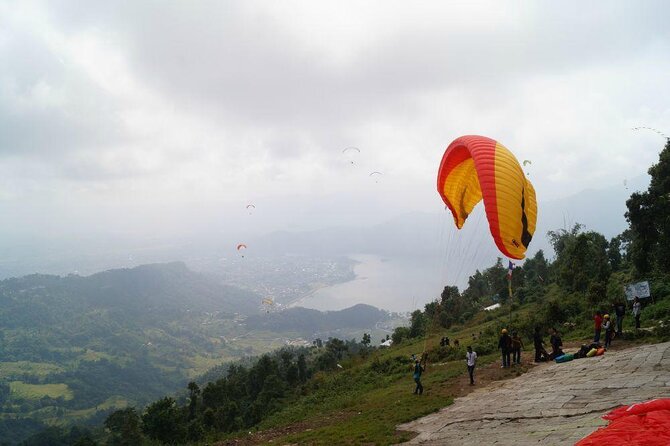
Paragliding is optional on this day. Since it is not included, you should treat it as a bonus if your budget and weather line up. If you want to keep the hike as the priority, you can simply skip it and spend the morning focusing on your final views.
Practical expectation: your feet will feel it, but it is not a painful landing. A short descent can still be hard on knees, so take your time. Short steps and steady breathing help more than quick bursts on downhill trails.
What you actually get for $200: value in logistics and human guidance
At around $200 per person, this trek is best understood as a “pay for simplicity” deal. You are buying several practical pieces that add up fast when you try to piece things together on your own in Nepal.
You get:
- Private transportation in and out of the trail area
- An English-speaking guide
- All fees and taxes
- Accommodation in tea houses or lodges during trekking days
- Breakfast (2)
What you do not get is also part of the value math: lunch and dinner are on you, and paragliding is optional. That means your total trip cost depends on how you eat once you arrive at each stop. If you prefer a more controlled budget, you will likely plan lunches and dinners carefully.
The biggest “value” item is the guide and pacing. The accounts tied to this trek highlight guides who explain what you are seeing, including nature and animals along the way. That is not just trivia. It turns a plain walk into a guided experience where you understand why certain spots matter and what to look for.
Also, the trek is capped at a maximum of 16 travelers, which usually keeps things from feeling like a conveyor belt. You still get a group vibe, but you are not trapped in a huge crowd.
Tea houses, food, and the comfort level you can expect
This route uses tea houses or lodges for the trekking days. That usually means simple, warm basics rather than luxury. You can expect private or shared rooms depending on the lodge, and you should plan to pack for comfort and layering.
One detail from a participant account: the food was similar to what you would find in the lowlands, and there were no major problems with Wi-Fi or electricity at the accommodation. That does not mean every lodge will be identical, but it does tell you the trek’s elevation level and infrastructure are generally comfortable enough for modern travelers who do not want to completely unplug.
You should also know what is included and what is not. Breakfast is included (2), so mornings are taken care of. Lunch and dinner are not. If you are picky about timing, go easy on ordering complicated meals far from the trail, and keep expectations simple: eat what is available, drink enough water, and focus on energy for the walk.
Culture on the trail: Gurung communities and small moments
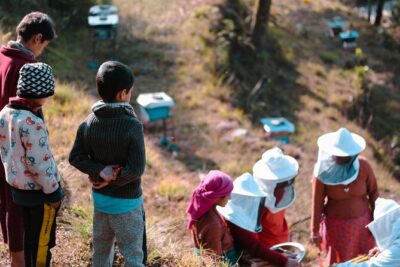
The Dhampus-Sarangkot trek is often described as a quiet route in the Annapurna Lower area, and that quiet is where you notice people. The overview notes chances to interact closely with Gurung communities and other local ethnic groups living in the region. Even on a short trek, those encounters can add meaning to the views.
In practical terms, cultural contact here is usually not a formal “show.” It is more about walking through everyday life. You might see how people live, how goods move, and how hospitality works when strangers become guests for an afternoon or meal.
This is also where a good guide earns their fee. Some guides on this route share stories and context about trekking and culture, and that can help you understand what you are looking at instead of just passing by.
Who this trek suits, and who should think twice
This is a great option if:
- You have limited time but want a real hill trek, not just a day hike
- You want sunrise or sunset opportunities at Sarangkot
- You prefer manageable walking days with tea-house lodging
- You like a guided route with someone who explains the scenery and life around it
It might be less ideal if:
- You only want a private, fully customized route with no group element
- You are extremely sensitive to early mornings
- You are traveling during a period of frequent clouds, since the views depend on weather
Because this trek is mild but scheduled tightly, it works best when you bring a steady mindset: start early, walk at a comfortable pace, and let the hills unfold one viewpoint at a time.
The weather reality: why your timing matters more than you think
This experience requires good weather. That is not just a warning label. The whole point of Sarangkot is visibility. You can have great hiking even under dull skies, but sunrise and sunset watching depends on cloud cover and clarity.
If you are flexible in your travel dates, that flexibility is your friend. If your schedule is strict, at least plan to be okay with the fact that mountains sometimes hide. A short trek like this still gives you something even when the sky does not fully cooperate, because you are out walking and learning the region. But the “wow factor” is the view quality.
Should you book the 3-day Dhampus-Sarangkot trek?
If your goal is a meaningful, short hike with mountain views and a cultural feel, I think this trek is an easy yes. It is well matched to people who want the Annapurna region experience without a long time commitment, and you get real support through an English-speaking guide, private transport, and tea-house lodging.
Book it if you like:
- Two viewpoint days instead of just one
- Early, organized schedules
- Simple trekking meals with breakfasts handled
Skip or rethink it if you:
- Hate early mornings
- Need guaranteed sunrise visibility no matter what the sky does
- Want lunch and dinner included in the price
If you do book, pack for layers, keep your walking pace steady, and treat the viewpoints like appointments. The trek is short, so you will feel every morning and every hour you spend above the valley.
FAQ
What time does the trek start?
You have a start time listed at 6:45 am.
Is pickup from Pokhara included?
Yes, pickup is offered, and private transportation is included for the trek.
What is included in the $200 price?
It includes private transportation, all fees and taxes, an English-speaking guide, tea house or lodge accommodation during trekking days, and breakfast (2). Mobile ticket is also included.
Are lunch and dinner included?
No. Lunch and dinner are not included, and you will pay for personal expenses separately.
How long is the hiking on day two and day three?
Day two is about a 5 to 6 hour walk from Australian Camp to Sarangkot. Day three is about a 2 hour walk from Sarangkot to Pokhara.
Is paragliding included?
Paragliding is optional and not included in the price, so you would pay separately if you choose to do it.
More treks out of Pokhara
- From Pokhara: 3-Day Ghorepani Poon Hill Trek with Guide
★ 4.9 · 68 reviews - 3-Day Poon Hill Trek from Pokhara.
★ 5.0 · 45 reviews - From Pokhara: 2 Day 1 Night Ulleri,Ghorepani Poon Hill Trek
★ 4.9 · 33 reviews - From Pokhara: 4-Day Mardi Himal Base Camp Trek
★ 4.9 · 31 reviews
Latest additions near Pokhara
- Pokhara: Pokhara Highlights Tour by Bus★ 3.6 · 10 reviews
- Discover Pokhara in Style: Private Vehicle Service with Driver★ 5.0 · 5 reviews
- Pokhara in 5 Hours: Lake, Museum, Cave, Falls & Pagoda Hill★ 4.5 · 16 reviews
- The World Peace Pagoda in Pokhara★ 4.5 · 7 reviews
- 7-Day Trek to Annapurna Base Camp from Pokhara★ 5.0 · 12 reviews
- 4 Day Mardi Himal Base Camp Trek from Pokhara★ 5.0 · 18 reviews
- World Peace Stupa Day Hike From Pokhara★ 5.0 · 4 reviews
- Unique Easy Hiking to Foxing Hill from Pokhara★ 5.0 · 4 reviews
Sarangkot Sunrise Tours, compared.
Sarangkot Sunrise with Half or Full-Day City Tour
Read our review →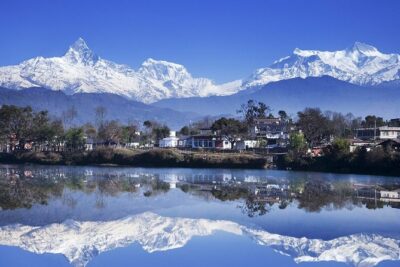
The Best of Pokhara: Full-Day Private Tour with Sarangkot Sunrise
Read our review →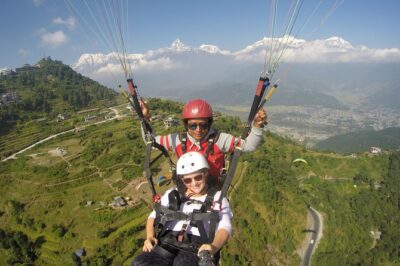
Sarangkot Village Coffee Culture and Authentic Local Life Tour
Read our review →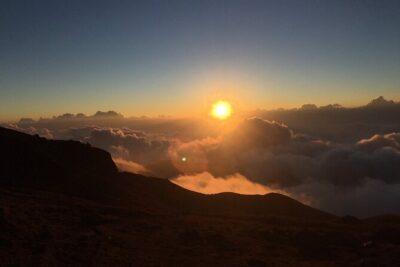
Browse the lists this tour appears in