
Reviewed · POON HILL TREKS
Pokhara:4-Day Ghorepani Poon Hill Guided Trek via Ghandruk
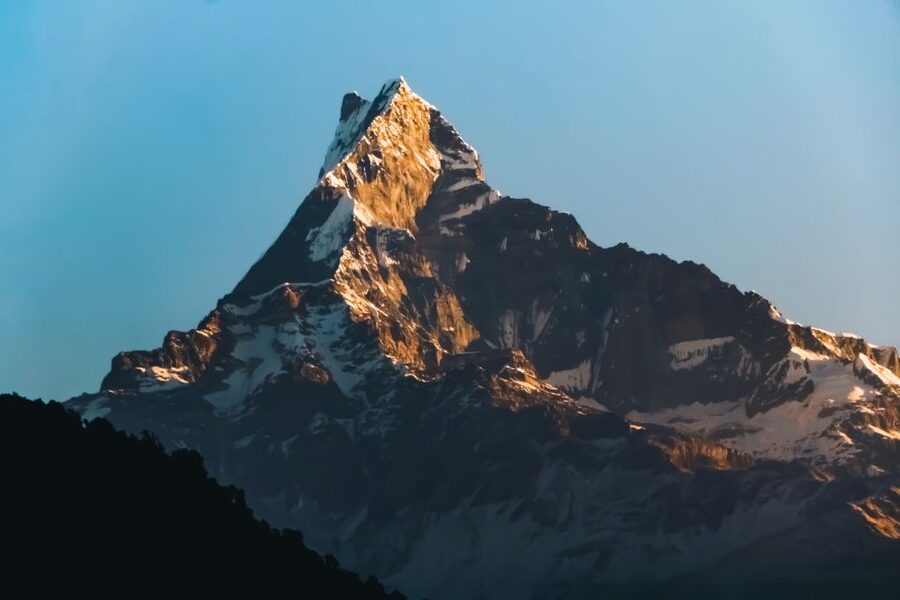
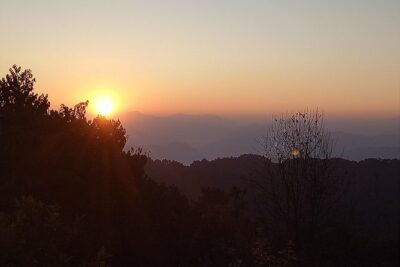
Poon Hill sunrise can spoil you. This 4-day trek puts you up high enough to feel the Annapurna range in your bones, then drops you back down through forests and villages. I like that you get real altitude contrast too, from about 1,570m in Tikhedhunga up to the 3,210m viewpoint day.
What I really like is the human side of it. With an English-speaking guide, you can keep a steadier pace, and the group stays on track without feeling rushed (I’ve seen examples like Prakash working patiently with slower hikers). One thing to watch: Poon Hill visibility depends on weather, so clouds can change what you see at sunrise.
In This Review
- Key things I’d plan for
- From Pokhara to Nayapul, then into Modi Khola country
- Ulleri’s 3,000-plus steps to Ghorepani at 2,840m
- Tadapani descent to Ghandruk, with river scenery in between
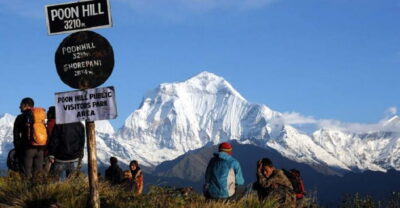
- Ghandruk morning, then the Poon Hill viewpoint at 3,210m
- Altitude reality check: how the route reaches 3,210m
- Tea houses, meals, and the real cost of convenience
- Guides make the difference: Prakash, Ghanshyam, and a patient pace
- Permits, medical kit, and what the package actually covers
- Price and value: is $153 a fair deal for 4 days?
- What to bring for a cold morning and a steep day
- Who this trek suits best, and who should skip it
- Should you book this Ghorepani Poon Hill trek?
- FAQ
- What is the start and end of the trek?
- What altitude will I reach on this trek?
- Where do you stay overnight during the trek?
- How challenging is day 2?
- Is a guide included?
- Are meals included in the price?
- Do I need trekking permits?
- Do I need to bring an ID?
- Is a porter included?
- Is this trek suitable for everyone?
Key things I’d plan for
- Poon Hill viewpoint at 3,210m is the big wow moment, but expect weather to matter
- Ulleri’s steep step climb (over 3,000 steps) on day 2 sets the tone for fitness
- Rhododendron forests show up in multiple sections, so the scenery keeps shifting
- Tea house nights in Tikhedhunga and Ghorepani, then a Ghandruk hotel for a warmer landing
- Meal options vary depending on package, and prices may not beat Pokhara
From Pokhara to Nayapul, then into Modi Khola country
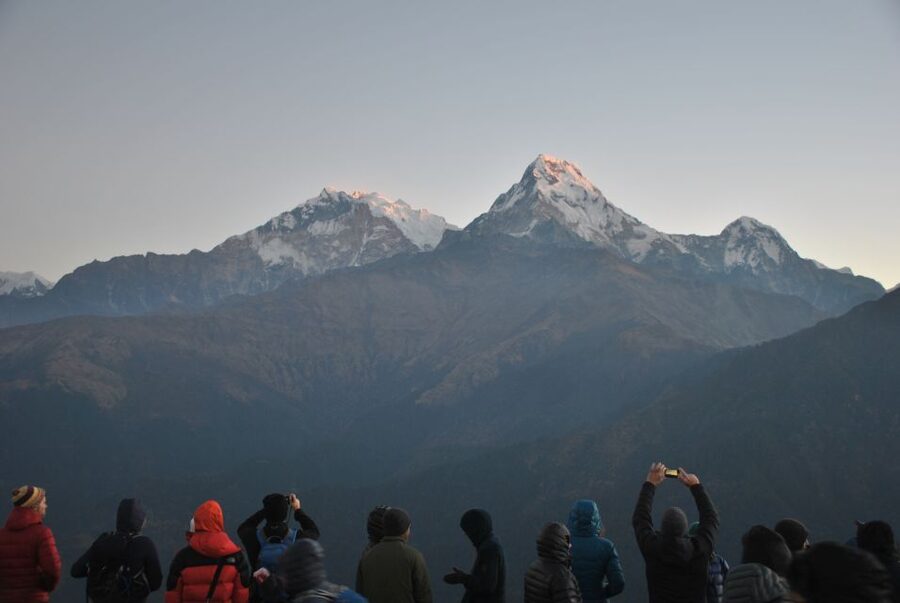
Your trek starts with an easy on-ramp in Pokhara. You’ll be picked up from the airport or bus stand, taken to a hotel, and given time to rest after getting settled and doing a bit of shopping.
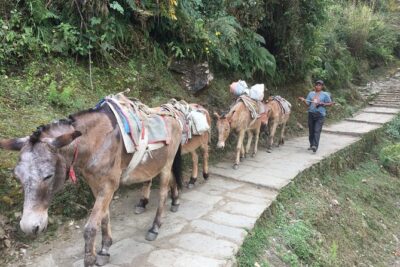
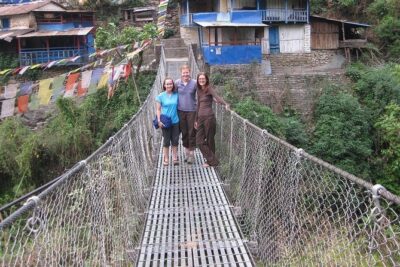
The next move is a scenic drive to Nayapul, the usual jumping-off point. From there, you hike along the Modi Khola River, passing small villages and forests. This first day is a good “find your rhythm” hike, not a grinding test, and it sets you up for the bigger effort coming on day 2.
By night, you reach Tikhedhunga (1,570m) and sleep in a tea house. Tea houses are simple, but they’re built for trekkers: you’re there for a hot meal, a warm drink, and enough sleep to handle the next day’s climb.
More Treks in Pokhara
- Poon hill Trek 3 days
★ 5.0 · 176 reviews - Trekking in Annapurna/Langtang/Everest/Upper Mustang regions
★ 5.0 · 161 reviews - Pokhara: 4-Day Ghorepani, Poonhill & Ghandruk Mountain Trek
★ 5.0 · 132 reviews
Ulleri’s 3,000-plus steps to Ghorepani at 2,840m
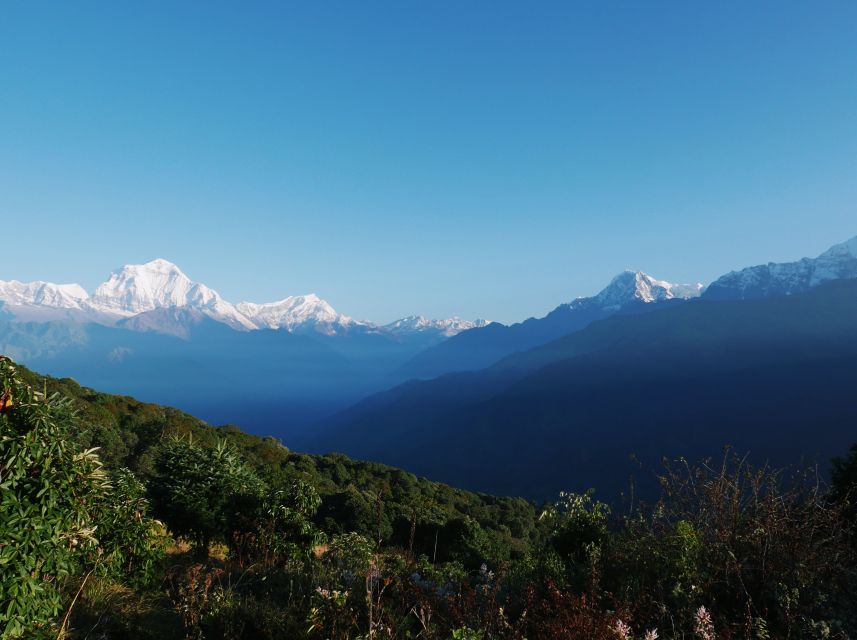
Day 2 is the leg-burner. After leaving Tikhedhunga, you climb to Ulleri village, and yes, it’s a steep ascent with over 3,000 steps. This is the part of the trek where pacing matters more than speed, because your legs feel it even if your lungs are doing okay.
Once you get through Ulleri, the path continues through rhododendron forests toward Ghorepani (2,840m). That change from hard climbing to steady walking through trees helps, because the views are often framed by the forest and the air cools as you gain altitude.
You’ll spend the night in a tea house in Ghorepani. At this elevation, evenings tend to feel colder, so bring what you need for comfort and plan on an early night. Also, expect that your stomach might prefer simpler food when you’re working hard at height.
Tadapani descent to Ghandruk, with river scenery in between
Day 3 shifts the challenge. Instead of going higher all day, you head toward Ghandruk (2,000m) by descending and moving through Tadapani. The description calls it a steep descent, and that matters because downhill hiking is harder on knees than people expect.
Still, this is a satisfying day for the senses. You’ll pass through jungle and forest sections, with the Modi River scenery working in the background as you make your way toward the village.
When you arrive in Ghandruk, you sleep in a hotel rather than a tea house. For many hikers, this feels like a reward: a more comfortable base, a chance to wash up, and a steadier night’s rest before the sunrise push on day 4.
Ghandruk morning, then the Poon Hill viewpoint at 3,210m
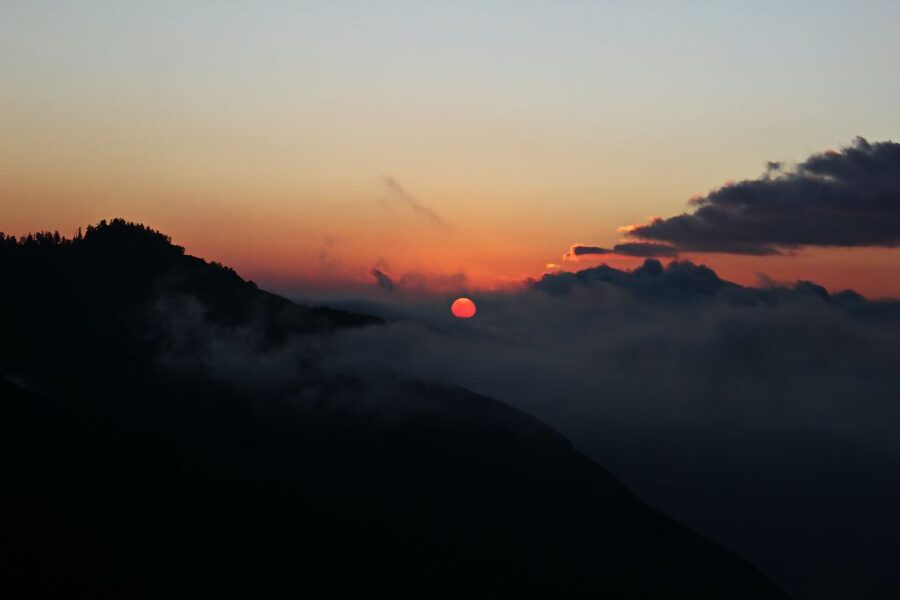
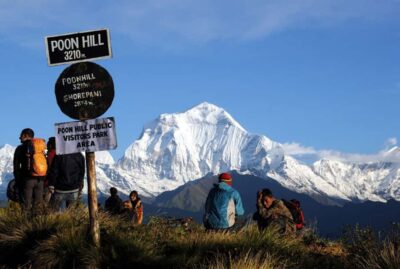
Day 4 starts early, because the trek’s headline moment is the sunrise from the Poon Hill viewpoint. You’ll hike up to the viewpoint in the morning, then you’ll head into Ghandruk village to explore.
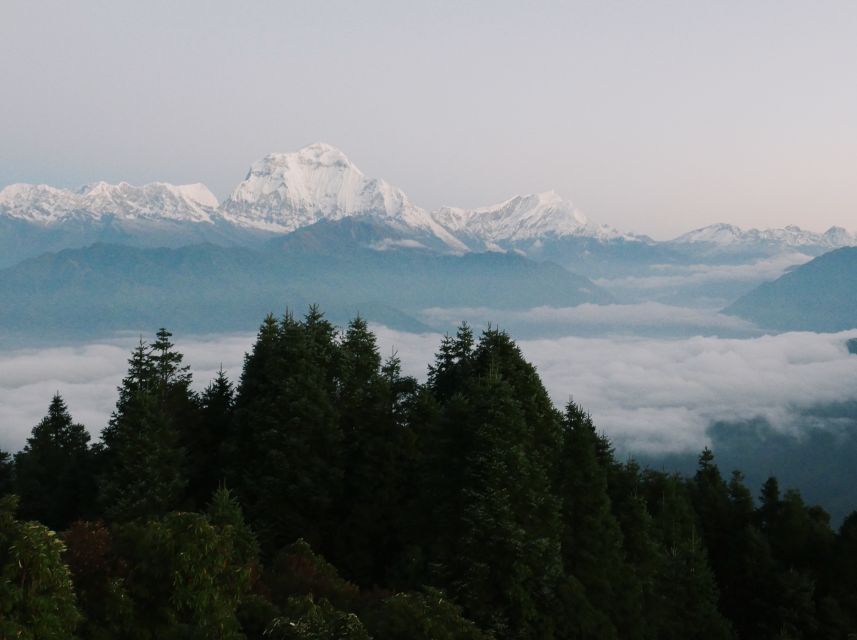
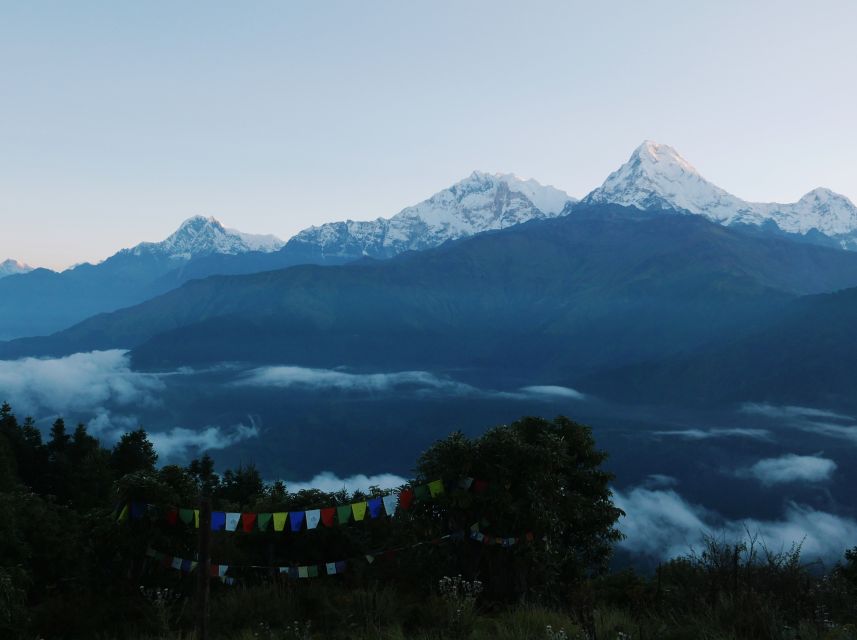
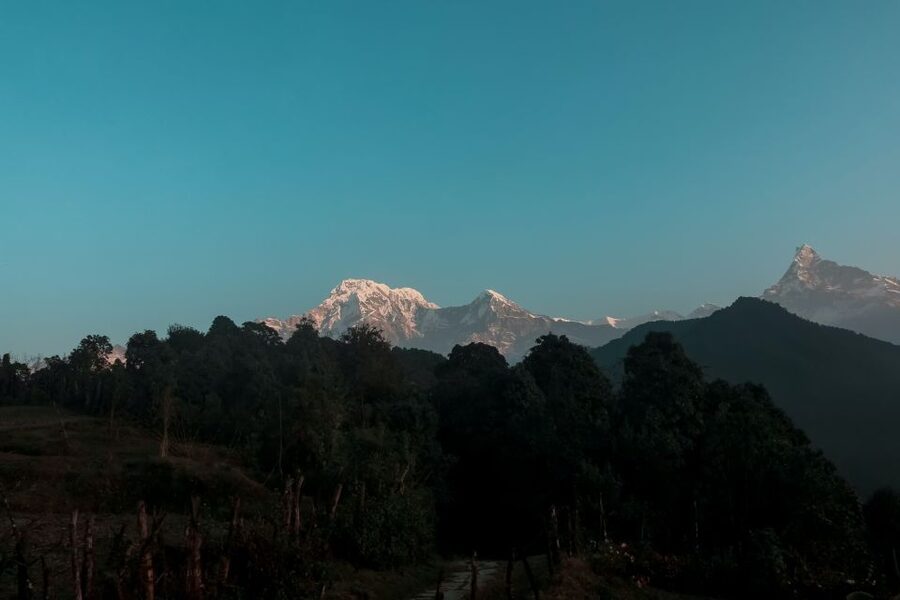
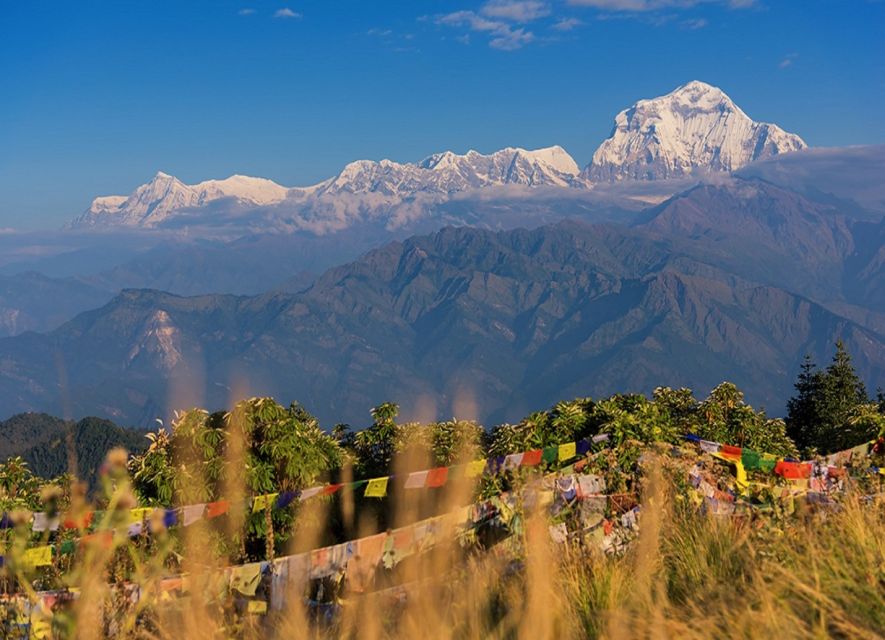
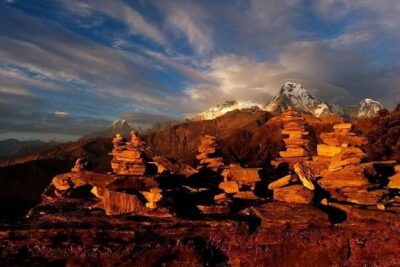
This is when the Annapurna foothills really feel close. Even if the mountain layers look slightly different from day to day, you’re still chasing that same idea: a big, panoramic look from high ground. And if clouds roll in, don’t panic. One of the best pieces of advice I picked up from guides and hikers is to stay flexible, because visibility can improve later in the morning.
After breakfast and village time, you descend back to Nayapul, then drive to Pokhara. The trek ends on a straightforward note, which is great after four days of hiking rhythm.
More Poon Hill treks:
- Ghorepani – Poon Hill Trek 3N-4D
★ 5.0 · 125 reviews - From Pokhara: 3-Day Ghorepani Poon Hill Trek with Guide
★ 4.9 · 68 reviews - Pokhara: 3-Day Ghorephani and Poon Hill Private Trek
★ 5.0 · 58 reviews - 4-Day Private Poon Hill Trekking Tour
★ 5.0 · 58 reviews
Altitude reality check: how the route reaches 3,210m
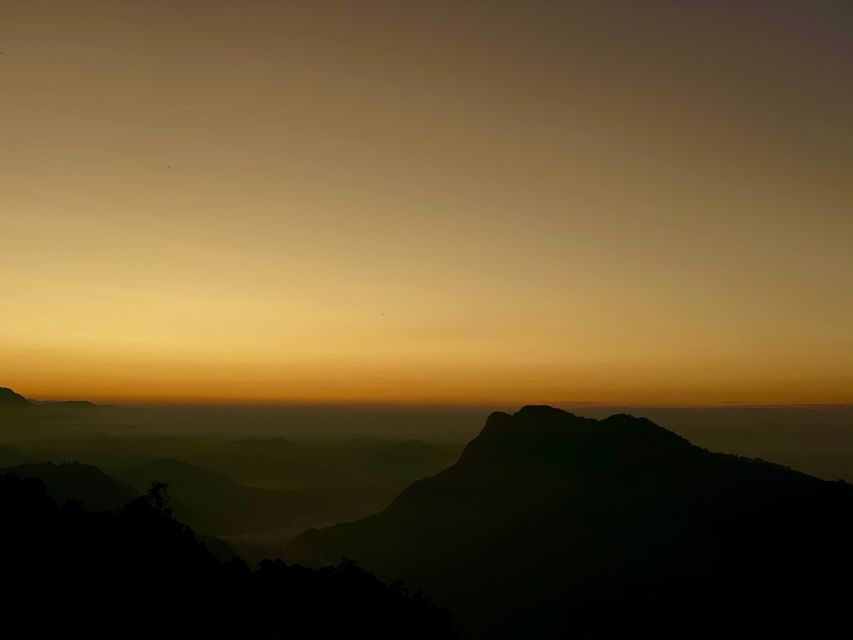
The highest point on this route is the Poon Hill viewpoint at 3,210m. That height is part of the excitement, but it’s also the reason your guide will push for a steady pace rather than a sprint.
What makes this trek feel more manageable is the altitude pattern. You go up to 2,840m in Ghorepani, then drop to 2,000m in Ghandruk before the next early climb to 3,210m. That down-up pattern helps you catch your breath in between big efforts, at least compared with a straight grind to the top.
Practical tips help here:
- Walk slower than you think you need to, especially the first part of day 2 and the early morning hike.
- Drink water consistently, even when you don’t feel thirsty yet.
- If you feel unusually wiped out, tell your guide right away. A good guide will adjust pace for you.
Tea houses, meals, and the real cost of convenience
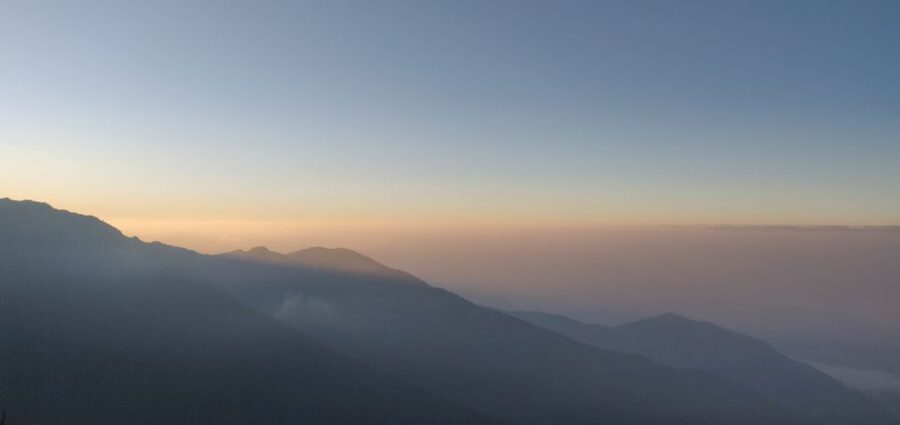
You’ll have tea house accommodation on the first two nights, in Tikhedhunga and Ghorepani. On the third night, you sleep in a hotel in Ghandruk. That mix is useful because it balances adventure with comfort where it counts.
Meals depend on your package. The full package includes all meals (breakfast, lunch, dinner) during the trek, but only for that full option. If you’re not on the full meal plan, you’ll likely pay as you go, and food costs can add up faster than you expect.
One helpful insight from past hikers: meal pricing can be higher on the trail than in Pokhara. If you’re picky about food budgets, ask how meal inclusions work for your exact booking and plan your spending accordingly. Either way, don’t skip meals on climbing days. A hungry hike is a miserable hike.
Guides make the difference: Prakash, Ghanshyam, and a patient pace
This trek is guided, and you’re paying for more than directions. You’re getting an authorized English-speaking guide (English and Hindi support), plus the guide’s insurance and covered costs.
In the best cases, the guide also understands how different bodies move. I’ve seen examples like Prakash adjusting to a slower fitness level, and Ghanshyam being extremely patient with a 60-year-old companion so the group could explore at a comfortable pace. That kind of flexibility makes a real difference on a route with a day that includes over 3,000 steps.
You may also get WhatsApp contact with the organizer before you go. That’s a practical advantage, since you can clarify questions early and avoid surprises once you’re in Pokhara.
Permits, medical kit, and what the package actually covers
A lot of trekkers care about this part because it affects stress. This guided trek includes trekking permits and necessary paperwork, plus the TIMS fee(s) and government tax. You also get a medical kit, which matters for minor issues at altitude or on the trail.
On logistics, you get hotel pickup and drop-off, and transportation is handled as deluxe transportation for full package travelers, or shared bus for non-full package. There’s also accommodation during the trek included, which removes one of the bigger planning unknowns for most people.
What you should budget or arrange yourself:
- Drinks (soft and hard)
- Travel and rescue insurance
- Entrance fees during sightseeing (if any)
- A porter if you want one (optional purchase)
- Personal expenses like phone calls, laundry, charging, showers, and bottle or boiled water
- Extra Pokhara nights only if you return early or change plans outside the itinerary
Price and value: is $153 a fair deal for 4 days?
At $153 per person for 4 days, this trek can be a solid value if you want structure and don’t want to chase permits or daily logistics. What you’re paying for includes more than a guide walk. You also get permits, TIMS fees, a medical kit, accommodation during the trek, and organization support in Pokhara.
The value question comes down to meal planning:
- If you’re on the full package, meals during the trek are included, which reduces daily decision fatigue.
- If you’re paying as you go, you might find individual meals cost more than you expect compared with Pokhara, so you’ll want to budget for that.
The other value lever is your fitness and comfort. Since day 2 includes a steep step climb, if you think you’ll struggle, consider whether buying a porter would make the trek more enjoyable rather than just more possible. Porters aren’t included, but they’re available for purchase.
What to bring for a cold morning and a steep day
The packing list is straightforward, and you should follow it closely. At minimum, bring:
- Passport or ID card
- Hiking shoes and socks
- Long pants and shorts
- Jacket, hat, and sunscreen
- Sunglasses and a towel
- Change of clothes and trekking gear
- Water (and a first aid kit)
- Sleeping bag
On this route, mornings can feel colder, and you’ll be walking early for sunrise. Having the right layers and footwear helps you avoid the common mistake of starting cold and uncomfortable, then rushing to fix it later when your energy is already drained.
Who this trek suits best, and who should skip it
This trek is a good fit if you want a classic Annapurna viewpoints experience in a short 4-day window. You’ll get rhododendron forests, river valley scenery, village life, and a structured sunrise moment at Poon Hill. It’s also private group, so the experience tends to feel less crowded and more adaptable to your pace.
It’s not suitable for pregnant women, based on the trek guidance provided.
If you know you can handle one intense day with a steep step climb and an early morning hike, you’ll likely enjoy this more. If you prefer very easy walking with minimal elevation, you may find day 2 and day 4 demanding.
Should you book this Ghorepani Poon Hill trek?
I think this is worth booking if you want a guided, organized trek with big scenery payoff and you’re comfortable with a couple of tough hiking sections. The guide support is a big plus, especially if you want someone who will help you keep a realistic pace.
Before you go, do two things: pack for cold mornings, and accept that Poon Hill weather can be hit or miss. If visibility isn’t perfect at dawn, the rest of the trek still gives you forests, villages, and mountain views throughout the day.
FAQ
What is the start and end of the trek?
You start from Nayapul after being driven from Pokhara, and the trek ends with a return to Nayapul and a drive back to Pokhara.
What altitude will I reach on this trek?
The route includes Tikhedhunga at 1,570m, Ghorepani at 2,840m, Ghandruk at 2,000m, and the Poon Hill viewpoint at 3,210m.
Where do you stay overnight during the trek?
You sleep in tea houses in Tikhedhunga and Ghorepani, then in a hotel in Ghandruk.
How challenging is day 2?
Day 2 includes a steep climb to Ulleri, with over 3,000 steps, and it continues through rhododendron forests to Ghorepani.
Is a guide included?
Yes, you get an authorized English-speaking guide for the trek, and the guide’s insurance and expenses are included.
Are meals included in the price?
Meals are included only for the full package option, with breakfast, lunch, and dinner during the trek. Drinks are not included.
Do I need trekking permits?
Yes. Trekking permits and necessary paperwork are included, along with the TIMS fee(s).
Do I need to bring an ID?
Yes. You should bring a passport or ID card.
Is a porter included?
Porters are not included. A porter is available for purchase if you choose to add one.
Is this trek suitable for everyone?
No. It is not suitable for pregnant women.
Latest additions near Pokhara
- Pokhara: Pokhara Highlights Tour by Bus★ 3.6 · 10 reviews
- Discover Pokhara in Style: Private Vehicle Service with Driver★ 5.0 · 5 reviews
- Pokhara in 5 Hours: Lake, Museum, Cave, Falls & Pagoda Hill★ 4.5 · 16 reviews
- 7-Day Trek to Annapurna Base Camp from Pokhara★ 5.0 · 12 reviews
- 4 Day Mardi Himal Base Camp Trek from Pokhara★ 5.0 · 18 reviews
- The World Peace Pagoda in Pokhara★ 4.5 · 7 reviews
- Unique Easy Hiking to Foxing Hill from Pokhara★ 5.0 · 4 reviews
- World Peace Stupa Day Hike From Pokhara★ 5.0 · 4 reviews
Poon Hill Treks, compared.
4-Day Ghorepani, Poonhill & Ghandruk Mountain Trek
Read our review →
Browse the lists this tour appears in