Reviewed · POKHARA TOURS
Pokhara: Visit Best Seven Tourist Destination by Sharing Bus
Seven stops, one packed Pokhara day. What makes it interesting is how you get temples and caves plus Davis Falls without driving, and I like that the day mixes spiritual stops with concrete natural sights. One thing to plan for: you will climb about 200 steps and do a fair bit of walking.
I also appreciate the value angle. For around $9 per person, the tour includes hotel pickup and drop-off in the Lakeside area plus round-trip local bus transport with a live guide, so you are not paying for a private vehicle just to see “the main stuff.” Still, this is a sharing bus, so it can feel tight, and timing can stretch if other passengers are late.
If you want a quick Pokhara sampler that leans more religious and scenic than party-city, this works well. Go in with comfy shoes and a calm attitude toward group logistics, and you will get a lot out of a single half-day.
In This Review
- Key highlights at a glance
- Why This Pokhara Seven-Stop Sharing Bus Works
- Pickup, Timing, and the “Group Energy” Reality
- Pumdikot Mahadev Temple and the Shiva Statue Climb
- World Peace Pagoda: Buddhist Views with Real Quiet
- Bindabasini Temple: Durga Devotion Right in Town
- Davis Falls (Patale Chhango) and the Short Walk to Water Power
- Gupteshwor Mahadev Cave: Lord Shiva and Stalactites Inside
- Mahendra Cave: Limestone Formations and Underground Chambers
- Bat Cave: A Cave Stop Where Access Can Be Limited
- Seti River Gorge: A Quick Scenic Reset
- Value and Money: What You Pay for, and What You Must Budget
- Comfort Tips for 200 Steps, Caves, and Walking
- Language and Expectations: What to Confirm Before You Go
- Who This 6-Hour Pokhara Route Suits Best
- Should You Book This Pokhara Seven-Stop Bus Tour?
- FAQ
- How long is the Pokhara seven-destination sharing bus tour?
- What is included in the price?
- What is not included?
- Where does pickup happen?
- Do I need to pay extra for entrance fees?
- How much walking and stairs are involved?
- Is this tour wheelchair accessible?
- Are large bags allowed on the tour?
- Are drones allowed?
- What should I wear for the tour?
Key highlights at a glance
- Pumdikot Mahadev Temple and the Shiva statue area, including steep stairs and big views
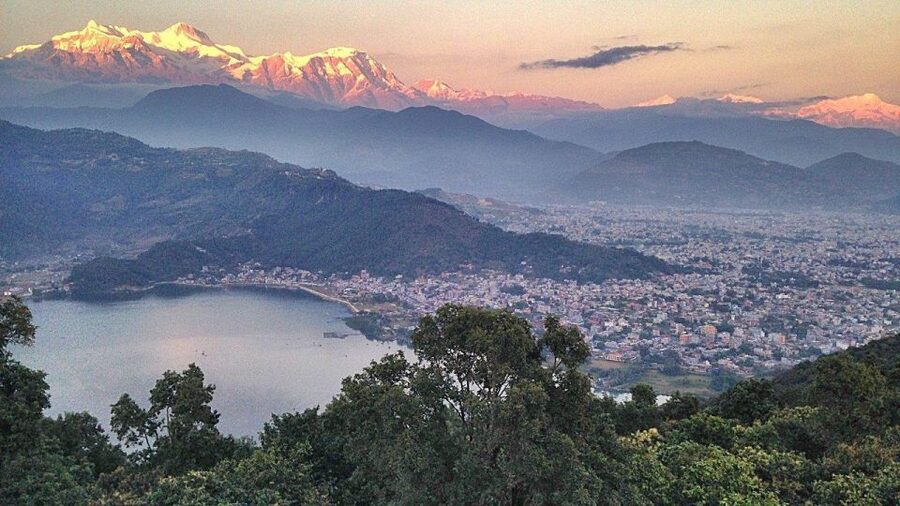
- World Peace Pagoda for Buddhist calm plus Annapurna-over-Pokhara panoramas
- Davis Falls (Patale Chhango), with a short walk and a legend tied to the spot
- Three cave experiences in the Pokhara area, including Lord Shiva caves and a bat cave stop
- Bindabasini Temple in central Pokhara, where prayer and city views come together
- Seti River Gorge as a quick scenic breather between longer stops
Why This Pokhara Seven-Stop Sharing Bus Works
Pokhara can be confusing on a first visit. You can easily spend a day bouncing between spots in different directions, then end up tired and short on time. This route is designed for the opposite: a structured loop that keeps you moving from major landmarks to nearby areas with bus legs in between.
The “sharing bus” format matters more than you might think. You are traveling like locals, not like a chauffeured tour. That usually means slower pacing, more pickup points, and less control. But it also means you get the real rhythm of the city, and you pay far less than you would for a private day.
For my kind of travel brain, the best part is the variety. You get:
- a hillside temple experience (stairs and viewpoints),
- a major Buddhist viewpoint,
- a famous waterfall walk,
- multiple cave stops tied to rock formations and religious sites,
- and then a central Hindu temple where the city feels close by.
At the end of six hours, you will understand Pokhara’s geography fast. Hills, caves, waterfall power, and lakeside convenience all show up in one go.
More from Pokhara worth a second look:
- ZipFlyer Nepal – The World’s Steepest Zip-line
★ 5.0 · 608 reviews - Bungee Pokhara by HighGround Adventures
★ 5.0 · 366 reviews - From Pokhara: Sarangkot Sunrise Himalayas Tour
★ 4.7 · 218 reviews
Pickup, Timing, and the “Group Energy” Reality
Pickup is offered from many Lakeside hotels in Pokhara, with pickup and drop-off included as part of the deal. Common pickup points include places like Hotel Kunja, Dahlia Boutique Hotel, Pokhara Cottage, and Lake View Resort. You wait in the hotel lobby about ten minutes before your scheduled pickup.
One practical note: the exact order and how smoothly the day runs depends on how the group moves together. The tour uses local shared transport, and that can mean:
- the bus may feel crowded,
- some stops can run longer if others arrive late,
- and the overall day might stretch beyond what you hoped.
I do not see this as “bad,” but I do treat it as planning information. If you have a tight dinner reservation or an onward bus you cannot miss, plan a buffer day.
Also, this is a live-guided tour. The guide is there to keep you oriented between sites, and that is a real help when you are hopping between hillsides, cave entrances, and temple areas without knowing the routes.
Pumdikot Mahadev Temple and the Shiva Statue Climb
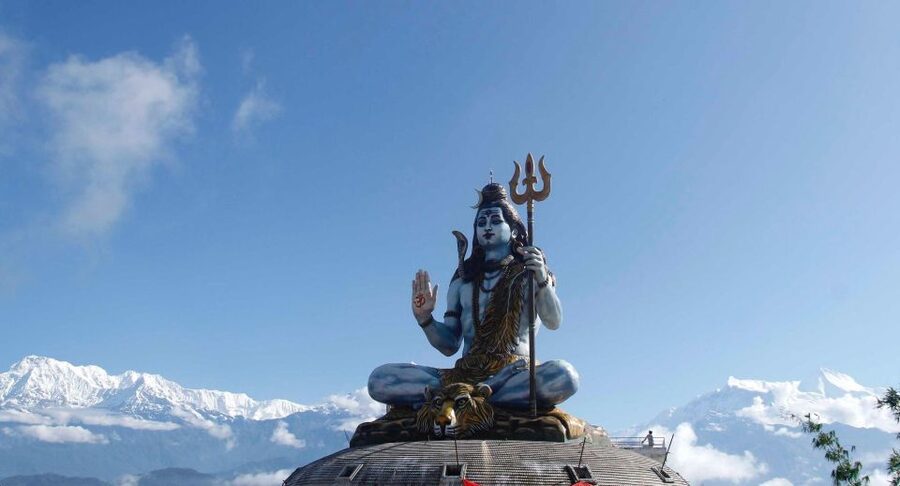
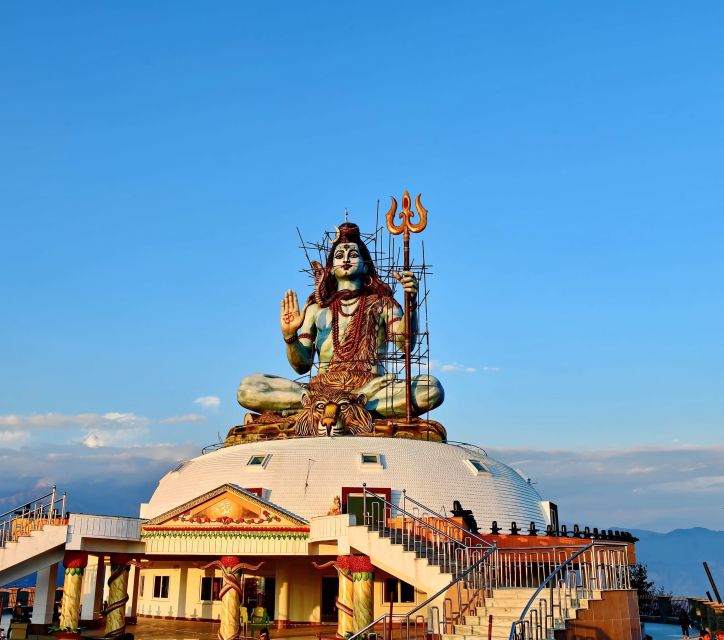
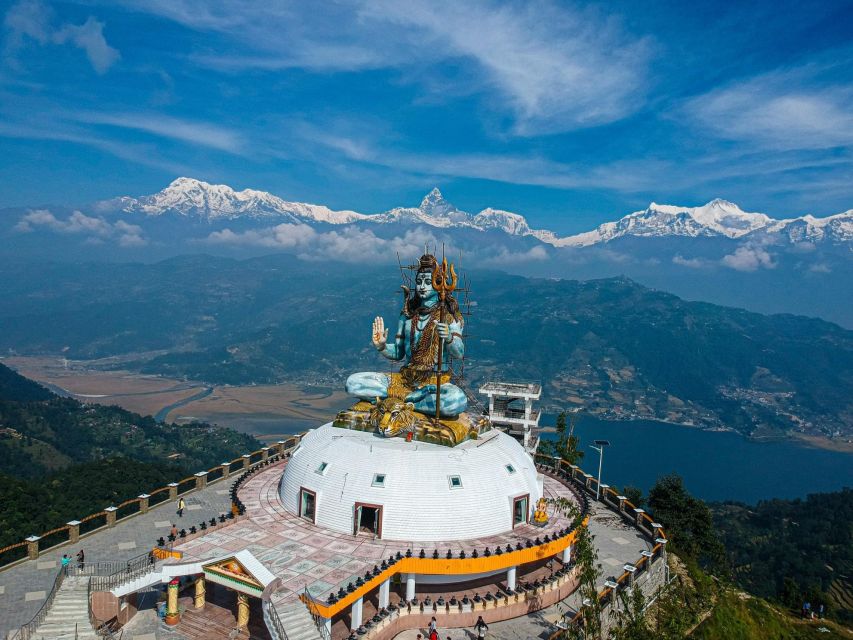
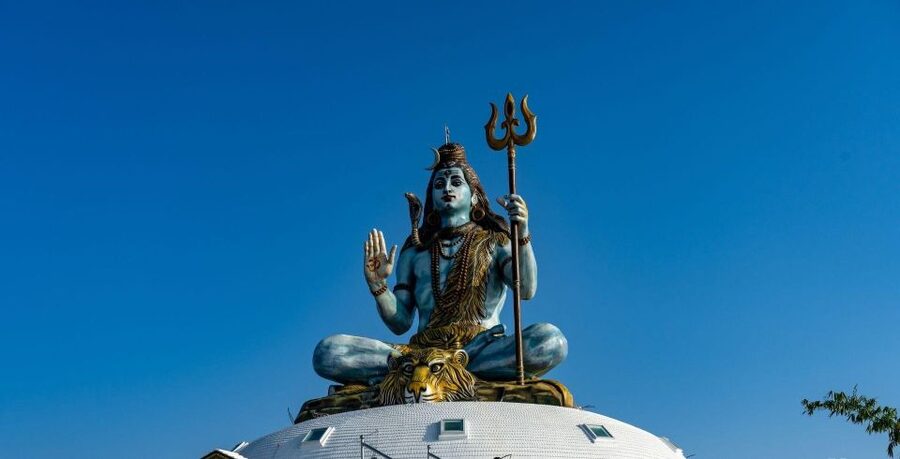
The day starts with a spiritual-and-viewpoint focus at Pumdikot, tied to the Shiva Idol and the Mahadev Temple area. This is where Pokhara’s hills start to feel real in your legs.
What to expect:
- You get a temple visit around 30 minutes.
- You will climb stairs and walk within the temple area.
- The experience is described as peaceful and spiritual, with panoramic views of the surrounding landscape.
In practical terms, Pumdikot is the “legs first” stop. Since the whole tour includes a total climb of about 200 steps, this one is often where you feel it most. If stairs make you cranky, wear shoes you can trust. No squeaky soles. No slippery sandals.
What I like about this stop is the mood. In a city where it is easy to rush to scenery, Pumdikot slows you down. Even if you are not super religious, you still get a sense of how locals connect hills, gods, and viewpoints.
Drawback to factor in:
- If your day is already planned around minimal walking, this temple stop can feel like a tough opener.
World Peace Pagoda: Buddhist Views with Real Quiet
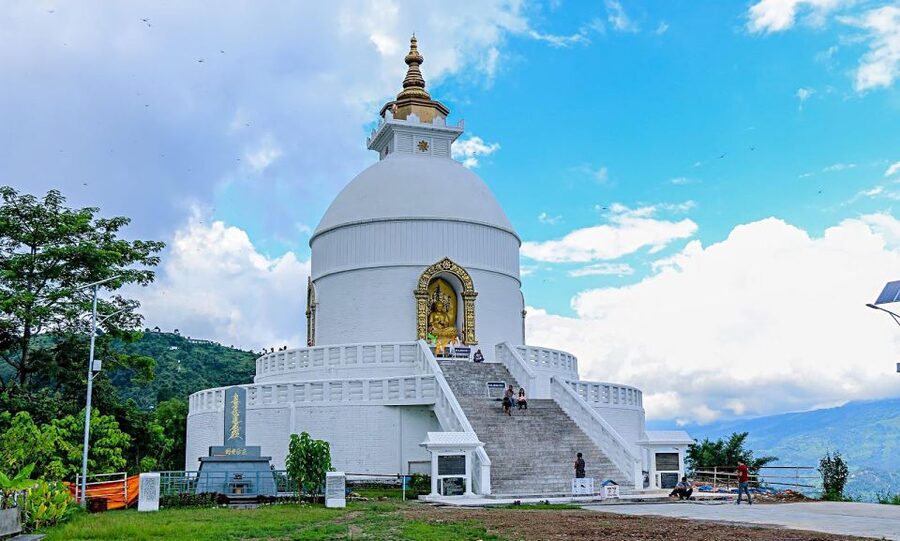
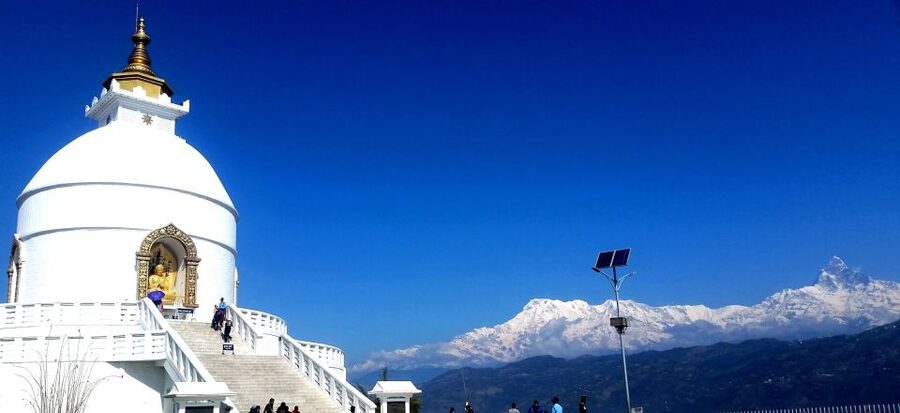
Next comes the World Peace Pagoda, a Buddhist monument on a hill overlooking Pokhara and the Annapurna mountain range. It is a symbol of peace and harmony, and the vibe is meant to be calm.
You typically spend about 30 minutes here, which is enough time to:
- walk around and take in the monument setting,
- enjoy the panoramic views,
- and absorb the quiet without feeling rushed.
This is also a stop where you can understand why Pokhara is famous. From up here, the city feels like a place built around viewpoints. The mountains are not just in the background, they shape the whole scene.
One balancing thought: because it is popular, you may share the space with other visitors. That said, the pagoda’s purpose is about stillness, so it rarely feels like a chaotic “attraction queue” in the way some sites do.
Another way to spend the time in Nepal:
- ATV Adventure Tour in Pokhara, Nepal
★ 5.0 · 194 reviews - Full-Day Tibetan Cultural Tour to Tibetan Settlements Pokhara
★ 5.0 · 184 reviews - Pokhara: Full-Day Sharing Bus Tour on 7 Iconic Destination
★ 4.1 · 179 reviews - Poon hill Trek 3 days
★ 5.0 · 176 reviews
Bindabasini Temple: Durga Devotion Right in Town
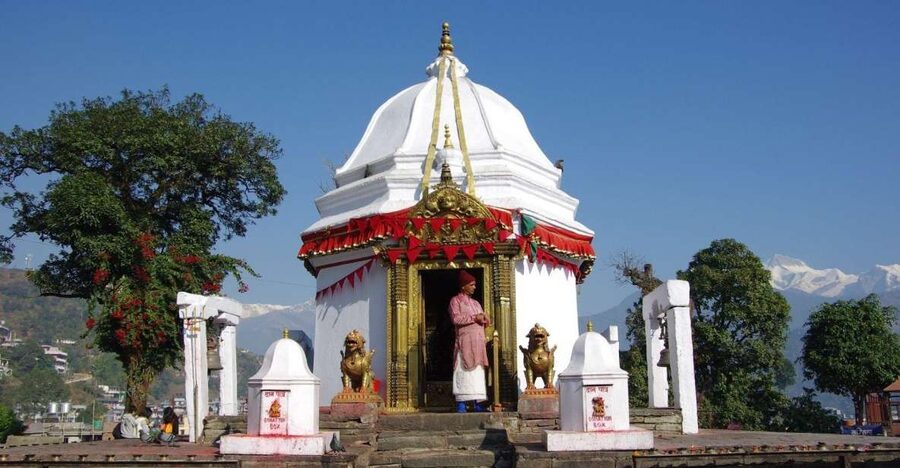
Back down closer to central Pokhara, you visit Bindabasini Temple. It is dedicated to Goddess Durga, and it is known as a Hindu shrine in the heart of the city.
The practical way the stop works:
- You take a bus to Bagar.
- Then you do a short walk to reach the temple.
- Inside and around the temple, you can watch devotees offering prayers.
- You also get panoramic views of the city from the temple premises.
This stop is different from the pagoda because it is more “alive.” You are not just looking at an object on a hill. You are seeing active worship, people moving through the space, and the temple functioning as it does daily.
If you like travel that includes spiritual texture, Bindabasini Temple is worth your time. If you are only chasing photos, you can still get some great angles, but this one hits hardest when you slow down and watch what is happening.
Davis Falls (Patale Chhango) and the Short Walk to Water Power
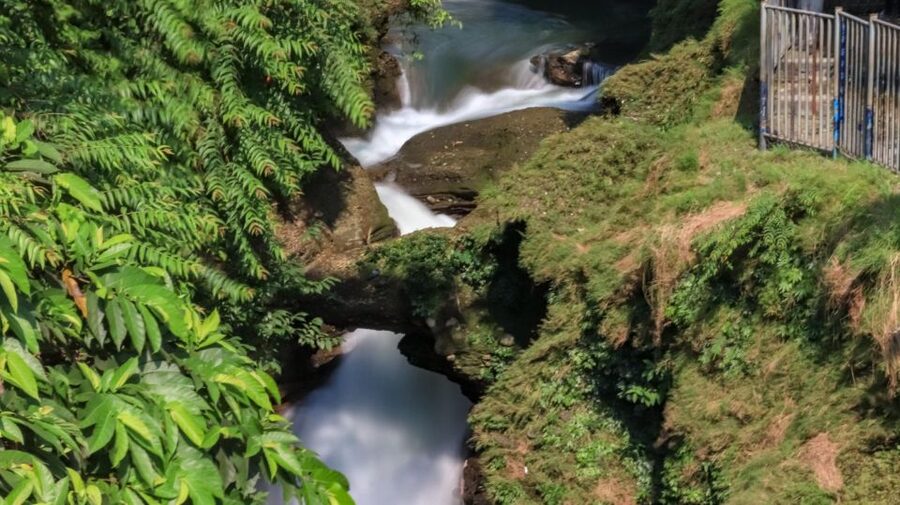
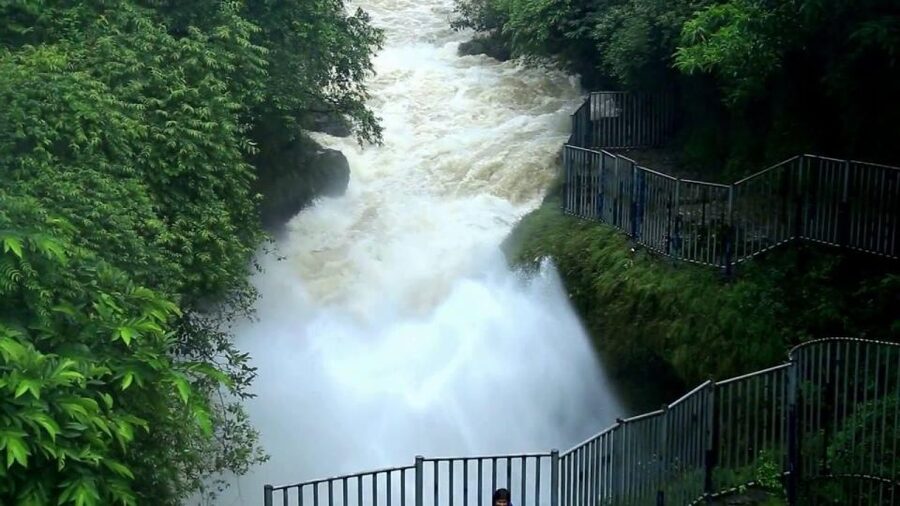
Davis Falls is known in Nepali as Patale Chhango. It sits in the southern part of Pokhara, and it is famous for its powerful cascades and the legend attached to the place.
You reach it by bus and then do a scenic walk to the falls area. The time on site is short, around 20 minutes, so you will want to be ready to move quickly once you arrive.
What I think makes Davis Falls special, even compared to other waterfalls:
- It is visually forceful. Water is the main character.
- The location is tied to story, so the waterfall feels more than just a pretty stream.
A caution that helps your experience: this is a “short visit but big impact” stop. If you arrive thinking you will casually wander for an hour, you will feel rushed. If you arrive with shoes on, a camera ready, and a willingness to get close to the water zone quickly, it becomes a satisfying payoff.
Gupteshwor Mahadev Cave: Lord Shiva and Stalactites Inside
Near Davis Falls, you visit Gupteshwor Mahadev Cave, an interconnected series of caves dedicated to Lord Shiva. This stop blends religion and geology in a way that is hard to fake.
You typically catch a bus to Shiva Mandir, then visit the cave. The time is about 30 minutes.
Inside, the focus is on:
- natural rock formations,
- stalactites and stalagmites,
- and the fact that this cave has a religious purpose and atmosphere.
If caves are your thing, this is the stop that often delivers the most “wow per minute,” because the interior formations create a strong visual effect without needing much infrastructure.
One practical thought: cave environments tend to involve uneven surfaces. Combine that with a stair-heavy day, and good footwear becomes non-negotiable.
Mahendra Cave: Limestone Formations and Underground Chambers
Mahendra Cave is named after the late King Mahendra and is located in the Batulechaur area. You get there via bus to Mahendrapul and then a short walk.
On this stop, expect about 20 minutes to explore limestone formations and underground chambers.
This is the more “geology-forward” cave experience on the route. Even if you are not a cave expert, you can still notice how limestone creates dramatic shapes over time. Underground chambers also feel like their own little world, which gives the whole day a nice rhythm shift from open-air viewpoints to enclosed, cool interiors.
If you feel a bit cave fatigue building up, pace yourself here. You do not need to sprint from chamber to chamber to enjoy the place. Slow down and let your eyes catch the forms.
Bat Cave: A Cave Stop Where Access Can Be Limited
The bat cave stop is exactly what it sounds like, with bats using the cave as habitat for shelter, roosting, and protection. These nocturnal creatures need specific environmental conditions, so cave access might be regulated to protect them and their habitat.
Your visit here is around 20 minutes.
Here is the practical takeaway: treat this as a “respect the rules” stop. If access is restricted, do not take it personally. You came for the experience, not the argument with a closed gate.
Also, because bats are part of a living system, your best approach is quiet and patient. If the cave area is not accessible in the way you expected, you will still come away with a sense of how Pokhara’s cave spaces work beyond tourism.
Seti River Gorge: A Quick Scenic Reset
Between the caves and the central temple stop, you get a brief stop at Seti River Gorge. It is short, about 10 minutes, which means it is more about a scenic break than a full exploration.
Why this matters:
- It breaks up the day so you do not feel stuck in a nonstop sequence of stairs and enclosed spaces.
- It gives you a glimpse of how water shapes Pokhara, not just at Davis Falls.
Think of it as a short palate cleanser before returning to the more active temple environment later.
Value and Money: What You Pay for, and What You Must Budget
The price is listed at about $9 per person for a 6-hour guided outing. That is a low-cost way to see multiple major Pokhara sites, and the inclusions explain why.
Included:
- hotel pickup and drop-off within the Lakeside area,
- round-trip transportation by sharing local bus,
- and a live tour guide.
Not included:
- personal expenses,
- food and drinks,
- entrance fees, estimated around NPR 800 per person.
So what is the real value? It is not just the ticket price. It is the fact that you get structured access to several widely spaced stops without having to organize transport between each one.
The entrance fees are the main variable to plan for. If you want to keep the day cheap, decide ahead of time which stops you truly care about. But if you are trying to see everything listed, treat entrance fees as part of the budget rather than a surprise.
One more practical money tip: because this is a group day, you often have less flexibility to pop out for food. It helps to plan for a lunch opportunity if your schedule allows, since your time on site is fixed.
Comfort Tips for 200 Steps, Caves, and Walking
This tour is not complicated, but your body has to cooperate. The tour notes:
- you will climb 200 steps on temple and to cave areas,
- and you walk in each place.
That is the make-or-break detail.
Wear:
- comfortable shoes that grip well.
- comfortable clothes you can move in without worrying about climbing and uneven surfaces.
Avoid bringing:
- luggage or large bags,
- and definitely no drones.
Also, the tour is not suitable for wheelchair users, so if mobility is a concern, skip this one and look for a flatter alternative in Pokhara.
Language and Expectations: What to Confirm Before You Go
This is a live-guided tour, so language matters. Your experience may depend on what language the guide can provide that day. If you need a specific language to feel comfortable, do not assume it will be available. It is worth confirming expectations before you commit.
The other “expectation check” is the sharing bus reality. Overcrowding can happen, and late arrivals can extend the day. If you are the kind of person who gets stressed when plans slide, go into this with patience.
Finally, on any multi-stop day, it pays to be alert when the group moves between sites. The goal is to hit every major spot, but if anything feels off during the route, ask the guide politely. A quick check-in helps the day stay on track.
Who This 6-Hour Pokhara Route Suits Best
This tour fits you well if:
- you want a best-of Pokhara day without driving yourself,
- you like temples, pagodas, and seeing how faith shows up in public space,
- you enjoy caves and do not mind walking through rock formations,
- you are okay with stairs, because 200 steps is part of the experience,
- you like meeting a mixed group in a shared bus setting.
It is less ideal if:
- you have limited mobility or hate stairs,
- you expect a slow, luxury pace,
- you need a strict schedule with no timing drift,
- or you are only interested in one type of sight (like just waterfalls, with no temples or caves).
Should You Book This Pokhara Seven-Stop Bus Tour?
If you want a packed introduction to Pokhara, this is a strong pick. The combination of World Peace Pagoda, Bindabasini Temple, Davis Falls, and multiple caves gives you a clear picture of what Pokhara offers beyond the lake viewpoints. At around $9 with pickup and guided transport, it is good value as long as you accept the shared-bus pacing.
I would book it if you show up ready for walking and stairs, and if you are comfortable with group logistics. I would skip it if stairs are a deal breaker or if you cannot handle timing changes.
My bottom line: for a first half-day in Pokhara, this route is practical, budget-friendly, and surprisingly varied. Bring good shoes, keep expectations flexible, and you will come away understanding the city fast.
FAQ
How long is the Pokhara seven-destination sharing bus tour?
The duration is listed as 6 hours.
What is included in the price?
The tour includes hotel pickup and drop-off within the Lakeside area of Pokhara, plus round-trip transportation by sharing local bus and a live tour guide.
What is not included?
Food and drinks, personal expenses, and entrance fees are not included. Entrance fees are estimated at around NPR 800 per person.
Where does pickup happen?
Pickup is included within the Lakeside area of Pokhara, with options at multiple hotels, such as Hotel Kunja, Dahlia Boutique Hotel, Hotel K2 Pokhara, Pokhara Cottage, and Lake View Resort.
Do I need to pay extra for entrance fees?
Yes. Entrance fees are estimated at approximately NPR 800 per person.
How much walking and stairs are involved?
You climb about 200 steps on the temple and to the cave areas, and you also walk at each place you visit.
Is this tour wheelchair accessible?
No. It is listed as not suitable for wheelchair users.
Are large bags allowed on the tour?
No. The tour does not allow luggage or large bags.
Are drones allowed?
No. Drones are not allowed.
What should I wear for the tour?
Wear comfortable shoes and comfortable clothes.
Latest additions near Pokhara
- Pokhara: Pokhara Highlights Tour by Bus★ 3.6 · 10 reviews
- Discover Pokhara in Style: Private Vehicle Service with Driver★ 5.0 · 5 reviews
- Pokhara in 5 Hours: Lake, Museum, Cave, Falls & Pagoda Hill★ 4.5 · 16 reviews
- The World Peace Pagoda in Pokhara★ 4.5 · 7 reviews
- 7-Day Trek to Annapurna Base Camp from Pokhara★ 5.0 · 12 reviews
- 4 Day Mardi Himal Base Camp Trek from Pokhara★ 5.0 · 18 reviews
- Unique Easy Hiking to Foxing Hill from Pokhara★ 5.0 · 4 reviews
- World Peace Stupa Day Hike From Pokhara★ 5.0 · 4 reviews
Pokhara Tours, compared.
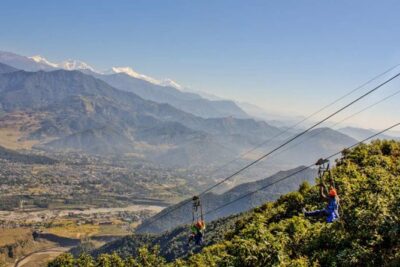
ZipFlyer Nepal – The World’s Steepest Zip-line
Read our review →


Full-Day Tibetan Cultural Tour to Tibetan Settlements Pokhara
Read our review →
Full-Day Sharing Bus Tour on 7 Iconic Destination
Read our review →
Trekking in Annapurna/Langtang/Everest/Upper Mustang regions
Read our review →