Reviewed · POKHARA TOURS
Pokhara Day Bus Sightseeing 8 points
Pokhara wakes up fast, and this bus loop hits the best bits. You start near Lakeside, then hop between viewpoints, caves, and temples, with great views as the common thread through the day.
I like how the route packs in iconic Pokhara stops without making you plan anything, and I also like the mix of spiritual sites plus natural sights. World Peace Pagoda and Phewa Lake feel like two ends of the same Pokhara story, calm religion on one side and lakeside relaxation on the other.
One thing to consider: this can feel like a budget, local-style outing. The bus may be older, and the “guide” experience can be lighter than you’d expect, with limited English in some cases.
In This Review
- Key things to know before you go
- Why this Pokhara day bus loop feels worth it
- The morning setup: pickup at Lakeside and a tight start
- Pokhara Lakeside: the 30-minute warm-up
- Pumdikot Shiva viewpoint: big views and a spiritual start
- World Peace Pagoda: calm, views, and time to breathe
- Davis Falls: water power and the underground tunnel idea
- Mahendra Cave: stalactites, stalagmites, and a second chance
- Seti River Gorge: quick stop, real geological drama
- Bindabasini Temple: where the religious side gets real
- Phewa Lake: the payoff hour on the water
- Transportation and guidance: what “guided” usually means here
- Timing reality check: a “4-hour” day that feels packed
- What’s included, what costs extra, and how to budget smart
- Rules of the road: small things that affect comfort
- Who this tour suits best
- Should you book this Pokhara day bus sightseeing?
- FAQ
- How much does the Pokhara day bus sightseeing cost?
- How long is the tour?
- What time does the tour start and when should I be ready?
- Where is the pickup?
- What stops are included during the trip?
- Are entry fees included?
- Is food included?
- What languages are spoken by the host or greeter?
- What should I bring?
- What is not suitable for this experience?
Key things to know before you go
- 8 stops in one morning, built around views, water, caves, and temples
- Pumdikot Shiva viewpoint first, so you get the big scenery early
- World Peace Pagoda + Phewa Lake, two peaceful, camera-friendly anchors
- Davis Falls and Mahendra Cave, the most memorable “nature plus mystery” stops
- Seti River Gorge and Bindabasini Temple, a good balance of outdoors and culture
- Comfort matters: wear shoes for uneven ground and expect a packed schedule
Why this Pokhara day bus loop feels worth it
Pokhara has a way of making you want to do everything at once, usually at the worst possible time, because the weather shifts and the day runs away from you. This bus tour is a practical answer: you get a set plan that moves through the best-known spots in a half-day style format.
The big attraction here is value. At about $19 per person for pickup, drop-off, and transport, you’re not paying for a private driver or an all-day itinerary. What you are buying is time management, and that matters in Pokhara, where distances are short on a map but the climbs and walking still add up in real life.
Also, the tour leans into what Pokhara does well. It mixes panoramic viewpoints (mountains in the background when weather cooperates), religious stops (Shiva and the World Peace Pagoda area), and “how did nature do that?” stops (waterfalls and cave formations). If you like seeing different sides of a place in one go, this fits.
That said, it’s not a luxury experience. Some of the experience quality depends on the exact bus and how much guidance you get on the day. If you expect constant, detailed explanations in fluent English, you might feel underfed.
More from Pokhara worth a second look:
- ZipFlyer Nepal – The World’s Steepest Zip-line
★ 5.0 · 608 reviews - Bungee Pokhara by HighGround Adventures
★ 5.0 · 366 reviews - From Pokhara: Sarangkot Sunrise Himalayas Tour
★ 4.7 · 218 reviews
The morning setup: pickup at Lakeside and a tight start
Your day starts around 9:00 am local time, with pickup from your hotel in Pokhara. The tour uses Lakeside as the anchor point, so if you’re staying near the Lake Side area, logistics are usually straightforward.
They ask you to contact the operator with your hotel name, street address, and contact number, so your pickup spot is correct. I recommend you do this early, ideally the day before. Also plan to be waiting about 20 minutes early, around 8:40 am, because Pokhara mornings can mean small delays from traffic and timing.
Practical tip: bring a charged phone and an ID copy. The tour specifically suggests a passport or ID card copy, and you’ll probably be asked to show it at some point. A small garbage bag is also a smart bring, because you’ll be out and moving, and littering is not allowed.
Pokhara Lakeside: the 30-minute warm-up
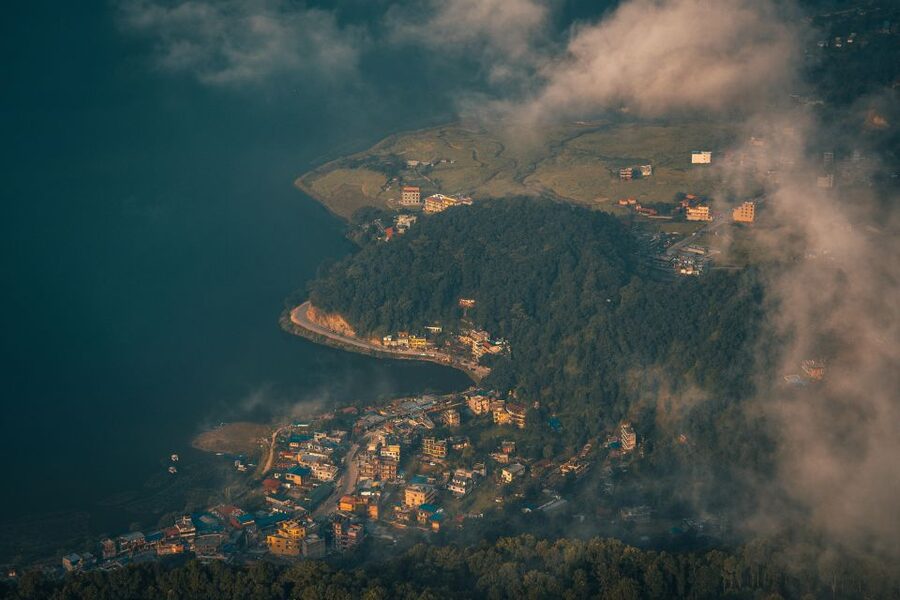
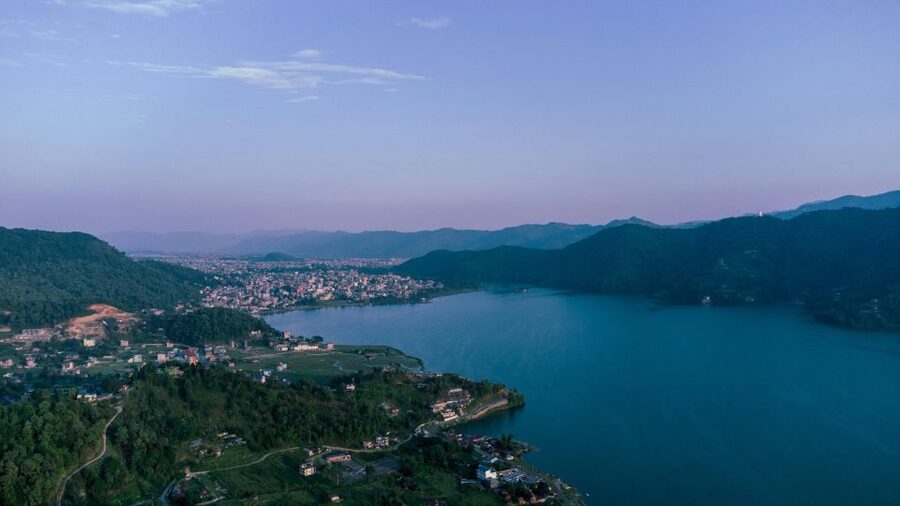
The first actual stop is Pokhara Lakeside for about 30 minutes. This is enough time to get oriented, grab water, and take that first look toward the lake. You’ll also get a chance to adjust before the bus starts climbing and switching directions.
Why this matters: when you see Pokhara from the lake area early in the day, the rest of your route makes more sense. You’re not just visiting names on a list. You’re watching how the town sits with Phewa Lake and the hills nearby.
If you’re the type who likes a calm start, don’t rush here. Take a few minutes to find where you’ll likely return later near the water.
Pumdikot Shiva viewpoint: big views and a spiritual start
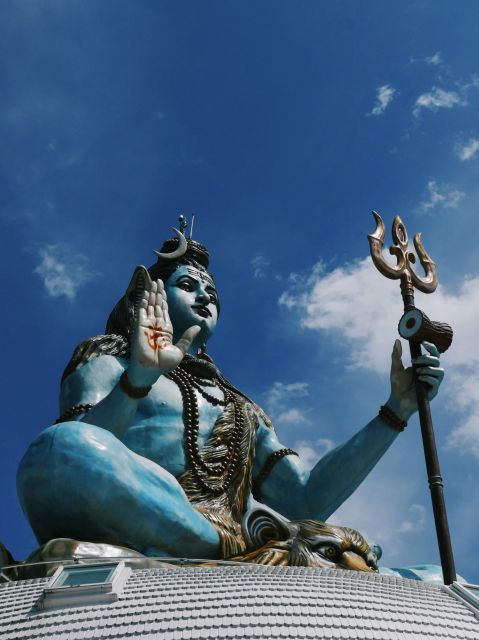
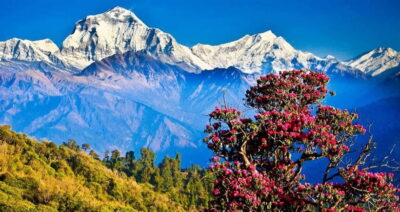
Next up is Pumdikot Shiva Statue, with about one hour there. This is a viewpoint stop, and the goal is a wide panorama over Pokhara Valley, with mountains in the distance when visibility is good.
What I like about this kind of start is momentum. By the time you reach your later stops, you already have the “wow” factor from the valley view, so the day feels rewarding even if clouds roll in for parts of the route.
Also, it’s not just a photo spot. It has a spiritual feel tied to the Shiva theme. Plan for a mix of walking and stairs. Comfortable shoes are a must. If you have heart or mobility issues, this part may be more challenging than you expect.
Another way to spend the time in Nepal:
- ATV Adventure Tour in Pokhara, Nepal
★ 5.0 · 194 reviews - Full-Day Tibetan Cultural Tour to Tibetan Settlements Pokhara
★ 5.0 · 184 reviews - Pokhara: Full-Day Sharing Bus Tour on 7 Iconic Destination
★ 4.1 · 179 reviews - Poon hill Trek 3 days
★ 5.0 · 176 reviews
World Peace Pagoda: calm, views, and time to breathe
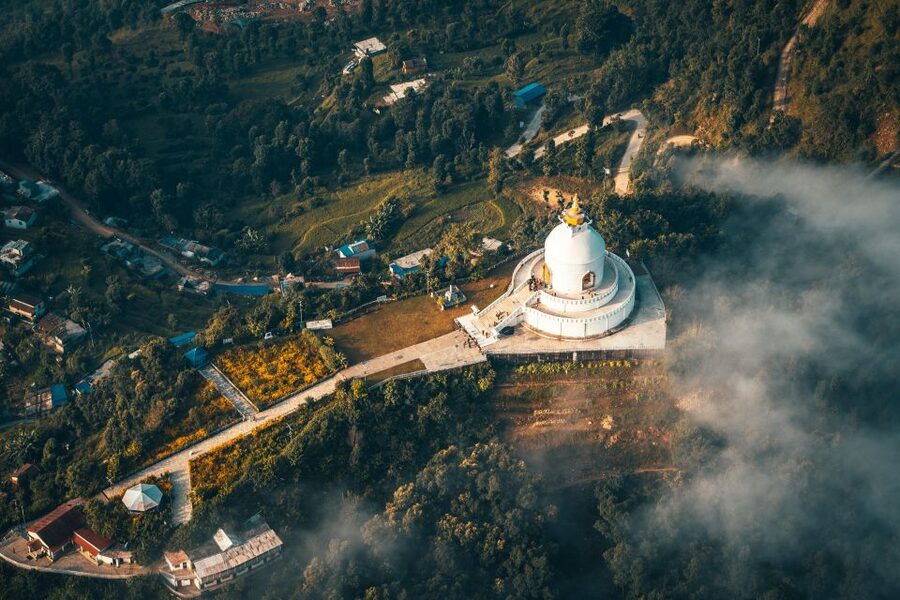
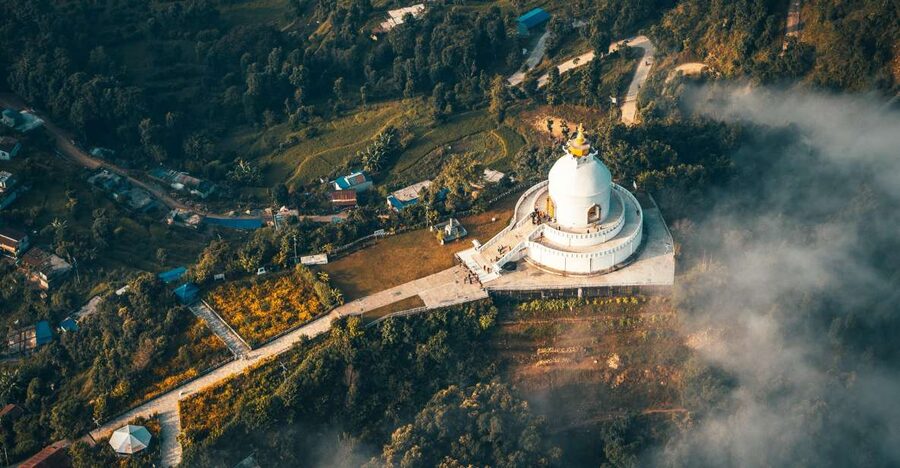
Then you head to the World Peace Pagoda area for about one hour. The pagoda overlooks Phewa Lake and offers panoramic views toward the Annapurna mountain range when weather allows.
This stop is a nice contrast to the earlier viewpoint. It’s more settled, more spiritual, and it gives you space to sit, look, and slow down. If your day has felt rushed so far, this is one of the best places to reset.
Camera note: this is a high-interest spot for photos. If you’re sensitive to crowds, go to one side first and find your angle before the group swells. If you enjoy people-watching, it’s also interesting because you’ll see a mix of local visitors and people traveling through.
Davis Falls: water power and the underground tunnel idea
After that comes Davis Falls, with around 30 minutes. This is the most “nature show” feeling stop on the route, known for a powerful cascade and its unique underground tunnel system.
You don’t need to know geology to appreciate it. It’s loud, fast, and dramatic, and the setting makes for solid photo opportunities. Just be careful around slippery edges and follow any safety guidance on-site.
Why this stop is valuable on a budget: it’s a major attraction that doesn’t require tickets included in your package. You’re paying for transport and time.
Also, if you’ve ever wondered how a waterfall can look one way from above and behave differently below ground, this is the kind of place that makes you think, even with a brief visit.
Mahendra Cave: stalactites, stalagmites, and a second chance
Next is Mahendra Cave for about one hour. The tour highlights stalactite and stalagmite formations, and it also mentions the sacred Gupteshwor Mahadev Cave within the complex.
This is usually the stop people remember because caves feel different from everything else in town. The air and lighting inside change the mood instantly, and the formations give you something to look at that’s not just a view.
One detail in this tour: Mahendra Cave appears twice in the day plan, with another one-hour visit later. Don’t panic. It likely means you’ll have a second block of time, or you may revisit the cave area for extra viewing or to align with the schedule.
Either way, treat it as a “don’t rush your photos” stop the first time. Then, if you get a repeat window, you can relax into it and look for details you missed.
If you’re claustrophobic, this is the part to take seriously. The tour isn’t suitable for people with claustrophobia, and cave spaces are exactly where that matters.
Seti River Gorge: quick stop, real geological drama
Then you’ll visit Seti River Gorge, with about 30 minutes. The tour description calls out a deep gorge carved through limestone rocks, and you’ll have time on the bridge to appreciate the natural beauty.
This is a classic short-stop attraction. It’s worth it because the gorge is visually striking, but you won’t have long to wander. That’s why this tour works best if you’re okay with “see it, get the photos, move on” pacing.
Wear shoes that grip well. The gorge area can be uneven, and you’ll be standing and walking around viewpoints.
Bindabasini Temple: where the religious side gets real
Next is Bindabasini Temple, with about 45 minutes. This is your culture and religion stop on the route, tied to the spiritual ambiance of an ancient temple.
Why this matters on a day bus tour: without a temple stop, the day could feel like a string of outdoor attractions. Adding Bindabasini gives you Pokhara’s human side, the side locals return to again and again.
If you’re respectful and observant, you’ll feel the difference. It’s not a theme park. People are there with intentions, and the tone is more devotional than touristy.
Phewa Lake: the payoff hour on the water
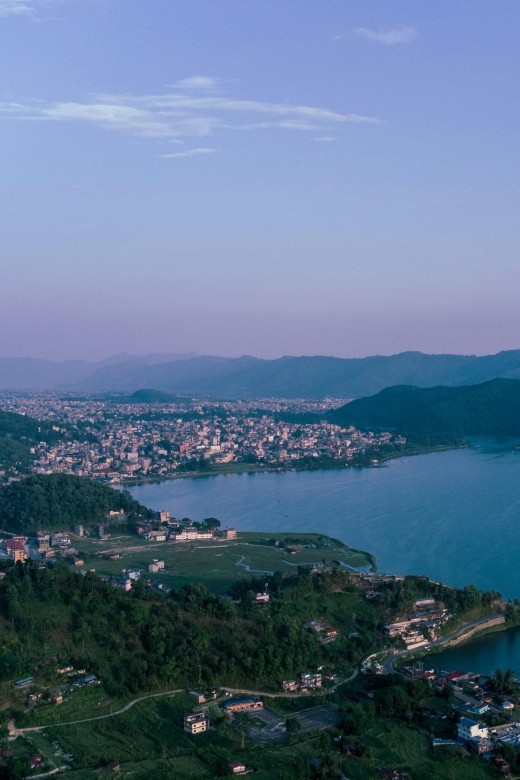
Finally, you reach Phewa Lake for about one hour. This is the signature finish for many Pokhara days. The tour suggests you can enjoy a boat ride or simply relax by the serene shores.
Even if you don’t do a boat trip, this is where the day becomes yours. You can stretch your legs, watch the lake activity, and let your eyes adjust after cave darkness and steep viewpoint angles.
Value tip: because boat rides and other extras are not included, decide in the moment based on time and your energy. With a fixed schedule, it’s better to commit to one choice rather than trying to do everything.
Transportation and guidance: what “guided” usually means here
The tour includes an experienced driver and a host or greeter who speaks Nepali, Hindi, and English. But the level of guidance can vary.
A key thing I’d watch for: some days the English explanation might be limited, and the “guide” role can sometimes feel closer to a coordinator than a full-on interpreter. If you want deeper context at each stop, come prepared with a few basics you’re curious about, or use offline translations.
Also, expect a group vibe. This is not a private setup. Some days your group may skew mostly local or Indian, which can actually be fun if you like seeing how a place looks when locals are part of the scene. Just don’t assume the group will match your travel style.
Bus condition can also be a factor. The tour is budget-priced, so treat comfort as a “bring your own expectations” category. If cleanliness matters most to you, arrive with realistic standards and keep wipes or a small towel handy.
Timing reality check: a “4-hour” day that feels packed
The experience is listed as 4 hours, but the stop times add up quickly: multiple guided blocks, plus transfers between them. The practical takeaway is simple. This is a short-day route with limited slack.
You’ll get enough time to see the highlights, but not enough time to wander deep into side areas. So prioritize: if there’s one stop you care about most, make sure you get your photos and your viewing in without waiting for the rest of the group.
If you’re prone to motion sickness, the tour notes it is not suitable for people with motion sickness. That’s important on a winding route with short transitions between uphill viewpoints and downhill stops. If that’s you, skip this one.
What’s included, what costs extra, and how to budget smart
Your ticket includes pickup and drop-off, and it covers fuels, taxes, and service charge, plus the tour operator and the driver. You’re also covered for transport between stops.
Not included:
- Entry fees
- Food
- Personal expenses
So the real cost is your snacks and any site fees that apply. Also, if you want a boat ride at Phewa Lake, that’s an extra you’d need to pay separately.
Is it good value? For many people, yes, because you’re paying to save planning time and to get transport between the major Pokhara icons. If you only care about one or two stops, you might do better with a cheaper point-to-point plan. If you want a snapshot of Pokhara’s main sights in one half-day flow, this is priced to work.
Rules of the road: small things that affect comfort
The tour notes several “not allowed” rules, including no smoking in the vehicle, no intoxication, no alcohol and drugs, and no littering. It also asks people to avoid making noise.
Why you should care: these rules shape the vibe on the bus. A quieter, more orderly trip is more likely on a shared budget tour, especially when people are moving together through religious and nature sites.
Also, the tour isn’t suitable for people with back problems, heart problems, mobility impairments, wheelchair users, people with low fitness, and those with claustrophobia. If any of these apply, don’t try to force it. The walking, stairs, and cave environment make this a poor match.
Who this tour suits best
This day bus loop is a strong fit if you:
- Want a fast Pokhara highlights circuit without arranging transport between stops
- Like a mix of temples, caves, and water rather than only viewpoints
- Are comfortable with a busy schedule and short time per stop
- Travel light and can handle a bit of group pacing
It’s not a great fit if you:
- Need detailed English interpretation all day
- Are picky about bus cleanliness or comfort
- Want lots of free time at each site
- Have claustrophobia, motion sickness, or mobility limitations
Should you book this Pokhara day bus sightseeing?
Book it if you want a budget-friendly way to hit Pokhara’s headline sights in one morning and you’re okay with a packed schedule, basic guidance, and possible variation in bus comfort. At around $19, the deal is mainly the transport and the stop order, not premium storytelling.
Skip it if you crave a quiet, private, highly guided experience with lots of flexibility. Also skip if cave or stairs are a problem for you.
If you do book, my advice is simple: prioritize your must-see stop (Pumdikot for views, Davis Falls for drama, Mahendra Cave for formations, or Phewa Lake for the finish), wear good shoes, and don’t rely on perfect English explanations. Go with the mindset of sightseeing by rhythm, not slow travel, and you’ll likely feel satisfied.
FAQ
How much does the Pokhara day bus sightseeing cost?
It is listed at $19 per person.
How long is the tour?
The duration is 4 hours.
What time does the tour start and when should I be ready?
The tour starts around 9:00 am local time, and you should be at the pickup around 8:40 am.
Where is the pickup?
Pickup is included. The pick-up location is determined based on your hotel address, and the request is to contact the operator to confirm your pickup spot. The Lakeside area is used as the tour’s anchor.
What stops are included during the trip?
The day includes Pokhara Lakeside, Pumdikot Shiva Statue, World Peace Pagoda, Davis Falls, Mahendra Cave, Seti River Gorge, Bindabasini Temple, and Phewa Lake. Mahendra Cave is listed again later in the schedule.
Are entry fees included?
No. Entry fees are not included.
Is food included?
No. Food is not included.
What languages are spoken by the host or greeter?
The host or greeter speaks Nepali, Hindi, and English.
What should I bring?
Bring comfortable shoes and clothes, a charged smartphone, and a passport or ID card copy. A garbage bag is also recommended.
What is not suitable for this experience?
It is not suitable for people with back problems, mobility impairments, wheelchair users, claustrophobia, heart problems, motion sickness, low fitness, and other limitations listed by age and health needs.
Latest additions near Pokhara
- Pokhara: Pokhara Highlights Tour by Bus★ 3.6 · 10 reviews
- Discover Pokhara in Style: Private Vehicle Service with Driver★ 5.0 · 5 reviews
- Pokhara in 5 Hours: Lake, Museum, Cave, Falls & Pagoda Hill★ 4.5 · 16 reviews
- The World Peace Pagoda in Pokhara★ 4.5 · 7 reviews
- 7-Day Trek to Annapurna Base Camp from Pokhara★ 5.0 · 12 reviews
- 4 Day Mardi Himal Base Camp Trek from Pokhara★ 5.0 · 18 reviews
- World Peace Stupa Day Hike From Pokhara★ 5.0 · 4 reviews
- Unique Easy Hiking to Foxing Hill from Pokhara★ 5.0 · 4 reviews
Pokhara Tours, compared.
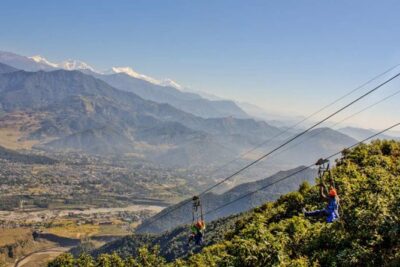
ZipFlyer Nepal – The World’s Steepest Zip-line
Read our review →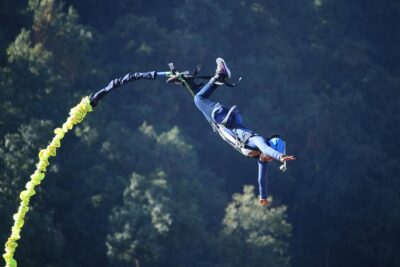
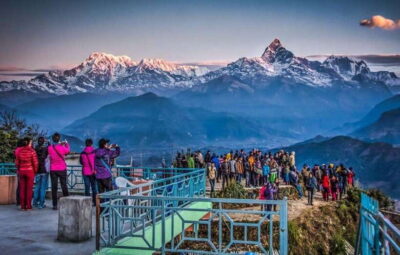


Full-Day Tibetan Cultural Tour to Tibetan Settlements Pokhara
Read our review →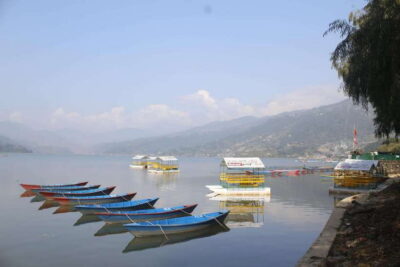
Full-Day Sharing Bus Tour on 7 Iconic Destination
Read our review →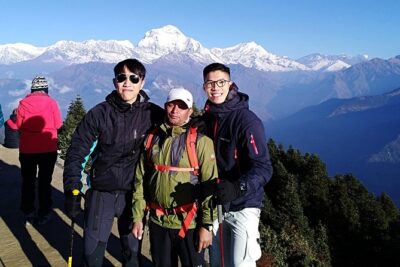
Trekking in Annapurna/Langtang/Everest/Upper Mustang regions
Read our review →