
Reviewed · CITY TOURS
Pokhara: City Tour in Sharing Bus
A big Pokhara day, in a shared ride.
This Pokhara city tour by sharing bus is interesting because it strings together temples, dramatic water features, and underground cave sights in one smooth half-day block, with a local guide you can ask questions to along the way. Two things I especially like: the pickup and drop-off in the Lakeside/Phewa Lake area makes it easy to start without fuss, and the route covers several top hits you would otherwise spread across multiple trips. One possible drawback: the minibus is very basic, and you’ll need to budget extra for entrances and meals at a few stops.
If you’re in Pokhara for a short stay, this tour has a practical rhythm. You see a hilltop temple first thing, then shift to gorges and caves, add a lakeside break at Begnas Lake, and finish back near Phewa Lake so you can keep your day going on your own. It’s not a luxury private tour, but it is good value for packing in a lot of variety.
In This Review
- Key points before you go
- Why this Pokhara shared bus tour makes sense
- Getting on board: pickup, bus basics, and the 23-person cap
- Stop 1: Shree Bindhyabasini Temple and its steep stair climb
- Stop 2: Seti River Gorge, a gorge view plus optional museum time
- Stop 3: Mahendra Cave, an easy-to-miss underground visit
- Stop 4: Begnas Lake break, lunch on your dime, boating if you want it
- Stop 5: Devi’s Fall, the famous water drop moment
- Stop 6: Gupteshwor Mahadev Cave, 140 meters and Shiva on two levels
- Stop 7: Back to Phewa Tal, easy end near where you’re staying
- Price and value, with the real cost in mind
- Who this tour suits best
- Final call: should you book?
- FAQ
- What time does the Pokhara city tour start?
- How long is the tour?
- Is hotel pickup included?
- How big is the group on this shared bus tour?
- Is lunch included?
- Are entrance fees included?
- Is boating included at Begnas Lake?
- Is free cancellation available?
Key points before you go
- Pickup stays simple near Phewa Lake: included only within the Lakeside area.
- Shared minibus, max 23 people: up to a crowd of 23 means less flexibility, but lower cost.
- Multiple cave sights: Mahendra Cave and Gupteshwor Mahadev Cave both matter.
- One temple comes with serious stairs: Shree Bindhyabasini Temple is high on a hill and reached by steep steps.
- A lake break that you can customize: Begnas Lake is a free stop, but boating costs extra.
- Expect extra pay at some sites: entrances run about US$6 per person, and lunch is not included.
Why this Pokhara shared bus tour makes sense
Pokhara can feel like it has “only lakes and views,” until you start adding temples, gorges, and caves into the mix. This tour is built for that moment when you realize the region has more than postcard scenery. In about 6 hours, you hit a hilltop Hindu temple, a river gorge, two caves, and famous waterfalls, then you end back around Phewa Tal where most people stay.
The shared format is part of the deal. You ride with a group on a basic minibus, likely waiting a bit for everyone to gather and for the bus to find parking at each stop. But the upside is value. You get a planned route, a guide who can help you understand what you’re looking at, and the convenience of not needing taxis hop by hop.
I also like how the tour balances “big spectacle” stops with smaller, more hands-on cave time. Devi’s Fall is a must-see water moment, but the cave visits are what give the day texture, especially if you enjoy getting a little off the main road.
More City Tours in Pokhara
- Pokhara: Sarangkot Sunrise with Half or Full-Day City Tour
★ 4.8 · 100 reviews - Guided Tour to explore the entire Pokhara City
★ 5.0 · 51 reviews - Pokhara: City Sightseeing Group Bus Tour
★ 4.1 · 37 reviews
Getting on board: pickup, bus basics, and the 23-person cap
The tour starts at 9:45 am. If you’re staying around Phewa Lake/Lakeside, pickup and drop-off are included. That’s a big deal in Pokhara, because it can be hard to coordinate transportation from outside the Lakeside area without extra cost.
The ride itself is a sharing mini bus. Expect “basic.” That usually means practical seating and nothing fancy, but it can also mean the experience feels more like organized sightseeing than a comfortable lounge ride. Still, with only one day and a busy itinerary, you’re likely fine as long as you bring a good attitude and hydrate.
Group size is capped at 23 people. For a shared day tour, that’s a manageable size. You won’t feel like you’re packed into a huge bus. The tradeoff is that the pace stays group-friendly, not tailored to your personal timing.
One real-world plus, based on the way this operation communicates, is that the owner and staff are hands-on. There’s a clear pattern of stepping in when a pickup gets tricky, and that kind of backup matters when you’re trying to catch a bus on schedule.
Stop 1: Shree Bindhyabasini Temple and its steep stair climb
Your first major stop is Shree Bindhyabasini Temple. After pickup, it’s about a 40-minute drive, then you’re positioned on a hill with hundreds of steep stairs leading up to the temple complex. Entrance is listed as free, which is nice, but the physical part is the real ticket price here.
What I like about starting with this temple is that it sets the tone. You get a religious viewpoint over Pokhara early in the day, and you’re already moving from city energy into hill energy. Also, starting at 9:45 am means you’re less likely to hit the hottest part of the day during the climb.
Possible drawback: if stairs are a problem for you, this is the stop that can be the toughest. You’ll want to wear supportive shoes and pace yourself on the ascent. If you have mobility concerns, this is worth thinking about before booking.
Stop 2: Seti River Gorge, a gorge view plus optional museum time
Next you head to Seti River Gorge, around a 30-minute stop. The basic idea is simple and impressive: a river has carved its way through mountainous terrain, creating gorge scenery that looks both wild and natural.
Beside this area, there’s Gorkha Museum. You can choose to visit it, but you’ll need to tell your local guide you want to go there. That’s a good sign for flexibility, as long as you’re comfortable with the idea that your time might be adjusted to fit the group schedule.
Entrance at this stop is noted as not included. So even if the gorge is the star, plan for small extra costs that pop up where tickets apply.
What to expect practically: you’ll likely do some short walks and viewpoint checking. Bring a light layer if it’s breezy, and don’t rely on perfect paths for photos. In gorge areas, the best angles often come from where you can stand safely.
A few more Pokhara routes to compare
- Explore Entire Pokhara City
★ 5.0 · 9 reviews - Explore Pokhara City in Sharing Bus
★ 5.0 · 6 reviews - Pokhara: City Sightseeing Group Budget Bus Tour
★ 4.7 · 6 reviews - Pokhara City Tour in Sharing Bus
★ 5.0 · 5 reviews
Stop 3: Mahendra Cave, an easy-to-miss underground visit
After the gorge, you go to Mahendra Cave for about 30 minutes. Entrance is not included. This cave is one of the day’s “switch your thinking” moments. Instead of looking out over Pokhara, you’re looking at earth from the inside.
Cave time can vary depending on conditions, and some caves can feel tight. What I like here is the contrast: outside, you’ve got gorge and water scenery. Inside, you get that cool, darker tempo where details matter more than scale.
A detail worth knowing: some people note seeing bats inside the cave area. You might spot them, and it’s one of those natural reminders that these aren’t staged attractions. If you’re sensitive to wildlife, keep your expectations realistic and follow your guide’s cues.
Stop 4: Begnas Lake break, lunch on your dime, boating if you want it
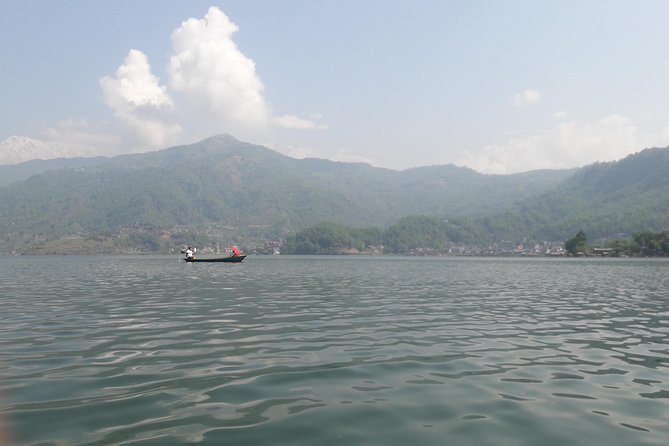
After lunch (available for purchase), you drive about 1 hour to Begnas Lake. This is a longer reset break, with around 1 hour 20 minutes on the water area. Entrance is listed as free.
Begnas Lake is where you get to slow down. This is also one of the easiest places to customize your day. You can do boating by rowing boat, but that’s an additional cost. If you’re traveling on a budget, you can skip the boat and still enjoy the lake time, because you’re already getting the scenery and the rest stop.
Then you head back toward a waterfall stop. That timing matters. Lakeside breaks are great, but don’t let the hour drift too long if you want good energy for the cave and fall visits later.
Practical tip: bring something for shade and water for the ride. Even if the day doesn’t feel intense, a few hours of walking, stairs, and cave waiting can add up.
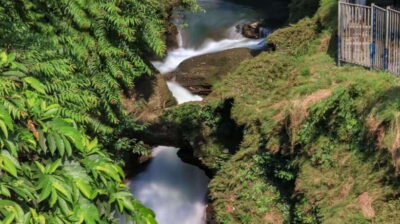
Stop 5: Devi’s Fall, the famous water drop moment
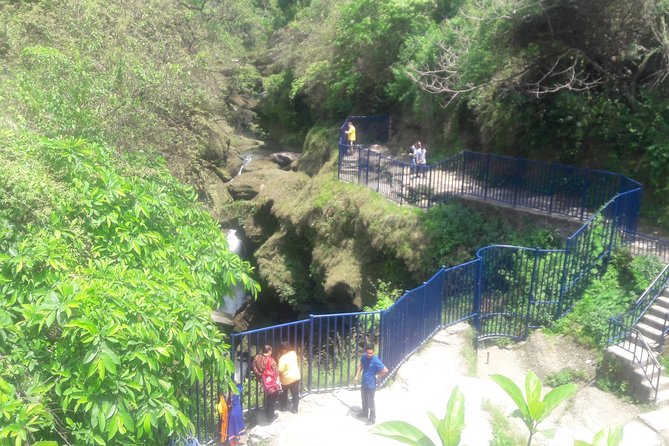
Next is Devi’s Fall, about 20 minutes. Entrance is not included. This is one of Pokhara’s signature “how did that happen” sights, where water disappears and the story is written into the rock.
With only a short time allocated, your best strategy is to be ready on arrival. Find your viewpoint quickly, take your photos, then watch the flow for a few minutes. Water is always moving, so your first angle won’t always be the best angle, but you won’t have time for long wandering.
If you don’t love crowds, this is still manageable because the time slot is short. Wear shoes with grip because wet areas can be slick.
Stop 6: Gupteshwor Mahadev Cave, 140 meters and Shiva on two levels
Then you move to Gupteshwor Mahadev Cave, about 40 minutes. This is one of the tour’s most fact-rich stops.
Here are the key details you should know:
- The cave is 140 meters depth.
- A Lord Shiva temple sits within the cave for the first 40 meters.
- For the next 100 meters, a river from Devi’s Fall passes through inside the cave.
Entrance is not included. So again, plan for extra payment at ticket sites.
What makes this cave special is the combination of religion and real water flow in a single underground space. You’re not just walking through a dark room, you’re walking through a system that connects multiple stops in the region. That helps the day feel more connected, instead of feeling like a pile of unrelated sightseeing checkmarks.
Worth considering: caves can have damp footing and uneven footing. Keep your attention on where you step, and take it slow. Also, if you get nervous in dark spaces, this is the kind of place where a steady, calm pace helps you enjoy it.
Stop 7: Back to Phewa Tal, easy end near where you’re staying
The final stop is Phewa Tal (Phewa Lake area), about 20 minutes, then you’re driven back to the Lakeside area where the tour ends. Entrance is free for this final stop.
I like how this finishing point works. You don’t get dropped somewhere far from food or your hotel. Instead, you end in the area where you can easily keep exploring, grab dinner, or take a short lakeside walk while you still have daylight.
If you’re planning another activity later that evening, you’ll appreciate that the tour ends near the heart of where most people stay.
Price and value, with the real cost in mind
The tour price is US$18 for the sharing minibus day tour. That’s a strong base price for Pokhara because you’re paying for transportation, a local guide, and included pickup and drop-off within the Lakeside/Phewa area.
But to make the value math accurate, you have to add the extras you’ll likely face:
- Entrance fees: about US$6 per person (not included).
- Meals: lunch is available for purchase.
- Optional: boating at Begnas Lake costs extra.
So you’re not just paying $18. You’re paying $18 plus ticket costs and whatever you choose for lunch and optional boat time. Still, it typically works out as good value if you want a lot of major sights in one day and you don’t want to negotiate taxis all day.
Also, the included local guide is part of the value. You might not need them every moment, but having someone to answer questions helps make temples and caves feel clearer, not confusing. The guide is there, and you have to ask if you need info.
Who this tour suits best
This is a great match if:
- You’re doing Pokhara in a limited timeframe and want a high hit-rate day.
- You’re okay with a basic bus and a shared group schedule.
- You like variety, not just one type of sight.
It may be less ideal if:
- You struggle with steep stair climbs, especially at Shree Bindhyabasini Temple.
- You strongly prefer a slower pace with lots of free time at fewer stops.
- You want every entrance and meal included with no extra planning.
If you’re the type who likes to “get your bearings fast,” this tour can be a smart move. It gives you a map of where things are, and after you return to Phewa Lake, you can decide what you want to do next.
Final call: should you book?
Yes, I’d book this if you want an efficient Pokhara highlights day with pickup near Phewa Lake, a capable guide, and a route that covers caves and waterfalls in one go. The price is attractive, and the structure is simple enough that you won’t waste your first morning figuring out transport.
If stairs are an issue for you, or you hate any extra fees, then consider alternatives or plan your comfort level around the hilltop temple and cave walking. Otherwise, this shared tour is exactly the kind of practical sightseeing day that helps you enjoy Pokhara without turning your trip into a logistics project.
FAQ
What time does the Pokhara city tour start?
The tour starts at 9:45 am.
How long is the tour?
It runs for about 6 hours.
Is hotel pickup included?
Yes, pickup and drop-off are offered within the Phewa Lake area, specifically the Lakeside area.
How big is the group on this shared bus tour?
The tour has a maximum of 23 travelers.
Is lunch included?
Lunch is available for purchase, so it is not included in the tour price.
Are entrance fees included?
No. Entrance fees are not included, and they are listed as about US$6 per person.
Is boating included at Begnas Lake?
Boating is optional. You can rent a rowing boat at an additional cost.
Is free cancellation available?
Yes. You can cancel up to 24 hours in advance for a full refund.
Latest additions near Pokhara
- Pokhara: Pokhara Highlights Tour by Bus★ 3.6 · 10 reviews
- Discover Pokhara in Style: Private Vehicle Service with Driver★ 5.0 · 5 reviews
- Pokhara in 5 Hours: Lake, Museum, Cave, Falls & Pagoda Hill★ 4.5 · 16 reviews
- 7-Day Trek to Annapurna Base Camp from Pokhara★ 5.0 · 12 reviews
- 4 Day Mardi Himal Base Camp Trek from Pokhara★ 5.0 · 18 reviews
- The World Peace Pagoda in Pokhara★ 4.5 · 7 reviews
- Unique Easy Hiking to Foxing Hill from Pokhara★ 5.0 · 4 reviews
- World Peace Stupa Day Hike From Pokhara★ 5.0 · 4 reviews
City Tours, compared.
Sarangkot Sunrise with Half or Full-Day City Tour
Read our review →
Full Day Kathmandu City Sightseeing Tour of UNESCO Heritage Sites
Read our review →
Browse the lists this tour appears in