Reviewed · POKHARA TOURS
Pokhara: Budget Unguided Tour By Sharing Bus
Stair steps, mountain views, and caves in one circuit. This Pokhara budget day tour is built for travelers who want major sights without paying for a private driver. I like that you’re guided through the key places with a local who can explain what you’re seeing, and I also like how the route stacks big Annapurna viewpoints into a short day.
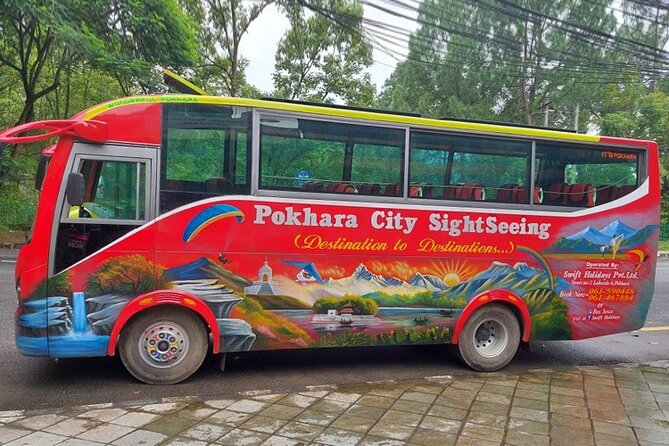
You’ll get hotel pickup and drop-off if you choose that option, and the shared bus keeps the cost down while still moving efficiently between stops. The itinerary is short enough to feel like a “great hits” loop, but long enough to give you time to actually explore places like Bindhyabashini Temple and Gupteshwor Gupha. The one drawback to keep in mind is pace and stairs, this is not a sit-and-watch tour.
In This Review
- Key Highlights You’ll Notice Fast
- The Simple Pitch: A Budget Pokhara Loop That Still Feels Like a Real Day
- Price and Value: $12, Plus What You’ll Probably Spend on Tickets
- Meeting Point and Timing: Know Where to Be Before the Bus Leaves
- Bindhyabashini Temple: Hundreds of Stairs and the Annapurna Line
- Seti River Gorge: The “Milky Water” Stop That Feels Like a Natural Special Effect
- Mahendra Cave: Clay Smells, Fossils, and a Different Kind of Quiet
- Pumdikot and the Asia-Largest Shiva Idol: Big, Scenic, and Very Photo-Friendly
- Gupteswar Gupha Cave: 140 Meters Down, Fossil Ceiling Up Close
- Devi’s Fall: Water, Views, and the Kind of Place You Stop Thinking
- Phewa Tal Finale: Lake Time After the Bus Drops You
- The Local Guide Factor: Helpful Explanations, Not Just Sight-Calling
- Shared Bus Reality: Group Size, Waiting, and Why Patience Pays
- What to Bring and How to Pace Yourself
- Who This Tour Fits Best
- Should You Book This Budget Pokhara Bus Tour?
- FAQ
- What time does the tour start in Pokhara?
- Where does the tour meet, and where does it end?
- Is hotel pickup and drop-off included?
- How long is the tour?
- Are entrance fees included?
- What is the cancellation window?
Key Highlights You’ll Notice Fast
- An Annapurna view morning, with stops on hills like Bindhyabashini Temple and Pumdikot
- Cave time plus fossil ceilings, at Mahendra Cave and Gupteshwor Gupha
- A giant Shiva statue at Pumdikot, described as Asia’s largest Shiva idol
- Seti River Gorge color and depth, where the water looks milky
- End at Phewa Tal, with lake time after the bus drops you back
The Simple Pitch: A Budget Pokhara Loop That Still Feels Like a Real Day
Pokhara is full of “one place is great, but it’s hard to reach” problems. This tour solves that with a shared bus and a fixed route that hits the most talked-about sights in a single morning-to-midafternoon block. If you’re trying to make the most of limited time, that structure matters.
You’re not just hopping between viewpoints. You also get a guide to talk you through temples, caves, waterfalls, and what locals pay attention to at each stop. That helps you look more than just take photos. And the price is low enough that you can spend your money on food, a hot shower later, or a second activity in Pokhara.
More from Pokhara worth a second look:
- ZipFlyer Nepal – The World’s Steepest Zip-line
★ 5.0 · 608 reviews - Bungee Pokhara by HighGround Adventures
★ 5.0 · 366 reviews - From Pokhara: Sarangkot Sunrise Himalayas Tour
★ 4.7 · 218 reviews
Price and Value: $12, Plus What You’ll Probably Spend on Tickets
The base price is $12 per person, and the tour includes round-trip shared transfer by bus, plus hotel pickup and drop-off if that option is selected. The “hidden cost” to plan for is entrance tickets. Paid admissions are listed as approximately US$ 13 per person, and several stops are free.
Here’s how I’d think about value:
- If you compare this to hiring your own transport for multiple hill and cave stops, the shared bus is the big win.
- You still get a guided day and a sequence that’s designed to reduce wasted time.
- Your total cost is usually still budget-friendly even after entrance fees, assuming you’re okay with a mid-range ticket add-on rather than a fully inclusive price.
So yes, it’s inexpensive. But it’s not free. Bring some cash and a little flexibility, especially if you decide you want longer at a paid site.
Meeting Point and Timing: Know Where to Be Before the Bus Leaves
The tour starts at 9:45 am at Pushpa Guest House No 15, Lakeside Rd 6, Pokhara 33700, Nepal. It ends back at the meeting point. That matters because you can plan your day around it without hunting for a different drop-off zone.
The drive time between spots is part of the experience, in a good way. You’re going to move through town and up toward hill areas, so you’ll get a sense of how Pokhara spreads out beyond the lakeside strip.
One more practical note: the tour has a maximum of 25 travelers. That’s still a group, so expect a bit of waiting when everyone returns to the bus, and don’t count on a private, slow, custom pace.
Bindhyabashini Temple: Hundreds of Stairs and the Annapurna Line
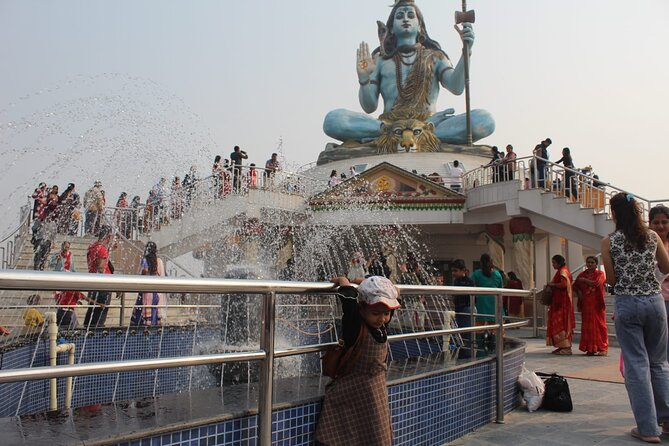
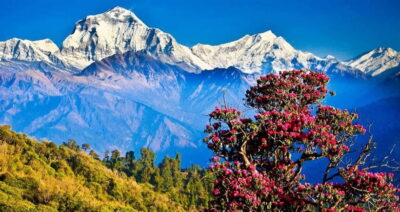
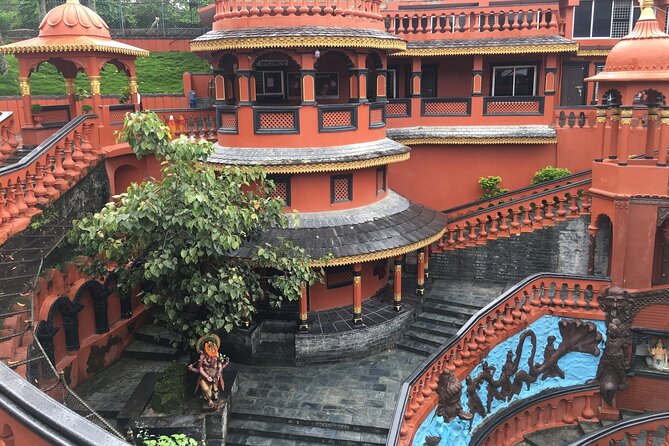
Your first climb is to Bindyabashini Hindu Temple, a complex perched on a hill. The description is clear: you use hundreds of stairs to reach the top, and the reward is sweeping views of the Mt. Annapurna range.
What I like about this stop is the mix of effort and payoff. You’re not just stepping into a building for ten minutes. You’re climbing into a viewpoint, then absorbing the atmosphere of Hindu temple clusters up top. If you’ve never visited a temple complex in Nepal, it’s a great way to get your bearings fast on what’s sacred here and how people show up day to day.
How to make it easier:
- Wear grippy shoes. The stairs are real, and the day involves more stair walking later.
- Take your time on the way up. Even a slow climb keeps the experience fun instead of stressful.
Another way to spend the time in Nepal:
- ATV Adventure Tour in Pokhara, Nepal
★ 5.0 · 194 reviews - Full-Day Tibetan Cultural Tour to Tibetan Settlements Pokhara
★ 5.0 · 184 reviews - Pokhara: Full-Day Sharing Bus Tour on 7 Iconic Destination
★ 4.1 · 179 reviews - Poon hill Trek 3 days
★ 5.0 · 176 reviews
Seti River Gorge: The “Milky Water” Stop That Feels Like a Natural Special Effect
Next you go to the Seti River Gorge. The key detail is the water flowing very deep from the surface, and the color looking milky. That “milky” look is usually the kind of natural phenomenon that photographs surprisingly well, but it’s also worth seeing in person before you decide if it’s a wow or just a stop.
This is a shorter stop, around 30 minutes, and paid entrance isn’t included. That means you’ll want to budget a little mental energy: this is more of a viewpoint and quick exploration than a long linger.
If you’re the type who gets cold quickly, this is the kind of place where a breeze can make you want to move along. Bring a light layer.
Mahendra Cave: Clay Smells, Fossils, and a Different Kind of Quiet
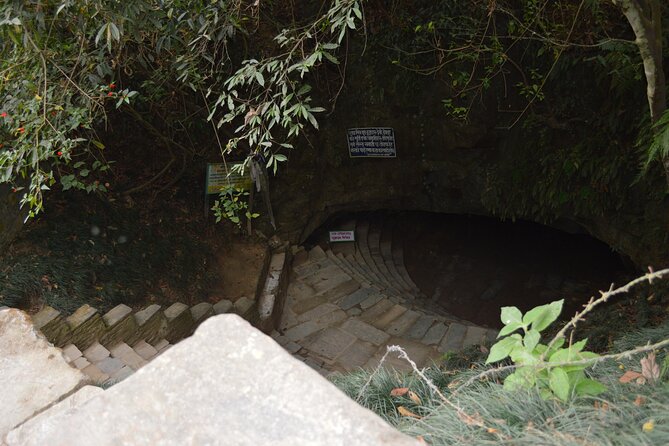
Mahendra Cave is the next natural stop, and it’s described with three things that help you set expectations: natural cave atmosphere, fossils on the ceiling, and the natural smells of clay.
I enjoy this kind of pause in the day. After temples and viewpoints, caves change your senses. You’re dealing with dim light, cooler air, and the feel of rock formations that look ancient but are still doing their thing right now. It’s also a place where a guide’s explanation can turn “wow, a cave” into “oh, that ceiling is the story.”
Again, paid entrance isn’t included, and the time on site is about 30 minutes. So go in ready to focus rather than expecting a long, slow exploration.
Pumdikot and the Asia-Largest Shiva Idol: Big, Scenic, and Very Photo-Friendly
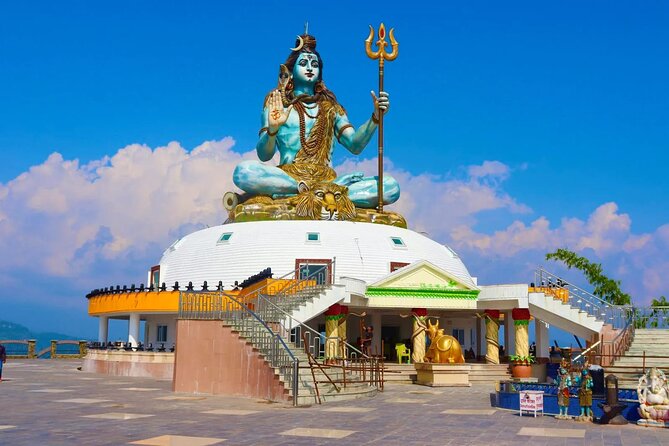
Then comes the drive to Pumdikot Hill, home to what’s described as Asia’s largest Shiva idol. You’ll explore the entire temple area and also get panoramic scenery of the Annapurna mountain range and Fewa lake from the hill.
This stop is one of the easiest “sell” moments in the whole day because it combines religion, scale, and views all at once. The idol gives you a sense of place and local devotion, and the hilltop sightlines make it feel like Pokhara is bigger than just the lakeside promenade.
Admission is listed as free here, so if you’re trying to stretch your budget, this is one of the stops that helps. Just remember: it’s not just a quick photo at the base. Plan to walk through the temple area and take in the viewpoints.
Gupteswar Gupha Cave: 140 Meters Down, Fossil Ceiling Up Close
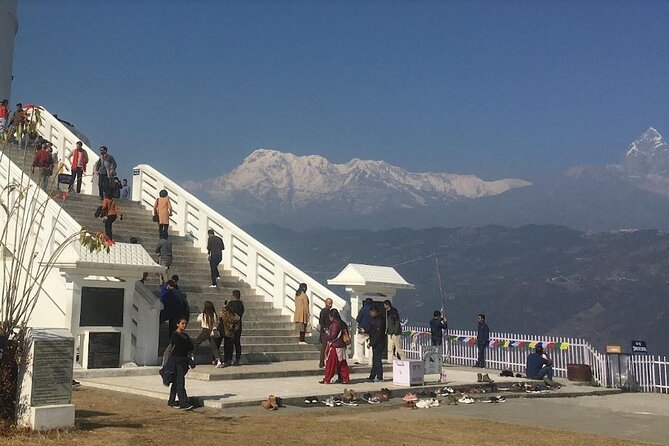
Gupteswar Gupha is the cave you’ll want to treat like a highlight. It’s described as a natural cave with a 140-meter depth, plus a fossils ceiling and a view of water falling from the bottom of the cave.
Here’s the big practical point: it involves hundreds of stairs. That makes it a day-shape choice. If you plan your energy, you’ll enjoy it. If you try to race, it turns into a leg workout you didn’t ask for.
Why it’s worth it:
- Fossils on the ceiling give the place a scientific interest, not just a dark tunnel vibe.
- The water feature adds movement and sound, so it doesn’t feel static.
- The cave depth detail makes it feel like you’re really going somewhere, not just walking into a room.
Paid entrance isn’t included. I’d keep that in mind when you decide how long to stay, because the stairs are the limiting factor.
Devi’s Fall: Water, Views, and the Kind of Place You Stop Thinking
After caves, Devi’s Fall is a more open visual scene, described as a beautiful waterfall with an amazing view from the area. This is another 30-minute stop, and paid entrance isn’t included.
I like Devi’s Fall because it resets you. You’re not moving from stair to stair inside rock. You’re taking in water action and the overall setting. It’s also the kind of spot where your guide’s context can help you understand why locals and visitors find this waterfall worth the effort.
If you’re bringing a camera, consider how you’ll handle getting a shot without crowd pressure. Go early in the time window and you’ll usually have more room to frame what you came for.
Phewa Tal Finale: Lake Time After the Bus Drops You
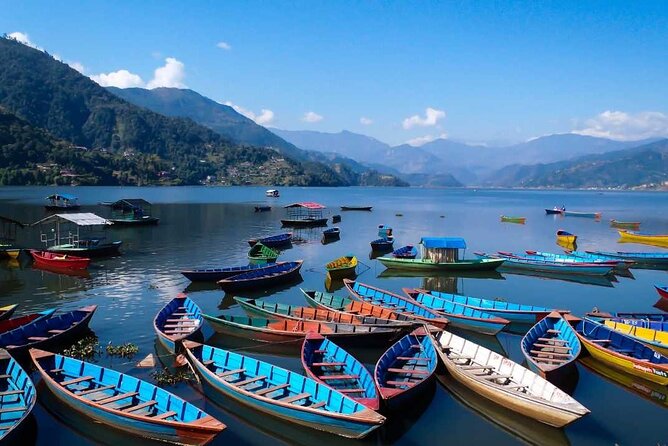
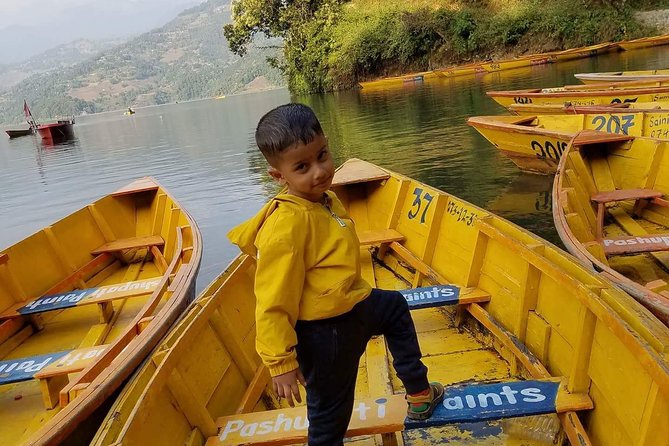
The tour finishes at Phewa Tal, the big lake near the lakeside area. You visit it as the last point, and then the bus drops you there so you can explore on your own.
This is a smart ending. You’ve spent the day climbing and walking. Ending with a lakeside option gives you a chance to slow down. You can grab a drink, stretch your legs, or just take in the lake without a schedule telling you when to leave.
Admission is listed as free at this stop, so it’s one more budget win near the end.
The Local Guide Factor: Helpful Explanations, Not Just Sight-Calling
A big part of the value here is that there’s a local guide accompanying you and telling you what you need to know about temples, caves, waterfalls, and the culture behind what you’re seeing. That changes how the day lands.
I also appreciate how the operator’s team is known for being friendly and helpful, including staff like Sunil Dahal. When you’re traveling on a tight budget, small help matters, like making sure you understand what costs extra and how to plan your time without panic.
Still, keep your expectations grounded. This is a bus circuit with multiple stops, so explanations can be more “keep moving with meaning” than “stay and go deep at every wall.”
Shared Bus Reality: Group Size, Waiting, and Why Patience Pays
The tour is capped at 25 travelers, and it runs on a shared bus. That’s part of the price equation. It also affects your experience:
- You might wait a bit at stops if people return at different speeds.
- You’ll be in a group environment, so it’s not always quiet and personal.
- Photos happen. Lots of photos. (If you want space to move around freely, choose times when you can be near the front of the group, especially at the stairs.)
If you’re the type who likes private time, you might feel limited here. But if you’re trying to get a lot done in one day, it’s a fair trade.
What to Bring and How to Pace Yourself
Because the day includes temple stairs and multiple cave stairs, your comfort plan matters more than your backpack plan. Here are the practical things I’d do before you go:
- Wear comfortable, grippy shoes. You’ll walk many stairs across different stops.
- Bring water. Meals aren’t included, but meals are available to purchase, so having a plan helps.
- Pack a light layer. Caves and hilltop viewpoints can feel cooler than you expect.
- Have some cash for paid entrance fees. Tickets aren’t included, and paid entrances are approximately US$ 13 per person.
Also, keep an eye on your energy. If you start strong at Bindhyabashini and Gupteswar Gupha, the day feels fun. If you burn out early, later stairs get annoying fast.
Who This Tour Fits Best
This tour is best for:
- Budget travelers who want a guided overview of Pokhara’s highlights
- People with limited time who want multiple sights in 4 to 6 hours
- Travelers who don’t mind stairs and want a mix of religious sites and natural attractions
You might want to look elsewhere if:
- You expect a slow, private pace with long explanations at every stop
- You have mobility concerns, because caves and temple hills involve stairs
- You want a fully inclusive price with no entrance fees to handle
Should You Book This Budget Pokhara Bus Tour?
If your goal is a value-packed day with temples, caves, waterfall scenery, and lake time, I think this is a solid option. The price is low, and the route is designed to get you to major highlights without wasting half your day on transport logistics. The free stops help your budget, and the guide adds context so you don’t just collect snapshots.
If you prefer comfort over stairs and quiet over group timing, then this may feel like too much effort. But for most people, especially those who enjoy viewpoints and natural sites, it’s a smart way to see a lot of Pokhara in one go.
FAQ
What time does the tour start in Pokhara?
The tour starts at 9:45 am.
Where does the tour meet, and where does it end?
It meets at Pushpa Guest House No 15, Lakeside Rd 6, Pokhara and ends back at the same meeting point.
Is hotel pickup and drop-off included?
Hotel pickup and drop-off are included if you select that option. The tour also includes round-trip shared bus transfer.
How long is the tour?
The duration is about 4 to 6 hours.
Are entrance fees included?
Entrance fees are not included. The tour notes an approximate total of US$ 13 per person for admissions, and some stops are marked as free.
What is the cancellation window?
Free cancellation is available, and you can cancel up to 24 hours in advance for a full refund.
Latest additions near Pokhara
- Pokhara: Pokhara Highlights Tour by Bus★ 3.6 · 10 reviews
- Discover Pokhara in Style: Private Vehicle Service with Driver★ 5.0 · 5 reviews
- Pokhara in 5 Hours: Lake, Museum, Cave, Falls & Pagoda Hill★ 4.5 · 16 reviews
- The World Peace Pagoda in Pokhara★ 4.5 · 7 reviews
- 7-Day Trek to Annapurna Base Camp from Pokhara★ 5.0 · 12 reviews
- 4 Day Mardi Himal Base Camp Trek from Pokhara★ 5.0 · 18 reviews
- Unique Easy Hiking to Foxing Hill from Pokhara★ 5.0 · 4 reviews
- World Peace Stupa Day Hike From Pokhara★ 5.0 · 4 reviews
Pokhara Tours, compared.
ZipFlyer Nepal – The World’s Steepest Zip-line
Read our review →


Full-Day Tibetan Cultural Tour to Tibetan Settlements Pokhara
Read our review →
Full-Day Sharing Bus Tour on 7 Iconic Destination
Read our review →
Trekking in Annapurna/Langtang/Everest/Upper Mustang regions
Read our review →