
Reviewed · POON HILL TREKS
Ghorepani Poonhill Sunrise trek
Few treks hit this hard for the effort.
The Ghorepani Poon Hill sunrise trek is a fast hit of Himalayan drama, plus cultural stops in the mid hills around Annapurna. Ghandruk gives you a proper taste of village life, while Poonhill is built for that early, sky-changing viewpoint.
What I like most is how the trip is set up for flow, not chaos, with your guide handling the route, permits, and timing. I also like that the promise here is clear: panoramic views across Annapurna, Dhaulagiri, and even beyond, with a big moment at the viewpoint. A real consideration is the early start and the stairs, so you will want solid baseline fitness before you try to power through.
In This Review
- Key things to know before you go
- Why Poon Hill sunrise feels like a cheat code
- Pokhara as the perfect launchpad for the Annapurna region
- The first hiking day: from Nayapool to Tikhedhunga (getting your legs moving)
- Ghorepani: the base for sunrise plans and mountain mood swings
- Poonhill hike and the view over Annapurna, Dhaulagiri, and friends
- Ghandruk and the mid-hills culture you actually walk through
- Tadapani to Nayapul: the downhill that still deserves respect
- Guides, porters, and permits: the hidden value of a managed trek
- Price and value: is $815 fair for what you get?
- Who this trek fits best, and who should reconsider
- Packing and pacing advice that keeps the trip enjoyable
- Should you book this Ghorepani Poon Hill sunrise trek?
- FAQ
- How long is the Ghorepani Poonhill sunrise trek?
- Where does the trek start and what is the start time?
- What is included in the tour price?
- What transportation is included between major stops?
- Do I need trekking permits or a TIMS card?
- Is travel insurance included?
Key things to know before you go
- Poonhill sunrise is the headline, and you should be ready for a very early start time (12:15 am listed).
- Ghandruk heritage village views can frame Annapurna South and Machhapuchhre in a single morning.
- Stair climbing matters here, including a 3381-step push toward panoramic viewpoints.
- Culture is part of the trek, with Gurung and Pun traditions in the mid hills.
- Logistics are tightly managed with a licensed guide, a porter for your baggage, and trekking permits.
- Yoga can be part of the experience, with multiple groups noting guided sessions around dawn and late day.
Why Poon Hill sunrise feels like a cheat code
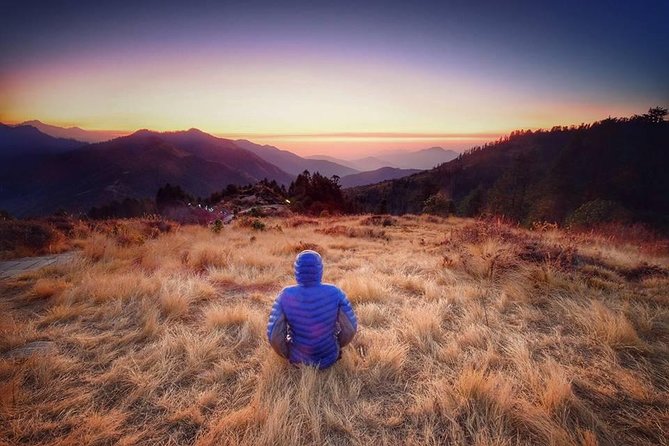
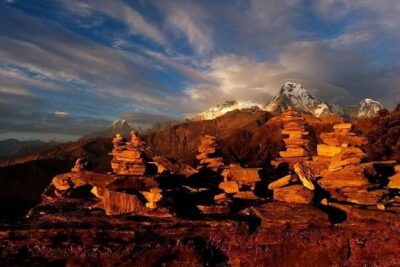
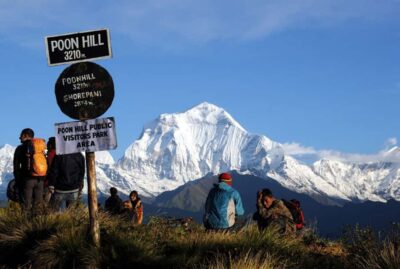
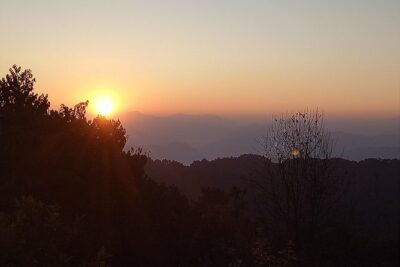
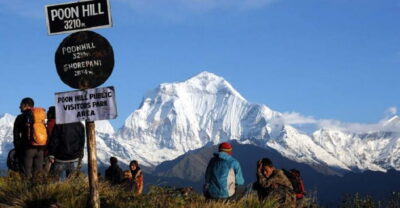
Poonhill is famous for a reason. You hike up in the dark, then watch the light come in across the Annapurna region, with peaks shifting from shadow to glow as the morning clears.
This trek also gives you enough time to do the viewpoint justice. You are not just rushing to a photo spot and leaving. You get a real walk between villages, forest, and viewpoints, so sunrise sits in the middle of a bigger day.
One more practical note: this trip starts extremely early. Your start time is listed as 12:15 am, so plan on waking up fast, eating something simple, and keeping your layers ready. Bring what keeps you warm, because dawn wind is not forgiving.
More Treks in Pokhara
- Poon hill Trek 3 days
★ 5.0 · 176 reviews - Trekking in Annapurna/Langtang/Everest/Upper Mustang regions
★ 5.0 · 161 reviews - Pokhara: 4-Day Ghorepani, Poonhill & Ghandruk Mountain Trek
★ 5.0 · 132 reviews
Pokhara as the perfect launchpad for the Annapurna region
You start in Nepal with hotel time in Kathmandu, then move to Pokhara by tourist bus for a roughly 6-hour ride. The route shift matters. Kathmandu is busy and loud, while Pokhara is easier on your nerves, with the classic lake setting at Phewa Lake.
Pokhara also helps you mentally prepare for the hills. After the city days, you transition into rhododendron and forest trails, climbing from warmer low areas into the mid hills and higher alpine country. That gradual feel is helpful if you are not training for a week of suffering in silence.
And once you return, Pokhara is a nice reset. After your hiking days, you end up back by the lake, so you can stretch, shower, and eat in comfort without needing to jump straight into another travel leg.
The first hiking day: from Nayapool to Tikhedhunga (getting your legs moving)
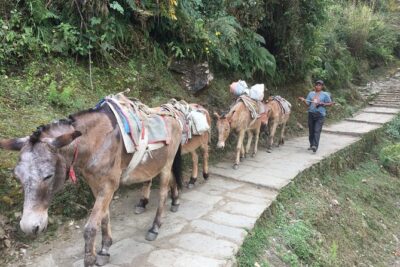
Your trekking starts after driving to Nayapool, then walking up to Tikhedhunga around 1450m. This is the day where you notice how quickly Nepal changes under your feet. The trail is doing the early work of getting you used to stone steps, uphill rhythm, and the steady pace that keeps you from burning out early.
Tikhedhunga is not a headline viewpoint, but it sets you up. The value of the first hiking day is conditioning. You learn what your breathing feels like on uphill, and you test your footwear and pace before the steeper push later.
Another practical upside is that you are on full-board meals during the trek. Breakfast, lunch, and dinner are part of the package while you are hiking, and you also get coffee and/or tea. That means you are not constantly figuring out food logistics on the go.
Ghorepani: the base for sunrise plans and mountain mood swings
Next, you trek up to Ghorepani around 2874m. This is where the trek starts to feel more “mountain” than “village to village,” with cooler air and heavier views creeping in as you gain elevation.
Ghorepani is also a strategic base. It puts you in position for the early hike to Poonhill, which is the main sunrise goal. In practical terms, it saves you from hiking a huge climb in the middle of the night. It lets you focus on moving, not on reinventing the route.
Ghorepani also sits in the wider Annapurna region where you get glimpses of multiple big names, including Annapurna itself. You are not only collecting views, you are collecting direction. Each day’s walking line makes the next viewpoint feel more specific.
More Poon Hill treks:
- Ghorepani – Poon Hill Trek 3N-4D
★ 5.0 · 125 reviews - From Pokhara: 3-Day Ghorepani Poon Hill Trek with Guide
★ 4.9 · 68 reviews - 4-Day Private Poon Hill Trekking Tour
★ 5.0 · 58 reviews - Pokhara: 3-Day Ghorephani and Poon Hill Private Trek
★ 5.0 · 58 reviews
Poonhill hike and the view over Annapurna, Dhaulagiri, and friends
This is the main event: an early morning hike to Poonhill, then trekking onward toward Tadapani around 2721m. The morning timing is what makes this work. You climb when the world is still dark, then you stand when the sky decides what it wants to show.
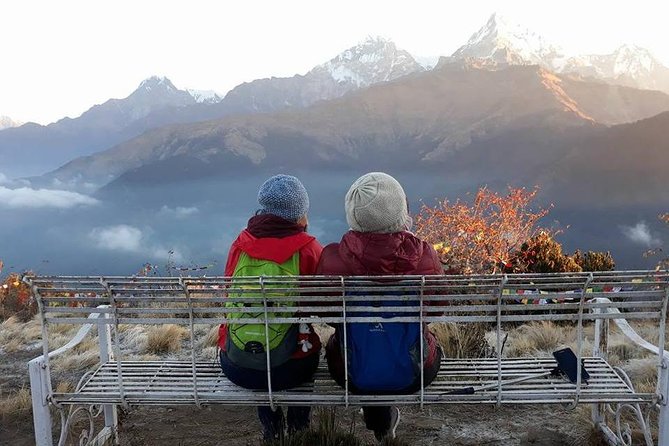
You are aiming for panoramic views that reach beyond Annapurna alone. The trek information highlights Mt. Dhaulagiri and Mt. Manaslu as key view targets, and it also places Annapurna South and Machhapuchhre, the Fish Tail Peak, in the bigger picture.
Here’s what to expect in real life: the view is most dramatic when weather cooperates. If clouds sit low, you might get partial views. If the morning clears, the change can feel like the whole mountain range is slowly switching on.
Also, plan on effort. The trip summary calls out a 3381-step climb to be rewarded by panoramic views of Dhaulagiri. Stairs are not optional here. Even if you are fit, treat the steps like intervals. Slow, steady, short breaths. Your body will thank you later.
One detail I really appreciated from the feedback patterns: some groups reported yoga sessions around sunrise and at day’s end. If your guide offers it, it’s a nice way to stretch out after climbing and before you start the next segment. It also gives you a calm routine to match the early wake-up.
Ghandruk and the mid-hills culture you actually walk through
A big reason this trek is popular is that it is not just a viewpoint run. You stay in the heritage village of Ghandruk, which is known for its classic mountain setting and village character.
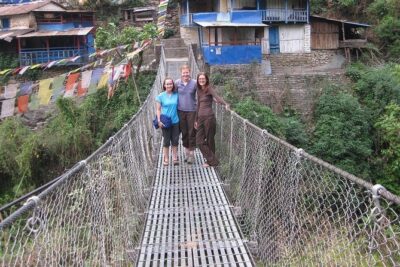
From your walking days, you also meet the mid hills people, including Gurung and Pun communities, and see traditions and customs that feel connected to the mountains. That cultural layer is part of why this trek works even for people who do not care much about technical climbing.
Ghandruk’s role is also practical. Heritage villages tend to be better set up for hikers, and your overnight rhythm becomes smoother. You spend less time chasing practical needs and more time enjoying the human scale of the place, watching locals move through daily life while your view stays locked on the big peaks.
Tadapani to Nayapul: the downhill that still deserves respect
After the Poonhill morning, you move on to Tadapani at about 2721m for the next stop. Later you trek down to Nayapul, then drive back to Pokhara.
This is where the trek turns from steady climbing to careful descent. Downhill can still drain you. If you have knee sensitivity, use trekking poles if you have them, and keep your steps short. Downhill fatigue is a real thing even when the heart rate drops.
The payoff is that the walk back down feels like progress. The air warms, views shift, and the trail gradually returns you to the human scale of Pokhara.
Because you get transportation back, you do not have to worry about how to get out of the hills. You drive from Nayapul to Pokhara, then later you connect onward to Kathmandu.
Guides, porters, and permits: the hidden value of a managed trek
This tour is built around a few key support pieces that matter more than people expect.
You get a government license holder guide plus a porter who carries your baggage. That means you can focus on your own pacing rather than overpacking and dragging your energy downhill. There is also a first aid kit included, which is not a glamorous line item, but it is exactly what you want in remote terrain.
You also receive TIMS card support (Trekker’s Information Management System) and trekking permits for restricted area trekking. In plain terms, that reduces the chances of admin trouble and keeps your route legitimate and organized. It is one less thing for you to stress about when you are already waking up early and climbing a lot of steps.
From the review feedback patterns, guide quality comes through. Names like Sumir show up repeatedly for attentiveness and keeping people comfortable. Another name you may see linked with trip organization is Amir, and one reviewer specifically expressed gratitude to Kisan sir for making their trip special. I cannot promise the same exact guide for every departure, but these names are a signal that the human side of the operation matters here.
Price and value: is $815 fair for what you get?
$815 per person is not a budget number, but it is also not a random price tag. You are paying for a lot of “invisible labor” that would be annoying to arrange yourself in Nepal.
Included items that drive value:
- Airport pickup and drop
- Kathmandu and Pokhara hotel stays
- Full-board meals during trekking (breakfast, lunch, dinner)
- Guide and porter support
- Transportation between Kathmandu and Pokhara, and Pokhara to Nayapul and back
- TIMS card and trekking permits
- Insurance coverage and equipment support for the staff (as listed)
- Farewell dinner prior to departure
What is not included matters too. Travel insurance is not included, and that is a big one. You also do not get the Nepal entry visa fee, international airfare, or personal drinks and snacks beyond what is listed. Tips are also not included.
So how do you judge the value? If you want someone else to handle permits, timing, and day-to-day logistics, this price starts to make sense. If you prefer to go fully independent, you might spend less, but you will also take on more stress and more risk around admin and pacing.
Who this trek fits best, and who should reconsider
This Ghorepani Poon Hill sunrise trek is a strong match for hikers with moderate physical fitness. It is not framed as a technical climb, but it does include a lot of walking, plus major stair work toward panoramic viewpoints.
It also suits first-time Nepal travelers who want the big Annapurna names without needing a high-end climbing commitment. You get a classic route style: forest, mid hills villages, a heritage stop, and sunrise viewpoint payoff.
Where you should reconsider:
- If early mornings and lots of steps make you anxious, you might struggle with the start time and the climb.
- If you have knee issues, you will want to plan carefully for descent days.
If you are the type who likes real village life, not just peak photos, you will probably enjoy the cultural elements as much as the views.
Packing and pacing advice that keeps the trip enjoyable
You are responsible for personal trekking equipment, because it is not listed as included. That means you should think ahead about basics like layers, footwear you trust, and rain protection.
For pacing, treat the day-to-day rhythm like this: start steady, then adjust. The sunrise day is all about conserving energy while climbing in the dark. The next day’s hiking can be easier, but downhill can feel harder than expected.
Also, plan to eat when meals are offered. Since breakfast, lunch, and dinner are included during trekking, you should use that schedule. Skipping food to save time is the fastest way to feel weak on the trail.
Should you book this Ghorepani Poon Hill sunrise trek?
I think this is a good booking if you want a classic Annapurna starter trek with a clear reward. The sunrise viewpoint goal is specific, the cultural stop in Ghandruk adds real texture, and the logistics are handled in a way that keeps you focused on walking and seeing.
I would book it if you:
- can handle very early mornings
- are comfortable with stairs and steady uphill walking
- like guided structure and you do not want to manage permits and timing yourself
I would hesitate if you:
- are very sensitive to altitude and early starts
- expect a slow, flat stroll with minimal effort
- would rather arrange everything independently
If you do book, message the operator about your guide and your expectations, especially around pacing and any knee concerns. Then pack for cold dawn and warm afternoons, and trust the rhythm of the trail. This trek’s best moments come from showing up ready, not from rushing.
FAQ
How long is the Ghorepani Poonhill sunrise trek?
The tour duration is listed as 8 days, approximately.
Where does the trek start and what is the start time?
The experience starts in Pokhara, and the start time is listed as 12:15 am.
What is included in the tour price?
The tour includes airport pickup and drop, Kathmandu and Pokhara hotel stays, full board meals during the trekking period (breakfast, lunch, dinner), a licensed government guide, a porter for your baggage, TIMS card, first aid kit, trekking permits for restricted area trekking, ground transportation charges, and a farewell dinner.
What transportation is included between major stops?
You get ground transportation charge for Kathmandu to Pokhara by tourist bus or plane, and for Pokhara to Nayapul and back by private vehicle.
Do I need trekking permits or a TIMS card?
Yes. TIMS card support is included, and trekking permits needed for restricted area trekking are also included.
Is travel insurance included?
No. Travel insurance is listed as not included.
Latest additions near Pokhara
- Pokhara: Pokhara Highlights Tour by Bus★ 3.6 · 10 reviews
- Discover Pokhara in Style: Private Vehicle Service with Driver★ 5.0 · 5 reviews
- Pokhara in 5 Hours: Lake, Museum, Cave, Falls & Pagoda Hill★ 4.5 · 16 reviews
- 7-Day Trek to Annapurna Base Camp from Pokhara★ 5.0 · 12 reviews
- 4 Day Mardi Himal Base Camp Trek from Pokhara★ 5.0 · 18 reviews
- The World Peace Pagoda in Pokhara★ 4.5 · 7 reviews
- Unique Easy Hiking to Foxing Hill from Pokhara★ 5.0 · 4 reviews
- World Peace Stupa Day Hike From Pokhara★ 5.0 · 4 reviews
Poon Hill Treks, compared.
4-Day Ghorepani, Poonhill & Ghandruk Mountain Trek
Read our review →
Browse the lists this tour appears in