
Reviewed · POON HILL TREKS
Ghorepani Poon Hill Treks: 6 Nights /7 days
Sunrise at Poon Hill is a real keeper. This short Ghorepani to Ghandruk trek is built for classic Annapurna views without the harsh slog, and it is scheduled around one very early wow moment. I like that a very professional trekking guide handles the flow, from route choices to where you eat and sleep. You also get the full mountain food plan (breakfast, lunch, dinner) so you are not constantly budgeting mid-hike. The main drawback to consider is timing: long driving days bookend the trek, and mornings start early.
I also like the culture focus. Ghorepani is known for Magar communities, and Ghandruk is celebrated as the Land of Gurungs, one of the biggest Gurung settlements in the region. That mix makes the trek feel like more than a viewpoint quest.
If you are looking for something doable with moderate fitness, this one fits well. Just remember the trip includes flights are not included, so you still need to plan how you get to Nepal in the first place.
In This Review
- Key things that make this trek worth your time
- From Pokhara, you earn every view
- The easiest start: Kathmandu to Pokhara, then into the hills
- Nayapul to Ulleri: your first altitude lesson without the drama
- Ulleri to Ghorepani: settling into 2,874m tea house territory
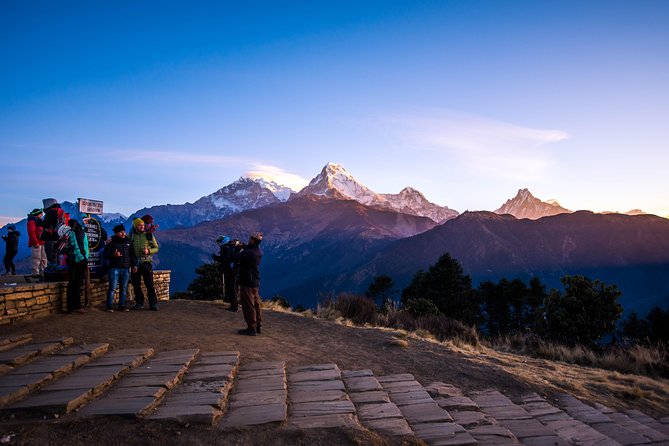
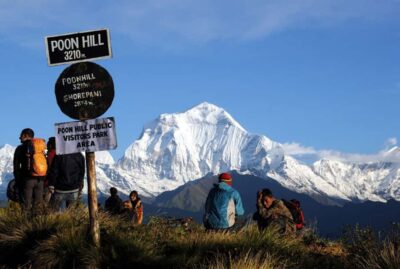
- Poon Hill: why the early morning is worth it
- Ghorepani to Ghandruk via Poon Hill: big views and a cultural landing
- Ghandruk back to Pokhara: reflect time, and a change in pace
- The guide factor: why your experience feels smooth
- What the package includes, and what you should budget for
- Seasons that make Poon Hill and Ghandruk feel their best
- Who this trek is perfect for, and who should think twice
- Quick practical tips before you go
- Should you book this Ghorepani Poon Hill and Ghandruk trek?
- FAQ
- Where does the trek start?
- How long is the trek?
- What are the main trekking stops and elevations?
- How do you travel from Kathmandu to Pokhara?
- What is included in the price?
- What is not included?
- What fitness level do you need?
- Is this a private experience?
- When is the best time to go?
Key things that make this trek worth your time
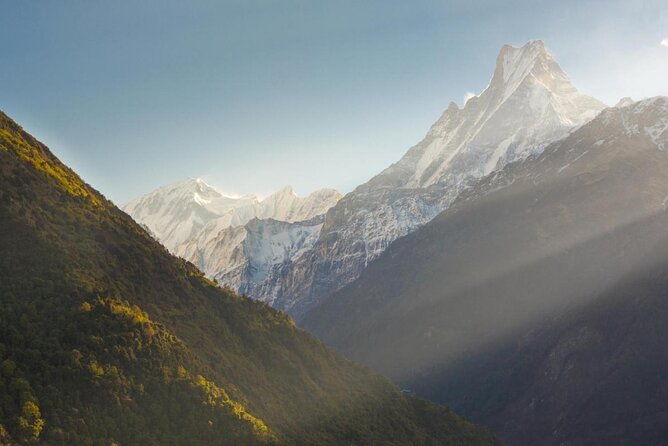
- Poon Hill sunrise at 3,210m: the itinerary is designed so you do not miss that early light moment.
- Ghorepani base at 2,874m: you get the high-feeling views without living at extreme altitudes.
- Magar village life in Ghorepani and Gurung culture in Ghandruk: you are hiking through communities, not just scenery.
- A guide who plans the details: the experience is praised for service before and during the trek, including flexible changes and smooth logistics.
- Short trekking days, for real: the hike totals are set up so different fitness levels can manage it.
- Mountain meals included: breakfast, lunch, and dinner are part of the package, so your energy stays consistent.
From Pokhara, you earn every view
The whole trek hangs off one smart idea: start near Pokhara, then hike into the Annapurna region’s best-known short route. You will travel from Kathmandu to Pokhara either by long drive (about 6 to 7 hours) or by a quicker flight (about 30 minutes). Either way, you are trading airport hassle for real walking time in Nepal’s hills.
Once you are in Pokhara, the trek day rhythm kicks in. Your meeting point is at the Electric Vehicle Charging Station area in Pokhara (listed as 6X55+64, Pokhara 33700), and the start time is 6:45 am. That early start matters because the trek is designed around early hiking and the sunrise viewpoint at Poon Hill.
More Treks in Pokhara
- Poon hill Trek 3 days
★ 5.0 · 176 reviews - Trekking in Annapurna/Langtang/Everest/Upper Mustang regions
★ 5.0 · 161 reviews - Pokhara: 4-Day Ghorepani, Poonhill & Ghandruk Mountain Trek
★ 5.0 · 132 reviews
The easiest start: Kathmandu to Pokhara, then into the hills
You get a clear setup for the first big transition. Day one is Kathmandu to Pokhara, by air-conditioned vehicle for the drive, or by flight for the quicker option. This is a practical choice if you hate wasting vacation time on slow roads, but it also gives you a buffer day before you start climbing.
What you should watch on the travel side is fatigue. Even with comfortable transport, you are still dealing with hours of sitting. If you are the type who gets cranky when you travel, plan a calm afternoon in Pokhara. Keep your evening low-key so you can hike early with energy.
Nayapul to Ulleri: your first altitude lesson without the drama
The trek begins from Nayapul with the hike up to Ulleri. Ulleri is listed around 1,925m, but the itinerary also shows Ulleri at 1,690m on the later leg. Either way, this is your first sustained climb, and it is exactly what you want on a short trek: enough elevation to feel like you are leaving the city, but not so much that you are wrecked by day two.
This part of the route matters because it sets your pace. If you go out too fast, you will pay for it later. A good guide will help you keep steps steady and stops sensible. The experience has strong feedback for guides who handle everything from packing list help to smart lunch and lodging decisions, which is a big deal when you are new to trekking.
Ulleri to Ghorepani: settling into 2,874m tea house territory
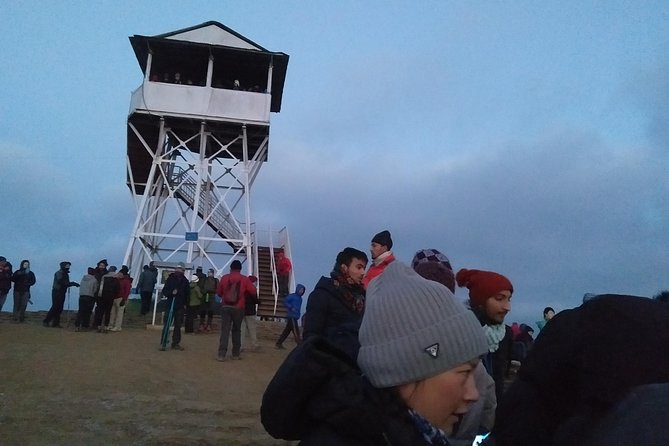
By day three, you are trekking toward Ghorepani, listed at 2,874m. This is the phase where the Annapurna foothills start to feel more serious. You will likely notice cooler air and longer shadows as you climb.
This segment is also where the trek proves it is beginner-friendly. The trip information emphasizes that you do not need to worry about acclimatization issues and that the trek does not demand heavy physical fitness. That does not mean it is effortless. It means the planning keeps the climb within a range where most people can handle it with a steady pace and good breaks.
Culturally, Ghorepani is your bridge village. It is well known for soft-centered native Magar communities, which is the kind of phrase you should take literally: you will feel how daily life here is shaped by the local community, not by mass tourism alone. If you like small conversations and the feel of village rhythm, this is one of the calmer, more satisfying parts of the trek.
More Poon Hill treks:
- Ghorepani – Poon Hill Trek 3N-4D
★ 5.0 · 125 reviews - From Pokhara: 3-Day Ghorepani Poon Hill Trek with Guide
★ 4.9 · 68 reviews - Pokhara: 3-Day Ghorephani and Poon Hill Private Trek
★ 5.0 · 58 reviews - 4-Day Private Poon Hill Trekking Tour
★ 5.0 · 58 reviews
Poon Hill: why the early morning is worth it
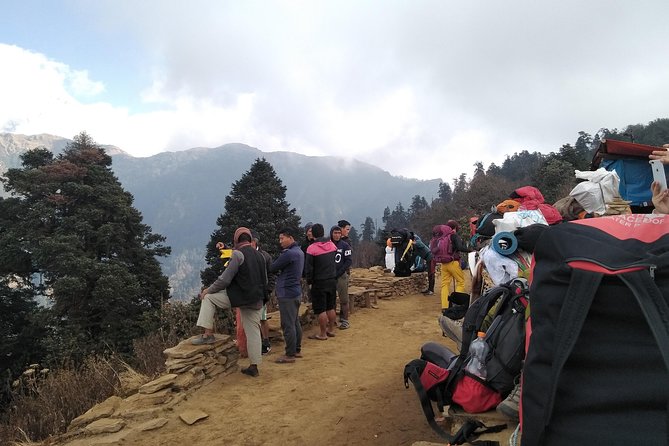
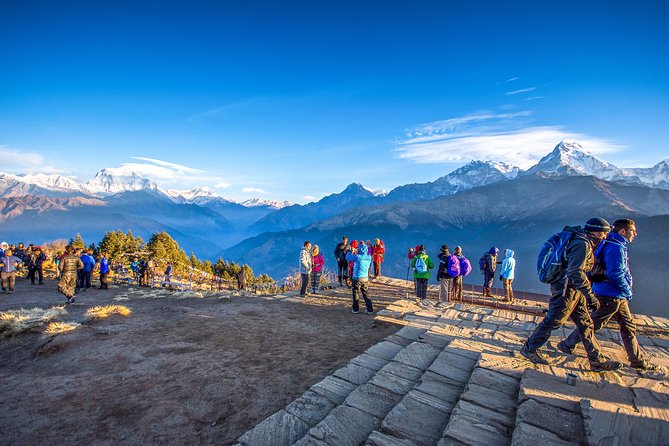
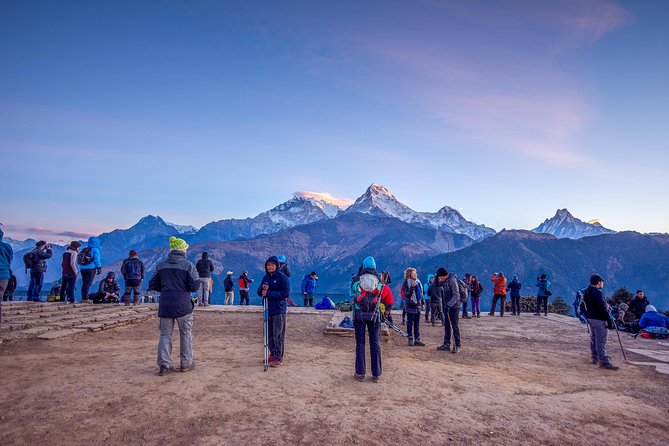
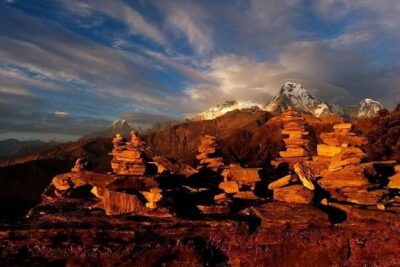
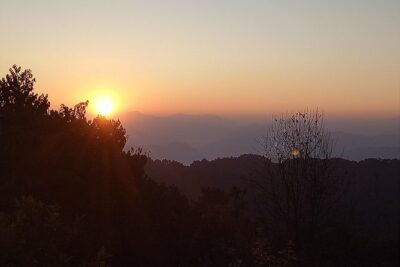
Poon Hill is the big viewpoint payoff, listed at 3,210m. The trek includes a stop at Poon Hill for sunrise, which is why mornings are so early. If you hate waking up before the sun, you will still want to do this part. Sunrise from Poon Hill is the reason this route is famous.
Here is how to think about it practically. The sunrise timing means you should treat the evening before as a prep night. Bring warm layers, even if Pokhara feels mild. The mountain air at higher elevations can bite, especially around early hours. Also, be ready for a short, clear window where your camera battery will love you if you keep it warm.
One more thing I like about this design is that Poon Hill is not just a random hike-to-view stop. It is built into the day between Ghorepani and Ghandruk, so you get that sunrise moment and then you continue trekking to a village with real character.
Ghorepani to Ghandruk via Poon Hill: big views and a cultural landing
Day four brings you from Ghorepani down to Ghandruk, listed at 1,860m, via Poon Hill. The hike time is given as about 6 to 7 hours, so it is not a lazy stroll. But the big difference on this day is that it is more about flow than grind. You climb briefly for Poon Hill, then transition into village trekking.
Ghandruk earns its reputation. It is celebrated as the Land of Gurungs and described as the largest Gurung settlement in the region. If you want the Annapurna story told through people, not just trails, Ghandruk is where that clicks. The village energy tends to feel more settled, and you are at a lower elevation than the high point, which makes the walking days feel more human.
Also, this is a good day to practice slow travel. Take breaks for tea and conversation. You will get more out of the descent and the village arrival if you treat it like part of the experience, not a task to finish.
Ghandruk back to Pokhara: reflect time, and a change in pace
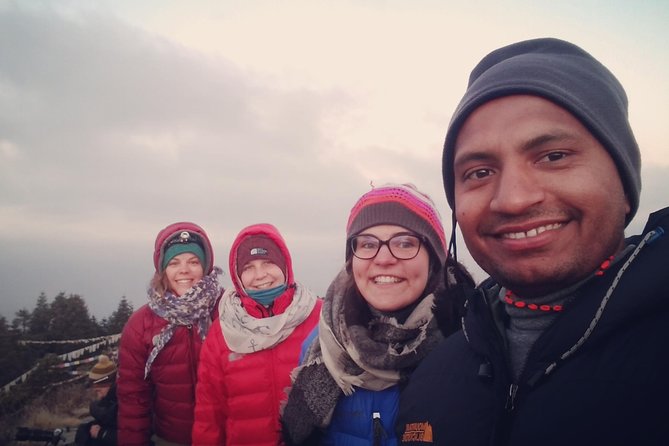
On day five, you trek from Ghandruk to Pokhara, listed again around 6 to 7 hours. This is the end of the walking portion, so your body is thinking about recovery. After several days of mountain air and uneven trails, even a well-paced descent feels different from uphill trekking.
This is where a well-run package shows its value. If your guide is strong, this day feels calmer because the route and timing are already planned. The feedback for guides like Ram and Shree Krishna Neupane highlights exactly this kind of support, including attentiveness on the trail and patience when explaining nature and culture.
When you arrive back in Pokhara, do not cram a huge schedule. You have just changed elevations and worked multiple muscle groups. A simple dinner and early sleep will do wonders.
The guide factor: why your experience feels smooth
In a trek like this, the guide is not a nice-to-have. It is a big part of the quality. The service feedback you have for Himalayan Trekking Path is heavily about guide strength, communication, and flexibility.
Names that come up include Ram, Ramhari Neupane (as company contact leadership), and Shree Krishna Neupane. People also mention support from a porter named Sudip on other Annapurna routes. The pattern is clear: the best part is when your guide helps you feel prepared, keeps you safe, and handles the practical stuff so you can focus on the walk and the villages.
When you book, ask who your guide will be and what their style is. If they are the kind who can help with packing list decisions, choose lunch spots that work for your pace, and manage accommodations efficiently, you will feel the difference quickly.
What the package includes, and what you should budget for
This trek is priced at $600 per person for 6 nights and 7 days, with pickup offered and a mobile ticket. For a short route, the value is in the included essentials and in how much they reduce uncertainty.
Included in the package:
- Breakfast, lunch, and dinner in the mountains
- Accommodation in the mountain
- Permits, TIMS, and government tax
- A very professional trekking guide
- Air-conditioned vehicle (for the main transfers listed)
Not included:
- Alcoholic beverages, and drinks are not included
- Tips for staff
- Private transportation
- Flight is not included
- Travel insurance
So what does $600 buy you in real terms? It buys you continuity. When meals and lodging are handled, you spend less time negotiating and more time hiking and resting. It also buys you administrative peace of mind, because permits and TIMS are included. That is worth something, especially if you have never done a trek in Nepal before.
For your own budget, plan for:
- Tips for guide and staff
- Non-alcoholic drinks or snacks if you want extra
- Your flights and travel insurance
- Any alcohol and extras not part of the meal plan
Also, because private transportation is not listed as included, double-check whether your transfers are shared or fixed to your group. The itinerary suggests air-conditioned vehicle support, but the fine print matters when you want comfort.
Seasons that make Poon Hill and Ghandruk feel their best
The recommended best time for this trek is March to May and September to November. Those windows usually align with stable weather and good visibility, which is crucial for sunrise and for long-distance mountain views.
If you are traveling outside those months, you might find fog, rain, or colder conditions. The trek is short and altitude is not extreme, but weather can still make trails slick and viewpoints less clear. When you plan your dates, prioritize visibility over saving a few dollars.
Who this trek is perfect for, and who should think twice
This route fits hikers with moderate physical fitness, and it is described as not demanding much physical fitness, with options appropriate for different strength levels. That makes it a strong choice if you want a classic Annapurna introduction.
It is also a good match if you:
- Want sunrise at Poon Hill without a long, high-altitude push
- Prefer village stops like Ghorepani and Ghandruk over a purely summit-focused itinerary
- Like guided experiences where permits, meals, and accommodations are handled
But consider a different plan if you:
- Need a totally car-free experience. There is a lot of driving around the trek.
- Hate early mornings. The sunrise stop drives the schedule.
- Are counting on flights to be included. Flights are not included, so you must handle that separately.
Quick practical tips before you go
These are the small things that tend to matter most on a short trek:
- Pack warm layers for early Poon Hill hours. Temperature drops at 3,210m even when Pokhara feels warm.
- Keep your pace steady from Ulleri onward. Short treks still punish overconfidence.
- Bring good waterproof shoes or at least reliable traction. Mountain weather can change fast.
- Expect village trekking days that are scenic and cultural, not just fitness drills.
And do not be shy about telling your guide your pace or preferences. The trek is set up for flexibility, and strong guide feedback includes accommodating different wishes, including photographer-friendly support.
Should you book this Ghorepani Poon Hill and Ghandruk trek?
Yes, if you want a short, guided route that gives you sunrise magic, village culture, and manageable hiking days. The package is strong on what matters most: a professional guide, mountain meals, permits and TIMS handled, and a schedule that aims to reduce altitude stress.
Book this trek especially if you are planning a first Annapurna-style trek and you want a clear payoff, Poon Hill sunrise, plus a satisfying cultural finish in Ghandruk. Just plan your travel logistics so you are not scrambling about flights, and accept that early starts and travel time are part of the deal.
If that sounds like your style, this is a smart, value-focused choice for a 7-day Nepal mountain escape.
FAQ
Where does the trek start?
The meeting point is listed as the Electric Vehicle Charging Station area in Pokhara (6X55+64, Pokhara 33700, Nepal), with a start time of 6:45 am.
How long is the trek?
The experience is 7 days (about 6 nights and 7 days).
What are the main trekking stops and elevations?
You go from Nayapul up to Ulleri, then to Ghorepani at 2,874m. You visit Poon Hill at 3,210m for sunrise, then continue to Ghandruk at 1,860m.
How do you travel from Kathmandu to Pokhara?
The itinerary lists either a 6 to 7 hour drive or a 30 minute flight.
What is included in the price?
Included items are breakfast, lunch, and dinner in the mountains, air-conditioned vehicle, permits, TIMS and government tax, a very professional trekking guide, and accommodation in the mountains.
What is not included?
Not included: alcoholic beverages (drinks are not included), tips for staff, private transportation, flight, and travel insurance.
What fitness level do you need?
The guidance says travelers should have a moderate physical fitness level.
Is this a private experience?
Yes. It is listed as private, with only your group participating.
When is the best time to go?
The best time periods recommended are March to May and September to November.
Latest additions near Pokhara
- Pokhara: Pokhara Highlights Tour by Bus★ 3.6 · 10 reviews
- Discover Pokhara in Style: Private Vehicle Service with Driver★ 5.0 · 5 reviews
- Pokhara in 5 Hours: Lake, Museum, Cave, Falls & Pagoda Hill★ 4.5 · 16 reviews
- 4 Day Mardi Himal Base Camp Trek from Pokhara★ 5.0 · 18 reviews
- The World Peace Pagoda in Pokhara★ 4.5 · 7 reviews
- 7-Day Trek to Annapurna Base Camp from Pokhara★ 5.0 · 12 reviews
- Unique Easy Hiking to Foxing Hill from Pokhara★ 5.0 · 4 reviews
- World Peace Stupa Day Hike From Pokhara★ 5.0 · 4 reviews
Poon Hill Treks, compared.
4-Day Ghorepani, Poonhill & Ghandruk Mountain Trek
Read our review →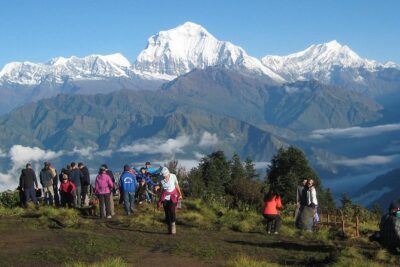
Browse the lists this tour appears in